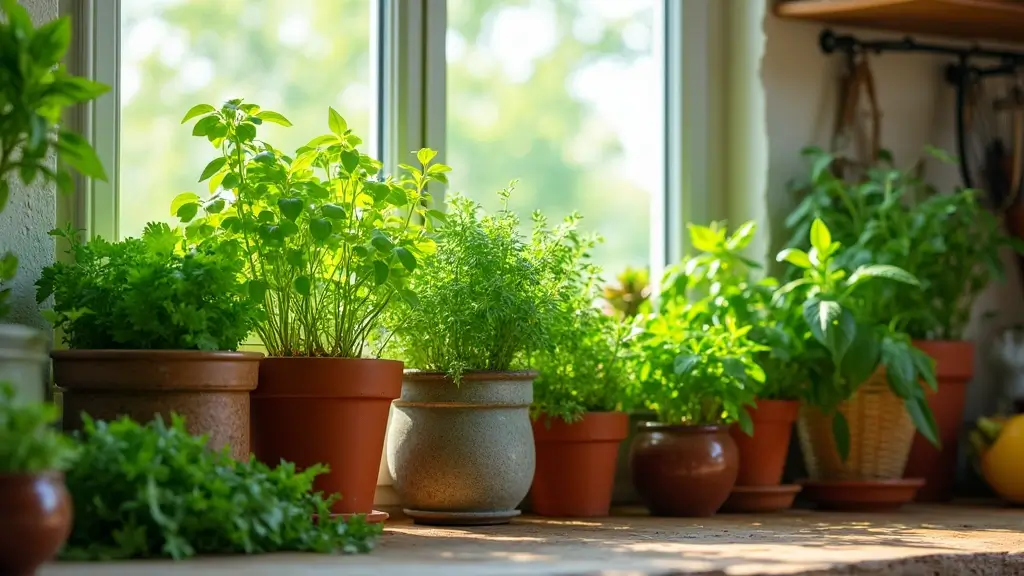
Transform your kitchen into a fragrant haven with these 25 indoor herb pairings that bring both beauty and utility to your home.
Growing herbs not only enhances your culinary skills but also purifies the air, creating a refreshing atmosphere.
Whether you have a sunny windowsill or a cozy corner, these pairings will thrive in indoor pots, making companion planting an enjoyable experience.
From classic combinations to surprising pairings, this list will inspire you to create your own aromatic garden right in your kitchen.
Contents
- 1. Basil and Tomatoes
- 2. Mint and Rosemary
- 3. Chives and Garlic
- 4. Cilantro and Dill
- 5. Oregano and Thyme
- 6. Basil and Parsley
- 7. Sage and Thyme
- 8. Lemon Balm and Mint
- 9. Fennel and Dill
- 10. Cilantro and Green Onions
- 11. Tarragon and Chives
- 12. Sage and Oregano
- 13. Basil and Cilantro
- 14. Mint and Lemon Thyme
- 15. Rosemary and Sage
- 16. Tarragon and Mint
- 17. Thyme and Basil
- 18. Dill and Fennel
- 19. Cilantro and Basil
- 20. Rosemary and Thyme
- 21. Parsley and Chives
- 22. Bay Leaf and Thyme
- 23. Anise and Dill
- 24. Lemon Balm and Basil
- 25. Chives and Parsley
1. Basil and Tomatoes
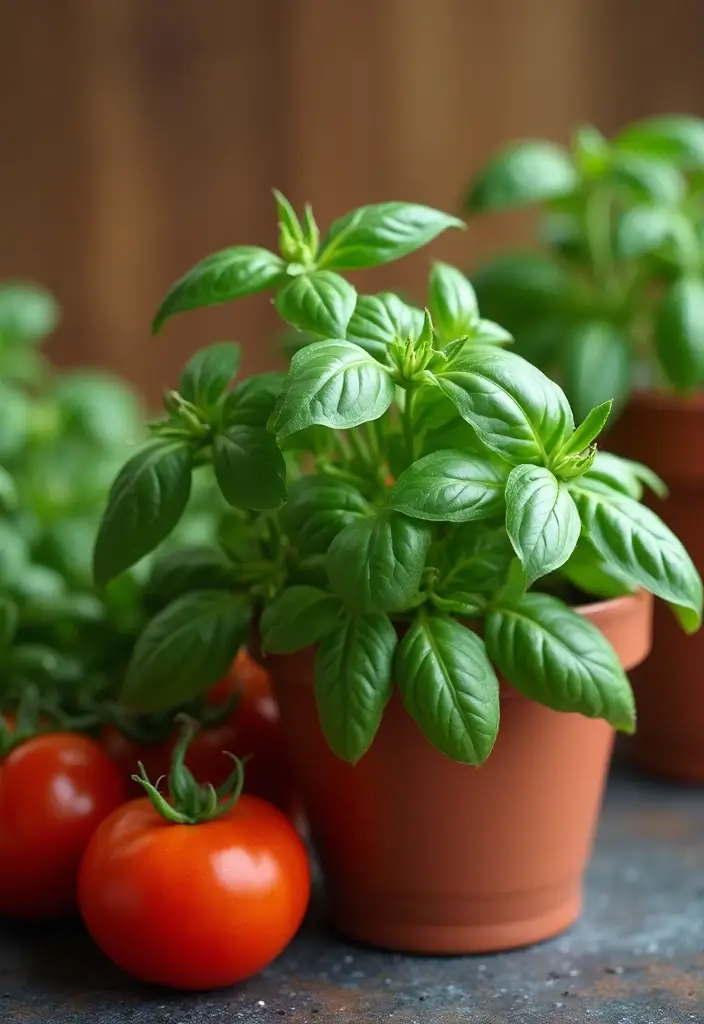
Basil is the king of herbs, and when paired with tomatoes, they create a match made in culinary heaven.
Not only do they taste fantastic together, but they also help each other grow, making them a perfect pairing for indoor pots.
Plant sweet basil and a small tomato plant in a larger pot or two separate pots close together to maximize your space.
The basil repels pests that often affect tomatoes while enhancing their flavor.
When you’re ready to cook, you can snip fresh basil to sprinkle over your fresh tomato salad or pasta dish, making your meals even more delicious.
2. Mint and Rosemary

Mint and rosemary might seem like an unusual combo, but they complement each other beautifully.
Mint is vibrant and refreshing, while rosemary adds a robust, earthy flavor.
They thrive in similar conditions but have distinct growth habits, making them ideal companions in a pot.
You can use them together in cocktails, teas, or even savory dishes, providing a dynamic range of flavors for your kitchen creations.
Just keep in mind that mint can be quite invasive, so it’s best to keep it in a separate pot or a confined space within a larger pot to prevent it from taking over.
3. Chives and Garlic
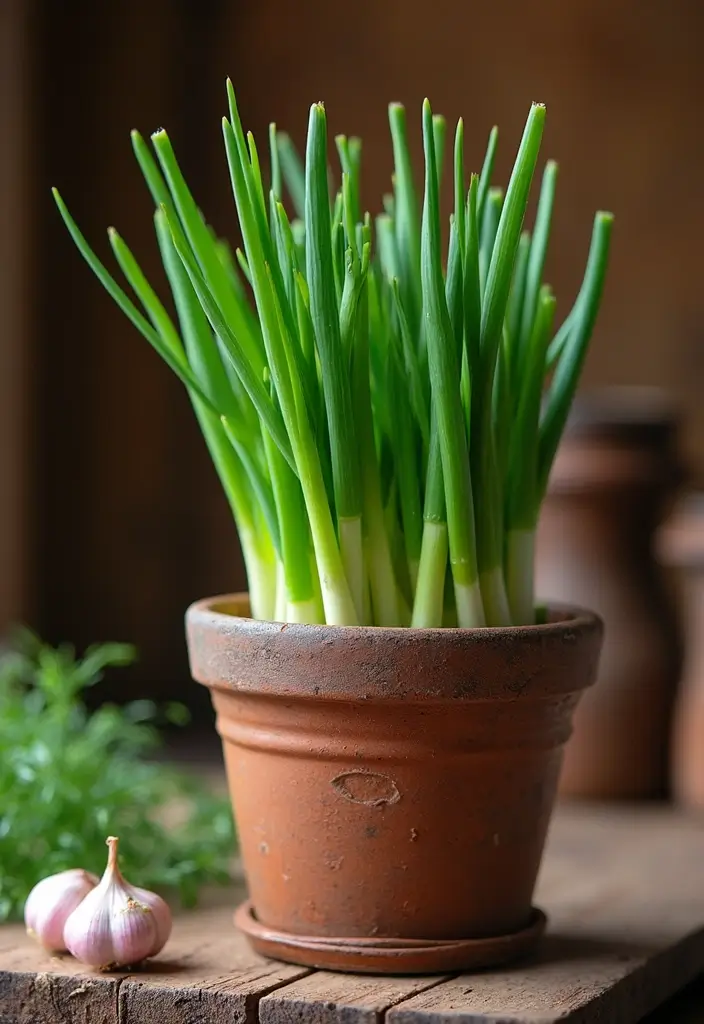
Chives and garlic are not only part of the same allium family but also thrive together in smaller pots.
Chives bring a mild onion flavor, while garlic adds a punch of zestiness to your dishes.
This pairing works well as they don’t compete for resources and can share a pot without overcrowding.
You can use both herbs to elevate a variety of dishes, from omelets to roasted vegetables.
Growing these herbs indoors can help repel pests, making your kitchen healthier and more aromatic.
4. Cilantro and Dill

You might be surprised to learn that cilantro and dill can grow well together, despite their distinct flavors.
Cilantro offers a bright, citrusy flavor, while dill brings a sweet, herbal note to your dishes.
These herbs can share a pot successfully as long as you provide them with sufficient sunlight and regular watering.
They’re fantastic for adding a fresh touch to salads, salsas, and fish dishes.
Plus, these two herbs can tolerate a little neglect, making them perfect for beginner indoor gardeners.
5. Oregano and Thyme
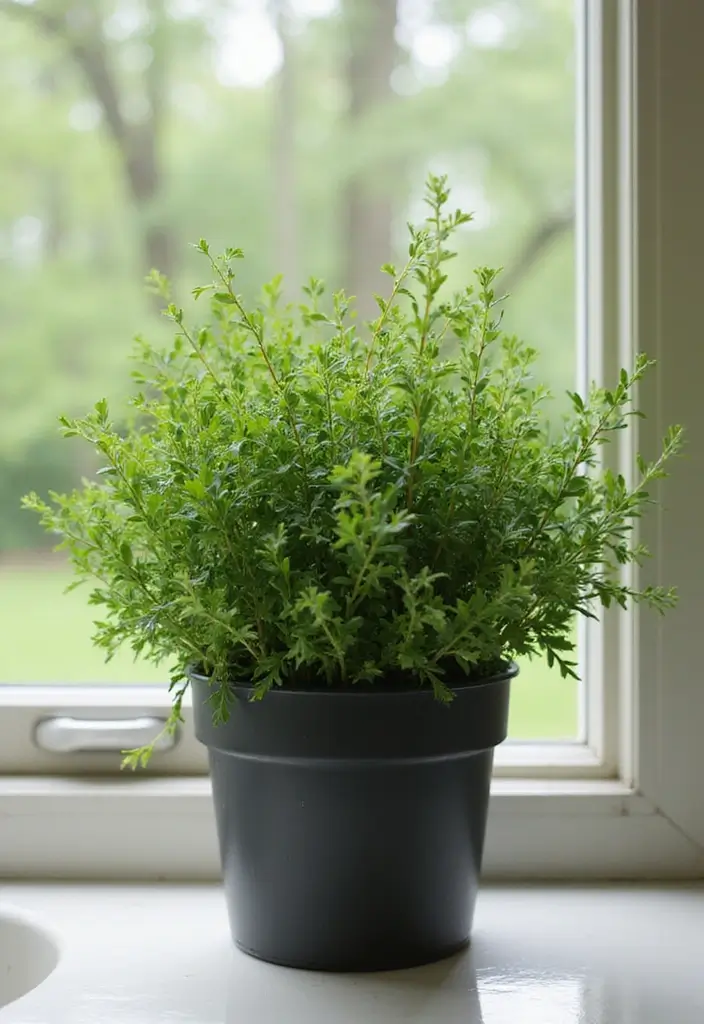
Oregano and thyme are classics in Mediterranean cooking, and for good reason!
These herbs flourish together, creating a fragrant combo that will enhance any dish.
Both prefer well-drained soil and thrive in similar lighting conditions, making them perfect companions in an indoor garden.
Use them to season pizzas, pastas, or roasted meats, and you’ll quickly elevate your culinary game.
The earthy aroma of oregano pairs beautifully with the slightly minty flavor of thyme, making this duo a must-have for any kitchen.
6. Basil and Parsley

The fresh, peppery taste of parsley complements the sweet, aromatic flavor of basil perfectly.
Growing them together in a pot not only saves space but also allows you to have two versatile herbs at your fingertips.
Use them in salads, dressings, and marinades to bring a burst of flavor to your dishes.
These herbs thrive in similar environments and can help each other grow by enhancing the soil with their shared nutrients.
This combination is perfect for anyone who wants to add a touch of freshness to their meals effortlessly.
7. Sage and Thyme
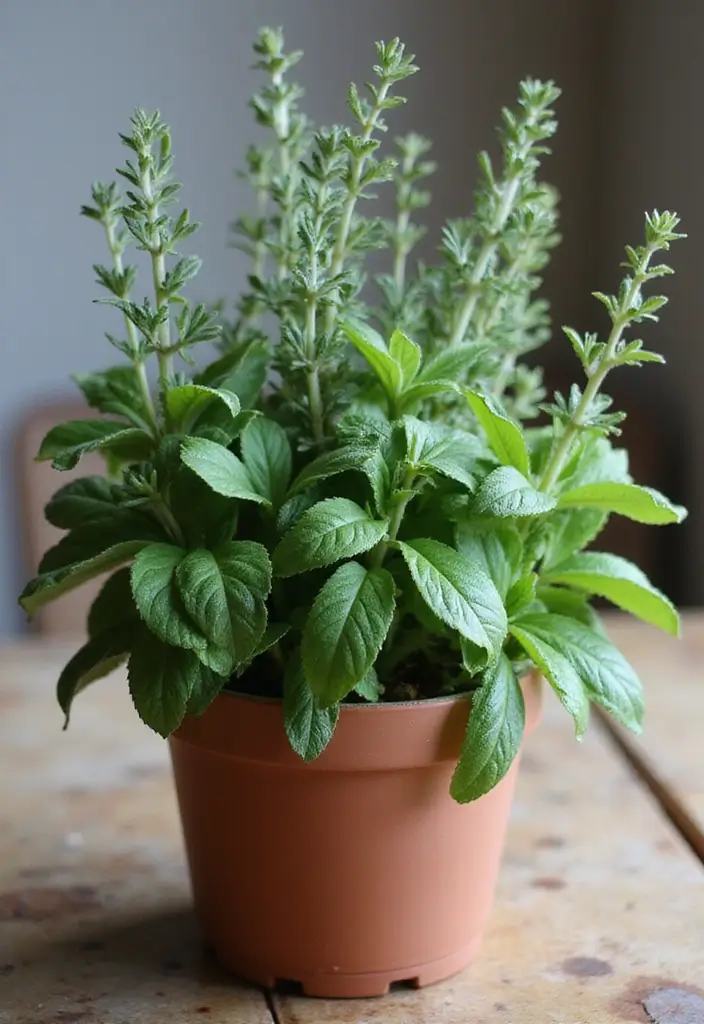
Sage and thyme create a harmonious pairing that is perfect for savory dishes.
Sage has a strong, earthy flavor while thyme offers a subtler herbaceous note.
They thrive well together in a pot, enjoying similar sunlight and watering requirements.
This duo is fantastic in roasted dishes, stews, and even in herbal teas, making them a staple for cozy meals.
Their different flavors complement each other beautifully, giving your culinary creations a more complex taste.
8. Lemon Balm and Mint
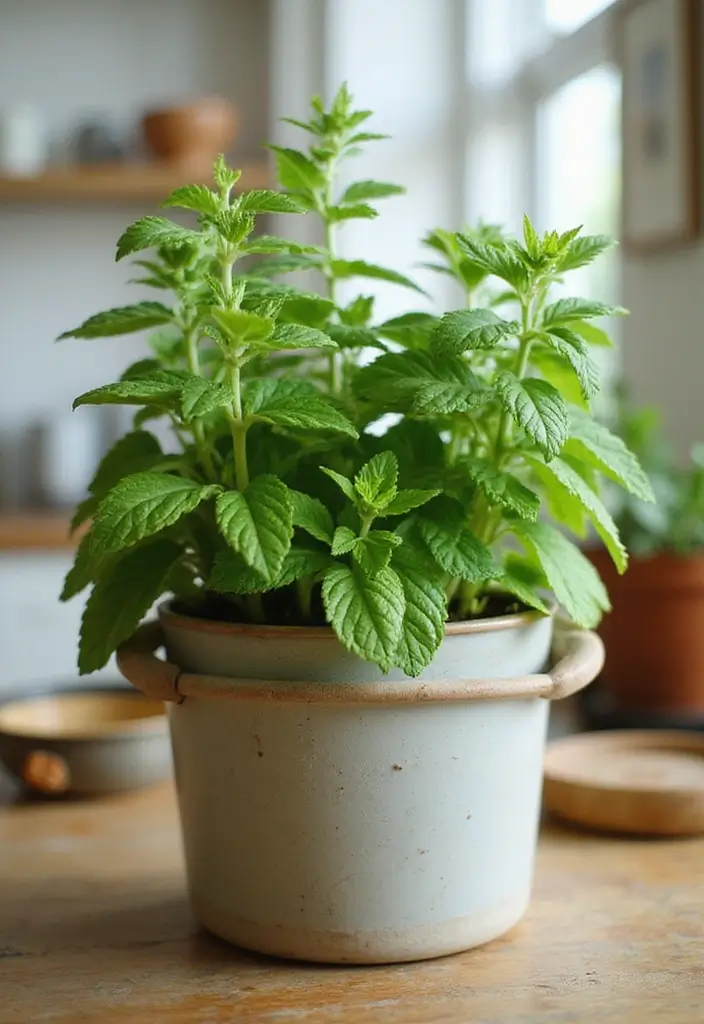
Lemon balm and mint are both refreshing herbs that thrive in similar conditions, making them ideal companions.
Lemon balm adds a zesty, citrusy flavor, while mint brings its cool, sweet essence to the mix.
This combo is perfect for beverages, desserts, and salads, offering a refreshing twist to your culinary creations.
They both enjoy similar watering needs and can be easily maintained in a pot.
However, be cautious as both can spread, so consider planting them in a larger pot with a divider to manage their growth.
9. Fennel and Dill
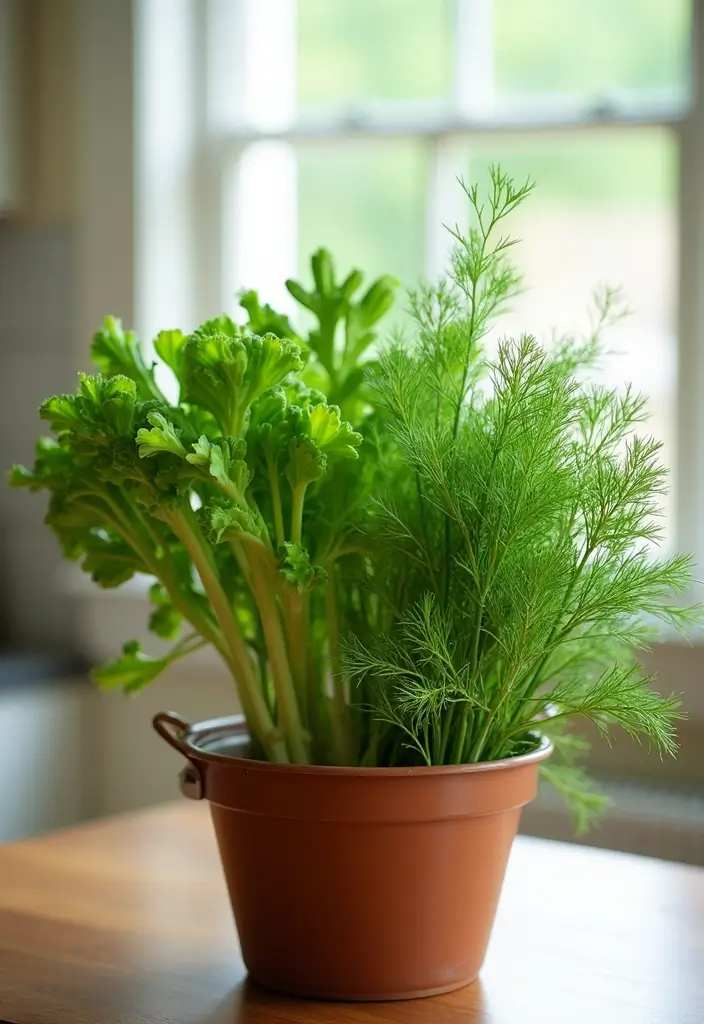
Fennel and dill are both part of the same family and grow well together, making them a delightful pairing for indoor pots.
Fennel has a sweet, anise-like flavor that pairs wonderfully with dill’s mild taste.
Together, they can be used to enhance fish dishes, salads, and pickling recipes, providing a unique flavor profile.
Both herbs like full sun and well-drained soil, creating a harmonious space when planted together.
This duo also helps attract beneficial insects to your indoor garden, supporting a healthier ecosystem.
10. Cilantro and Green Onions

Cilantro and green onions make a fantastic pairing, perfect for adding a burst of flavor to numerous dishes.
Cilantro offers a bright, zesty taste, while green onions add a mild onion flavor, balancing well together.
They can be easily grown in a single pot, thriving in similar conditions.
Use these herbs in salsas, salads, or as garnishes, and appreciate their freshness in every bite.
Not only do they taste great together, but they also bring a vibrant pop of color to your kitchen garden.
You might also like


11. Tarragon and Chives
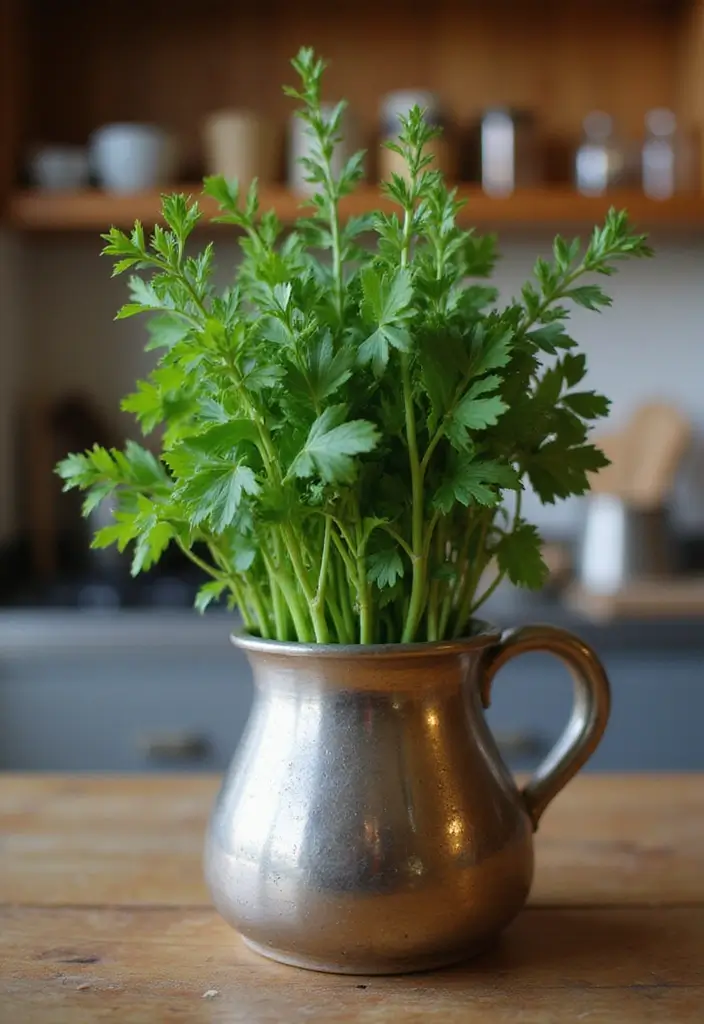
Tarragon adds a unique, slightly sweet flavor, making it a great companion for the mild onion taste of chives.
These herbs thrive well together in a pot, enjoying similar sunlight and watering needs.
They can be used in dressings, sauces, and marinades to elevate your dishes.
Their combination creates an aromatic experience that adds a sophisticated touch to your meals.
Ensure they have plenty of sunlight, and you’ll have a thriving herb garden in no time!
12. Sage and Oregano
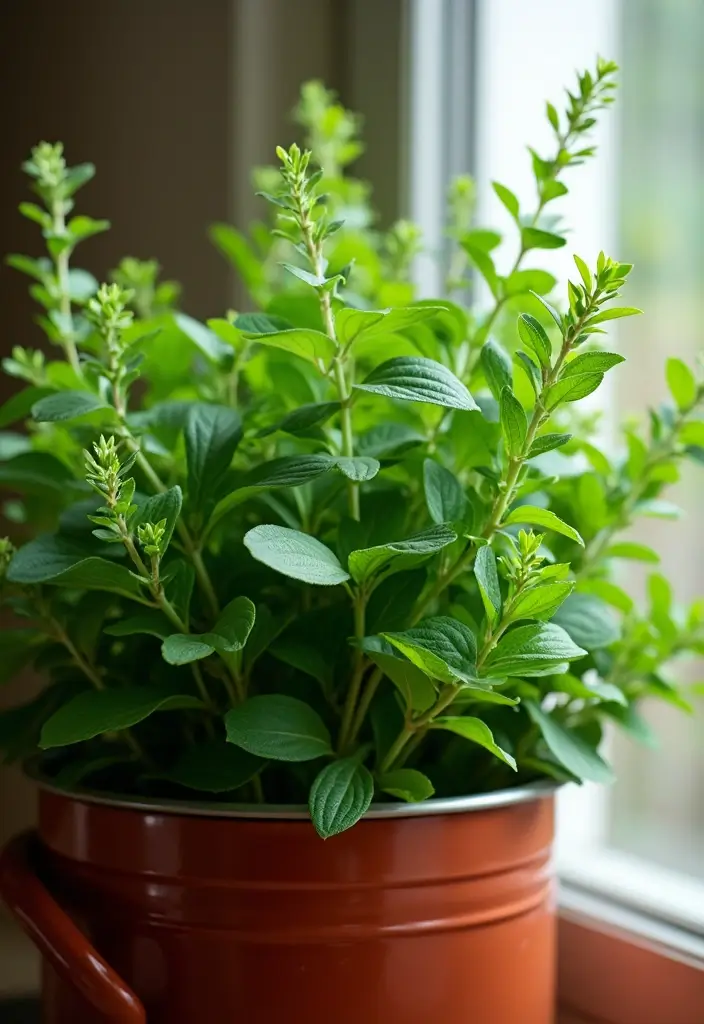
Sage and oregano create a strong flavor duo that can enhance any savory dish.
Sage has a rich, earthy taste while oregano contributes a slightly sweet, peppery flavor.
Both these herbs can thrive together in a pot, offering a fragrant addition to your cooking.
They work beautifully in pasta dishes, marinades, and roasted meats.
Give them plenty of sunlight, and you’ll enjoy a thriving, aromatic kitchen garden that’s sure to impress.
13. Basil and Cilantro
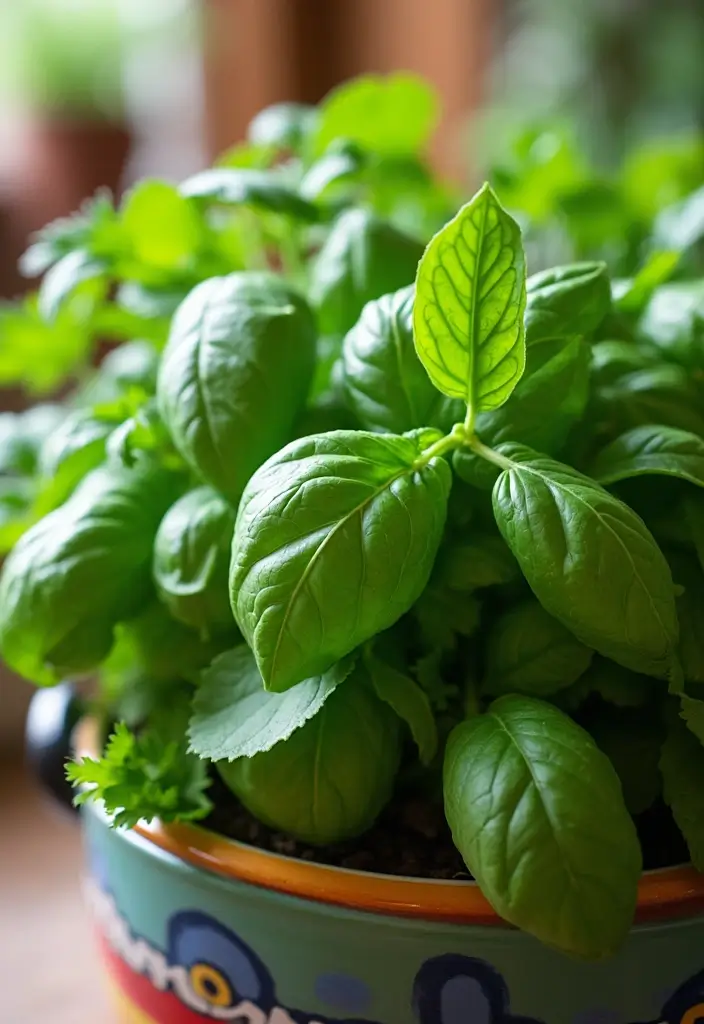
Basil and cilantro make a bright, flavorful partnership, perfect for many Asian and Mediterranean dishes.
Basil brings a sweet, aromatic flavor, while cilantro adds a fresh twist.
These herbs thrive on a sunny windowsill, enjoying similar conditions, which makes them an easy pairing in your indoor pots.
Use them in salads, salsas, and pasta dishes to elevate your meals completely.
Plus, their vibrant green colors add a lovely touch to your kitchen decor.
14. Mint and Lemon Thyme
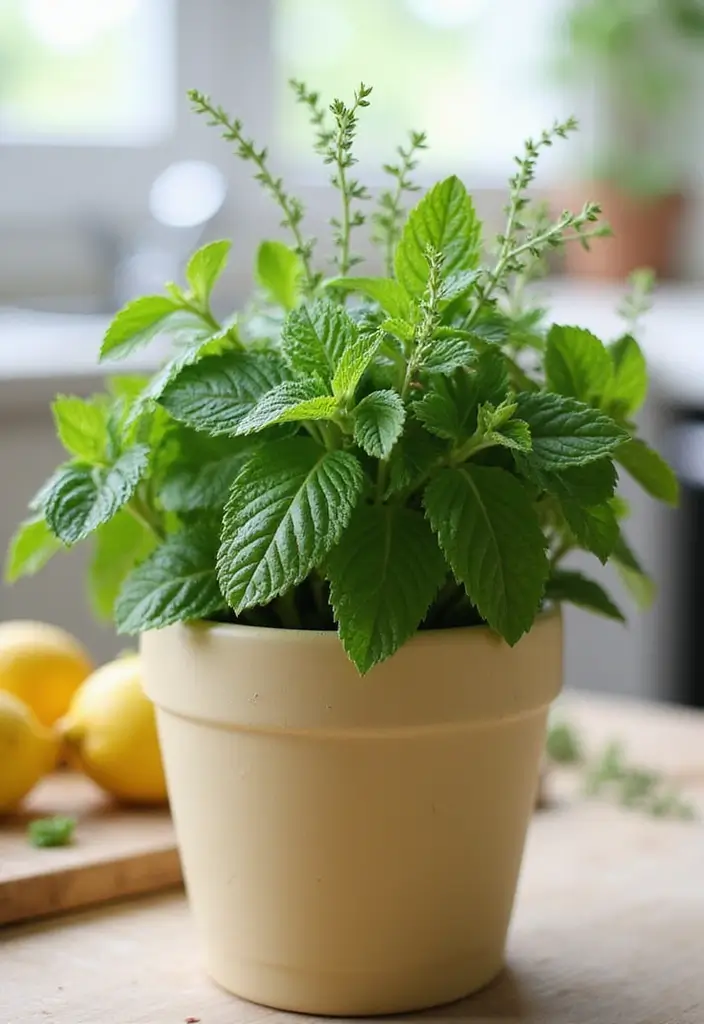
Mint and lemon thyme create a refreshing pairing that can brighten up any dish or drink.
Mint offers a cool flavor, while lemon thyme adds a zesty, citrusy note to your culinary creations.
They both prefer well-drained soil and enjoy similar sunlight, making them perfect for growing together in a pot.
This duo is ideal for refreshing teas, cocktails, and salads, providing a flavorful twist that delights the palate.
Just be mindful of mint’s tendency to spread, and consider using a divider in your pot to keep it in check.
Elevate your dishes with the perfect herb pairing! Mint’s coolness meets lemon thyme’s zesty punch, creating a refreshing twist for your teas and salads. Get ready to invigorate your kitchen garden!
15. Rosemary and Sage

Rosemary and sage are an aromatic pairing that works beautifully together in savory dishes.
Rosemary has a bold, woody flavor, while sage adds a warm, earthy note, perfect for hearty meals.
They thrive in similar conditions and can be planted together in a pot, benefiting from each other’s growth.
Use them for seasoning meats, stews, and casseroles, enhancing the flavors with their unique aromas.
This combination not only tastes great but also adds a decorative touch to your indoor garden.
16. Tarragon and Mint
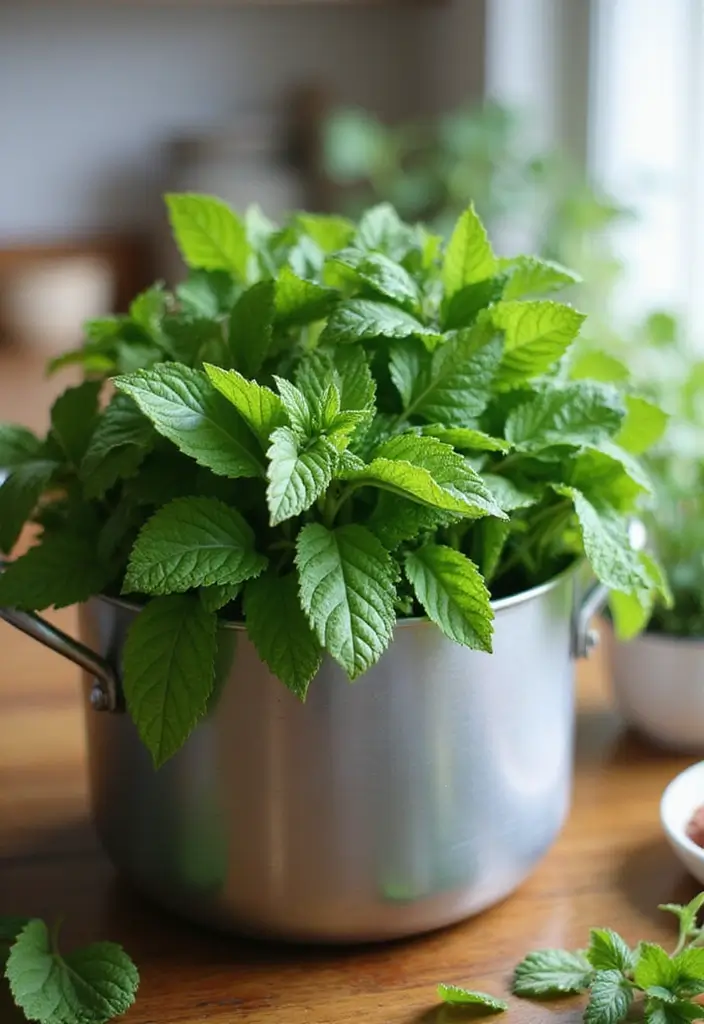
Tarragon and mint provide a unique flavor combination that’s perfect for summer dishes.
Tarragon has a slightly sweet, anise-like flavor, while mint brings a cool freshness to the mix.
They can thrive in a shared pot, enjoying similar watering and sunlight needs.
Use them in salads, dressings, and sauces to brighten up your meals.
This pairing is also fantastic for enhancing cocktails and refreshing drinks, making your summer gatherings even more enjoyable.
17. Thyme and Basil

Thyme and basil together create a classic, aromatic pairing that enhances countless dishes.
Basil adds a sweet and aromatic flavor, while thyme brings earthiness and depth.
Both herbs enjoy similar growing conditions, thriving easily when planted in a shared pot.
They can be used together in pasta sauces, marinades, and grilled vegetables, brightening your meals with fresh flavors.
This combination is not just tasty but also visually appealing, creating a beautiful display in your kitchen.
18. Dill and Fennel
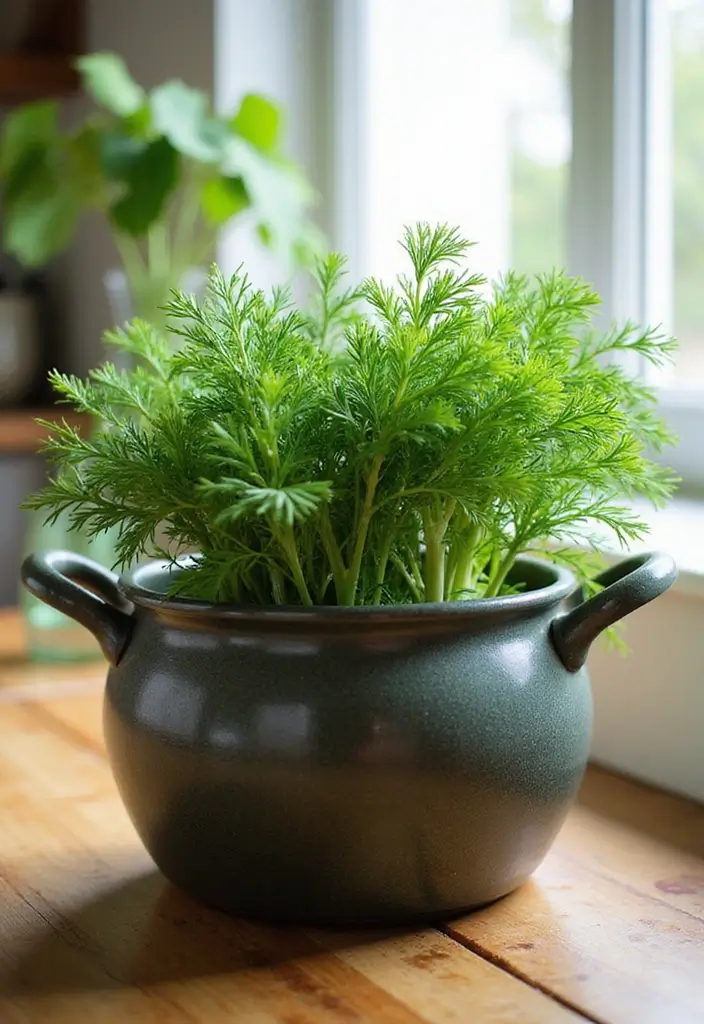
Dill and fennel are both aromatic herbs that complement each other nicely, offering a unique flavor experience.
Dill has a fresh, grassy flavor, while fennel adds a sweet, anise-like taste.
They can thrive well together in a pot, sharing similar requirements for sunlight and well-drained soil.
This duo is perfect for fish dishes, salads, and pickling recipes, adding a distinct touch to your culinary creations.
Their combined aromas can fill your kitchen with a delightful fragrance.
When dill meets fennel, magic happens! This aromatic duo not only thrives together but also elevates your culinary creations with their delightful flavors. Bring the essence of an aromatic kitchen garden to your home!
You Might Also Like


19. Cilantro and Basil
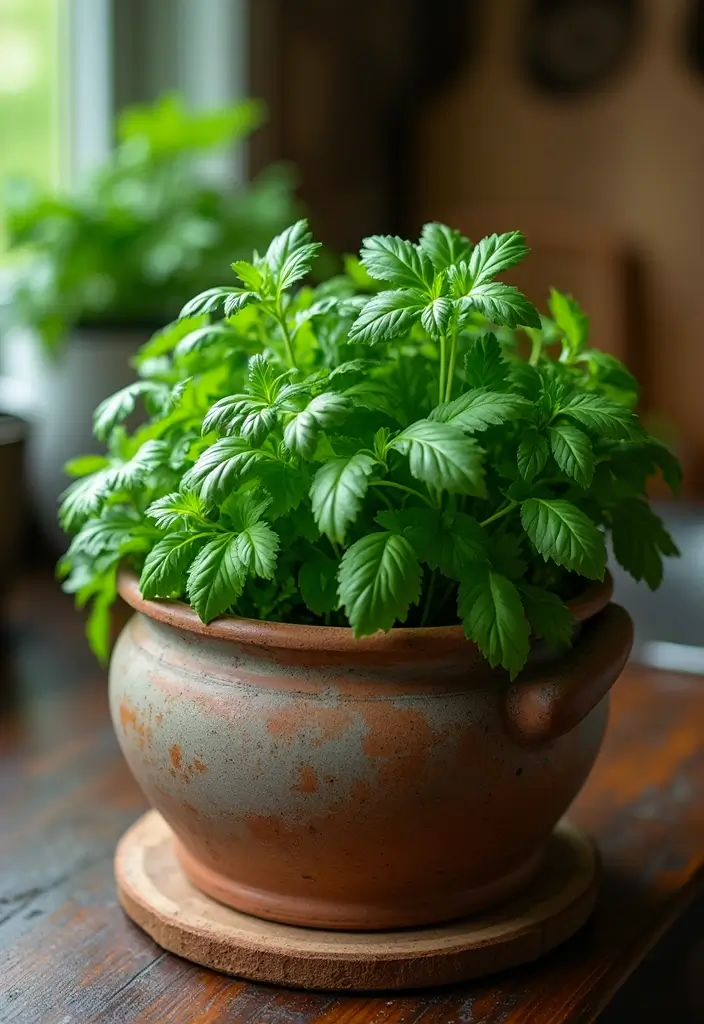
Cilantro and basil offer a dynamic flavor pairing that’s perfect for a variety of dishes.
Cilantro’s bright flavor complements the sweet, aromatic notes of basil, making them an excellent match.
Plant them together in a pot, and they’ll thrive in similar sunlight and watering conditions.
Use them in salsas, curries, and fresh salads to elevate your meals.
This combination is also visually stunning, adding vibrant greens to your indoor garden.
Elevate your culinary creations with the perfect herb pairing! Cilantro and basil not only thrive together, but they also bring vibrant flavors and aromas that transform any dish into a masterpiece.
20. Rosemary and Thyme

Rosemary and thyme create an irresistible pairing that’s perfect for savory dishes.
Rosemary brings a bold, robust flavor, while thyme offers a subtle herbaceous note.
These herbs enjoy similar growing conditions, making them an effective duo in a pot.
They work wonders in roasted dishes, soups, and marinades, enriching your meals with their aromatic profiles.
Plus, their beautiful green foliage adds a lovely aesthetic to your indoor garden.
21. Parsley and Chives
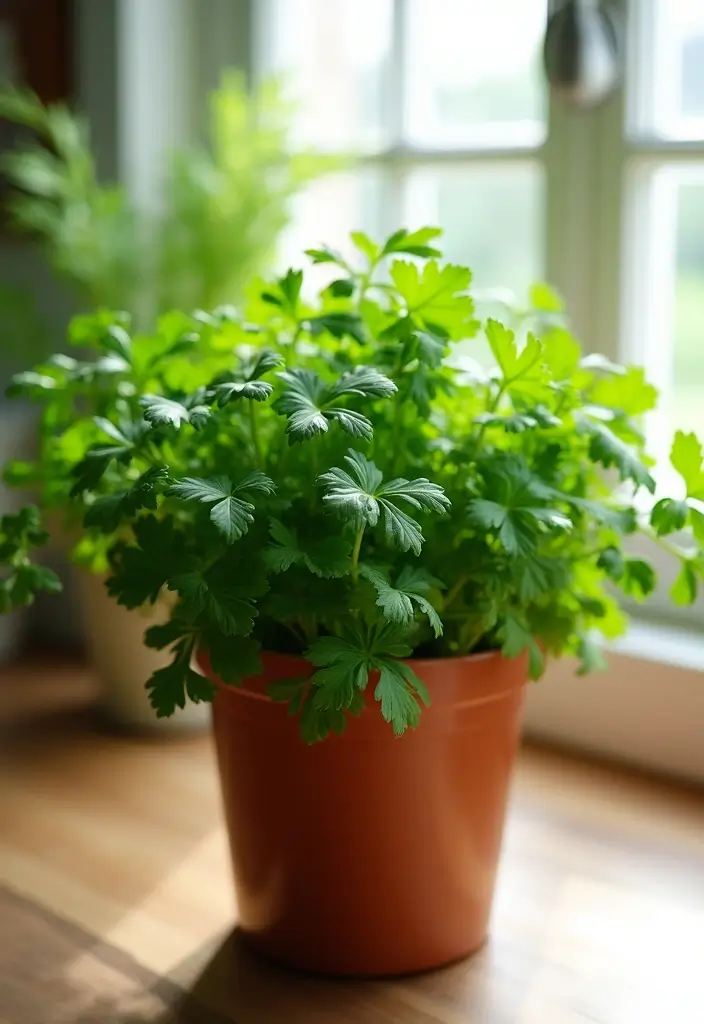
Parsley and chives make an excellent pairing, both offering a fresh and mild flavor that brightens any dish.
Parsley adds a slightly peppery taste, while chives bring mild onion notes to the table.
These herbs thrive alongside each other in a shared pot, enjoying similar sunlight and watering needs.
Utilize them in salads, dressings, and as garnishes to enhance your meals.
This duo will not only elevate the flavors but also add a vibrant touch to your kitchen garden.
Freshen up your kitchen garden with the perfect herb pairing! Parsley and chives not only elevate your dishes but also thrive together, making your meals and your garden flourish.
22. Bay Leaf and Thyme
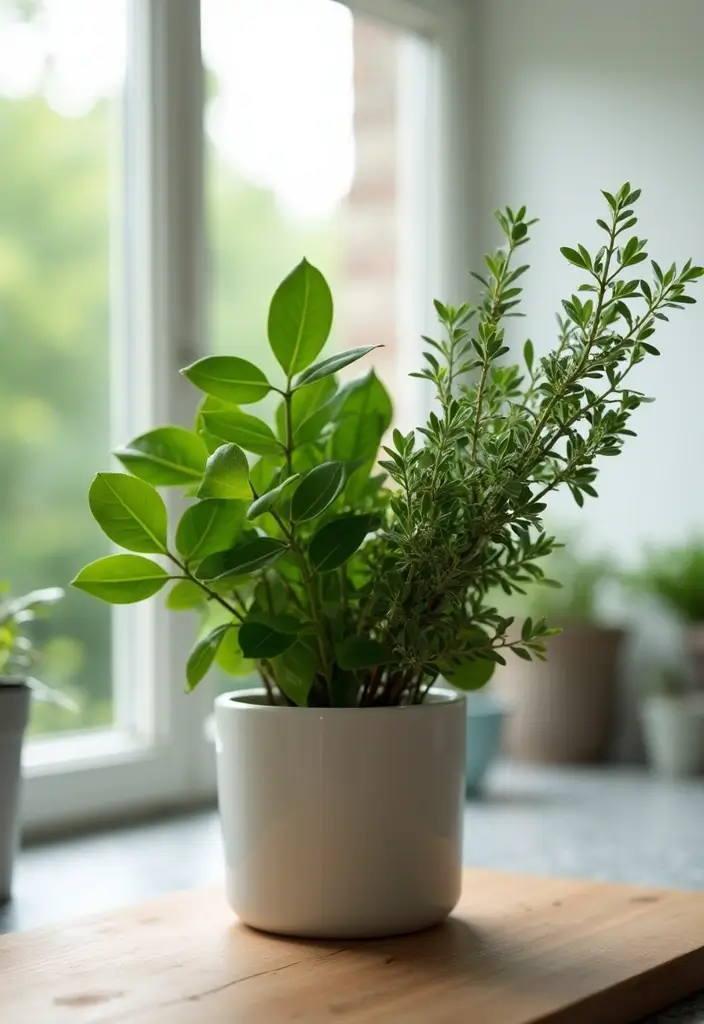
Bay leaf and thyme together create a classic herb combination that enhances a variety of dishes.
Bay leaf provides a subtle background note, while thyme adds depth and richness to your meals.
They grow well together in a pot, sharing similar sunlight and watering preferences.
Use them in soups, stews, and sauces to create rich, flavorful dishes.
This pairing is also visually appealing, adding a touch of elegance to your indoor garden.
23. Anise and Dill
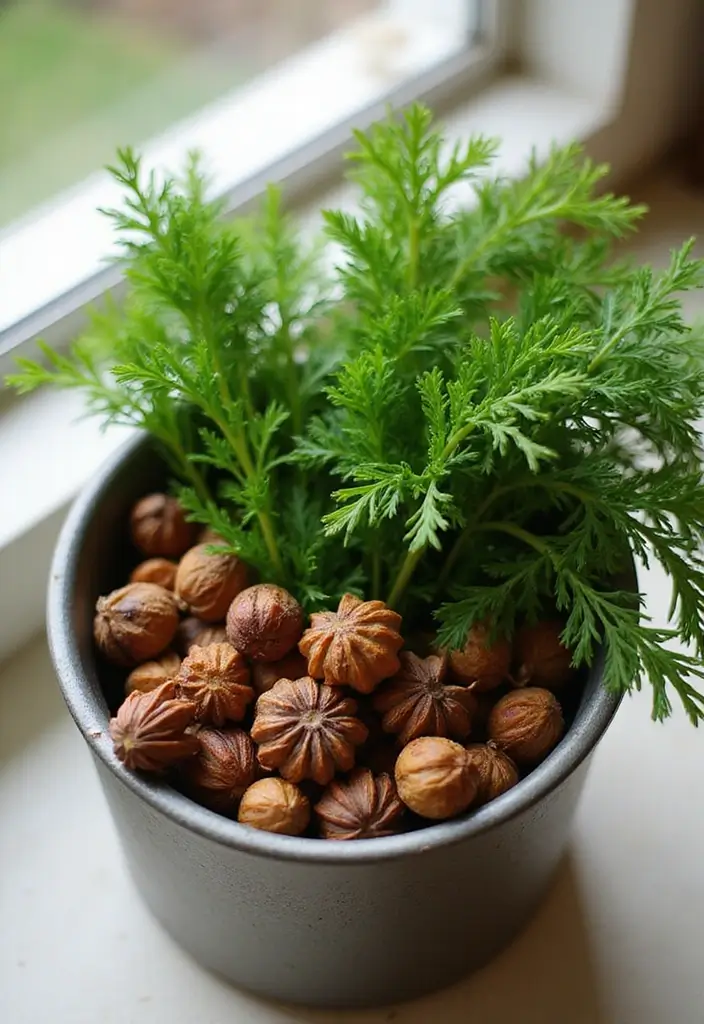
Anise and dill create a wonderful taste combination, bringing together sweet and savory notes.
Anise has a distinct sweet flavor, while dill adds a fresh, grassy note.
These herbs can thrive together in a pot, sharing similar sunlight and watering needs.
Use this aromatic duo in fish dishes, salads, and pickling recipes to enhance flavors significantly.
Bringing them together in your indoor garden will not only be beneficial in the kitchen but also visually appealing.
24. Lemon Balm and Basil
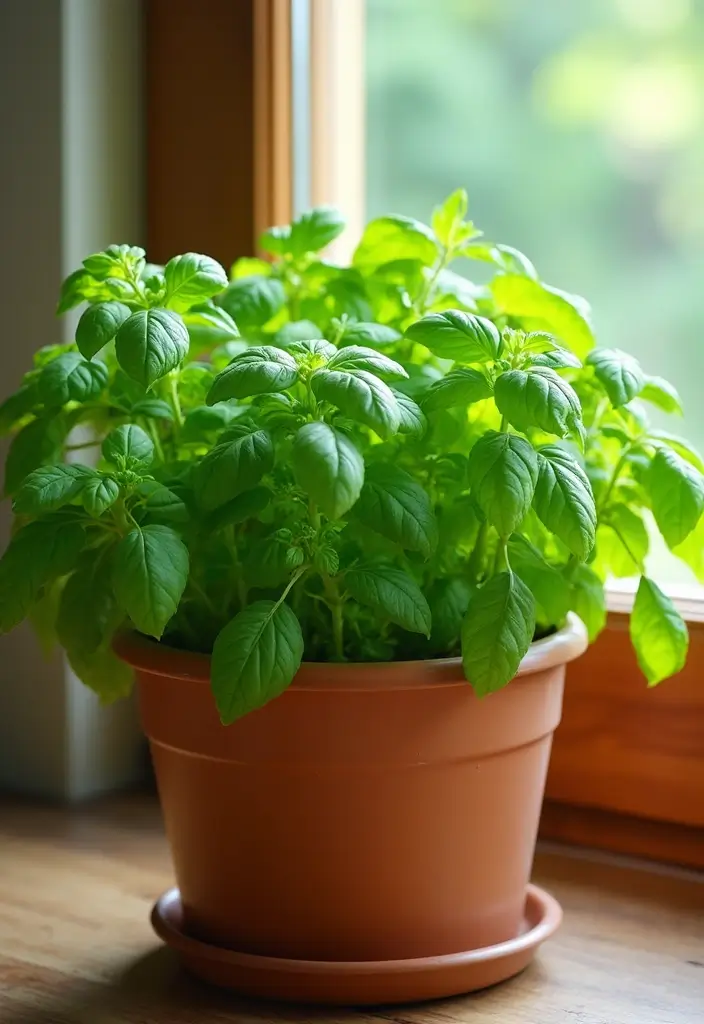
Lemon balm and basil offer a bright, refreshing pairing that’s perfect for a variety of dishes and drinks.
Lemon balm brings a zesty citrus flavor, while basil adds sweetness and aroma.
They thrive together in pots, enjoying similar growing conditions.
This duo is great for enhancing teas, salads, and summer dishes, providing a refreshing touch.
Their combined aromas create an inviting atmosphere in your kitchen.
25. Chives and Parsley
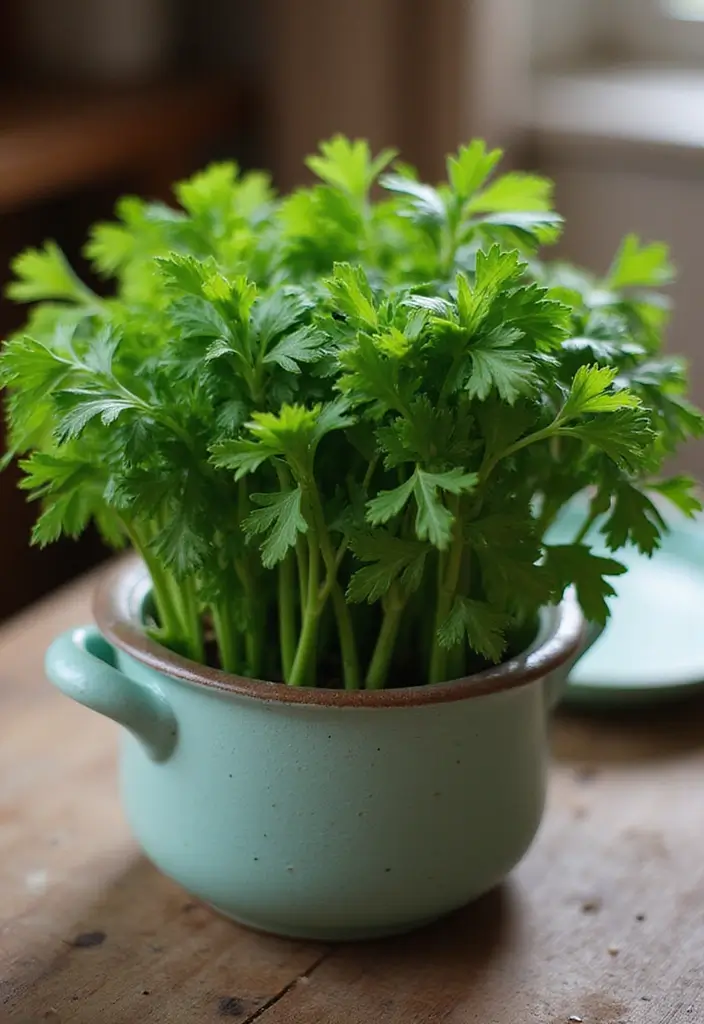
Chives and parsley are a classic pairing, offering mild onion and peppery flavors that brighten a variety of dishes.
These herbs can easily coexist in a single pot, sharing similar growing conditions.
Use them together in salads, soups, and as garnishes for your meals.
This combination is perfect for adding freshness to your kitchen garden while keeping it simple and easy to maintain.
They also make a lovely visual display, adding greenery to your indoor gardening space.
Conclusion
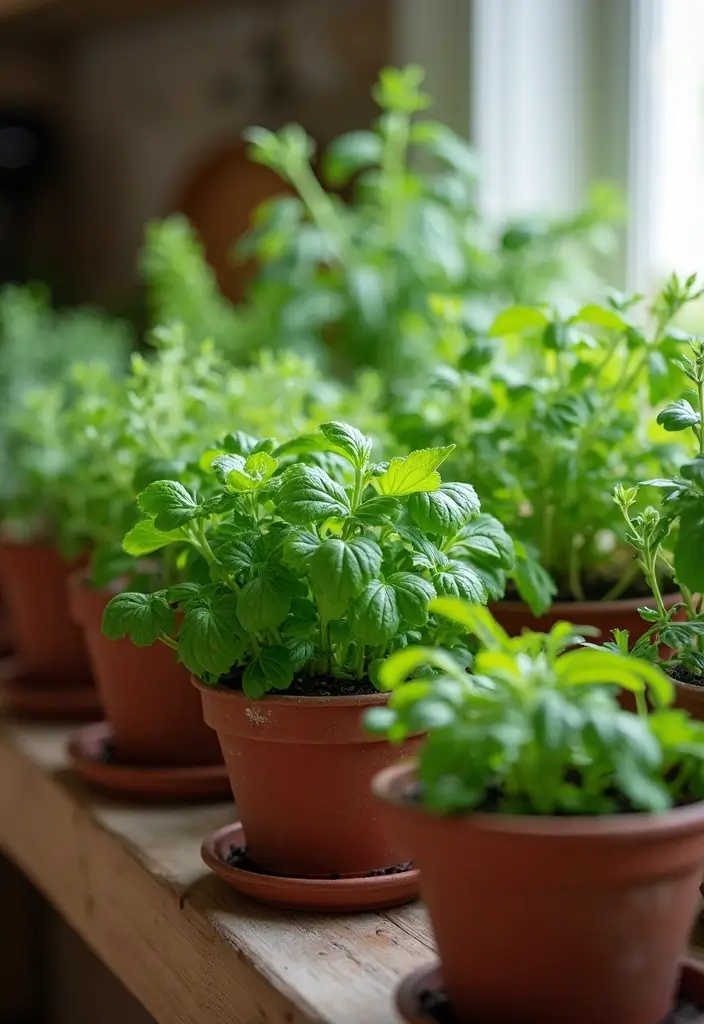
Creating an aromatic kitchen garden with these herb pairings not only enhances your cooking but also brings a touch of nature indoors.
From savory to zesty, these combinations will inspire your culinary adventures and keep your dishes fresh and flavorful.
So why not start your indoor herb garden today and experience the joy of growing your own herbs?
Frequently Asked Questions
What are the benefits of growing herbs indoors?
Growing herbs indoors can transform your kitchen into a fragrant haven while also providing fresh ingredients for your meals.
Besides enhancing your culinary skills, indoor herbs can purify the air and add a touch of nature to your home. Plus, having your own aromatic kitchen garden means you can enjoy the freshest flavors right at your fingertips!
How do I choose the right pots for my indoor herb pairings?
Choosing the right pots is crucial for successful indoor herb gardening. Make sure to select pots with good drainage to prevent waterlogging.
For pairing herbs, consider the size of the herbs and their growth habits. Group herbs with similar light and water requirements to ensure they thrive together in a single pot.
Can I grow herbs from grocery store cuttings?
Absolutely! Herbs like basil, mint, and cilantro can often be grown from cuttings. Just place the stems in a glass of water until roots develop, then transplant them into soil.
This is a fun and economical way to start your indoor herb garden, plus it gives you a sense of accomplishment as you watch them flourish!
What are the best companion planting practices for indoor herbs?
Companion planting is all about pairing herbs that support each other’s growth. For instance, basil and tomatoes thrive together, as do mint and rosemary.
When planning your indoor pots, consider herbs that have compatible water, light, and nutrient needs to ensure a healthy and productive garden.
How often should I water my indoor herbs?
Watering frequency depends on the type of herbs and their growing conditions. Generally, indoor herbs prefer moist soil but should not be waterlogged.
A good rule of thumb is to check the top inch of soil—if it feels dry, it’s time to water. Always ensure your pots have proper drainage to keep your herbs healthy and thriving!
Related Topics
indoor gardening
herb pairing
companion planting
aromatic herbs
small space gardening
beginner friendly
kitchen garden
potted herbs
edible plants
fragrant herbs
DIY herb garden
herb combinations
Leave a Reply