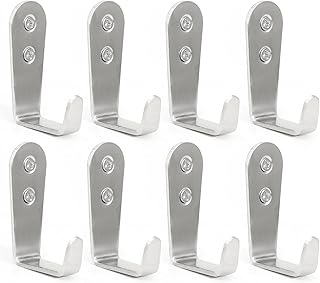
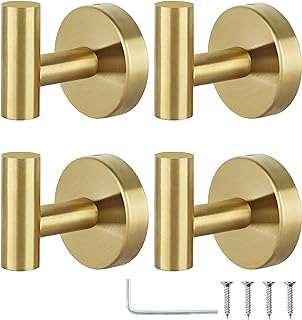
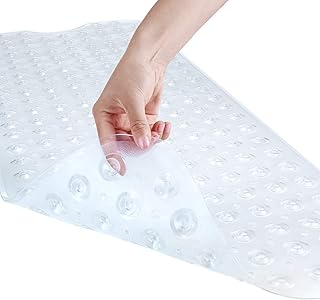
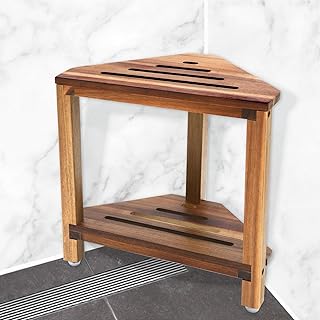
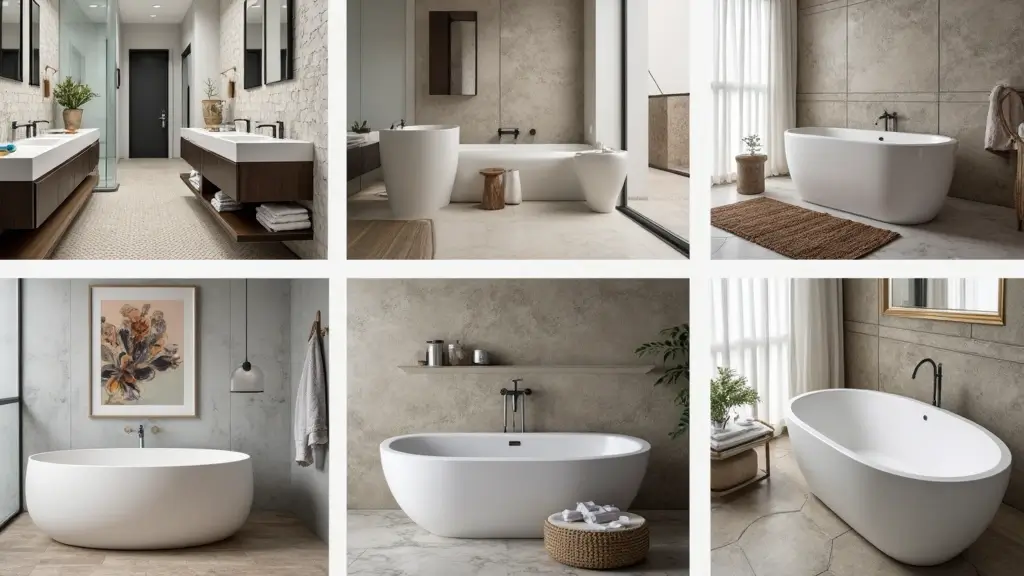
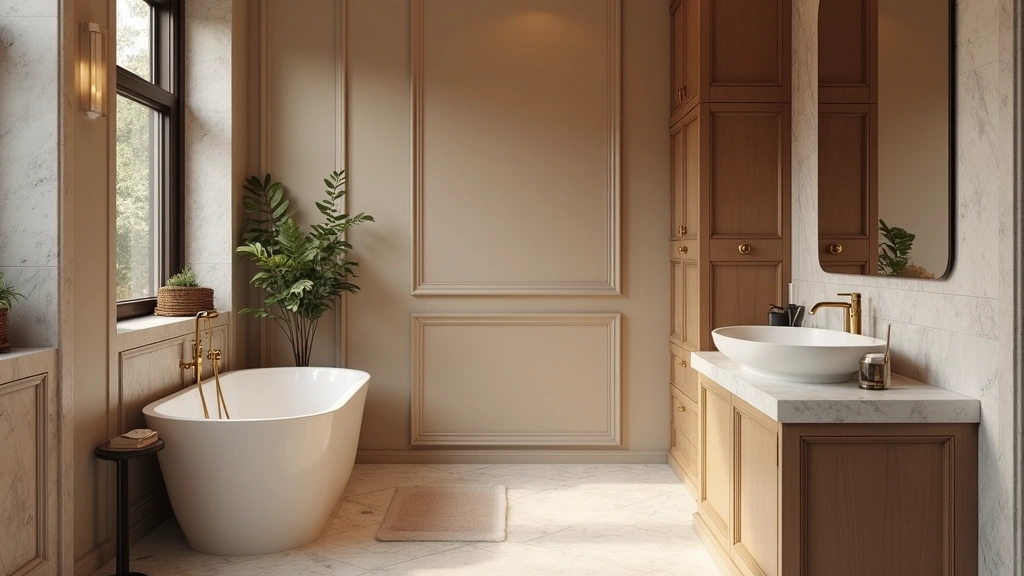
Transform your bathroom into a stunning oasis without breaking the bank! Start by painting the walls and cabinets in soothing colors to create an inviting atmosphere. Upgrade your fixtures for a modern touch and consider affordable vinyl flooring for a stylish base. Don’t forget to add eco-friendly updates like low-flow faucets. With smart technology and seasonal decor, you’ll elevate both form and function. Discover more tips and tricks to leave your guests speechless!
Key Takeaways
Refresh walls and cabinets with moisture-resistant paint in neutral shades for a stylish and airy atmosphere without breaking the bank.
Upgrade fixtures to modern styles in matte black or brushed nickel, enhancing both aesthetics and functionality at a reasonable cost.
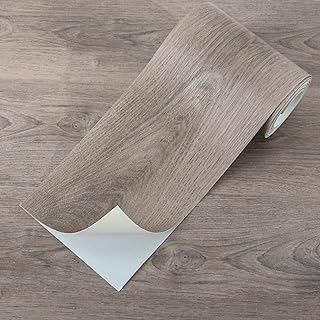
Utilize budget-friendly flooring options like vinyl or peel-and-stick tiles to transform the space affordably and effortlessly.
Add smart storage solutions such as floating shelves and over-the-toilet units to declutter while maximizing space efficiently.
Incorporate eco-friendly updates like low-flow fixtures and energy-efficient lighting to save costs and promote sustainability in your bathroom.
1. Paint the Walls and Cabinets
When you think about transforming your bathroom, painting the walls and cabinets is one of the most impactful and budget-friendly options.
Imagine enveloping the space in soft gray or warm beige to create a welcoming atmosphere, where you can unwind after a long day. These neutral shades enhance openness, making even the smallest bathroom feel airy.
Envelop your bathroom in soft gray or warm beige, creating a serene haven to unwind and breathe freely.
Alternatively, if you want to make a statement, consider a striking navy feature wall that exudes sophistication.
Revitalizing your cabinets with a fresh coat of moisture-resistant paint not only rejuvenates their textures but also aligns with color psychology, fostering a sense of calm.
Embrace this DIY project, and watch your bathroom evolve into a sanctuary that invites you to belong.
2. Upgrade Your Fixtures
Upgrading your bathroom fixtures is a transformative step that not only elevates the space’s style but also enhances its functionality.
Imagine sleek, brushed nickel faucets or bold matte black showerheads that reflect the latest fixture trends. These stylish upgrades can create a modern oasis, making your bathroom feel like a retreat.
Plus, opting for WaterSense-labeled fixtures can save your family around 2,700 gallons of water annually, benefiting both the environment and your utility bills.
Don’t overlook the power of small updates, like chic cabinet hardware and trendy towel bars, to unify your design.
With faucet replacements typically costing between $225 and $850, investing in these stylish touches is a smart choice for a refreshed, inviting bathroom.
3. Refinish Your Bathtub
If your bathtub’s seen better days, refinishing might just be your secret weapon for a stunning transformation.
Not only is it a cost-effective way to breathe new life into your space, but choosing the right finish can elevate your bathroom’s style while enhancing hygiene.
Let’s explore how professional refinishing can turn your tired tub into a sparkling centerpiece without breaking the bank.
Cost-Effective Refinishing Process
While you might think replacing your old bathtub is the only way to achieve a fresh look, refinishing offers a budget-friendly alternative that can breathe new life into your bathroom.
With a cost typically ranging from $336 to $629, you can enjoy stunning results without breaking the bank.
Consider these refinishing techniques for a successful transformation:
Repair any surface damage to guarantee a smooth foundation.
Apply a high-quality coating** for a brand-new appearance that lasts.
Invest in proper bathtub maintenance to keep your refinished tub looking pristine for years.
Embracing this process not only enhances your space but also extends the life of your bathtub, creating a welcoming retreat for you and your loved ones.
Benefits of Professional Services
When you choose professional services to refinish your bathtub, you’re not just opting for a quick fix; you’re investing in a transformative experience that elevates your entire bathroom.
With expert advice and professional quality, you can breathe new life into your tub, extending its lifespan for years.
Imagine stepping into a beautifully refinished bathtub that looks brand new, all without the hefty price tag of a full replacement.
Professionals use high-quality materials that resist bacteria and limescale, ensuring your space remains both stunning and hygienic.
Plus, by leaving it to the experts, you avoid common DIY pitfalls, guaranteeing a flawless finish that turns your bathroom into a sanctuary you’ll be proud to show off.
Choosing the Right Finish
Choosing the right finish for your bathtub can make all the difference in transforming your bathroom into a luxurious retreat.
With a variety of finish types and color options available, you can create the perfect atmosphere that reflects your personal style. Here are a few things to take into account:
Durability: Opt for a finish that’s resistant to bacteria and limescale, ensuring longevity.
Aesthetics: Choose a color that complements your bathroom decor, whether it’s a classic white or a bold hue.
Maintenance: Select a finish that’s easy to clean, making your bathroom a welcoming space.
Investing in professional refinishing not only enhances beauty but also adds value to your home.
Your dream bathroom is within reach—let your creativity shine!
4. Install Affordable Flooring
Transforming your bathroom on a budget starts with the right flooring, and there are plenty of affordable options that can elevate your space without breaking the bank. Consider budget-friendly materials like vinyl flooring and peel-and-stick tiles. Vinyl, priced between $2 to $7 per square foot, mimics natural materials while being durable and water-resistant. Meanwhile, peel-and-stick tiles offer an easy DIY installation, perfect for a quick refresh.
Flooring Type
Cost Per Square Foot
Vinyl Flooring
$2 – $7
Peel-and-Stick Tiles
$1 – $5
Refinishing Wood
$3 – $8
Light-Colored Options
Varies
Choose light colors to create an illusion of space, making your bathroom feel inviting and open.
5. Change the Lighting
Transforming your bathroom’s lighting can create an inviting oasis right at home.
Swap out those harsh fixtures for warm, soft lights, and consider adding dimmer switches to set the perfect mood for any moment.
With a little creativity, you can turn functional lighting into a stunning design feature that enhances your space.
Upgrade Light Fixtures
Light fixtures play a pivotal role in setting the mood of your bathroom, turning a mundane space into a sanctuary. Upgrading your fixtures can transform harsh lighting into a warm, inviting glow.
Choose from various modern styles and fixture materials that reflect your personality. Here are some ideas to inspire your makeover:
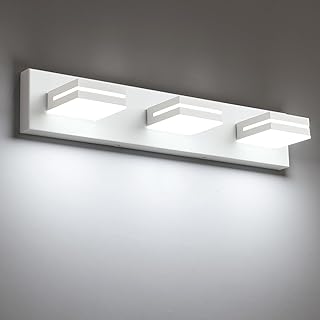
Replace outdated fixtures with sleek, energy-efficient LED options.
Add decorative sconces or stylish vanity lights for both functionality and flair.
Consider a statement piece that acts as a focal point, elevating your entire design.
With costs ranging from $30 to $400, you can create an ambiance that welcomes you home every day while enjoying long-term savings on your electricity bills.
Embrace the change!
Add Dimmer Switches
Upgrading your bathroom lighting can set the stage for a whole new experience, and adding dimmer switches takes that to the next level.
With dimmer benefits like adjustable brightness, you can create a cozy atmosphere for relaxing baths or bright lighting for morning routines. Plus, they save energy and extend your bulbs’ lifespan, keeping your space efficient and cost-effective.
Installation tips? It’s often a DIY project; just make certain you turn off the power first! Costs range from $30 to $100, depending on your choice.
Imagine transforming your bathroom into a haven that adapts to your mood, inviting you to unwind or energize as needed. You deserve a space that feels just right for you.
Incorporate Ambient Lighting
While you mightn’t think of your bathroom as a place for creativity, incorporating ambient lighting can elevate its atmosphere into something truly inviting.
By embracing ambient light layering, you can transform your space into a sanctuary of relaxation and practicality.
Consider these elements for your upgrade:
Dimmable lights: Adjust brightness for a cozy vibe or bright illumination for grooming tasks.
Stylish sconces: Position them near mirrors for both function and flair, adding warmth and sophistication.
Modern fixtures: Choose trendy finishes like matte black or brushed nickel to serve as striking focal points.
With these thoughtful touches, your bathroom won’t only function beautifully but also feel like a welcoming retreat you’ll love spending time in.
6. Add New Hardware
Transforming your bathroom doesn’t always require a full renovation; sometimes, just adding new hardware can work wonders.
By replacing towel bars, hooks, and holders with modern designs, you can achieve a stunning transformation without breaking the bank—often for under $100.
Embrace hardware trends like brushed nickel, matte black, or brass to breathe contemporary life into outdated fixtures. Choose pieces that complement your faucets and lighting, creating a cohesive look that elevates your space.
Opt for stylish hardware sets, which save time and guarantee a unified aesthetic.
These small updates deliver a significant visual impact, making them one of the most cost-effective ways to refresh your bathroom.
You’ll love how inviting and stylish your space feels!
7. Create More Storage
Creating more storage in your bathroom can dramatically enhance both its functionality and aesthetic appeal.
Enhancing bathroom storage elevates both its function and beauty, transforming your space into an organized oasis.
With a few clever additions, you can transform your space into an organized haven. Consider these budget-friendly options:
Floating shelves: These not only create vertical storage but also showcase decorative items, making your bathroom feel more open.
Over-the-toilet storage: Utilize that often-wasted space to store toiletries and towels efficiently.
Stylish baskets: They help declutter while adding a chic touch to your decor.
Don’t forget about corner shelves to maximize unused areas and a shower caddy to keep bath products organized and accessible.
Embrace these ideas, and watch your bathroom become a sanctuary of style and order!
8. Refresh Your Bathroom Walls
Ready to breathe new life into your bathroom?
Painting your walls with mold-resistant hues or choosing vibrant ceramic tiles can instantly elevate your space without breaking the bank.
And if you’re feeling adventurous, consider adding some stylish moisture-resistant wallpaper to showcase your personality!
Paint Options and Techniques
A fresh coat of paint can work wonders in your bathroom, breathing new life into the space without breaking the bank.
With color psychology in mind, choose shades that resonate with you. Consider:
Neutral tones like soft gray or beige to make small bathrooms feel larger.
Bold colors such as navy blue or forest green for a striking feature wall.
Decorative techniques like stenciling or paneling to add depth.
Selecting durable paint finishes, particularly mold-resistant options, guarantees your updates last in moisture-prone areas.
And don’t forget to refresh those cabinets! Painting them can offer a chic look for a fraction of the cost of replacements.
Transform your bathroom into a sanctuary you’ll love returning to every day!
Tile and Wallpaper Choices
After giving your bathroom a fresh coat of paint, it’s time to explore how tile and wallpaper can further elevate the space.
Consider ceramic wall tiles, which offer affordable elegance with a variety of colors and shapes, perfect for your unique style. You can also choose moisture-resistant vinyl wallpaper, bringing in rich textures that breathe life into your walls.
A bold feature wall, adorned with striking tile patterns or wallpaper, can become the heart of your bathroom, creating a stunning focal point.
To foster a welcoming atmosphere, incorporate calming shades like pale green or lilac that complement natural light beautifully.
These choices not only refresh your bathroom but also make it a space where you truly belong.
9. Upgrade Your Bathroom Storage on a Budget
While you may think a bathroom makeover requires a hefty budget, upgrading your storage can be both stylish and affordable.
You can transform your space with simple changes that enhance organization and aesthetics. Consider these ideas:
Install open shelving** to showcase decorative items while maximizing storage.
Add storage baskets** to neatly tuck away toiletries, keeping your countertops clutter-free.
Upgrade cabinet hardware for an instant style boost without breaking the bank.
Each of these options provides a unique way to blend functionality with beauty, making your bathroom feel more inviting.
With a little creativity, you can create a space that not only meets your storage needs but also reflects your personal style.
Embrace the possibilities!
10. Affordable Bathroom Fixture Updates
Transforming your bathroom doesn’t stop at storage; updating fixtures can elevate the entire look and feel of the space. Choosing the right faucet styles or showerhead options can be a game-changer. Imagine a sleek, modern faucet that catches the eye or a luxurious showerhead that turns your daily routine into a spa-like experience.
Here’s a quick guide to inspire your choices:
Fixture Type
Price Range
Stylish Faucets
$225 – $850
WaterSense Showerheads
$25 – $200
Creative Lighting
$30 – $400
Towel Warmers
$50 – $300
Bathtub Refinishing
$350 – $650
These updates create an inviting atmosphere, making your bathroom a true retreat.
11. Cost-Effective Flooring Options
When you’re ready to give your bathroom a fresh look, selecting the right flooring can make all the difference.
Embrace cost-effective options that not only enhance beauty but also fit your budget. Consider these choices:
Explore affordable options that elevate your bathroom’s style while staying within budget. Discover your perfect flooring solution today!
Vinyl flooring: With prices ranging from $2 to $7 per square foot, it boasts durability and water resistance—perfect for bathrooms.
Peel-and-stick tiles: These DIY-friendly gems allow you to add style without hiring a pro, making transformation fun and accessible.
Painted floors: Revitalize existing surfaces with a splash of color for minimal expense, giving your space a vibrant new feel.
You’ll create a welcoming atmosphere while enjoying the vinyl advantages and the ease of peel-and-stick solutions.
Your dream bathroom makeover is closer than you think!
12. Budget-Friendly Decorative Touches
To elevate your bathroom’s charm without breaking the bank, consider incorporating decorative touches that reflect your personal style.
Start with plant choices like snake plants or pothos—these low-maintenance beauties not only look great but also boost air quality.
Next, refresh your space with vibrant towel colors that pop, creating a cheerful atmosphere.
Don’t underestimate the power of new shower options; a stylish curtain can dramatically shift your bathroom’s vibe.
Use decorative trays to organize toiletries, adding a touch of elegance while keeping things tidy.
Finally, embrace seasonal decor with themed artwork or candles, making your bathroom feel inviting and fresh year-round.
These simple yet effective changes can make a world of difference in your space!
13. Creative DIY Projects
Five creative DIY projects can breathe new life into your bathroom, making it not only more functional but also uniquely yours.
Embrace your inner artist and transform your space with these inspiring ideas:
Craft a DIY wall art display** using framed photos or affordable prints that reflect your personality.
Build custom shelving** from reclaimed wood**, maximizing storage while adding rustic charm.
Refinish old furniture like a vintage vanity with fresh paint or stain for a chic upgrade.
These projects not only provide a fresh look but also imbue your bathroom with a sense of belonging.
Immerse yourself in these DIY adventures and watch your space flourish with creativity and style!
14. Enhance Bathroom Functionality
Enhancing your bathroom’s functionality can transform it from a mere necessity into a haven of efficiency and comfort. By integrating space-saving solutions, you’ll create a sanctuary that meets your needs while maximizing every inch. Consider adding hooks for towels and robes to utilize vertical space, and install a toilet tank tray to keep essentials organized. Multi-functional furniture, like storage ottomans, can serve dual purposes of seating and storage. Additionally, creating a niche in the shower for toiletries guarantees everything’s within reach. Here’s a quick overview of functional designs to elevate your space:
Solution
Benefit
Hooks for towels
Maximizes vertical space
Toilet tank tray
Organizes bathroom necessities
Storage ottomans
Offers seating and storage
Shower niche
Keeps products organized
15. Eco-Friendly Updates
When you consider updating your bathroom, imagine how easy it can be to make eco-friendly choices that not only elevate your space but also benefit the planet.
With a few thoughtful updates, you’ll embrace sustainability while creating a serene retreat.
Install low-flow fixtures to cut water usage by up to 60%.
Choose recycled materials for tiles and countertops, adding character while promoting waste reduction.
Opt for energy-efficient LED lighting, saving up to 75% on electricity bills.
16. Smart Technology Integration
Imagine stepping into a bathroom that seamlessly blends modern convenience with personal comfort, where smart technology transforms your daily routine into a delightful experience.
With a smart mirror featuring built-in lighting and anti-fog technology, your mornings become more efficient and enjoyable.
Experience a seamless morning routine with a smart mirror that enhances efficiency and enjoyment with built-in lighting and anti-fog features.
Picture adjusting the ambiance with smart lighting systems, altering brightness and color temperature through a simple voice command or smartphone app.
Imagine a smart showerhead that perfectly regulates water temperature, promoting comfort while conserving water.
Plus, with voice-controlled devices, you can effortlessly play your favorite tunes or set timers, keeping your hands free.
To top it off, digital scales provide insights into your wellness journey, supporting a holistic approach to health.
Welcome to your smart sanctuary!
17. Seasonal Updates
Refresh your bathroom with seasonal updates that effortlessly breathe new life into your space.
Embrace the changing seasons with small, budget-friendly touches that create a cozy and inviting atmosphere.
Here are a few ideas to spark your creativity:
Swap out your towels for fresh colors and styles that reflect seasonal themes.
Update your shower curtain with vibrant patterns that celebrate the time of year.
Add festive decor like candles or seasonal plants to enhance the ambiance.
18. Focus on Accessibility
Creating an accessible bathroom isn’t just about safety; it’s about fostering independence and comfort for everyone who uses the space. By incorporating thoughtful design, you can create a sanctuary that welcomes all. Here are some budget-friendly upgrades:
Upgrade
Benefit
Grab Bars
Enhance safety, support mobility aids
Comfort Height Toilet
Eases sitting and standing for seniors
Non-Slip Mats
Reduces risk of slips and falls
Walk-In Showers
Provides easy access without tub edges
These simple changes can transform your bathroom into an oasis of accessibility. With accessible design, you empower loved ones to feel secure and confident, promoting a sense of belonging for every user. Embrace these upgrades and celebrate the freedom they bring!
Frequently Asked Questions
What Are the Most Cost-Effective Paint Colors for Small Bathrooms?
For small bathrooms, soft neutrals like light gray or beige create a serene atmosphere, while bold accents can inspire. Choose satin finishes for easy cleaning, embracing color psychology to cultivate warmth and belonging in your personal sanctuary.
How Can I Choose the Right Size Mirror for My Bathroom?
To choose the right size mirror, consider your bathroom dimensions. Aim for 60-75% of your vanity’s width and hang it at eye level. Explore various mirror styles to enhance your space’s beauty and charm.
Are There Budget-Friendly Options for Waterproof Bathroom Art?
You’ll love waterproof prints that brighten your shower decor. Consider vinyl decals or art tiles for easy, affordable upgrades. These options let your personality shine without worrying about wear and tear in your bathroom oasis.
What DIY Projects Can I Do With Leftover Materials?
You can create stunning DIY projects with leftover materials! Consider building upcycled furniture from reclaimed wood, crafting decorative wall art, or designing a custom towel rack. These projects will add unique charm and functionality to your space!
How Do I Properly Clean and Maintain Budget Fixtures?
To keep your budget fixtures shining, regularly clean them with vinegar and water. Avoid abrasive cleaners, check seals, and use soft cloths. Incorporate these maintenance tips, and you’ll enjoy a fresh, inviting space for years!
Conclusion
With just a splash of paint and a sprinkle of creativity, you can transform your bathroom into a tranquil haven. Imagine stepping onto fresh, vibrant tiles that warm your feet, or gazing at sleek fixtures that glimmer like jewels. As natural light dances through updated shades, you’ll feel a sense of peace wash over you. Embrace these budget-friendly makeovers, and watch your space bloom into a stunning retreat where every day begins and ends with inspiration.
I put this together because small bedrooms can feel cramped and dull. When space is tight, romance can drift away. I want to help you bring back warmth, light, and a spark with simple, doable ideas that fit real life.
If you’re sharing a cozy room with your partner and you care about comfort, privacy, and little luxuries, this one’s for you. You deserve a space that feels like a hug at the end of a long day, not a squeeze behind a door.
I pulled together 25 small bedroom ideas for couples that are practical and stylish. You’ll discover tips on color palettes, lighting setups, clever storage, and layouts that make the room feel bigger while keeping it intimate.
These ideas work in real homes. You can start this weekend, even on a budget. For example, choose a soft wall color, add a large mirror to bounce light, install floating shelves for surfaces, and pick a bed with built-in drawers.
More than looks, it’s about mood. You’ll layer textures like velvet and linen, toss in cozy throws, and scatter warm lights that glow like a sunset. You’ll plan two nightstands that fit both sides, a rug underfoot to soften the space, and a scent you both enjoy.
By the end, you’ll feel ready to transform your space and fall in love again. This post gives you a clear path you can follow, from quick tweaks to deeper changes. If you want, keep reading and picture how these ideas could fit your own room. You’ll find practical steps you can put into action this week.
If you crave a warmer, more romantic vibe in a small bedroom, a cozy canopy bed can be your best move. Start by wrapping light, sheer fabrics around the bed. This instantly makes the space feel like a private retreat. Stick to white or soft pastels to keep the room airy and open.
Add a soft glow with fairy lights along the top edge of the canopy. The gentle light creates a calm, intimate mood without crowding the room. This setup also gives you a snug nook for late-night reading or a quiet movie with your partner.
Keep the bed frame slim and simple. Let the fabric be the focal point, not a bulky frame. Choose lightweight materials—voile, cotton, or chiffon—for easy care and a breezy feel. Mix textures carefully to add depth without clutter. A smooth cotton sheet, a sheer drape, and a few soft cushions can do the job.
Tips:
– Use lightweight materials to avoid overwhelming the space.
– Experiment with textures to add depth and interest.
– Opt for a slim bed frame that lets the canopy stand out and not compete with it.
1. Cozy Canopy Beds
Editor’s Choice
🛍️
SHA CERLIN Canopy Bed Frame Full Size/Mattress Foundation with Metal Sla…
Is your small bedroom feeling cramped and closed in? Mirrored furniture can be a simple fix. It reflects light, adds depth, and makes the space feel larger without adding clutter for your space.
Choose one or two pieces, not a full mirror wall. A mirrored nightstand and a matching dresser work well beside a cozy bed. Let daylight bounce between surfaces and warm lamps at night to keep the room bright and inviting. Pair these pieces with soft neutrals like warm gray, cream, or pale taupe to maintain an airy feel in your room. A touch of glam—metallic drawer pulls or a beveled edge—adds romance without going overboard.
Keep it practical: clean lines stay elegant, so avoid busy patterns on the walls. Add a soft texture like velvet throw pillows or a silk throw to balance the hard surfaces. Be mindful of scale; too much mirrored shine can feel cold. Use just one or two mirrored pieces to keep the look chic, even in a small space.
Insights:
– Keep the design simple to avoid a cluttered look.
– Pair with soft textures like velvet or silk to soften the surfaces.
– Limit mirrored pieces to one or two for a clean, elegant vibe.
2. Mirrored Furniture
Editor’s Choice
🛍️
Bonnlo 3-Drawer Mirrored Nightstand End Table Bedside Table for Bedroom,…
Small bedrooms can feel crowded. You want a space that feels welcoming for two. Personalized artwork helps you make it yours. A thoughtfully designed gallery wall can showcase photos from your life together and art that fits your shared taste.
Start with a simple plan. Pick a color mood for the room—soft neutrals, calm blues, or warm earth tones. Gather 3 to 5 pieces that echo that mood. Mix frame sizes and textures to keep the wall lively. Add a fabric art piece or a textile wall hanging to soften the look. Repeat colors across pieces so the wall feels tied together. Measure the wall and lay out a pretend grid on the floor before you hang. On a budget, print favorites at home and swap frames for a fresh look.
Suggestions:
– Incorporate prints, paintings, and fabric art to add variety.
– Regularly update your gallery with new memories to keep the space fresh.
– Use command strips for easy hanging and rearranging without wall damage.
If you want a neat layout, try a salon-style grid or a staggered arrangement. Keep the hanging height at or near eye level for the main pieces. Let the art breathe with some negative space to avoid a crowded feel.
3. Personalized Artwork
Editor’s Choice
🛍️
16 PCS Framed Eclectic Wall Art Decor, Modern Maximalist Home Gallery Wa…
If your small bedroom feels crowded, floating shelves can clear space and add charm. These shelves rise off the floor, so you gain room to move and air to breathe. They give you a place for books, plants, photos, or small keepsakes, without piling items on desks or dressers.
Used well, shelves become a soft mood maker. For a romantic touch, add a few candles or small framed pictures of you both together. The glow and the memories brighten the room and the night.
Tips:
– Use light wood s or white finishes to keep the space airy.
– Group items in odd numbers (1, 3, or 5) for balance.
– Place heavier items toward the bottom of the shelf for stability.
– Position shelves at or just above eye level to display art and keep nightstands clear.
– Keep shelf depth shallow so it doesn’t crowd the bed.
– Secure brackets and watch weight limits; use wall anchors if needed.
– Rotate decor with seasons or moods to stay fresh.
Placement ideas and setup
– Install a shelf above each nightstand for easy reach and a neat look.
– Try a small trio along a wall to create a simple gallery feel.
– Pair shelves with a plant or a candle for a soft, continuous rhythm.
4. Floating Shelves
Editor’s Choice
🛍️
HOOBRO Floating Shelves, 15 Inch Wall Shelf Set of 2, Wall Mounted Stora…
Soft color palettes can turn a small bedroom into a cozy retreat. You’ll notice the calm when tones stay soft and even.
Base colors set the mood. Choose warm neutrals like creamy beige, pale dove gray, or light ivory. These shades bounce morning light and keep spaces feeling bigger. Tint walls with blush pink, powder blue, or sage green—colors gentle enough not to shout.
Anchor the look with darker furniture or decor. A coffee-colored nightstand or charcoal accents gives your bed a clear focal point and stops the room from feeling washed out.
Texture is your secret weapon. Layer with soft bedding, a knit throw, and linen pillow covers. The mix of fabrics adds depth and makes the space inviting, especially when you sit up in bed and feel the textures against your skin.
The ceiling plays a small but mighty role. Paint it the same light color as the walls, or a shade even lighter, to make the ceiling feel higher and the room feel airier.
Tips:
– Incorporate a mix of textures to keep the room from feeling flat.
– Use accent colors sparingly for a polished look.
– Don’t forget the ceiling; a light tone can visually lift the space.
Soft color palettes can transform your small bedroom into a cozy retreat. Embrace warm neutrals and gentle hues to create a space where love can blossom and serenity thrives!
5. Soft Color Palettes
Editor’s Choice
🛍️
MUXHOMO 7 Pieces Queen Comforter Set, Soft Bed in a Bag Queen Size, All …
Your bedroom can feel crowded. You want space to breathe and a place for everything. Multi-functional furniture keeps it stylish.
Pick pieces that do more than one job. A bed with built-in storage frees space. A bench at the foot seats you and hides blankets. A wall desk saves space and keeps your routine neat. A nightstand with drawers or a charging station cut cord clutter.
Think modular or foldable for flexibility. A fold-down desk appears when you need it and tucks away when you don’t. A storage ottoman or trunk bench holds pillows, throws, or seasonal clothes. Under-bed bins pull the look together.
Tips to choose and place:
– Match style with utility. Pick wood, metal, or fabric that fits your room.
– Keep scale small. A low-profile bed and slim furniture make the space feel larger.
– Choose light tones or matte finishes to brighten the room.
– Use decorative baskets inside to stay tidy.
Practical planning:
– Measure your space before buying. Leave at least 2 feet to walk around.
– For guests, have one foldable piece ready or a compact sofa bed.
These ideas keep your room tidy and cozy, and your bed feels roomy.
6. Multi-Functional Furniture
Editor’s Choice
🛍️
43″ Folding Storage Ottoman Bench for Living Room, Bedroom, TV Entertain…
Layering textures adds depth and warmth to a small bedroom. You feel the difference the moment you walk in. Start with soft bedding in cotton or linen to set a calm base.
Add a mid layer with throws and blankets in wool or knit. They bring warmth without bulk. Then place pillows in different fabrics and sizes to build a rich, inviting surface. Mix textures like velvet, cotton, faux fur, and even burlap for variety. A plush rug underfoot makes the floor feel soft and welcoming.
Choose curtains or a wall textile with a light texture to soften the light. They also help shape the space. These touches make the room feel layered without looking crowded.
Tips:
– Keep a cohesive color scheme so textures stay connected.
– Pick one statement piece, like an oversized throw or a bold pillow, to anchor the look.
– Vary pillow sizes and shapes for a dynamic, lived-in feel.
Look for budget-friendly options in secondhand shops. A found textile can become a cozy throw with a quick sew. You can swap textures seasonally to refresh the room without big rewrites.
7. Layered Textures
Editor’s Choice
🛍️
Madison Park Essentials Saben Cozy Bed in A Bag Reversible Quilt with Co…
A small bedroom can feel crowded fast. You want life without sacrificing space. Plants give you both. They brighten walls, soften corners, and slow the room’s pace.
Choose easy-care options. Succulents and snake plants handle low light and dry air. They won’t demand daily care. Hanging planters save floor space and bring greenery overhead, which makes the room feel larger.
Plants do more than look nice. They can improve air quality and invite calm. When you tend them together, you turn a simple chore into a shared moment.
Tips to get started:
– Pick pots that fit your decor so the plants feel part of the room, not a mismatch.
– Group plants in odd numbers. They look more natural and balanced.
– Use a plant stand or wall shelves to add height and variety.
Practical setup ideas:
– Place a small trio by the window for good light, with a trailing vine on a wall shelf.
– Water on a simple schedule—once a week for most indoor plants—and let excess water drain away.
– Choose materials that match your style: matte ceramic, woven baskets, or sleek metal.
With a little care, these plants quietly boost romance and comfort in your shared space. You’ll notice the mood lift in days, soon.
8. Plants for Romance
Editor’s Choice
🛍️
Altman Plants, Live Succulent Plants (20 Pack) Assorted Potted Succulent…
Struggling to make a small bedroom feel warm and romantic? Lighting is your secret ally. Choose warm, ambient light instead of harsh overhead bulbs. A soft bedside lamp paired with string lights along the headboard creates a gentle glow you can feel, not just see.
Layering your lighting helps the room breathe. Use a main lamp for bright tasks, a second lower light for mood, and a strip of lights hidden behind curtains or under a shelf to add depth.
Dimmer switches or smart bulbs let you shift from bright morning light to a cozy, candlelit mood in seconds. Aim for warm white, around 2700K to 3000K. It feels inviting without being harsh.
Placement matters in a small room. Put lights at eye level if you can, point lamps toward walls to bounce soft light, and avoid glare on mirrors. Keep surfaces clear to let the glow spread.
Safety and style go hand in hand. LED candles give that romance without the fire risk, and real candles can work if you place them on a stable, heat-safe spot away from fabrics. Choose lamps with soft fabric or paper shades to diffuse light evenly.
Tips:
– LED candles or glow candles for mood without worry
– Lamps with muted shades soften the beam
– Easy controls matter: dimmers or smart bulbs are worth it
– Hide cords and use warm-toned fixtures to keep the look calm
9. Romantic Lighting
Editor’s Choice
🛍️
Vinkor Flameless Candles Battery Operated Candles Real Wax Pillar LED Ca…
Wrap light, sheer fabrics around the bed for a romantic vibe.
$139.94
Voile, cotton, chiffon
Use lightweight materials; experiment with textures.
Mirrored Furniture
Reflects light and adds depth to make the room feel larger.
$85.49 (nightstand)
Mirror, wood
Limit mirrored pieces to one or two.
Personalized Artwork
Gallery wall showcasing photos and art that fits your taste.
$99.99
Frames, prints
Regularly update your gallery.
Floating Shelves
Clear space and add charm with shelves for books and decor.
$29.99
Wood
Use light finishes; group items in odd numbers.
Soft Color Palettes
Warm neutrals and soft hues create a cozy retreat.
$37.99 (comforter set)
Cotton, linen
Incorporate a mix of textures.
Multi-Functional Furniture
Furniture that serves multiple purposes to save space.
Check Price
Wood, metal, fabric
Match style with utility.
Layered Textures
Mix different fabrics for a rich, inviting surface.
$66.99 (quilt)
Cotton, wool, velvet
Keep a cohesive color scheme.
10. Customizable Headboards
A headboard can do more than hide the wall. In a small bedroom, it anchors the bed and sets the mood. A customizable headboard lets your space breathe with your style.
Choose a look that fits your room and budget. Upholstered options feel cozy and quiet. Wooden headboards give clean lines and a natural touch. A DIY version can mix both style and savings. No matter what you pick, make it the room’s focal point.
A headboard can also add storage. Slip in slim shelves or add hooks for robes, hats, or small plants. This small touch keeps the floor clear. It adds a personal story that you share as a couple.
Suggestions:
– Pick colors or patterns that play well with your bedding.
– Try removable covers to swap looks with the seasons.
– Add gentle lighting, like a warm LED strip or a pair of sconces, for drama without glare.
To install, keep it moderate in size. Measure the bed and room height. Mount securely. If you prefer a DIY route, use sturdy plywood and a simple frame; upholster with a comfy fabric and staple it in place.
This upgrade makes a small space feel warm and personal without crowding it.
A headboard isn’t just for looks – it’s your bedroom’s heartbeat! Customize it to reflect your love story and add storage for a clutter-free, cozy retreat.
A small bedroom can feel tight. The right scent can change how you feel in it. Scents drift with the air, mixing with the colors and textures you already see. Candles, diffusers, and potpourri are easy ways to add fragrance without clutter. They let you set a mood you both love.
Pick scents you both enjoy. Gentle lavender or vanilla helps you unwind after a long day. If you want a brighter feel, add a hint of citrus like orange or bergamot. Mix scents that fit your space and season, then test them together.
Try a DIY scent blend to make it personal. A soft mix could be lavender, vanilla, and a touch of orange. Use a diffuser, a sachet, or a small candle jar to release the fragrance. Start with a few drops and adjust until it feels right.
Tips:
– Choose lightly scented candles or diffusers so the room doesn’t get too strong, especially in a small space.
– Store oils or potpourri in decorative containers that match your decor style.
– Ventilate regularly by opening a window for a few minutes or using a fan to keep air fresh.
– Create a fragrance you associate with your relationship and refresh it each season.
11. Scented Elements
Editor’s Choice
🛍️
SALKING Essential Oil Diffuser, 100ml Small Aromatherapy Diffuser with A…
If your small bedroom feels crowded, you want space that breathes. Mirrors can help you get that feeling. They bounce light and add depth.
Place a large mirror opposite a window. Daylight hits the glass and fills the room. A full-length mirror is handy for outfits and still keeps the floor visible. If space is tight, lean a mirror against the wall for a flexible setup.
Choose mirrors that fit your style. A sunburst frame adds warmth. Geometric shapes bring a clean, modern edge. Round mirrors soften sharp lines and create a calm mood. Frames can be metal, wood, or acrylic.
Keep the look simple. Too many mirrors can feel busy. Use a few well-placed pieces. A mirrored dresser top, bedside console, or cabinet door can add shine.
Suggestions:
– Choose mirrors that reflect something pleasant, like nature or a favorite print.
– Limit the number of mirrors to keep the space calm.
– Use mirrored furniture or accents to add elegance without crowding the room.
– Keep mirrors clean to maintain bright reflections.
– Mind placement to avoid harsh glare; tilt or raise if needed.
With thoughtful placement, your small bedroom will feel open, cozy, and ready for everyday moments together.
12. Creative Use of Mirrors
Editor’s Choice
🛍️
Delma Wall Full Length Mirror,Standing Mirror Full Body,Large Floor for …
Feeling crowded in a small bedroom? Start with the closet. A neat closet frees floor space and cuts stress in your mornings. Smart closet ideas improve small-bedroom organization and make dressing simple.
– Double hanging rods give you two levels of clothes on one wall, so shirts sit above pants without crowding the bar.
– Slim hangers save space and keep outfits neat, letting you see more of your wardrobe at a glance.
– Clear storage bins let you see contents without opening every lid, speeding your daily dressing.
– Under-bed storage holds seasonal pieces and extra bedding, keeping the closet uncluttered and the floor clear.
– Color coding groups items by shade or type, making matches fast and outfits predictable.
– Shoe racks or angled shelves lift footwear off the floor and keep them easy to grab.
– Declutter routine set a monthly sweep to remove items you never wear and free up space.
– Ventilation and care good airflow helps fabrics stay fresh, so a small dehumidifier or breathable bins work well.
– Compact wardrobe style choose slim profiles and foldable pieces that mix and match to fit more.
Keep this system alive with a quick weekly check. A tidy closet makes your room feel bigger and your mornings smoother.
13. Smart Closet Solutions
Editor’s Choice
🛍️
Mavivegue Adjustable Closet Rods for Hanging Clothes, Heavy Duty Closet …
Feeling crowded in a small bedroom? The right bedding can open the space and calm the room’s feel. It does more than cover the mattress; it sets the mood and invites you to unwind.
Choose fabrics that feel good on your skin. Cotton or linen stay soft, breathe well, and wear gracefully over time. For hot nights, pick a light percale. For cooler seasons, a brushed cotton or flannel adds cozy warmth.
In a tiny room, texture matters as much as color. Keep a calm base and add one or two gentle prints. Layer a knit throw or a velvet pillow for depth, without shouting at the walls. Choose a color family and carry it across sheets, duvet cover, and pillows to keep the look cohesive.
Pillows are both decor and support. Start with two large pillows behind, add two medium ones in front, and finish with a small accent. They make the bed comfy for reading or a quick nap. Test your setup by sitting up to check height and comfort; small adjustments can make a big difference.
Suggestions:
– Invest in a high-quality duvet that stays comfy through the seasons.
– Use decorative throw blankets to add layers, color, and warmth.
– Match your bedding with the room’s overall theme to keep the look cohesive.
With a little planning, your bed becomes a calm centerpiece you love returning to.
Elegant bedding can do more than dress your mattress; it transforms a small bedroom into a serene retreat. Choose soft, breathable fabrics that invite intimacy and relaxation, making you fall in love with your space all over again.
14. Elegant Bedding
Editor’s Choice
🛍️
California Design Den 3 Pc Full/Queen Duvet Cover Set – Winner Good Hous…
Your nightstand is more than a place for an alarm clock. It shows your style every night. In a small, shared bedroom, these little tables can make a real difference.
Choose unique nightstands that fit both of you. Let them tell a story. One side can be vintage. The other side can be modern. Mix heights to create visual interest. Keep the space feeling open. Pairing two different looks on a small wall can feel balanced.
Think about materials that match your bed. Wood tones, cool metal, or sleek glass set the mood. A warm wood can feel cozy. Metal can feel clean and contemporary. Let the finish echo the room’s other furniture so things look tied together.
Storage helps a lot in a shared space. Look for drawers or baskets that tuck essentials away but stay easy to reach. If you both charge phones at night, pick a stand with a built-in charging station or a cord pass-through. A tiny lamp and a soft glow make mornings gentler.
Tips:
– Choose finishes and materials that complement your bed frame and decor.
– Use different heights to add balance without crowding the night side.
– Add a small plant, a couple of books, or a photo to bring life.
15. Unique Nightstands
Editor’s Choice
🛍️
Mid Century Modern Nightstand, Wood Bedside Table with Drawer and Openin…
If your small bedroom feels tight for two, you can anchor the space with a bold statement rug and add warmth. A rug that stands out creates a focal point and sets the mood for rest and closeness.
Pick a bold pattern or bright color that contrasts with your walls and bedding. Think navy against light gray, or coral with pale blue. The rug should pop, but still fit with your other decor. A plush, soft rug invites cozy moments on the floor.
Size matters in a small room. Choose a rug that sits under the bed or just beyond its edges, so the floor shows around the sides. If you can, let it extend beyond the bed on two or more sides by a couple of feet to unite the space.
Suggestions:
– Layer rugs for texture by placing a large flat-weave rug under the bed with a smaller plush rug at the foot.
– Choose washable options such as cotton or synthetic blends that clean easily.
– Match the rug to your theme: bold geometric for a modern look, or soft textures in solid colors for a cozy vibe.
– Use a non-slip rug pad to keep the rug flat and secure, boosting safety and appearance.
With a little care, your statement rug can be the pull that makes your small bedroom feel bigger and more inviting.
16. Statement Rugs
Editor’s Choice
🛍️
Rugshop Contemporary Abstract Circles Perfect for high Traffic Areas of …
Feeling cramped in a small bedroom? An accent wall can bring color, depth, and a sense of romance without crowding the space. You’ll have a focal point you both love.
– Choose the wall behind the bed. This wall acts as the room’s anchor.
– Paint it with a bold color. Teal, warm terracotta, or charcoal sets the mood.
– Or apply removable wallpaper for easy changes. Peel-and-stick options save time and stress.
– Keep the other walls neutral. Lighter tones help the room feel open.
– Test colors in your room’s light. Check morning sun, then the glow of lamps at night before you decide.
Tips for getting it right:
– Match the wall color to your bedding and furniture for a cohesive look.
– Add art or decor that echoes the wall’s colors.
– If you want more depth, try a slightly lighter or darker edge around the wall you chose.
– Consider texture and finish. Matte paint feels cozy; satin finishes are easier to clean.
Common pitfalls:
– Avoid colors that clash with your bedding.
– Avoid busy patterns on a small wall.
– Avoid a dark wall if your room lacks enough light.
– Test with large swatches before committing.
Maintenance and style notes:
– For renters, removable wallpaper is a simple swap when you want a new vibe.
– A bright wall and bright lighting makes the space feel airy and inviting.
With the right accent wall, your small bedroom becomes a cozy, romantic retreat you both will love.
17. Colorful Accent Walls
Editor’s Choice
🛍️
Art3d Smoothing Tool Kit for Applying Peel and Stick Wallpaper, Vinyl Ba…
If your small bedroom feels crowded, under-bed storage is a simple way to clear space without losing style. You’ll gain surface area for easy mornings and a calmer room at night.
Choose storage that glides. Fabric bins, slim drawers, or flat under-bed boxes slide smoothly under the frame. Pick colors and textures that blend with your bedding and furniture so the storage disappears into the look you already love.
Tips:
– Label boxes so you can grab what you need in seconds.
– Put heavier items toward the back and keep the lighter ones in front for easy access.
– If possible, choose a bed frame with built-in drawers or a lift-top lid to add space without crowding the floor.
How you set it up matters. Store coats, blankets, and off-season clothing in shorter bins that still fit; stash extra linens in a shallow drawer. Shoes and small items go in low, flat boxes you can slide out from the side. Keep a clear, breathable bin for items you use often to avoid digging.
With smart under-bed storage, you’ll wake to a tidier room and still keep essentials within arm’s reach for you and your partner.
It makes life feel calmer.
Under-bed storage isn’t just about saving space; it’s about creating a peaceful sanctuary. Clear clutter, add style, and transform your small bedroom into a love nest for two!
18. Under-Bed Storage
Editor’s Choice
🛍️
Amazon Basics Under Bed Fabric Zipper Blanket Storage Container Bags wit…
Your small bedroom can host a shared workspace that keeps love and work in balance. You get a place to study, pay bills, or plan your week without leaving the room. A thoughtful setup feels calm and romantic at the same time. It should blend with your decor, not shout for attention.
Pick a spot that stays out of the bed’s way. A wall-mounted desk saves floor space and adds clean lines. For more surface, choose a slim desk with foldable legs that can fold away when not in use.
Tips for a cozy, productive shared workspace
– Opt for a wall-mounted desk to free floor space.
– Choose a compact storage system with stylish containers.
– Get bright, adjustable lighting so both of you can work without eyestrain.
– Personalize with photos, a short quote, or a plant to make it inviting.
– Tidy cables with clips and covers to keep the desk neat.
Set it up in a weekend. Start with mounting the desk and a couple of shelves. Run cords with clips and use cord covers to keep clutter out of sight. Add a small chair or two stools so you each have a comfortable seat. Finish with a splash of color that matches your room and a soft rug underfoot to make the area feel welcoming.
19. Shared Workspace
Editor’s Choice
🛍️
HOMCOM Fold-Out Convertible Writing Table, Wall Mount Desk Cabinet with …
Your small bedroom can feel cramped, but the right pillows lift the space. They add color and comfort without taking up room. This is a simple way for you and your partner to show your style. If you both bring a favorite color, use it as your anchor.
Mix sizes and patterns to add depth. A solid base color with two accent hues keeps the look calm. You can swap in seasonal themes to keep things fresh through the year. Choose pillow covers in fabrics you like to touch: soft velvet for romance, cotton for daily ease, and knit for cozy nights.
Suggestions:
– Layer pillows for movie nights. Start with two large square pillows, add a medium rectangle, and finish with a small pop of color. Choose covers that are easy to wash so you can refresh often.
– Look for unique shapes or textures. Try round or geometric pillows, tassels, or knit textures in velvet, cotton, or faux fur. These bring touch and interest to the bed.
– Regularly rotate them to keep things interesting. Switch in a new set every few months. Store off-season pillows in a simple basket or box to make swaps quick.
With the right mix, your bed becomes a welcoming space for both rest and love.
20. Playful Pillows
Editor’s Choice
🛍️
Utopia Bedding Throw Pillows (Set of 4, White), 18 x 18 Inches Pillows f…
If your small bedroom feels tight, wall-mounted lighting can free up bedside space and add style. It also helps you create a warm mood for romance without crowding surfaces.
What to pick
– Sconces keep the wall clear.
– Pendant lights add a focal point.
– For both, choose dimmable LEDs.
Placement
– Mount on each side of the bed at roughly headboard height.
– Use adjustable arms to angle light toward your book.
Lighting quality
– Pick warm white bulbs, 2700K–3000K, for cozy nights.
– Match the finish to your decor, like brass, matte black, or brushed nickel.
Practical setup
– If wiring is hard, choose plug-in options and tuck cords with clips.
Layering tips
Layer lighting with a small dresser lamp for depth and a softer glow in the evening. Keep cords tucked away with simple clips or cord covers so your small room stays clean and calm. Once you set it up, you’ll feel the space grow and the nights feel warmer.
21. Wall-Mounted Lighting
Editor’s Choice
🛍️
FOLKSMATE Modern LED Wall Sconces, 3000K Warm White Hardwired Wall Light…
Your small bedroom can still hold a cozy, shared escape. A comfy little nook gives you a quiet place to talk, read, or simply breathe together. Here’s how to build one that fits your space and your life. This spot also works well in shared rooms.
– Spot: Choose a window seat or a quiet corner chair.
– Seating: Pick a bench or chair wide enough for two, but not bulky.
– Cushions: Layer soft cushions and a plush throw to invite touch and warmth.
– Colors: Choose calming colors that soothe, like soft gray, blush, or oat.
– Lighting: Use soft lighting: a warm lamp and/or string lights that glow gently.
– Shelves: Install a slim shelf above for books, decor, and a small plant.
– Tech-free: Make it a tech-free zone to protect your quiet time.
– Accessory: Add a small basket for remotes, glasses, and tea cups.
– Routine: Turn this nook into a nightly ritual spot after dinner.
– Care: Choose easy-care fabrics and machine-washable covers.
With the right setup, this cozy corner becomes a favorite retreat in a small bedroom. If you want extra color, swap in a brighter cushion each season.
22. Cozy Nooks
Editor’s Choice
🛍️
Custom Window Seat Cushions Indoor, Circle Fleece Bay Window Cushion, Wa…
Decorative trays can be a quiet hero for your bedroom. They keep small items in one place and stop clutter on the nightstand. Use them on the nightstand or the dresser to corral jewelry, watches, oils, or lip balm. A tray adds style that fits your space, from rustic warmth to clean modern lines or boho vibes.
Materials and styles
Choose trays that fit your vibe. Wood or bamboo brings warmth. Metal adds a sleek, contemporary feel. Ceramic or resin adds color and texture. Leather ages nicely and hides fingerprints. Look for a finish that blends with your furniture.
Smart layouts
These trays work as bedroom organization trays, keeping many tiny items in their own zones. A multi-compartment tray keeps rings and bracelets apart. If you prefer a minimal look, use one flat tray and keep items small. Declutter regularly to prevent new piles.
Placement ideas
Place one tray on the nightstand for quick access. A second tray on the dresser can hold keys or perfume. Group items by type so your eyes land on order. Mix sizes for a layered, dynamic look.
Tips
– Consider trays with dividers for better organization.
– Regularly declutter to keep the area fresh.
– Use trays in varied sizes to create a dynamic look.
23. Decorative Trays
Editor’s Choice
🛍️
11.5 Inches Candle Holder Tray Home Decor, Round Wood Tray for Coffee Ta…
Small bedrooms need touches that feel warm without crowding the space. Fun throw blankets do just that. They add color, warmth, and comfort, and they stay easy to move around. Choose options that are practical and stylish so you can enjoy cozy nights and keep your room looking put together.
Blankets come in many textures. A chunky knit gives texture and a friendly, relaxed vibe. Soft fleece feels warm and light. Use them to layer your bedding for depth and snugness. Drape one over the end of the bed or a chair to create a casual, lived-in look.
Suggestions:
– Chunky knit or soft fleece adds texture without bulk.
– Layer blankets on the bed to create depth and warmth.
– Mix colors and patterns with your pillows for visual interest.
– Keep a lightweight throw on a chair for quick access.
– Choose blankets in colors that fit your theme.
– Store a blanket in a small basket to save space.
Care tips
Care is simple. Machine wash cold on gentle, or spot clean for small stains. Tumble dry low or lay blankets flat to keep shape. When you’re not using them, fold neatly and tuck in a woven basket or ottoman near the bed for easy access. Your space feels calmer and more inviting.
24. Fun Throw Blankets
Editor’s Choice
🛍️
Adyrescia Chunky Knit Blanket Throw | 100% Hand Knit with Jumbo Chenille…
Your small bedroom can stay fresh year round with simple seasonal touches. Tiny changes in color, fabric, and art keep the room lively without crowding it. Seasonal decor ideas are easy.
Suggestions:
– Use seasonal plants or cut flowers to add color and a natural scent.
– Keep a designated storage bin for quick access to seasonal decor.
– Make it a shared project with your partner—swap one item each season and plan it together.
To start, update textiles. In spring and summer, choose light curtains and bright pillows. In fall and winter, go for plush throws, thicker fabrics, and warm tones. The goal is comfort, not a flood of new stuff.
Refresh walls and accents next. Pick wall art or small decor pieces that echo the season’s mood. A new frame color or a simple seasonal print can change the whole feel.
Add a touch of nature. Seasonal flowers or compact plants lift the room and stay tidy in a small space. Rotate them as seasons change so you always have a fresh look.
Finally, keep it simple. Store away what you’re not using and keep routes clear. Involve both of you, set a date, and enjoy a few easy decor swaps together.
25. Seasonal Touches
Editor’s Choice
🛍️
Utopia Bedding Throw Pillows (Set of 4, White), 18 x 18 Inches Pillows f…
Transforming your small bedroom into a romantic retreat is all about thoughtful design and personal touches.
From cozy canopies to playful pillows, each idea adds warmth and intimacy, helping you and your partner rediscover the love in your space. Embrace these ideas and let your creativity flow as you create a haven where you can both unwind and connect.
Happy decorating and enjoy every moment in your delightful small bedroom!
Note: We aim to provide accurate product links, but some may occasionally expire or become unavailable. If this happens, please search directly on Amazon for the product or a suitable alternative.
This post contains Amazon affiliate links, meaning I may earn a small commission if you purchase through my links, at no extra cost to you.
Frequently Asked Questions
What are some practical small bedroom ideas for couples to enhance romance?
To enhance romance in a small bedroom, consider incorporating elements like a cozy canopy bed draped in soft fabrics, or use romantic lighting such as warm bedside lamps and string lights. These touches create an inviting atmosphere that fosters intimacy and connection.
Additionally, personalized artwork and layered textures can add warmth and a sense of belonging, making your small space feel cozy and romantic.
How can I efficiently organize a small bedroom for couples?
Efficient organization in a small bedroom is key! Start with smart closet solutions to maximize space. Consider multi-functional furniture like beds with built-in storage or nightstands that serve multiple purposes. Floating shelves can also help keep items off the floor while adding charm to your decor.
Using decorative trays on surfaces can corral smaller items, reducing clutter and maintaining a peaceful environment.
What color palettes work best for small bedrooms shared by couples?
For small bedrooms, soft color palettes are ideal as they create a calming effect. Think warm neutrals like creamy beige or pale dove gray, which can make the space feel larger and more inviting.
Accent walls in subtle colors can add depth without overwhelming the room, allowing you to express your personal style while keeping the atmosphere light and relaxing.
Can plants really make a difference in a small bedroom for couples?
Absolutely! Incorporating plants into your small bedroom can add life and freshness, making the space feel more inviting. Choose easy-care options like succulents or peace lilies, which don’t take up much room but can brighten up corners and shelves.
Besides their aesthetic appeal, plants can improve air quality and create a calming environment, perfect for promoting relaxation and romance.
What are some unique decor ideas for small bedrooms that couples can enjoy?
Get creative with your decor! Unique ideas include using statement rugs to anchor the space and add warmth, or creating a gallery wall of personalized artwork that showcases your journey together. Consider customizable headboards that reflect your style and can serve as a focal point.
Also, playful throw pillows can introduce color and comfort without overcrowding your space, allowing you both to express your personalities.
I put this together because small bathrooms can feel crowded, and the space under the sink often hides chaos. I wanted a guide that shows practical ways to use every inch without spending a fortune. This post rounds up 26 bathroom storage ideas for small spaces that will maximize your under-sink area.
Who is this for? If you live in a compact bathroom, share a bathroom with kids or roommates, or simply crave counters that stay clear, this one’s for you. If you care about simple, sturdy solutions you can install this weekend, you’ll find it here.
What you’ll get? You’ll find ideas that are practical, affordable, and easy to implement. You’ll discover slim pull-out organizers, stackable bins, door racks, and clever dividers that fit around pipes. The tips are designed to fit around real bathroom fixtures and keep everyday items within reach.
These ideas work for many layouts. They cover adjustable shelves, magnetic strips for small metal items, clear acrylic bins to see things at a glance, and moisture-friendly materials like bamboo or wire. You’ll see options that lean decorative with a clean, modern vibe or those that stay simple and low-profile.
How to start? Begin with a quick measure of your cabinet height, width, and the space around the pipes. Pick one or two ideas to test first, then add more as you settle into a routine that fits your day. The goal is steady progress, not a full redo.
By the end, you’ll feel the difference in your daily routine. More usable space, faster trips to grab what you need, and fewer spills around the sink. If you’re ready, keep reading and choose the idea that best matches your bathroom and your budget.
Your small bathroom asks for smart space use. Under the sink, every inch counts. Multi-tier shelves lift clutter away from the floor and bring items within easy reach.
Choose shelves that are adjustable. They should fit around pipes and keep items from crowding the area. Pick water-friendly materials that won’t warp with humidity.
What to look for
– Choose shelves that match your bathroom style for a cohesive look.
– Use clear bins or baskets to group similar items and find what you need quickly.
– Pick shelves with water-resistant finishes to resist splashes and condensation.
Organizing by category helps your morning routine. Put cleaning supplies on the bottom, toiletries on the middle, and towels in a bin on top. Label bins if you can; it speeds up chores and cuts search time. A small liner or tray keeps loose items from sliding around and protects the shelf.
With the right setup, you gain space without sacrificing accessibility. You’ll find what you need faster, and tiny bathrooms feel calmer and cleaner.
Measure the space first so the shelves fit around pipes and valves. Then test the setup with light items before loading heavy bottles. Adjust once you see how you use the space.
Your space will feel calmer.
1. Multi-Tiered Under-Sink Shelves
Editor’s Choice
🛍️
Simple Houseware Under Sink 2 Tier Expandable Heavy Duty Metal Shelf Org…
Pull-out drawers turn a messy under-sink area into a neat, easy-to-use space. When you slide a drawer out, you see everything at a glance. No more digging for a bottle of cleaner or a spare sponge.
You can buy ready-made drawer systems or build your own from simple materials. A small wooden crate can become a custom unit with a little work. Choose a setup that fits your space and budget.
Before you buy or build
– Measure your cabinet height, width, and depth. Add a little room for slides and handles.
– Decide what you store. Flat items need shallow drawers; bulky items need deeper ones.
– Plan labels or color tags so items are quick to spot.
Tips to make it work
– Install smooth-glide or ball-bearing slides for quiet, easy pulls.
– Use shallow drawers for cleaners, rags, and sprays; deeper ones for towels or bulk items.
– Add a small tray inside a drawer for tiny pieces like screws, caps, and lids.
– Label each drawer on the front to guide anyone who helps with the chores.
– Consider rust-proof metal or sturdy plastic to handle damp bathroom air.
With pull-out drawers, your under-sink space stays hidden yet ready. It saves time, reduces clutter, and makes small bathrooms feel bigger. It also fits tight corners and gaps many people miss.
3. Pull-Out Drawers
Editor’s Choice
🛍️
2 Pack Pull Out Cabinet Organizer Expandable, Adhesive with Nano Film, P…
If your under-sink area feels cramped and cluttered, stackable storage bins can fix it. They use vertical space and keep items easy to grab. When you see clear bins, you’ll know what’s inside at a glance. The result: faster tidy-ups and fewer spills.
What to look for:
– Clear, durable plastic that won’t crack.
– Waterproof bottoms to handle splashes or spills.
– A mix of sizes so you can fit toiletries, brushes, cleaners, and towels.
– Lids that close and stay stable when stacked.
How to set them up for best access:
Place the deepest bin at the back. Put daily-use items on the top or front bin so you can reach them without moving boxes. Group similar things together—one bin for lotions, another for makeup, another for towels. If space is extra tight, stack two narrow bins on a wider base to keep things steady.
Tips for using stackable bins:
– Choose bins in different sizes to fit different items.
– Label each bin for quick identification.
– Pick durable, waterproof materials that wipe clean.
– Match colors or styles to your bathroom vibe.
– Keep frequently used items in the front, least-used in the back.
With a smart stack, your under-sink area stays neat and easy to navigate. You’ll save time and cut clutter every day.
Unlock the potential of your under-sink area! Stackable storage bins make organization a breeze, utilizing vertical space for quick access and a clutter-free bathroom.
4. Stackable Storage Bins
Editor’s Choice
🛍️
Sorbus Stackable Storage Bins Open Front – Clear Stackable Storage Bins …
Your under-sink corner often sits empty, begging to work harder. A corner caddy fits that tight space and makes every item easy to grab. It can hold more than you think while staying slim and neat.
Think about what you grab most. Cleaning sprays, spare toilet paper, sponges, and small brushes all fit well in a caddy. You can even tuck a tiny plant in a holder to add a pleasant touch, as long as it’s kept away from moisture.
Key benefits of corner caddies:
– Maximizes awkward space that often goes unused.
– Keeps items organized and easy to access.
– Available in various designs and materials.
Choosing a caddy with multiple compartments helps you separate items for even better organization.
To pick the right one, measure the corner first. Check the cabinet door swing and the sink height so it won’t get in the way. Look for moisture-resistant materials like stainless steel, sturdy plastic, or bamboo. Consider adjustable dividers or a stackable design to grow with your needs. A small liner or tray can catch drips and keep everything clean. Label sections if you like quick finds.
With the right corner caddy, your under-sink space becomes a tidy, reachable storage spot you’ll actually use.
5. Corner Caddies
Editor’s Choice
🛍️
SEIRIONE Rustproof Shower Corner Caddy Organizer for Bathroom, 4 Adjusta…
Use moisture-friendly materials and install with sturdy hooks.
Pull-Out Drawers
$56.99
Wood/Plastic
Install smooth-glide slides for easy access.
Stackable Storage Bins
$39.99
Plastic
Label each bin for quick identification.
Corner Caddies
$59.99
Plastic/Metal
Measure the corner space before purchasing.
Cabinet Door Organizers
$24.87
Metal/Plastic
Check weight limits before buying.
Lazy Susans
$19.99
Acrylic/Wood
Group similar items together for easy access.
6. Cabinet Door Organizers
Staring at a crowded under-sink cabinet and wondering where to put everything? You’re not alone. That awkward space behind the door often stays empty while you scramble for bottles and tools. Cabinet door organizers fix this by turning the inside of the door into compact storage.
What you can add there:
– Racks for a hairdryer, curling iron, or small heat tools
– Slim shelves for bottles, spray cleaners, or extra soap
– Hooks for towels, brushes, or squeegees
– Clear pockets for spare bulbs, sponges, or rags
Why you’ll love cabinet door organizers:
– They free shelf space for larger items
– Items stay neat and easy to grab
– They come in metal, plastic, or clear acrylic to fit your bathroom style
Tips to avoid problems:
– Check weight limits before buying to prevent slips
– Don’t block vents, pipes, or hinges
– Follow the mounting instructions for metal or plastic organizers
How to install in minutes:
– Measure your door height and available space
– Choose a design that handles your typical load
– Clean the door surface and dry it completely
– Attach with the provided hardware or strong adhesive
– Test with a light load, then add items gradually
With the right cabinet door organizer, you’ll gain calm, quick access, and a cleaner under-sink area.
6. Cabinet Door Organizers
Editor’s Choice
🛍️
SIMPLE HOUSEWARE Over the Cabinet Door Organizer Holder 2 Pack 13.5″ Wx4…
Are you tired of losing items under your sink? A Lazy Susan can bring order with one simple twist. These rotating trays sit in your cabinet and turn so you can reach stuff without digging. They’re especially handy for round bottles and jars, but they work with tall sprayers and small tubes too.
To get the best results, pick the right style. Clear acrylic keeps things visible. Wire or wood frames stand up to daily use. A non-slip bottom stops wobble and drips.
Here’s a quick guide to using Lazy Susans:
– Group like items together: skincare in one turn, hair care in another, dental products in a third.
– Use different sizes: a large tray on the bottom for tall bottles, a smaller one on top for tubes and small jars.
– Opt for transparency so you can see every item at a glance.
– Consider a corner fit or slim model for narrow spaces near pipes.
– Add a liner or shelf mat to keep bottles from rolling and to catch spills.
The result? Faster routines, less clutter, and a cleaner look. Lazy Susans are simple, affordable, and a little fun to use.
Start with one under-sink Lazy Susan and test how it changes your morning routine.
Struggling with wet floors under the sink? A waterproof under-sink mat stops spills from soaking into wood or tile. It also gives you a slip-free surface for bottles and tools. It’s easy to clean after a spill. This helps cut mess fast.
Benefits of under-sink mats
– Protects cabinetry and flooring from leaks and moisture.
– Gives a non-slip base for bottles and cleaners.
– Comes in colors and textures that fit your bathroom style.
– Keeps the space tidy and organized.
A good mat adds safety and style to your small storage area.
Materials and fit matter. Rubber, vinyl, or quick-dry fabric work well. Look for a non-slip backing so it stays in place. Choose a waterproof top that’s easy to wipe or rinse. If possible, pick a weave that catches drips and dries fast.
How to use it
– Measure the space under your sink before buying.
– Choose a mat that covers the floor and reaches the back wall.
– Place it flat and press it so it won’t curl.
– Wipe spills right away, and wash the mat weekly.
8. Under-Sink Mats
Editor’s Choice
🛍️
Silicone Under Sink Mat 34″ x 22″, kitchen Essentials and Gadgets, Shelf…
If your under-sink area feels cramped and cluttered, tiered trays offer a simple fix. They turn a tight space into a tidy, pretty display. You can see every item at a glance, and you’ll reach for what you need in seconds. They also cut clutter from your sink’s surface.
Tiered trays stack items vertically. That adds height without crowding the floor you step on. Choose clear trays for visibility or pick metal or wood for a warmer look. Place them where you store personal care items and cleaning supplies. Keep daily items on the top tier to speed up mornings.
Smart ways to use tiered trays in small bathrooms
– Choose the right material: Clear acrylic keeps items visible and makes cleaning really quick.
– Pick the right size: Measure your cabinet interior and the height between tiers so everything fits.
– Group similar items: Keep lotions on one tray and cleaners on another.
– Top items for easy reach: Put daily-use products on the top tier for quick access.
– Easy to clean: Lift trays off to wipe spills and rinse crumbs.
– Style it smart: Add a small plant or a pretty soap dish to elevate the look.
With a couple of tiered trays, you gain order and calm in a small space.
Wall-mounted shelves solve a common problem in small bathrooms: storage without crowding the floor.
They give you space for daily items and small decor, so the room feels bigger.
You can place them above the sink, beside the mirror, or on any free wall.
Use these shelves for towels, soaps, brushes, medicines, or extra toilet paper—whatever you reach for most often.
This works well when the under-sink area is tight, because you gain storage up high.
Things to remember with wall-mounted shelves:
– Ensure they are securely installed, especially if you plan to store heavier items.
– Keep your style consistent with the rest of your décor.
– Use decorative baskets or boxes to add a stylish touch.
This setup keeps your bathroom open, bright, and easy to clean.
Choose shelves that stand up to humidity.
Look for moisture-resistant wood, powder-coated metal, or sturdy plastic.
Make sure the shelves are rated for the weight you plan to store.
If you have no wall stud nearby, use strong anchors and level the brackets before you drill.
Place the shelves where they won’t block drawers, outlets, or the mirror.
Finish with simple organization.
Use baskets for small items, clear jars for cotton swabs, and labels for quick finding.
Keep a slim ledge for a small plant or a scented candle to add calm.
Elevate your bathroom storage with wall-mounted shelves! They create space without crowding the floor, making your bathroom feel open and organized. Maximize your under-sink area and keep essentials within reach – the perfect solution for small spaces!
10. Wall-Mounted Shelves
Editor’s Choice
🛍️
Sorbus Wood Floating Shelves for Wall – 24” Solid Wall Shelves for Bathr…
If your bathroom is small, you need storage you can move. A bathroom cart fits that need. It slides beside the sink or sits in a corner when you don’t use it. You can push it out of the way and pull it back in when you need it.
These carts come on wheels. They roll easily. Most have two to three shelves. You can store towels, toothpaste, brushes, and soap. Pick a cart with enough shelves to hold daily items neatly.
Why bathroom carts rock:
– They move to where you need them most.
– They add style while boosting storage.
– They can move to other rooms if you change things.
Set it up for fast access. Put daily items on the top shelf. Towels and washcloths go on the middle. Cleaning supplies or bulk items fit on the bottom. If you share a bath, label bins so everyone knows where things go.
Choose a bathroom-ready cart. Waterproof shelves and a wipe-clean finish help. Lock the wheels when the cart sits in place.
To stay tidy, wipe spills quickly. Don’t overload shelves. A mobile cart can free up vanity space and keep essentials close at hand.
11. Bathroom Carts
Editor’s Choice
🛍️
SPACELEAD Slim Storage Cart 3 Tier,Bathroom Organizer Rolling Utility,Mo…
Is your under-sink space crowded and hard to reach? Decorative baskets offer a simple fix that adds order and style. They turn clutter into a neat, inviting pull-out nook.
Choose from woven, metal, or fabric baskets to match your bathroom vibe. Each material brings a different feel, so you can add texture you can see and touch every day. Measure the space before you shop to avoid buying the wrong size. Color matters—pick baskets that blend with your palette or gently lift it.
– Pick sizes that fit your space and keep items easy to grab.
Create zones inside your cabinet. Use one basket for spare toiletries so you know where to grab them. Use another for cleaning supplies to keep bottles upright and easy to see. Reserve a third for towels, washcloths, or rags for quick cleanups.
Line the inside with a simple fabric liner to catch drips and keep things clean. Label the front of each basket or add a small tag so every family member returns items to the right place. Don’t overfill—heavy bottles stay at the back or on a stable shelf to prevent tipping.
With these baskets, your under-sink area becomes calm, usable, and stylish.
12. Decorative Baskets
Editor’s Choice
🛍️
Storage Baskets for Organizing, Woven Decorative Baskets for Shelves – B…
If you want a neater bathroom but fear more clutter, magnetic strips can help. They work well for metal items and fit neatly on the inside of a cabinet door or along a dry side panel. You’ll reach what you need without digging through drawers.
– Keep counters clear. A magnetic strip holds tweezers, scissors, and small tools off the countertop where they tend to pile up.
– Fast, visible access. Open the door and you see everything in one glance. No more hunting for the right tool in a drawer.
– Choose the right weight. Pick a strip with a weight rating that matches the items you store. Too light and things slip off; too heavy and it may pull away.
– Place it smartly. Mount inside the door where it stays dry and away from splashes.
– Easy setup. Clean the surface, apply the adhesive or screw it in, and let it set before you load it.
– Organize by item. Use multiple strips or separate sections for different tools to avoid crowding.
– Care for longevity. If you worry about rust, choose stainless steel or powder-coated strips and keep humidity low.
– Know the limits. Magnets work best with metal items; they’re not for plastic parts or heavy, bulky tools.
Magnetic strips are a simple, stylish way to boost under-sink storage and keep your bathroom essentials in easy reach.
13. Magnetic Strips
Editor’s Choice
🛍️
Magnetic Tool Holder Storage Organizer: 7-Piece Garage Wall Mount Rack O…
Your under-sink area is gold for storage, but it quickly turns chaotic. Clear storage containers help you see what you have and keep items in their place. They work for cotton balls, cotton swabs, makeup brushes, and small bottles. Transparent bins show colors, shapes, and sizes at a glance, so you spend less time searching.
Why clear storage containers work See-through bins keep items visible while you stack them neatly.
– Choose containers with lids to block dust and moisture.
– Pick stackable and modular designs to add layers as you grow.
– Label the fronts or tops so you can grab the right item in seconds.
If you want the most out of your space, go for durable, see-through materials like BPA-free plastic or clear acrylic. Glass feels nicer, but it can break with a knock, so reserve it for items you don’t grab daily. Use slim, tall bins around pipes to gain vertical space. Keep the items you reach for most toward the front.
For easy maintenance, wipe the bins with a damp cloth and wash lids regularly. When you switch products, you can rearrange with ease because these containers are easy to move and re-stack.
Pair clear containers with a shallow tray for loose items like cotton swabs or makeup sponges. A front label helps you grab what you need fast.
14. Clear Storage Containers
Editor’s Choice
🛍️
IRIS USA 13 Qt Stackable Plastic Storage Bins with Lids, 6 Pack – BPA-Fr…
Your under-sink space can feel crowded, but you don’t have to add a bulky cabinet to get more storage. Repurposed furniture keeps clutter in check and adds a touch of style you’ll actually enjoy seeing every day.
Ideas for repurposing:
– Use an old wooden ladder as a slim vertical shelf. It frees floor space and holds towels, cleaners, and rolled paper.
– Turn a small side table or vintage cabinet into a compact storage station. Sand, paint to match your bathroom, and nest small baskets inside.
– Add hooks to the side or doors of the piece. Hang towels, robes, brushes, or loofahs for easy reach.
This approach gives you practical storage without stealing floor area. Choose pieces with moisture resistance, and seal painted surfaces to survive humidity. Pick finishes that wipe clean and won’t chip easily. Place the repurposed piece where plumbing lines won’t get in the way, and keep items in baskets for neat visibility. With a little creativity, your sink area becomes organized, personalized, and welcoming.
Start small. Pick one repurposed piece and test its fit and feel. If moisture is a problem, switch to sealed wood or metal and wipe spills quickly. Label baskets and keep spare lids on hand.
Repurposing furniture isn’t just eco-friendly; it’s a stylish way to maximize your under-sink area! Discover the charm of vintage finds while keeping your bathroom storage ideas for small spaces clutter-free and chic.
If your bathroom is crowded and counters hide clutter, Tiered Hanging Organizers can help. They turn the back of a cabinet door into extra storage. You get vertical space without adding bulk on the floor.
Use them for small items that tend to spill over counters. Think makeup, hair ties, cotton swabs, bandages, small cleaners, or toothpaste tubes.
Why tiered organizers work:
– They keep items visible and easy to grab.
– They free up floor and shelf space for bigger stuff.
– They come in styles that fit your decor—fabric, clear vinyl, or metal look.
How to pick the right one:
– Material matters: fabric for soft items, clear vinyl for quick visibility, metal for a sturdy feel.
– Consider pocket count and depth to match your items.
– Choose moisture-resistant options that wipe clean.
– Check weight limits per pocket and overall door compatibility.
– Look for easy mounting, whether over-the-door hooks or screw-in options.
Quick setup and use:
1) Empty the door area and measure the width so you pick a fit.
2) Pick a mounting method that suits your cabinet door.
3) Attach, then gently tug to test strength.
4) Hang items and adjust so the top pockets are within easy reach.
Organization tips you can use now:
– Group like items together in the same pockets.
– Put daily-use items at the top for fast access.
– Label pockets to speed your routine.
– Rotate seasonal items to keep the space fresh.
Limitations are real: very thin doors or heavy items may not work well. If the door won’t hold weight, switch to a shelf inside the cabinet. For many bathrooms, a tiered hanging organizer is a smart, stylish storage fix.
Bottom line: you gain order and easier access without sacrificing style or space.
In a small bathroom, clutter can whisper away space. Hooks fix this fast. They work well near the under-sink area—on the inside of cabinet doors or on the wall next to the sink. They hold towels, robes, and brushes in easy reach. With hooks, you grab what you need without digging through drawers.
Here’s how to maximize hooks:
– Choose stylish hooks that match your decor and can handle the weight of daily use.
– Mount securely with screws for cabinet doors or use strong anchors if you have tile or drywall.
– Group related items together for quick grabs and tidy space, like towels with washcloths.
Line up hooks at different heights to fit your daily items. A row at arm level holds towels. A higher hook is great for a bathrobe. On a cabinet door, use several small hooks for brushes and razors. Pick finishes that stand up to moisture, like matte nickel, brass, or white ceramic. If you rent or can’t drill, try strong adhesive hooks rated for bathrooms.
With a few hooks, your sink area looks neater and feels calmer, and mornings go smoother. You’ll feel the change in how fast your mornings go. Start today and notice faster morning routines. Your sink area will stay cleaner, too. Hooks cost little and can be moved if you want to switch things up.
Color coding your bathroom storage can fix two problems at once: clutter and slow searches. It’s simple, it’s quick, and it adds a friendly vibe to your space.
What you gain is clear. You see where each item belongs. You grab what you need without digging. Your under-sink area looks neat, not chaotic. And you can mix practical with pretty by choosing colors you like.
Ways to implement color-coding:
– Use colored bins or baskets for different item groups, such as cleaning supplies, toiletries, and first-aid items.
– Label each color with easy words or icons so anyone in the house can find items quickly.
– Pick colors that fit your bathroom’s style. A calm duo of gray and white or soft pastels can look clean and organized.
– Add color-labeled shelf liners or lid covers to keep the system cohesive and easy to scan.
– For medications, assign a specific color to a secure, kid-safe container and keep it in a high spot or locked drawer. This keeps you organized while staying safe.
This color-coded setup helps you plan, stop spillovers, and reduce clutter daily. Start small: choose two colors, pull together a few bins, and thread labels in place. Reassess after a week and swap colors or bins if something doesn’t fit.
Hidden storage can transform a small bathroom by keeping the under-sink area neat without stealing its style. You need space that hides clutter but remains easy to reach. Look for cabinets with built-in storage or furniture that hides its secret compartments.
You’ll get a cleaner look when the pieces blend with your decor. Choose options that look like part of the vanity, not a bulky afterthought.
Practical options to try:
– Floating cabinets with hidden pull-out compartments. They save floor space and let you stow cleaners while keeping tools handy.
– Vanity furniture with storage drawers disguised as decorative panels. A stylish front can hide extra TP, bottles, and brushes.
– Recessed pull-out bins and toe-kick drawers. These fit under the sink and glide out for easy reach without crowding the room.
– Hidden lift-top storage in a bathroom bench or side table. Raise the lid to grab towels or washcloths without clutter.
– Discreet containers that match your vanity. Matte whites, soft grays, or wood tones blend in.
Hidden storage adds a touch of surprise while keeping essentials out of sight, yet still easy to grab when you need them.
When you shop, look for moisture-proof materials and soft-close hinges. They help the storage last.
19. Hidden Storage Solutions
Editor’s Choice
🛍️
Bathroom Storage Cabinet, Medicine Cabinet with Adjustable Wood Shelf & …
Running out of usable space in your bath can stall your day. A decorative trunk or chest gives you extra storage and a touch of style at the same time. It blends function with design, so your bathroom feels calmer and roomier.
A trunk acts as a hidden keeper. It can hold extra towels, cleaning supplies, or seasonal items. You gain quick access without clutter at the sink. And it serves as a conversation piece that fits your vibe.
Things to keep in mind:
– Choose a trunk that matches your decor, from sleek modern to warm rustic.
– Make sure it’s light enough to lift when you clean or move it.
– Look for waterproof finishes or materials like sealed wood, resin, or vinyl liners to protect contents.
This approach adds character while keeping things tidy.
Think about where it goes. A trunk can sit beside the vanity, or at the end of the tub for easy reach. It helps you store items you use often, so you don’t hunt for them. You’ll notice less clutter and a more organized feel.
If you want to mix style with practicality, try a trunk with a soft top or a hinged lid. It stays open when you need it and closes cleanly to hide the mess.
20. Bathroom Trunks or Chests
Editor’s Choice
🛍️
Household Essentials Vintage Wood Storage Trunk, Large, Blue Body/Brown …
If your under-sink space looks crowded and messy, you’re not alone. A bathroom sink skirt can fix both problems at once. It hides pipes and makes room for extra storage.
You can tuck baskets or bins behind the fabric and keep everyday items out of sight.
A skirt is an easy upgrade that changes the look of your bathroom without a big renovation.
Benefits of bathroom sink skirts
– They brighten the room with color or texture.
– They hide plumbing and clutter from view.
– They come in many colors and patterns to fit your decor.
This simple addition keeps surfaces clean and helps you find what you need faster.
Practical tips for choosing and using a sink skirt
– Choose a washable fabric such as cotton, canvas, or vinyl-backed material.
– Measure your cabinet opening and pick a length that hides pipes but leaves room for cleaning.
– Attach with a simple rod or Velcro along the front edge, or drape the skirt and secure with elastic bands.
– Coordinate color or pattern with the rest of your bathroom for a cohesive look.
– Pair the skirt with baskets under it for easy, hidden storage.
Note: skirts can trap moisture and dust if the room stays damp. Choose washable fabrics and wash regularly.
With these steps, your under-sink area becomes neat, useful, and simpler to maintain.
Your bathroom storage can quickly turn chaotic if you skip labels. Labels help everyone find what they need and keep messes in check.
Put clear, easy-to-read labels on bins, shelves, and drawers to speed up daily routines.
Labeling tips:
– Choose moisture-resistant labels that stand up to damp air and splashes.
– Use a big, bold font with high contrast so you read them at a glance.
– Color-code by zone or use categories like daily use, backups, and seasonal items.
– Use a label maker for clean text, or write neatly with a fine-tip marker; keep the handwriting consistent.
– Add small icons or color dots to help kids and guests spot items quickly.
– Place labels on the front edge of bins or the shelf lip for fast visibility.
– Review and refresh labels when you reorganize or swap products.
Choose the right materials. Vinyl or laminated labels resist moisture and soap splashes. If you track changes, laminated paper works too. If you share a bathroom, color coding helps everyone know where to put items and where to look.
Keep the system fresh. Relabel when you move items or swap products. A quick check each month stops chaos before it starts.
Labeling adds polish and a personal touch to your bathroom, making daily use calmer and faster.
Struggling to keep a small bathroom tidy? You’re not alone. A simple start helps. Bathroom organizing kits can get you there fast. They come with bins, baskets, and labels all in one set. The pieces are chosen to fit tight spaces and busy mornings, so you waste less time hunting for things.
What you get in a bathroom organizing kit:
– A mix of bins and baskets in multiple sizes to hold different items
– Clear or color-coded labels to keep everything in its right place
– Finishes to match your space, from plastic and acrylic to bamboo or metal
– A cohesive look that trims clutter fast
How to pick the right kit
– Measure your space under the sink: width, height, and depth matter
– List items you store there: toothpaste, meds, cotton swabs, razors, wipes
– Choose a kit with the right mix: shallow bins for small items, deeper baskets for bulk supplies
– Pick a material that handles moisture and cleans easily
– Consider color or style that matches your bathroom vibe
How to use it effectively
– Put daily-use items in a small bin for quick grabs
– Use deeper baskets for larger bottles and towels or extra toilet paper
– Label each container so others follow the system
– Leave room to add items as your routine changes
A quick setup example
Under-sink shelves hold a shallow tray for toiletries, a mid bin for medicines, and a tall basket for cleaning wipes. Labels keep coffee-stashes and sprays separate. This setup stays neat as you add or remove items.
Maintenance tips
– Wipe down weekly to prevent moisture build-up
– Re-label when your routine shifts
– Review contents every month and remove what you don’t use
Love to craft? DIY storage lets you shape shelves and boxes that fit your bathroom. You won’t waste space on bulky furniture. Building your own units can save money and give you a perfect fit for under-sink pipes and awkward corners. It also becomes a satisfying project you can finish in a weekend. Before you start, mark the space, pick moisture-safe materials, and plan where each piece will live.
Ideas for DIY projects:
– Create a wood shelf with exact dimensions for your space. Cut the board to width, depth, and height. Sand the edges smooth and seal it with a water-friendly finish. Mount the shelf where you can reach everyday items without bending over.
– Build a small ladder shelf for towels or toiletries. Use a simple frame, lean it against the wall, and add a few sturdy rungs. Give it non-slip feet so it stays steady on tile.
– Fabricate decorative boxes that fit under the sink area and match your decor style. Choose boxes that suit the space, paint or stain them, and line the inside. Add labels to lids for quick, tidy access.
These personalized touches brighten the room and keep essentials organized. They’re practical, durable, and easy to tweak if your space changes.
Craft your own bathroom storage solutions! DIY not only saves money but also transforms awkward spaces into perfectly fitted shelves and boxes that shine with your personal touch.
25. DIY Storage Solutions
Editor’s Choice
🛍️
40 inch Bathroom Vanity with Ceramic Sink, Oak Freestanding Bathroom Van…
Your small bathroom can feel crowded and damp. When you invest in good storage, you gain real space and less mess. You’ll notice items stay cleaner and easy to grab. High-quality storage also makes your bathroom look calmer and more put together.
Benefits of investing in quality storage:
– Long-lasting and reliable functionality in daily use.
– Elevates the look with clean lines and sturdy hardware.
– Gives you confidence that items stay protected from humidity and spills.
Quality storage can streamline your bathroom organization and elevate your space.
Here’s how to choose the right pieces for the under-sink area and beyond:
– Pick durable materials. Go with waterproof wood (teak or sealed plywood) or stainless steel that won’t warp or rust in humidity.
– Check hardware. Look for rust-resistant hinges, smooth slides, and sturdy brackets.
– Think practical design. Use pull-out shelves, slim baskets, and modular organizers that fit shelves and doors.
– Plan for spills. Choose surfaces that wipe clean easily, and add a moisture tray to catch drips.
– Balance cost and care. A higher upfront price can save you replacements later, but don’t overspend on features you won’t use.
With solid, well-made storage, you’ll keep medicines, cosmetics, and cleaning supplies organized and ready in minutes.
Start small: pick one shelf you’ll use daily and build from there.
26. Investing in Quality Storage
Editor’s Choice
🛍️
2 Pack Multi-Purpose Pull-Out Storage Organizers, Under Sink Organizers …
Maximizing your under-sink area doesn’t have to be a daunting task. With these 26 creative bathroom storage ideas, you’ll be well on your way to a clutter-free and organized space.
Whether you opt for stylish baskets, clever shelving, or DIY solutions, there’s something for every style and requirement.
Get ready to rejuvenate your bathroom and enjoy the newfound space and organization!
Note: We aim to provide accurate product links, but some may occasionally expire or become unavailable. If this happens, please search directly on Amazon for the product or a suitable alternative.
This post contains Amazon affiliate links, meaning I may earn a small commission if you purchase through my links, at no extra cost to you.
Frequently Asked Questions
What Are Some Effective Bathroom Storage Ideas for Small Spaces?
If you’re looking to optimize your small bathroom, consider implementing multi-tiered under-sink shelves or hanging baskets to keep essentials organized without taking up precious floor space.
Pull-out drawers and stackable storage bins also work wonders, allowing you to utilize every inch of your under-sink area while keeping everything easily accessible.
How Can I Maximize My Under-Sink Area Without a Major Renovation?
You can maximize your under-sink area by using cabinets under sink storage solutions like Lazy Susans or clear storage containers. These options help keep your items visible and organized without the need for extensive renovations.
Additionally, consider using wall-mounted shelves or decorative baskets to create more storage space without crowding your bathroom.
What Should I Consider When Choosing Storage Solutions for Small Bathrooms?
When selecting storage solutions for small bathrooms, focus on versatility and space-saving features. Look for pull-out drawers or corner caddies that fit snugly under the sink.
Make sure to choose adjustable options like tiered trays and cabinet door organizers to maximize your storage without compromising style or accessibility.
Are There Any DIY Storage Solutions for Small Bathroom Spaces?
Absolutely! DIY storage can be a fun and cost-effective way to optimize your bathroom. You can create custom shelves or repurpose furniture to fit your specific under-sink needs.
Additionally, consider making your own hanging organizers or using old crates for stylish and functional storage that perfectly suits your space.
How Can I Keep My Under-Sink Storage Organized Long-Term?
To maintain an organized under-sink area, consider using labeling systems for your storage bins and containers. This simple step helps everyone find what they need quickly, reducing clutter.
Regularly reassess your storage solutions and adjust as necessary. Items can accumulate over time, so a quick seasonal clean-out can keep your small bathroom feeling spacious and tidy.
Small bedrooms can feel cramped, but cozy is possible with a few smart touches. A warm retreat can come from simple choices, not from a big remodel or a lot of money.
Why I made this post
Budget limits keep many of us from decorating the way we want. This post grew from watching friends juggle tight spaces and still crave warmth. I pulled together ideas that are affordable, practical, and easy to try in real homes.
Who it’s for
If you live in a tiny apartment, a dorm, or a spare room, this is for you. If you care about storage, soft light, and calm color, you’ll find tips that fit.
What you’ll get
You’ll get 30 cozy bedroom ideas for small rooms that won’t break the bank. These ideas are practical and simple to test this weekend. They cover color, lighting, storage, and furniture.
These ideas are designed to be realistic and easy to implement. You’ll learn small changes that make a big difference, like smart storage that hides clutter, warm lighting that hugs you in the evenings, and texture layers that make the bed look inviting. You’ll see how to pick a quiet color palette and place a mirror so light bounces around the room. You’ll also find ways to pair a compact nightstand with hidden storage and a bench that doubles as seating and a place to stash things. Each tip comes with a clear example you can copy, swap, or adapt to your space.
So go ahead and try what fits your room and your routine. These ideas aren’t about perfection; they’re about making a room that feels like you in a space you can actually enjoy. With a little planning and a few affordable swaps, your small bedroom can glow with comfort, warmth, and calm every day.
Your small bedroom can feel warm without a big makeover. Layering textiles adds depth and comfort in just a few pieces. With blankets, throws, and cushions, you lift the room without crowding it. The right mix of textures keeps the space inviting and simple.
– Start with a solid base color to ground the look and keep the eye calm.
– Add a chunky knit throw for instant texture and a cozy feel.
– Mix fabrics like cotton, wool, and faux fur to create depth and contrast.
– Pair bright accents with neutral tones to balance energy and space.
– Search thrift stores or end-of-season sales for affordable throws.
– Use cushions in varying sizes to invite lounging and add visual interest.
– Choose easy-care fabrics that are machine washable and durable.
– Don’t fear patterns; stripes, florals, or checks add character without clutter.
Finish with a light blanket draped at the end of the bed for a soft, layered touch.
As you mix and match, keep care in mind so they stay fresh and easy to wash.
That simple habit keeps the look tidy and ready for sleep.
1. Layered Textiles
Editor’s Choice
🛍️
Bigacogo Chunky Knit Throw Blanket for Couch, 40×60 inches, 100% Hand Kn…
Floating shelves are a smart storage fix for your small bedroom. They hold your books, plants, and decor without stealing floor space. A clean, simple design helps the room feel bigger. Choose a finish that blends with your wall so the shelves look built in. Mix different shelf sizes and heights to create visual interest.
Smart placement and finishing details
– Place shelves at varying heights for a dynamic, eye-catching display.
– Use the space above your bed or near your desk to maximize wall storage.
– Add color with small plants or ceramic accents.
– Keep a few books organized by color for a chic, curated look.
– Secure each shelf properly with wall anchors or brackets and attach to studs when you can.
– Choose wood for warmth or metal for a clean, modern edge.
Care, safety, and quick upgrades
– Check the weight limit of each shelf and avoid overloading.
– Consider corner shelves to use odd spaces.
– Dust them regularly so they stay neat.
– If you want a bolder look, paint the back panel of the shelf the wall color or a contrasting shade.
– Pick a simple mounting system to keep installation quick.
– Start with a plan so shelves line up and stay level.
– You can adjust later.
– Floating shelves turn plain walls into practical art.
Elevate your small bedroom with floating shelves! They’re not just a storage solution; they’re a stylish way to showcase your favorite decor while keeping the space cozy and open.
2. Floating Shelves
Editor’s Choice
🛍️
PHPH Wood Floating Shelves for Wall, Wooden Wall Shelves for Bedroom, Se…
If you want more space in a small bedroom, under-bed storage helps. This hidden zone makes room for bins, drawers, or seasonal clothes without clutter. It keeps essentials easy to reach and out of sight at the same time.
– Smart storage picks Use bins or drawers that fit your bed height and slide in and out easily.
– Visibility wins Choose clear bins so you can see what’s inside at a glance.
– Labeling made easy Add simple labels to help you identify items fast.
– Raise the bed Put bed risers under the legs to gain space without changing your sleep comfort.
– Built-in options Consider a platform bed with built-in storage for a clean, seamless look.
– Style that serves Pick woven baskets or colorful bins to add texture and charm.
– Smart targets Use the space for seasonal clothes, shoes, luggage, or extra linens.
– Seasonal rotation Rotate items every few months to keep the space fresh and useful.
To plan well, measure your bed height and the size of the storage you want. Labeling helps you find things fast every day. Keep a small top layer of items you use often so mornings stay smooth. With these tips, under-bed storage stays neat and practical, even in a tight room.
Unlock the hidden potential of your small bedroom! With clever under-bed storage, you can keep essentials organized and out of sight, turning clutter into cozy efficiency.
3. Under-Bed Storage Solutions
Editor’s Choice
🛍️
Budding Joy 90L Under Bed Storage Containers, Closet Organizers and Stor…
If your small bedroom feels cramped, the right lighting can change everything. Soft, gentle light makes a tiny room feel bigger, warmer, and calmer. You’ll feel more relaxed and sleep better when light is friendly to the eyes.
Layering light works best. Use several sources at once to avoid harsh shadows. Put some glow near eye level for tasks, and add a softer spread for atmosphere. Warmth matters, too. Warm white bulbs give a cozy feel that cool tones miss.
Practical lighting ideas you can use
– String lights draped along the headboard or around a window bring a gentle, twinkly glow. They feel magical without being bright.
– Table lamps with warm-toned bulbs and soft fabric shades create cozy pools of light you can adjust for reading or winding down.
– Wall sconces save surface space and give you hands-free light for getting dressed or tidying up.
– Dimmers let you tune brightness from a bright task lamp to a soft night light in seconds.
– LED candles give a safe, flickering glow that mimics real flame without risk.
– Accent lighting on art or shelves adds depth and draws the eye to your favorite pieces.
– A slim LED strip behind the headboard or under a shelf adds a subtle halo that makes the room feel airy.
Tips for choosing and placing bulbs: pick warm white (around 2700–3000K), and avoid cool blues that feel harsh in a small space. Diffusing lampshades soften the light so every corner stays inviting. With these ideas, your tiny bedroom becomes a cozy retreat you’ll love spending time in.
Soft lighting can turn your cozy bedroom ideas for small rooms into a serene sanctuary. Layer your light sources and let warmth embrace you, creating a space where relaxation flows and sleep comes naturally.
Is your small bedroom feeling cramped? A bold accent wall can fix that. It creates a clear focal point and adds warmth. Keep the rest of the room quiet so the wall stands out. One wall is enough to change the feel without crowding the space.
– Rich colors: Deep greens or maroons create a cozy, snug vibe.
– Removable wallpaper: Swap patterns when you want a fresh look, with no long commitment.
– Horizontal wood panels: Add texture and depth that catch the eye.
– Stenciled patterns: A simple motif gives personality without taking over.
– Color-coordinated decor: Match bedding and accents to the wall for a unified, calm look.
To make it work, plan before you paint or apply anything. Test color swatches on a small patch of the wall where the light hits most. See how the shade changes from morning to evening. Pick a finish that’s easy to wipe, like matte or eggshell. Keep the rest of your bedding and furniture simple so the wall shines. With a bold accent wall, your small bedroom feels warm, personal, and inviting.
5. Bold Accent Walls
Editor’s Choice
🛍️
Art3d Smoothing Tool Kit for Applying Peel and Stick Wallpaper, Vinyl Ba…
Small bedrooms can feel cramped fast. Clutter makes it tighter. Minimalist furniture helps you gain space without losing warmth. With the right pieces, you keep a calm, cozy vibe and still have what you need. Here are six practical moves for a small bedroom that stay friendly on your budget.
– Multifunctional furniture – Use pieces that do double duty, like a bed with drawers or a desk that also serves as a nightstand, to save floor space and reduce clutter.
– Furniture on legs – Choose slim, legged designs to reveal floor space and create air around the furniture, which makes the room feel bigger.
– Avoid oversized pieces – Favor compact, well-proportioned items that fit your floor plan and leave room for movement and daily life.
– Keep surfaces clear – Limit tops to daily essentials and store extras in drawers or behind doors so the eye travels smoothly.
– Light colors and finishes – Light woods, white finishes, and soft neutrals bounce daylight and help the room feel larger and calmer.
– Let natural light flow – Use sheer curtains, strategically placed mirrors, and window-friendly layouts that invite daylight to fill the space.
This approach, along with careful placement and tone, helps your small bedroom stay inviting. You’ll notice the room breathes easier when every piece has a purpose and every surface stays simple.
In a small bedroom, you want calm, warmth, and space that feels bigger. Nature-inspired decor can deliver that without a big budget. It adds soft textures, earth tones, and a quiet, outdoor feel.
– Botanical prints and landscape photos add color without crowding walls. Pick frames that match your furniture for a cohesive, calm look.
– Natural wood accents—like a bedside tray, a small stool, or a frame—bring warmth and an organic vibe.
– Plants brighten shelves and windowsills. Choose low-maintenance options such as pothos, snake plant, or ZZ plant. They clean the air and soften straight edges.
– Woven baskets give you storage and texture, keeping clutter out of sight while staying light and airy.
– Layer textures with stone, wood, linen, and jute. A throw, rug, or curtain adds depth and warmth.
– Smart placement matters. Put plants where they get light, rotate them every few weeks, and pick compact planters to save space. Water sparingly to avoid fuss.
Note the light in your room. In sunny corners, go for pothos, philodendron, or peace lily. In dim shelves, pick snake plant, ZZ plant, or cast-iron plant. Reuse thrifted frames, baskets, and jars to save cash while keeping a cohesive look.
With these ideas, your small bedroom becomes a tranquil, budget-friendly escape that still reflects your style.
7. Nature-Inspired Decor
Editor’s Choice
🛍️
97 Decor Vintage Botanical Wall Art – Vintage Botanical Prints Plant Pos…
If your small bedroom feels tight, mirrors can give you more air and light. They do more than look pretty. They change how you see the space.
Place mirrors across from windows to bounce sunlight around. They reflect the outdoors and brighten corners all day. A well-placed mirror also makes the room feel deeper, which adds a cozy vibe.
– Large floor mirror becomes a bold focal point that draws the eye.
– Wall-mounted mirrors add airiness without stealing floor space.
– Small mirror gallery creates a playful, artful touch you can rearrange.
– Positioning mirrors to reflect a nice view outside or a favorite decor piece.
– Keep the count to one or two mirrors to avoid clutter.
Choose frames that fit your style, from warm wood to sleek metal or light acrylic. The frame matters as you want the mirror to blend with nightstands, bedding, and shelves. Secure heavy pieces to the wall for safety, especially in busy rooms. If glare is an issue, angle the mirror slightly or place it where it catches softer light.
With thoughtful setup, mirrors brighten your small bedroom, create depth, and still feel warm and inviting—without a big price tag.
8. Use Mirrors Wisely
Editor’s Choice
🛍️
Full Length Mirror, 76″x34″ Oversized Arched Mirror Large Standing Mirro…
If your small bedroom feels flat, personal touches can warm it up fast. These small ideas help you show who you are without making the room feel crowded. You’ll see how a few well-chosen items can boost comfort, not clutter.
– Display photos and mementos in frames that share a common color or style to help you establish a calm, cohesive look.
– Create a memory wall by arranging a small cluster of photos and mementos in one area for you, using a simple grid or organic layout.
– Use shadow boxes to showcase tiny treasures such as shells, tickets, or keepsakes for your shelves without crowding them.
– Choose cohesive textiles that reflect your personality, such as curtains, a bedspread, and cushions, and you stay within a 2–3 color range to tie the room together.
– Add sensory details by including soft textures for you to enjoy, such as a wool throw, a velvet pillow, and a lavender sachet in a drawer.
– Rotate and refresh items seasonally so your space feels fresh, letting you keep a few favorite pieces out while storing others neatly.
– Plan a swap-friendly display zone where you can swap pieces easily, keeping color balance, texture, and meaning clear.
With care, these touches make a small space feel like a real home you love to enter.
9. Personal Touches
Editor’s Choice
🛍️
Americanflat 11×14 Shadow Box Frame with Shatter-Resistant Glass – Silho…
You want a small bedroom that feels cozy, not crowded. A warm palette helps. Soft yellows, earthy reds, and muted greens add life without shouting. Use paint on walls or swap in bedding, curtains, and decor to introduce warmth.
Balance matters. Pair bold tones with light neutrals so the room stays open.
– Use warm hues for accent pieces like pillows and throws to draw the eye.
– Try a feature wall with warm wallpaper or a painted panel in terracotta to add depth.
– Bring in wood furniture or flooring to add texture and a natural glow.
– Avoid stark white or cool blues and grays that can shrink the space.
– Layer fabrics: a knit throw, linen curtains, a wool rug to keep warmth visible from every angle.
– Test colors in daylight and at night, and pick one or two shades to keep the look cohesive.
A warm palette makes a small room feel intimate and inviting, not cramped. With the right mix, you create a calm, friendly retreat you can relax in after a long day.
To push warmth further, choose soft amber lighting. A wood-frame mirror can bounce light and echo your color.
11. Warm Color Palettes
Editor’s Choice
🛍️
Whale Flotilla Extra Large Fuzzy Fleece Throw Blanket for Couch, 50×70 I…
If your small bedroom feels a bit flat, vintage finds can warm it up without draining your wallet. They add character and a soft, lived-in vibe that new pieces often miss. They also keep your room feeling cozy through the seasons.
Thrift shops and flea markets are still gold mines. You’ll find antique lamps, retro dressers, and small accents that fit tight spaces. Look for pieces that fit your color and style so they feel intentional, not random.
– Use a vintage trunk for storage at the end of your bed.
– Add an old mirror or distressed frame as a wall accent.
– Mix vintage pieces with modern decor for contrast.
– Choose items with a story or personal connection.
– Refinish or repaint to refresh their look.
Before you buy, measure your room and plan a spot for each piece. Check for sturdy construction, secure finishes, and clean surfaces. Set a modest budget, haggle a bit, and bring color swatches to see what fits. Clean items with mild soap and water before bringing them home.
Vintage pieces bring warmth and a sense of history to a small bedroom. They also stay on trend by using warm woods, brass details, and upcycled designs. Start small, then grow your collection as you love what you find.
Your small bedroom can feel warm and personal with DIY wall art that costs little. You’ll get color, texture, and a sense of you, all in a few afternoons.
How to start
Choose a theme or color family so the pieces read as one gallery.
– Stenciling simple shapes on a canvas creates a bold, clean look you can achieve with a single stencil.
– Washi tape forms geometric patterns with no paint and peels off easily if you change your mind.
– Stretch fabric over a frame to make a soft, textured panel that feels like a textile.
– Create a photo collage with your favorite prints, cards, or magazine cutouts for a personal story.
– Frame inexpensive prints or thrifted art for a polished finish, and swap them out seasonally.
– Use wood or canvas panels to add real presence to a wall, giving depth.
– Create a chalkboard panel with chalkboard paint for playful, changing art and notes.
– Pin a corkboard or thin wire grid for rotating mini-prints and notes you can swap in.
Finish with cohesion
Keep a single color accent or shared mat color across pieces to tie the wall together.
– Mix sizes but space them evenly for balance.
– Add one personal piece, like a keepsake photo, to keep it intimate.
DIY wall art is affordable and totally you. Your room will feel bigger when the wall reads as a single, well-chosen project instead of many random pieces.
13. DIY Wall Art
Editor’s Choice
🛍️
KEFF 24-Pack Canvas for Painting, 6 of 5×7, 8×10, 9×12,11×14 Painting Ca…
A small bedroom can feel tight. A good rug gives warmth under your feet and pulls the room together. It can also add color and texture without stealing space.
– Define your space A rug creates a clear zone around your bed or seating, guiding the eye and making the room feel organized.
– Choose the right size In small rooms, pick a rug that fits under the main furniture you use, so the space stays open and balanced.
– Add round shapes Round rugs soften corners and fit neatly in tight layouts, helping traffic flow and making the room feel friendlier.
– Match texture and color A plush pile feels warm underfoot, and colors that echo your bedding tie the whole look together.
– Layer for depth Layering a smaller rug over a larger one adds texture and depth without crowding the space.
– Keep it easy to care Choose durable fabrics and easy-clean materials, and add a rug pad for grip and comfort.
– Put it in the right spot A rug under the bed anchors the space and keeps feet warm when you wake up.
– Care and safety A rug pad stops slipping and adds cushion, and regular vacuuming keeps fibers fresh and vibrant.
Try these ideas and you’ll notice the room feels warmer, calmer, and easier to use every day. If you shop now, look for wool or synthetic blends that resist stains and stay soft after cleaning today.
A cozy rug can redefine your small bedroom! Not only does it add warmth and style, but it also creates a sense of space that feels organized and inviting. Choose wisely, and let your floor do the talking!
14. Rugs for Comfort
Editor’s Choice
🛍️
8×10 Area Rugs for Living Room Rug: Soft Fluffy Shag Gray Rugs for Bedro…
If your small bedroom feels crowded, you can still make it feel cozy. You can pull the eye up and gain floor space by using vertical space. This works because tall walls draw attention upward and create the illusion of a bigger room. Vertical space makes a small room feel bigger. Here are practical, affordable ways to do it.
– Tall shelving units stretch from floor to ceiling, so books, plants, and trinkets breathe without stealing floor space.
– Wall hooks and a peg rail let you hang bags, hats, and accessories right where you grab them.
– Vertical garden or wall-mounted planters add green without crowding your floor.
– Vertical wall art creates an eye-catching focal point and guides your gaze upward.
– Tall mirror on a wall reflects light and makes the room feel airier.
Keep the look cohesive by choosing a color or material that repeats across pieces. White, wood tones, or matte black pair well with most styles. Safety note: anchor tall shelves to the wall, and pick lightweight planters for easy changes. If you rotate items seasonally, you can refresh the space without buying more. With these ideas, your small bedroom gains cozy storage and a stylish lift.
15. Utilize Vertical Space
Editor’s Choice
🛍️
Vongrasig 6-Tier Open Bookcase and Bookshelf, Floor Standing Wood Displa…
Small bedrooms can feel cramped. Curtains can change that quickly. They give privacy and control light. They also add texture and warmth. Choose curtains by your need. Heavy drapes add warmth for cool nights. Light, airy curtains brighten the room. Colors and patterns should echo your decor. Texture gives depth in a small space. Hang curtains higher than the window frame. Let them extend beyond the sides to widen the view. Mount the rod wider than the window. This makes the window look taller and the room feel bigger.
– Layered curtains give you privacy and flexible light control.
– Tiebacks frame the window and let sun in when you want.
– Thermal or blackout options add insulation and improve sleep.
– Color coordination picks a shade that matches your bedding for a cohesive look.
– Cotton blends are budget-friendly and easy to wash.
– Linen keeps the room feeling light and airy.
– Velvet adds luxury and warmth but can weigh down a small room.
With the right curtains, you gain warmth, privacy, and a cozy vibe without overpowering the room.
16. Cozy Curtains
Editor’s Choice
🛍️
Anytime Home Curtains Blackout and Sheer Layered Solid Window Curtain Pa…
In a small bedroom, you need a desk that fits without crowding the space. A compact desk gives you real work space and keeps the room calm. Choose pieces that do double duty to keep the vibe cozy.
Smart picks for a tiny bedroom
– Choose a compact desk with built-in storage.
– Opt for a wall-mounted or fold-down design to free floor space.
– Pick a desk that can also serve as a nightstand or wall shelf.
– Use organizers, pull-out trays, and small drawers to stay tidy.
– Pair a soft desk lamp with a warm bulb for comfy lighting.
– Choose a chair that tucks under the desk when not in use.
– Let the desk hold a plant, a photo, or a decorative bowl to feel inviting.
Materials matter. For small spaces, pick light colors and slim frames. Light wood or white surfaces read as bigger and calm the room. Metal legs stay light and match many styles. Look for secondhand desks that clean up well. A fresh coat of paint can revive an old piece. Test before you buy. Make sure the desk top is sturdy and the chair fits under it. A small plant or photo adds warmth without crowding.
17. Compact Desks
Editor’s Choice
🛍️
ODK Small Desk, 27.5 Inch Computer Desk for Small Spaces, Compact Desk w…
A wall-mounted nightstand frees floor space in a small bedroom. It keeps a lamp, a book, and a glass within reach without crowding the bed. For safety, mount into wall studs; if you can’t, use strong anchors.
– Floating nightstands with storage — keep essentials tucked away within reach, while a recessed lip prevents items from falling.
– Match your style — choose clean lines for modern rooms or warm wood for rustic vibes, and pick finishes that keep the look calm.
– Top organization — a small tray holds keys, remotes, and glasses, helping you stay tidy.
– Built-in charging — USB ports keep phones and tablets ready without dangling cords.
– Right height — place the nightstand at arm’s reach when you lie down, not too high or too low.
– Cable care — hide cords with a simple wall channel or cord clips, keeping the bed area neat.
– Minimal decor — one plant or a photo helps the space feel calm and open, without crowding the room.
– Easy care — pick smooth surfaces that wipe clean and resist dust, so maintenance stays quick.
This setup makes your tiny room feel bigger, practical, and cozy. You still have a nightstand you can reach at night, and cleaning stays simple.
18. Wall-Mounted Nightstands
Editor’s Choice
🛍️
Nathan James Jackson Wall Mounted Floating Bedroom Nightstand with Stora…
If your small bedroom feels crowded, smart storage can make a big difference. It frees space and keeps the room cozy. With simple ideas, you hide clutter and still enjoy your space.
– Under-bed storage: Use flat bins or shallow drawers that slide under the bed to hide seasonal clothes and spare blankets.
– Storage bench: At the foot of your bed, a bench provides seating and a hinged lid for blankets, pillows, or shoes.
– Bed with built-in drawers: A frame with drawers keeps daily items tucked away and easy to grab.
– Wall organizers: Install slim pockets, pegboard, or a grid to hold chargers, remotes, and small essentials.
– Storage headboard: A headboard with cubbies or shelves holds a lamp, a book, and bedtime basics within reach.
– Floating shelves: Narrow shelves above the dresser create space for glassware, perfumes, or a small plant.
– Baskets and bins: Place cotton or jute baskets on a low dresser or inside the closet to corral odds and ends.
– Closet tweaks: A compact system with slim rails, clear boxes, and a hanging organizer makes the closet feel bigger.
– Bed risers: Raise the bed a few inches to free space for shallow bins and easy under-bed storage.
With these ideas, your small bedroom stays calm, organized, and easy to live in.
19. Creative Storage Solutions
Editor’s Choice
🛍️
Budding Joy 90L Under Bed Storage Containers, Closet Organizers and Stor…
You want your small bedroom to feel warm and inviting without clutter. Accent pillows are a simple, affordable trick. They bring color, softness, and a lived-in feel to beds, chairs, and window seats. With the right plan, you can switch looks for seasons or moods in minutes. Here are practical ways to use accent pillows that fit a compact space. You can ease into this by starting with a single new pillow and adding more over time.
– Choose a calm base color Pick two main colors that match your bedspread and wall art to keep the look simple and unified.
– Add texture Combine cotton, linen, velvet, or faux fur to make the bed feel inviting. The mix also helps light bounce, so the room feels brighter.
– Mix sizes and shapes Use a 16×16, 18×18, and a 20×20 pillow, with the largest at the back.
– Limit the number Three to five pillows are plenty for a small bed; more can clutter the space.
– Seasonal refresh on a budget Swap pillow covers to change the mood, and wash or store inserts between seasons.
– Smart placement Layer from back to front on the bed or chair, so space feels cozy, not crowded.
– Care and storage Keep things tidy by storing off-season covers in a bin or little drawer.
Remember, small rooms crave restraint. Let each pillow serve two jobs: comfort and a tidy look.
20. Accent Pillows
Editor’s Choice
🛍️
Topfinel Decorative Throw Pillow Covers Cushion Cases, Set of 4 Soft Vel…
Your small bedroom can feel calm and inviting with a smart corner seating setup. It gives you a cozy nook to read, plan your day, or sip a warm drink. Pick a piece that fits the corner and your style. Keep it compact so you can move easily, and add small touches to boost comfort and function.
– Choose the right piece: Pick a compact chair, a small loveseat, or floor cushions that fit the corner without crowding it. Make sure it feels comfy and is easy to sit in and stand up from.
– Keep it practical: Add a small side table or shelf within arm’s reach for a drink, a book, or a charger. A low table keeps eye level open and space tidy.
– Layer for comfort: Fold in soft throws and a few pillows so the spot feels warm and inviting. Choose textures you love, like knit, velvet, or cotton.
– Decor for depth: Tuck a plant, a small art piece, or a photo nearby to add color and life without crowding. Pair with a light rug to anchor the corner.
– Light it right: Let natural light reach the seat and use light fabrics so the area stays bright. Add a small lamp for evenings and soft ambience.
– Plan the space: Leave at least two feet of clear floor around the setup to keep traffic easy and the corner feeling open. Use color and scale to keep the whole room balanced.
Now you have a cozy corner that makes a small room feel more open.
21. Corner Seating
Editor’s Choice
🛍️
Yaheetech PU Leather Accent Chair, Mid-Century Modern Armchair with Soli…
You want a punch of color without crowding a small bedroom. A colorful footwear display adds charm and keeps the room lively. Keep it neat so it reads as decor, not clutter. Here are practical ideas you can use today.
Colorful Footwear Displays — Quick Wins
– Arrange your shoes by color or style to create visual harmony.
– Choose a shoe rack that doubles as a bench for extra seating.
– Install wall-mounted shelves for a vertical, space-saving display.
– Rotate seasonal pairs so your display stays fresh.
– Use clear boxes or baskets to protect from dust while showing color.
– Add small LED lights or a warm strip to highlight each pair.
– Pair a low bench with a slim shelf to turn the display into seating.
Think about materials that fit your room. Wood for warmth, metal for a modern touch, or clear acrylic for a light, airy feel.
Keep the rest of the room calm with a low-profile display near a dresser or bed.
With careful care, a colorful footwear display boosts your cozy vibe and stays practical.
You can switch styles as seasons change. Your tiny room can feel big and bright.
If your small bedroom feels cramped, colorful storage bins can fix that. They add color, hide clutter, and fit in tight corners.
Choose bins that match your decor or bring a bright pop to neutral walls. They can hold clothes, books, toys, and everyday gear. Stackable bins help you use vertical space instead of wasting floor area.
– Decorative bins on shelves add to the look while staying useful.
– Label bins so you can find what you need fast.
– Mix sizes for a lively, varied display.
– Durable, easy-to-clean materials like plastic, coated fabric, or woven fibers stay tidy with little care.
If kids share the room, pick bins with rounded edges and lids for safety.
Set up your bins where you actually use them. Small bins on a short shelf keep eyes up and off the floor. Large bins on the floor hide daily clutter. Under-bed bins offer flat storage for off-season clothes.
Create a simple system to stay neat. Color code by category or family member. Do a quick weekly tidy to return items to their home. Wipe bins with a damp cloth to keep colors bright and surfaces clean.
Colorful storage bins make a small bedroom feel cozier, more organized, and easier to live in.
23. Use Colorful Storage Bins
Editor’s Choice
🛍️
8 Pack Colorful Storage Bins with Lids Stackable Storage Container for O…
Struggling with a blank wall in a small bedroom? A wall art gallery can add color, texture, and personality without crowding the room.
Choose a simple theme or color palette first. Pick 3 to 5 colors that feel calm in the space. Let those colors show up in frames, mats, and prints.
Mix styles and sizes to keep things lively. You might combine clean line prints with soft photos, or add a favorite quote in a bold frame. Use a consistent frame color or finish to tie everything together.
Decide on your layout. A tight grid creates a modern, tidy look. A loose arrangement with different sizes feels more eclectic and cozy.
Test your plan by laying out paper templates on the wall. Or tape lightweight art with washi tape or mounting putty—no nails, no damage. Swap pieces with the seasons to keep the wall fresh.
Include personal photos alongside art prints for a truly unique story. Think of it as a mini gallery that shows your taste without overwhelming the room.
A well done wall gallery turns a blank space into a welcoming focal point and makes your small bedroom feel bigger and more lived-in. It’s budget friendly, too.
24. Wall Art Gallery
Editor’s Choice
🛍️
eletecpro 12×12 Picture Frames Set of 9 Classic Gallery Wall Frame Set D…
Is your small bedroom cluttered? A decorative tray can fix that fast. It gathers loose items and adds texture to your space.
Where to place decorative trays
Set trays on your nightstand or dresser so you reach for them easily. They transform a surface full of odds and ends into a clean, intentional display.
– Use trays made of natural materials for a cozy feel.
– Experiment with different sizes and shapes for variety.
– Change the contents with the seasons for an updated look.
– Add a small plant or candle on the tray for warmth.
– A dresser tray creates a tidy surface and a focal point of your decor.
Materials and styles
Choose tray materials that match your room.
– Wood or bamboo adds warmth and a natural touch.
– Woven rattan or seagrass brings texture and character.
– Ceramic or metal can give you a modern or classy vibe.
– For a soft, cozy vibe, pick trays with rounded edges and matte finishes.
– For a clean, minimalist look, choose slim, flat trays in neutral colors.
– If you love a little sparkle, try brass or brushed-gold metal trays.
With the right tray, your nightstand or dresser becomes a neat stage for daily routines and small treasures. Fresh, simple trays can lift your mood and keep your small space calm.
25. Decorative Trays
Editor’s Choice
🛍️
11.5 Inches Candle Holder Tray Home Decor, Round Wood Tray for Coffee Ta…
Is your small bedroom feeling tight? A simple canopy bed can soften the space and give you a warm, inviting focal point without crowding you.
The trick is air. Use a lightweight frame and sheer or light fabric for the canopy so the bed stays airy. A slim silhouette makes the ceiling feel higher and the floor space feel bigger.
How to set it up
– Choose a bed frame with slim posts or a modern metal style for an open look.
– Drape sheer curtains or light fabric around the top to form a soft canopy.
– Pick light bedding in white, cream, or pale gray to boost the canopy effect.
– Keep drapes easy to open so you can catch the morning sun.
Decor tips that work
– String lights woven through the canopy add gentle magic without bulk.
– Use simple textures: a soft throw, a single decorative pillow, natural fibers.
– Choose fabrics that are easy to clean so you don’t worry about upkeep.
Practical considerations
A canopy bed in a small room feels intimate, not cramped. If you close the drapes fully, you may lose light, so tie them back when you want sun. With careful choices, a simple canopy bed becomes a cozy, budget-friendly centerpiece.
26. Simple Canopy Beds
Editor’s Choice
🛍️
SHA CERLIN Canopy Bed Frame Full Size/Mattress Foundation with Metal Sla…
Your small bedroom can glow with color without a big price tag. Accessories carry the mood, not a full remodel. You’ll get a lively, personal space that still feels calm.
– Anchor color: Pick one bright shade and carry it through 2–3 items like a pillow, a throw, or a lamp.
– Color in small furnishings: Add a vivid accent on a side table, a vase, or wall art to wake up a neutral backdrop.
– Seasonal updates: Swap pillow covers and a lightweight blanket a few times a year for a fresh feel.
– One or two statement pieces: Let a bold rug or artwork stand out against quiet furniture.
– Balance with neutrals: Pair bold colors with white, gray, or beige so the space stays calm.
If you worry about clutter, keep surfaces simple and place color in a few well-loved spots. A pop of color can make a small bedroom feel bright, welcoming, and styled without breaking your budget.
Practical notes: choose fabrics that feel nice, like cotton, linen, or velvet. Matte finishes help a room feel larger. Look for affordable color pops in lamps, vases, and cushions at thrift stores. If you DIY, swap covers or repaint a small tray. Save a quick color plan on your phone to keep items looking good together.
27. Pop of Color with Accessories
Editor’s Choice
🛍️
Preboun 8 Pcs 18 x 18 Inch Fresh Colors Decorative Throw Pillow Covers M…
If your small bedroom feels cramped, a cozy bedspread can change the mood. A soft cover wraps the bed in warmth and helps color and texture feel tied together. It adds comfort without crowding the space. These practical tips will help you choose and use a bedspread that fits every season and budget.
– Material matters — choose soft, inviting fabrics like cotton or plush fleece.
– Year-round warmth — use a base bedspread plus a lighter layer for summer and a heavier one for winter.
– Layering adds depth — start with a snug base, add a mid-layer, then a throw over the foot.
– Reversible options — pick two looks in one piece.
– Seasonal patterns — swap in stripes, plaid, or floral as the seasons change.
– Color anchors — choose shades that echo walls, furniture, and rug.
– Finish with texture — add a few plush pillows and a cozy throw to complete the look.
– Care basics — pick machine-washable fabrics that hold up to nightly use.
– Budget-smart picks — hunt for sales, thrift finds, or solid colors that last.
A well-chosen bedspread makes your small room feel warm, coordinated, and ready for rest.
Soft wall textures make a small bedroom feel warm and welcoming. They add depth and soften edges, so the space seems calmer. Choose easy, removable options to keep your budget flexible. You can start with one feature wall and add texture later if you want more coziness. Textures are easy to change later as your style shifts. Renters can use removable options without leaving marks.
– Fabric panels: Fabric panels on the wall create a plush, cozy surface. Mount them with removable strips so you can swap colors later. You can pick a texture that matches your bedding.
– Wall decals: Wall decals add texture fast without heavy material. Apply them in a panel or along an edge to echo the room.
– Textured paint finishes: Textured paint gives depth on a single wall. Try sponge, rag roll, or a gentle stucco for subtle charm.
– Textured wallpaper: Peel-and-stick textured wallpaper is budget friendly. Choose grasscloth or embossed patterns to soften light. Let it guide your accents in rugs and pillows.
– Layer different materials: Layer two soft textures on one wall for depth. Add fabric panels plus a wood slat accent to tie it together.
– Color and lighting balance: Warm neutrals with a touch of color feel cozy. Pair soft lighting, like dimmable lamps, to deepen the textures. It also softens echoes in small rooms.
29. Soft Wall Textures
Editor’s Choice
🛍️
Upholstered Wall Mounted Headboard, 3D Soundproof Wall Panels Peel and S…
In a small bedroom, seasonal ideas pay off. When you shift the look with the seasons, the room feels fresh without a lot of work. You get variety, not clutter. Start with a simple base: a neutral duvet, plain curtains, and a clean wall. Then add a few seasonal notes that lift the space.
– Fall colors in October by swapping in a burnt orange pillow and a cozy rust throw.
– Spring brightness with soft pastels and a light plantscape to lift the mood.
– Holiday touches for special days, like a twinkling string light or a small table decor piece.
– Rotate candles, plants, and small wall art as the year changes, so the room shows a new face without bulky changes.
Keep a small open shelf or basket to hold your seasonal items. It keeps things simple and your bedroom neat. Store off-season decor in clear bins so swaps move fast.
Choose cozy fabrics like cotton throws and wool pillows. Tie colors to your base sheets—navy, cream, or sage. When you shop, buy one new piece each season—a cushion cover, a plant, or a candle.
Seasonal decor helps your cozy bedroom grow with you all year. Give it a try this week.
30. Seasonal Decor
Editor’s Choice
🛍️
Bedsure Gentlesoft 100% Cotton Large Throw Blanket for Couch 50×70 inche…
Transforming your small bedroom into a cozy haven doesn’t have to be expensive or complicated.
With these 30 budget-friendly ideas, you can create a warm and inviting space tailored to your style.
Embrace the cozy vibes and let your small bedroom become your favorite retreat at home!
Note: We aim to provide accurate product links, but some may occasionally expire or become unavailable. If this happens, please search directly on Amazon for the product or a suitable alternative.
This post contains Amazon affiliate links, meaning I may earn a small commission if you purchase through my links, at no extra cost to you.
Frequently Asked Questions
What are some budget-friendly ways to make my small bedroom cozy?
You can create a cozy atmosphere in your small bedroom without spending a fortune! Start with layered textiles like soft blankets and cushions to add warmth. Incorporate soft lighting to create a calming ambiance, and consider using under-bed storage solutions to keep clutter at bay while maximizing space. These simple touches can transform your room into a warm retreat!
How can I use color to enhance the coziness of my small bedroom?
Color plays a vital role in making small rooms feel cozy! Opt for warm color palettes like soft yellows or earthy reds to add life without overwhelming the space. You can also add pops of color through accessories or accent pillows to brighten up your room while maintaining a calm vibe. Just remember to keep the overall balance to avoid crowding the area!
What are some creative storage solutions for small bedrooms?
Maximizing storage in a small bedroom can be both practical and stylish! Try using floating shelves to display books and decor without taking up floor space. Wall-mounted nightstands can also free up valuable room while keeping essentials accessible. Don’t forget to utilize colorful storage bins to organize items neatly while adding a fun splash of color to your decor!
Can DIY decor really make my small bedroom feel cozier?
Absolutely! DIY decor can add a personal touch and warmth to your small bedroom. Consider creating DIY wall art to showcase your style and bring color to the walls. You can also make decorative trays to organize loose items while adding texture to your space. These personalized elements not only enhance coziness but also make your bedroom feel uniquely yours!
What types of furniture work best in a small and cozy bedroom?
For small bedrooms, minimalist furniture is key! Look for compact pieces that serve multiple functions, such as a compact desk or a bed with built-in storage. Corner seating can create a cozy nook without crowding the space. By choosing furniture wisely, you can maintain a warm and inviting atmosphere while optimizing every inch of your room!
Tiny bathrooms always feel crowded, and I know that feeling well. I put this together because small spaces deserve clever storage that actually fits. When every inch counts, clutter sneaks in and steals your calm. I want you to walk into a bathroom that looks organized and works smoothly, without a big, fancy overhaul.
If you live in a tiny bathroom and care about calm, easy routines, this one is for you. This guide is for renters and homeowners with a small bath, for studio dwellers who hate clutter, and for anyone who wants mornings to start on a simple, clean note. You don’t need fancy tools or big budgets to make it work.
Here are twenty-four bathroom storage hacks for tiny spaces that are simple, sturdy, discreet, and life-changing. They’re designed for real life, not just pretty photos. You’ll find ideas that fit a narrow vanity, a corner shower, and a wall you thought you couldn’t use. These tips cover shelves, hooks, baskets, and clever uses of vertical space so you can breathe easier in a tight bath.
You’ll save time in the morning and keep towels, soaps, and meds within reach. The hacks use common materials like slim baskets, clear bins, over-the-door organizers, and magnetic strips. They work with different styles—from modern to rustic—so you can keep your look while reclaiming space.
Start with a quick audit of what you actually reach for every day. Measure your gaps, then pick one or two ideas to test this week. Install a slim shelf above the toilet, use a tension rod in a cabinet, or mount a rail for daily-use items.
Not every hack will fit every bathroom, and that’s okay. Pick what feels practical, stay consistent, and you’ll notice a calmer counter and clearer cabinets. If you try these ideas, you’ll see how a small change can change your daily routine.
Feeling squeezed by a small bathroom? Over-the-door organizers turn wasted door space into real storage without tools or messy installs. They hang on your bathroom door and give you room for daily items.
They come in several styles. Pocket organizers hold toiletries in clear or mesh pouches. Some are slim racks for towels. Others have hooks for brushes, razors, and loofahs. Pick a design that fits your door and your stuff.
How to use it: measure your door width first. Choose a model that won’t block the hinge. Hang it on the back or side of the door. Fill pockets with items you reach most—toothpaste, spare soaps, cotton balls. If your door swings outward, go for a slim rack that sits flat against the door.
Benefits:
– Saves space without drilling or permanent shelves
– Easy to remove and reposition for cleaning or changing needs
– Adds a tidy look with simple, modern styles
Tips:
– Choose clear or mesh pockets to spot items fast
– Label the pocket edge for quick finds
– Check weight limits and don’t overfill pockets
Over-the-door organizers aren’t a miracle, but they’re a quick, low-cost fix for daily clutter. They keep must-haves in reach and free up vanity space.
1. Over-the-Door Organizers
Editor’s Choice
🛍️
GORILLA GRIP Over the Door Shoe Organizer, 24 Large Breathable Mesh Pock…
If your tiny bathroom feels crowded, floating shelves can change how it looks and works. They save floor space by using the wall. Put them above the toilet or beside the sink to hold towels, toiletries, or a small plant. They become a visual focal point while giving you more storage.
Benefits:
– Adds style and depth to a small bathroom.
– Lets you set the height to fit how you use the space.
– Provides an easy display for plants, jars, or pretty boxes.
Tips:
– Mix widths and depths for a dynamic, balanced look.
– Use decorative boxes or baskets to hide clutter.
– Secure shelves firmly; if you tile the wall, use tile-safe anchors or mount into studs.
How to install in a few steps:
1) Pick a spot above the toilet or near the sink.
2) Measure and draw a straight, level line.
3) Choose shelves that match weight needs and style.
4) Find studs or pick the right wall anchors for tile or drywall.
5) Drill pilot holes and attach brackets or the shelf.
6) Place items and check level; add small boxes for loose items.
With floating shelves, you gain storage, show off decor, and keep the counter clear. That extra shelf can make daily routines smoother.
“Transform your tiny bathroom with floating shelves! They not only save space but also turn clutter into charm. Elevate your storage game and let your style shine!”
2. Floating Shelves
Editor’s Choice
🛍️
AMADA HOMEFURNISHING Floating Shelves, Wall Shelves for Bathroom/Living …
Choose water-resistant shelves, add bins for security
3. Under-Sink Storage Solutions
Your under-sink space has real potential. It sits there begging for order, yet the pipes and odd shape can stop you. You can turn it into a quick-access storage nook for cleaners, sponges, and spare toiletries. Start by measuring the cabinet’s height, width, and the pipe layout. Then plan shelves, bins, or a slim pull-out that fits around the trap without rubbing.
Benefits:
– Maximizes a small, often overlooked space
– Keeps clutter out of sight for a clean look
– Flexible enough to fit cleaners, pantry extras, or spare toiletries
Tips:
– Use stackable, moisture-resistant bins to keep items tidy and easy to grab
– Install adhesive hooks inside the doors for tiny tools like brushes or scrubbers
– Put the items you reach most at the front and label each bin so you know where everything goes
If space is extra tight, try a slim pull-out tray or a wire rack that slides beside the trap. A small tray that catches drips helps keep the area dry and simple to wipe down.
Choosing the right materials helps this setup last. Plastic bins with smooth edges wipe clean fast. Metal or wire racks keep air flowing and fit oddly shaped corners. A small silicone mat under the bins catches leaks and makes cleanup easy.
Unlock the hidden potential of your under-sink space! A little creativity can turn clutter into a streamlined sanctuary, keeping your bathroom storage ideas for small spaces stylish and functional.
Want less clutter in a tiny shower? A hanging shower caddy is the simple fix. You hang it from the showerhead or a ceiling hook. It frees floor space. It makes the tub edge tidy. It also stops bottles from dripping onto the floor.
Benefits:
– Keeps essentials within easy reach while you wash
– Clears tub edges and stops bottle spills
– Easy to clean
– You can move it if you change your shower setup
Tips:
– Pick a caddy made from waterproof plastic, resin, or stainless steel to beat mildew
– Look for built‑in drainage holes so water dries and items stay fresh
– Choose a slim, tall design to maximize space in tiny bathrooms
– Make sure it’s lightweight but sturdy; check weight limits
How to choose and use:
Look at size first. In small spaces, a slim, tall model works best. Check the hooks and mounting option. If you rent or don’t want to drill, choose a version that fits over the showerhead. Use a strong adhesive hook if needed. For kids’ baths, pick caddies with rounded edges and smooth corners.
Installation and care:
Install at a reachable height. Keep it away from direct spray to avoid excessive wear. After showers, wipe it dry to stop mildew.
Realistic limits:
A caddy can hold shampoo, conditioner, and soap. Heavy bottles and bulky items may still pile up. Use a second organizer on a wall shelf if you need extra space.
With a hanging shower caddy, your tiny bathroom stays neat and your routine stays smooth.
4. Hanging Shower Caddies
Editor’s Choice
🛍️
Shower Caddy Hanging Bathroom Organizer: Rustproof Shelf for Inside Show…
Your small bathroom hides tiny metal items. You want quick access to bobby pins, tweezers, and small scissors. Magnetic strips give you a fast, neat storage spot.
Where should you put them? Mount strips on the wall inside a cabinet or above your vanity. They hold metal items that would clutter drawers. They keep essentials in sight and within reach.
Benefits:
– Quick access to often-used tools
– Frees up drawer space for bigger items
– Adds a clean, modern touch to your bathroom
Tips:
– Choose decorative strips that match your style
– Keep the magnetic area clean so the hold stays strong
– Place strips at a reachable height and group similar items
– Use more than one strip if you have several tiny tools
Magnetic strips work best for small metal items like pins, tweezers, and clip-ons. For humidity, choose rust-resistant magnets or stainless steel strips. When you slide a pin into place, you’ll feel a small, satisfying click. Wipe the area dry before mounting and press firmly to set.
Keep expectations realistic: magnets won’t hold heavy tools or bulky metal gadgets. If you need to store larger items, add a small tray or use a magnetic bar as a secondary option.
Magnetic strips cut clutter and give your bathroom a tidy, modern feel. This setup is quick to install and easy to swap as your needs change.
5. Magnetic Strips for Small Items
Editor’s Choice
🛍️
X-bet MAGNET Magnetic Strips with Adhesive Backing – Magnetic Tape for C…
If your bathroom is tiny, you need storage that moves with you. A tiered rolling cart fits narrow spaces and rolls out when you need it. Choose a cart with 3 or 4 levels to hold towels, skincare, cosmetics, and brushes. It can tuck beside the sink, next to the shower, or under a vanity.
Materials range from lightweight plastic to metal or bamboo, with a finish that resists moisture. Pick a finish that wipes clean and matches your bath decor.
The right cart makes the most of vertical space and cuts down clutter.
Benefits:
– It moves easily for cleaning and quick reorganization.
– The layered shelves use vertical space so you don’t stack items in a drawer.
– It can be a decorative touch with a plant, a tray, or a simple towel.
Tips:
– Pick a cart with sturdy wheels and a small turning radius.
– Add baskets or bins to secure items and prevent toppling.
– Choose water-resistant shelves or liners to protect items from splashes.
– Measure your space first, then pick a height that fits beside the vanity or tub edge.
– Locking wheels keep the cart steady when you stop.
Tiered rolling carts offer practical storage without crowding your bathroom. Try a few layouts to see what fits your routine.
6. Tiered Rolling Carts
Editor’s Choice
🛍️
Sywhitta 3-Tier Plastic Rolling Utility Cart with Handle, Multi-Function…
Tiny bathrooms crave order. Messy drawers waste space and slow you down. Drawer dividers give you real space back. You can split a drawer into neat zones for makeup, brushes, and toiletries. With everything in its place, you grab what you need in seconds.
How do you plan the layout? Start by measuring the drawer. Write down width, depth, and height. Group items by use—makeup, brushes, daily toiletries. Sketch a simple zones map in your head: tall bottles in a tall section, small items in short slots. This helps you pick the right divider sizes when you shop.
Benefits:
– It gives better organization and easy visibility
– You spend less time searching and have fewer spills
– Adjustable or modular dividers fit any drawer size
Tips:
– Choose adjustable dividers that slide, bend, or expand to fit odd drawers
– Label sections so you can identify items quickly
– Measure your drawer width and height before you buy
– Pick a material you like: clear plastic for visibility, bamboo for warmth, or metal for strength
– Wipe them down weekly to keep grime away
Drawer dividers turn chaos into calm, fast-access storage.
7. Drawer Dividers
Editor’s Choice
🛍️
Vtopmart 12 Pack Drawer Dividers for Clothes, 4″ High 10.2″-16.6″ Adjust…
If your tiny bathroom feels crowded, you need storage that doesn’t steal floor space. Ladder shelves lean against the wall and add height, keeping clutter out of sight while adding warm style.
Benefits:
– Vertical design that fits narrow spaces and adds a touch of charm
– Keeps towels, toiletries, and decor within easy reach
– Simple to install, and you can move it if you rework the layout
Tips:
– Add baskets on the shelves to hide small items and keep things tidy
– Top the unit with a plant or small artwork to boost visual interest
– Use the lower rungs for towels, the middle shelves for daily items, and the top for light decor
– Secure the bottom to the wall or use anti-tip straps for safety
A ladder shelf can upgrade both style and function in your bathroom. When choosing one, pick materials that suit your space—smooth wood for a warm, rustic feel or sleek metal for a modern look. Consider height: you want it tall enough to store items but not so tall it crowds you when you move around. If you frequently open a cabinet or shower door, pick a slimmer model.
With the right ladder shelf, you gain extra storage without sacrificing floor space. It’s a simple swap that makes daily routines smoother.
8. Bathroom Ladder Shelves
Editor’s Choice
🛍️
VASAGLE Ladder Shelf, 4-Tier Bookshelf, Storage Rack, Bookcase with Stee…
Facing a tiny shower? Your storage often feels crowded. The shower rod is there every day, but it can stay empty. Add hooks to the rod and you gain extra space in seconds. Loofahs, washcloths, and a small towel can hang within easy reach. You stay dry and your floor stays clean. It’s fast, simple, and cheap.
What to choose
Pick hooks that won’t rust. Look for stainless steel, silicone, or sturdy plastic. Choose S-hooks or clips that grip the rod securely. Avoid hooks that stretch or slip when wet. Aim for a light touch: use enough hooks without crowding the rod.
How to set it up
– Wipe the rod clean before you start so hooks grip well
– Space hooks evenly along the rod, about 6–8 inches apart
– Hang loofahs and washcloths on separate hooks; add a tiny towel if you have room
– Let items dry between uses to cut mildew and mold
Benefits:
– Keeps shower essentials off the floor
– Lets you grab what you need without drying water on the tile
– Adds a splash of color or style with decorative hooks
Tips:
– Match hooks to your bathroom style and fixtures
– Check weight limits; use lightweight items to avoid sag
– Clean the hooks every so often to prevent rust and soap scum
Utilizing shower hooks is a smart way to boost storage without adding furniture.
Feeling crowded in a small bathroom? Baskets offer a simple, sturdy fix. They hide clutter. They keep everyday items easy to reach. You can place them on shelves or tuck them under the sink. Mix several sizes and styles to add interest and order. These small fixes make counter space feel bigger. Choose colors that blend with your tiles or vanity. Look for baskets in rattan, seagrass, cotton, or plastic.
Benefits:
– Baskets conceal mess.
– They stay easy to grab.
– They adapt to many items.
– They are light and easy to move.
Tips:
– Label baskets for quick identification.
– Use matching sets for a cohesive look.
– Choose moisture-safe materials like plastic, resin, or sealed wicker.
– Line with cloth to protect delicate items.
– Measure shelves and door height before buying.
Baskets hide clutter. They also help you grab what you need quickly. They work well on a bathroom shelf, inside a cabinet, or even on the vanity tray. If you add a few color tones, the space feels styled, not crowded.
With baskets, your tiny bath stays calm and usable. Start small, and add baskets as your space and needs grow.
Baskets are the unsung heroes of tiny bathroom storage! They conceal clutter while keeping your essentials at your fingertips. Elevate your space with stylish storage solutions that make every inch count!
10. Use Baskets for Hidden Storage
Editor’s Choice
🛍️
Storage Baskets for Organizing, Woven Decorative Baskets for Shelves – B…
Facing a tiny bathroom? You need storage that doesn’t steal floor space. Wall-mounted baskets solve that problem. They hold daily essentials and add a friendly design touch you’ll actually like seeing every day. Best of all, you can reconfigure them fast as your needs change.
Benefits:
– Frees up floor space for larger items.
– Adds texture and style with woven or metal designs.
– Keeps daily essentials within easy reach.
– Lets you reconfigure quickly when plans change.
Tips:
– Plan height based on your reach and the items you store.
– Choose durable, moisture-friendly materials like metal or treated wicker.
– Use baskets in different sizes to categorize items.
– Install with the right anchors for tile or drywall to prevent sagging or wobble.
Wall-mounted baskets come in many materials. Woven rattan and metal bring warmth or clean lines. Plastic options resist moisture and wipe clean. Match your bath’s look by choosing colors and finishes.
Installation quick guide:
1) Measure where you want each basket and mark the spots.
2) Check for studs or use tile-safe anchors for drywall.
3) Secure each basket with screws that fit the mounting plate.
4) Hang items and test weight before loading.
Wall-mounted baskets make a small bathroom feel bigger and more organized.
11. Wall-Mounted Baskets
Editor’s Choice
🛍️
3 Tier Wall Mounted Woven Hanging Basket, Over the Door Hanging Basket w…
Tiny bathrooms need clever storage. Tension rods give you instant space without drills or shelves. You can mount one under the sink, above the tub, or inside a cabinet to hang daily items.
They use vertical space, giving room for towels, cleaners, brushes, or washcloths. The rod stays out of the way and keeps things handy.
Benefits:
– Versatile and adjustable for any spot
– Quick setup with no tools
– Multiple uses, from towels to cleaning tools
– Low cost and easy to relocate
Tips:
– Make sure the rod grips well; test the weight before loading
– Add S-hooks or small clips for flexible hanging
– Use rubber end caps to protect walls and finishes
– Choose stainless steel or a coated finish to resist moisture
Attach the rod where you want it for a clean look. A rod above the tub can hold extra towels; one under the sink can support spray bottles and cloths; behind a cabinet door you can cuff small brushes or a hand towel.
Tension rods blend with most bathroom styles and don’t add clutter. They’re simple, fast, and often enough to keep tiny spaces organized.
Need more? Pair two rods for a two-level setup or run a longer rod across a cabinet opening. Always respect weight limits and check the rod periodically.
12. Use Tension Rods for Extra Space
Editor’s Choice
🛍️
Black Shower Curtain Rod 31 to 80 Inch,1 Inch Diameter Adjustable Spring…
Tiny bathrooms feel crowded. Small items spill from drawers and crowd the sink. You want easy access and a clean look. DIY mason jar storage can fix that.
DIY Mason Jar Storage
Mason jars let you see what you need. Mount them on a wooden board or hang them on hooks. They keep cotton balls, swabs, and tiny toiletries tidy. The result is warm and a touch rustic.
Benefits:
– Personalizes your bathroom with a handmade touch
– Keeps small items visible and easy to grab
– Easy to clean and refill
Tips:
– Paint lids or add labels for a coordinated look
– Use jars of different sizes for flexible storage
– Wipe glass and lids with a quick damp cloth to keep them sparkling
To set it up, grab a sturdy wooden board and jars in 4 oz, 8 oz, and 16 oz sizes. Mark the wall where you want the display. Attach cup hooks or a simple rail. Slide the jars onto the hooks or secure rings. Fill the smallest jars with cotton balls and cotton swabs; keep larger jars for Q-tips, hair ties, or minis soaps. Label lids if you like.
DIY mason jar storage adds a personal touch and makes bathroom organization calm and easy.
Your tiny bathroom can feel crowded, but clear containers make it easy to breathe. When you can see every item, you waste less time searching. You’ll grab what you need and move on with your day.
Benefits:
– See contents at a glance, cutting down rummaging
– Space looks cleaner and bigger, even in tight spots
– Wide range of sizes fits makeup, meds, and hair products
Tips:
– Group similar items together: cosmetics, meds, and hair care
– Mix sizes: small jars for tiny items, tall bins for tall bottles
– Label lids or fronts so you know what’s inside
– Use drawer organizers for small containers
– Place near where you use them: makeup by the mirror
– Pick stackable trays to save height
Practical note: choose materials that handle moisture. BPA-free plastic or tempered glass with tight lids works well in humid bathrooms.
With clear containers, a small bathroom stays tidy longer. Start by sorting what you own, then swap in see-through organizers. You’ll notice the change in just a weekend. Give it a try and keep watching how much easier your mornings become.
If you want a mirror but hate clutter in a small bathroom, a compact vanity mirror with built-in storage can help. These mirrors tuck slim shelves and a few tiny compartments behind the glass, letting you hide cosmetics, brushes, and small bottles. You gain counter space, and your morning rush feels calmer because every item has a place you can see at a glance. It’s a simple upgrade that makes daily routines smoother and more enjoyable.
Benefits:
– Saves counter space in small bathrooms by tucking storage behind the mirror.
– Keeps daily essentials at eye level for quick, easy access.
– Reduces surface clutter and makes cleaning simpler.
Tips:
– Choose a style that matches your bathroom decor.
– Pick moisture-resistant materials and a sturdy mounting.
– Place your most-used items at eye level for easy reach.
– Measure the wall area before buying to ensure a good fit.
– Look for extra shelf depth or pull-out trays for more storage.
Installation is straightforward. You usually need just a screwdriver and a level. Mark the wall, locate a stud, or use sturdy anchors. Hang the mirror, then snap the doors shut and test the shelves. Put daily items in the center pocket for quick reach, and stash backups in back compartments. You’ll notice a neater sink, faster mornings, and less clutter to wipe away.
15. Compact Vanity Mirrors with Storage
Editor’s Choice
🛍️
Makeup Vanity Desk with Mirror and Lights,Small Vanity Desk Set with Cha…
Walls in a tiny bathroom sit empty. They can be your best storage ally. Use them to keep the counter clear and the space calm.
– Hooks for towels and daily gear – A row at eye level holds towels, robes, and brushes. It keeps wet items off the sink and easy to grab.
– Floating shelves for essentials – Slim shelves over the sink or beside the shower hold soap, lotion, and spare paper. Pick water-friendly materials and match the fixtures.
– Pegboard systems for a custom layout – A pegboard lets you move baskets and jars as needs change. Paint it to blend in, then use small bins for cotton swabs and clips.
– Metal rails and magnetic strips – A thin rail or magnetic strip stores small metal tools where you look for them. It’s perfect for tweezers, clippers, and pins.
– Decor that doubles as storage – Use a corkboard with hooks or a stylish wall rack that acts like art. Great for notes, bracelets, and towels alike.
Benefits:
– Acts as both decor and practical storage
– Flexible arrangement and design
– Encourages creativity in decor choices
Tips:
– Keep a cohesive color palette to tie pieces together
– Vary hook sizes and shelf depths for balance
With these ideas, your walls become tidy, usable space you’ll actually enjoy.
16. Creative Use of Wall Space
Editor’s Choice
🛍️
BAYKA Floating Shelves for Wall, Wall Mounted Rustic Wood Shelves for Ba…
If your bathroom is small, every inch matters. A towel rack can do more than hang towels. When you add baskets and hooks, it becomes a compact storage wall. You keep everyday items in reach, while walls stay clear. Here’s how to get the most from that rack. It also keeps cleaning supplies handy without crowding shelves. Best of all, it adapts as your needs change.
Benefits:
– Maximizes vertical space in small bathrooms
– Keeps everyday items off countertops and sinks
– Adds style with decorative baskets and sturdy hooks
– Multiplies the rack’s uses beyond towels
Tips:
– Secure hooks and sturdy baskets so they can hold weight
– Pick colors that match your bathroom theme for a cohesive look
– Space baskets evenly and group by use to stay tidy
– Check the rack’s weight limit before loading it with items
Transforming a towel rack into a smart storage station is simple. Choose a rack that fits your wall space, then add a couple of hanging baskets and a row of hooks. Use one basket for hair and skincare, another for cleaning sprays, and keep towels on the rails. You’ll notice the surface clutter vanish and the room feel more open. With small tweaks, your daily routine becomes smoother, and cleaning becomes easier. This practical setup delivers function plus a touch of style you’ll actually notice every day.
Running out of usable space in a small bathroom? Corner shelves turn empty nooks into real storage. They work in the shower or beside the sink, keeping products in reach without clutter. Easy to install, simple to clean, and hard to ignore, they make your daily routine smoother.
Placed just where wall space is wasted, these shelves hold shampoo, conditioner, soap, razors, and towels without crowding the counter. You get a cleaner sink area and a shower stall that feels bigger because everything has a place.
Benefits:
– Makes the most of tight corners
– Adds a clean, modern look to your bathroom
– Keeps daily items easy to grab and neatly tidy
Tips:
– Choose water-resistant materials like resin, stainless steel, or teak
– Keep shelves slim and shallow to avoid crowding
– Place them where you can reach them without bending, usually at eye or shoulder height
– Use clear containers or labeled baskets to cut clutter
– Add a small plant or a splash of color for style
– Secure with proper wall anchors and a light seal of silicone to handle moisture
Utilizing corner shelves is a practical, stylish way to boost storage without sacrificing floor space. They’re a simple upgrade that pays off in daily ease and a nicer look.
Shower storage should help you find what you need, not add chaos. If your shower feels cramped, you can fix it with simple, stylish options. Small spaces benefit from clever storage that keeps items off the floor. Keep everything within arm’s reach so your morning routine stays smooth. Colorful baskets or caddies can brighten the shower while staying practical.
Benefits:
– Adds a pop of color and function
– Keeps items off the floor, reducing clutter
– Can be moved and cleaned easily
Tips:
– Choose waterproof materials to prevent mold
– Coordinate colors with your bathroom theme for a cohesive look
Shower storage ideas that look good and work hard can lift your daily routine. Use suction cup organizers on walls for fast installs, or stackable caddies on a shower shelf for max efficiency. Pick options made from rust-resistant plastic, clear acrylic, or brushed metal so they last in humidity. Place the items you use most at eye level and keep daily essentials together in one caddy.
Stylish storage blends form and function. It brings brightness to your shower and lowers clutter. Try a couple of setups this week and notice how easy it is to clean and reach your stuff.
Tiny bathrooms face real space crunch. You can fix this with smart furniture. Look for space-saving bathroom furniture that hides items and clutter. A storage bench or ottoman with hidden storage works well. It gives you a seat and a place to store. These pieces stay low and out of the way.
Benefits:
– Dual-function designs save space.
– Hidden storage hides towels and cleaners.
– They add comfort and daily style.
Tips:
– Match the piece to your bathroom’s style.
– Choose moisture-resistant cushions for lasting comfort.
– Check measurements and door clearance before buying.
– Place benches near the door or by the vanity for easy reach.
Materials matter.
– Wood adds warmth.
– Metal brings a clean, modern look.
– Resin or moisture-resistant plastics handle wet bathrooms well.
– Pick a finish that resists humidity and is easy to wipe.
Placement and care.
– Position the furniture where it won’t block traffic.
– Near the shower can hold towels and robes.
– By the vanity makes it easy to grab items.
– Keep cushions dry and wash covers seasonally.
Space-saving bathroom furniture can lift your tiny bathroom’s look.
Choose a storage bench or ottoman that fits your space and style.
If your tiny bathroom feels crowded, a small change can make a big difference. Your shower curtain can do more than keep water in. It can hold toiletries and bath tools right where you need them.
Benefits:
– Efficiently uses vertical space in the shower
– Keeps items visible and easy to grab
– Adds a fresh, personal touch to your bathroom
Tips:
– Choose a storage shower curtain with deep pockets or built-in shelves
– Pick a color or pattern that matches your bathroom for a cohesive look
– Make sure pockets are strong and well sewn, and that they’re water resistant
– If pockets aren’t enough, add a slim liner or use a couple of vented mesh organizers inside the curtain
Upgrading your shower curtain is a simple, practical move. It helps you keep shampoo, soap, and razors within reach without losing floor space. You can rotate items seasonally so the most-used products stay front and center. For damp bathrooms, opt for fabrics or vinyl that dry quickly and resist mold.
How to choose and use:
– Measure your rod length and pocket depth before buying
– Look for materials like waterproof vinyl or coated polyester for longevity
– Install and test; load the pockets with lightweight items first, then add heavier bottles gradually
With the right storage shower curtain, you get clear visibility, tidy shelves, and a bathroom that feels bigger—without spending a lot or adding new hardware.
21. Upgrade Your Shower Curtain
Editor’s Choice
🛍️
Amazon Basics 8-Gauge PEVA Shower Curtain or Liner with Mesh Storage Poc…
Your small bathroom can feel calm and rich with the right storage. Pick pieces that hide clutter but show care. A simple tray on the counter keeps daily items in one place. Decorative jars hold cotton swabs and cotton balls. The goal is a calm, spa-like space you can enjoy every day.
Benefits:
– Makes daily routines feel like a small treat.
– Keeps surfaces clean and easy to wipe.
– Sets a peaceful mood with soft colors and natural textures.
Tips:
– Choose jars with lids for a tidy look.
– Go for natural materials: wood, bamboo, stone.
– Pick soft neutrals: warm beige, dove gray, creamy white.
– Add a tray, a wall shelf, or a basket to group items.
– Use vertical space: slim shelf or magnetic strip for tools.
How to start quickly:
– Take stock of daily items and remove anything you rarely touch.
– Pick one tray and 2–3 jars to form the core look.
– Place the tray on the counter and set jars beside it so everything has a home.
– Add a slim shelf or a small basket for backups, like extra cotton balls or napkins.
With these tweaks, your tiny bath feels like a mini spa that stays neat and easy to refresh.
Tiny bathrooms feel cramped. A good shower caddy can turn chaos into order in minutes, keeping every bottle in reach.
Benefits:
– Keeps shampoos, conditioners, and body washes in one tidy spot so you don’t chase bottles around the tub
– Reduces splash and clutter, making the shower feel bigger
– Adapts to different bottle sizes with adjustable shelves and dividers
– Makes it easy to grab what you need without bending or reaching
Tips:
– Choose rust-resistant materials like stainless steel, coated aluminum, or sturdy plastic to last
– Pick a design with adjustable shelves so tall bottles fit without squeezing
– Think about how you use the space: corner caddies save wall area, over-the-shower-head units cut clutter, and over-the-door models require no drilling
– Check for easy-clean surfaces and drainage holes to stop mold and soap scum buildup
– Mount options matter: wall brackets stay steady, while suction cups work best on smooth surfaces
Quick setup tips help you decide fast. If you share a bathroom, a wall-hugging corner model can free vanity space. For renters, choose a suction or over-the-door style to avoid drilling. Take a moment to pick a caddy that matches your style.
A small upgrade like this is quiet, practical, and easy to keep clean.
A good shower caddy can turn your tiny bathroom from chaos to calm in minutes! Keep your essentials organized and make every shower feel like a spa escape.
Need more bathroom storage but don’t want to buy new furniture? Repurposing old pieces can give you practical space and a fresh style.
Benefits:
– Adds personality and a unique look to your bathroom
– Lets you store towels, toiletries, and tools in smart spots
– Eco-friendly and budget-friendly choice
How to do it:
– Pick the right piece. Look for sturdy, clean pieces with good drawers or shelves.
– Decide its role. Use it as a vanity base, a linen cabinet, or extra shelving—whatever fits your space.
– Prep and finish. Lightly sand, fill nicks, then paint or stain. Use a moisture-resistant sealer for baths.
– Add storage extras. Tuck baskets or fabric bins in shelves. Label drawers for quick finds.
– Place and style. Keep daily items within easy reach. Add a small tray for loose items and freshen the look with a plant or new knobs.
Two practical ideas to try:
– Dresser vanity: remove a few drawers and set a shallow sink on top. If you plan plumbing, hire a pro and match the finish to your decor.
– Nightstand or small cabinet: top holds soap and brushes, lower shelf stores towels. Paint in a color that ties to your towels or wall.
Extra touch: vintage suitcases stacked on a wall or corner become hidden storage and a fun accent. This approach keeps cramped spaces organized without crowding them.
Maximizing storage in a tiny bathroom doesn’t have to be a daunting task!
With these 24 innovative hacks, you can create an organized and stylish space that makes the most of every square inch.
Consider mixing and matching these tips to fit both your needs and personal style, and enjoy a clutter-free bathroom that feels like a retreat.
Note: We aim to provide accurate product links, but some may occasionally expire or become unavailable. If this happens, please search directly on Amazon for the product or a suitable alternative.
This post contains Amazon affiliate links, meaning I may earn a small commission if you purchase through my links, at no extra cost to you.
Frequently Asked Questions
What are some effective bathroom storage ideas for small spaces?
There are plenty of clever bathroom storage ideas for small spaces that can help you maximize your area! Consider using over-the-door organizers to utilize your door space, or install floating shelves above your sink or toilet to keep essentials within reach. Don’t forget about under-sink storage solutions—this often-overlooked area can be transformed into an organized nook for cleaners and toiletries.
How can I creatively use wall space in my tiny bathroom?
Your walls are a treasure trove of potential! You can install wall-mounted baskets to hold daily items, or opt for ladder shelves that lean against the wall for a stylish touch. Another great idea is to use tension rods to hang items like towels or shower essentials, effectively utilizing vertical space and keeping your bathroom organized.
What are some DIY bathroom storage hacks I can try?
DIY projects can be a fun and rewarding way to enhance your bathroom storage! Try creating mason jar storage for small items like cotton balls and bobby pins, or repurpose old furniture into unique storage solutions. You can also make drawer dividers from cardboard or wood to keep your toiletries neatly organized in drawers.
How do I maintain organization in a small bathroom?
Maintaining organization in a small bathroom is all about smart choices and regular upkeep. Use clear containers for visibility, and incorporate tiered rolling carts that can be moved as needed. Regularly declutter and reassess your items to ensure everything has its place. By being intentional with your storage solutions, you’ll keep your tiny space feeling fresh and organized.
Can stylish storage solutions enhance my tiny bathroom’s decor?
Absolutely! Stylish storage solutions not only help keep your bathroom organized but also add a decorative touch. Consider using decorative baskets for hidden storage, or choose a compact vanity mirror with built-in storage for a chic look. By selecting storage that aligns with your personal style, you can create a functional yet beautiful space.
I put this together because choosing living room curtains can feel overwhelming. The right pair can change a space in minutes. Curtains shape light, color, and mood. A soft drape can warm a chilly room. This post shows you how to pick curtains that welcome you home.
If you’re decorating on a budget, renting, or you simply want a quick, noticeable update, this will help. You might juggle kids or pets, or just want a calm, cozy space. You want a look that feels easy to live with day after day. This guide sticks to practical ideas you can use in real rooms.
Inside you’ll find 24 living room curtain ideas that cover a range of textures, colors, and finishes. From light, airy sheers to rich velvet drapes, there is something for every style. You’ll see options in linen, cotton blends, and blackout fabrics for night movies. The ideas include layering and mixing tones to create depth without shouting. The goal is a space that looks pulled together and feels soft to touch.
Think about the materials you actually want within reach of your daily life. Linen for a casual vibe, velvet for warmth, cotton for easy care. Sheer curtains soften sunlit mornings, while blackout linings bring quiet evenings. You can mix and match to control light, privacy, and sound in a room that hosts talks, work, and meals. This guide helps you pick textures and colors that blend with your existing furniture and walls.
Real world tips cover measuring, hardware choices, and simple hacks that don’t require a full remodel. Measuring window width and height is the first step, then you add extra for a generous hang. Choose hardware that fits your style and holds up over drafts. If you rent, consider easy swaps like tension rods or clip-on panels. Practical care tips keep fabrics looking fresh through seasons.
By the end, you’ll know how to turn plain windows into a cozy retreat with confidence. You’ll have ideas that fit different rooms, budgets, and lifestyles. And you’ll feel ready to pick a set that makes evenings feel calmer and mornings brighter. Keep reading to find the perfect curtains that make your living room feel like home.
Are you trying to warm up a living room without heavy drapes? Soft linen curtains can be your easiest fix. They’re light and airy, so they invite natural sunlight while keeping a touch of privacy in the room.
The natural texture of linen adds quiet elegance. You’ll notice subtle depth from the weave, which makes plain walls feel cozier. Linen catches light in a friendly way and softens the room without shouting for attention.
Color matters with linen. From off-white to earthy tones like sand, oat, or stone, there’s a shade to fit your furniture. Light hues help small rooms feel bigger, while warmer neutrals create a snug, inviting vibe.
Two styling tricks you’ll love:
– Layer them with sheer curtains for a dreamy, multi-dimensional look.
– Pair linen with simple furniture and natural fibers for a calming, cohesive space.
Linen drapes work well with different aesthetics. They’re a natural fit for minimalist setups, where clean lines meet soft texture. They also suit bohemian rooms that mix patterns and plants. The fabric’s versatility makes it easy to swap looks without replacing curtains.
Tip: Opt for a slightly wrinkled finish to get a laid-back, lived-in vibe. The casual texture reads stylish rather than sloppy.
Why they work: Linen helps create a tranquil atmosphere. It feels gentle against the skin and lies softly over furniture, inviting you to curl up with a book or a mug of tea.
Practical ways to pick and use linen curtains
– Length and rise: choose floor-length curtains for a grand feel, or sit them just above the floor for a tidy look. If your ceiling is low, go a bit shorter to avoid crowding the space.
– Width and fullness: measure your rod and aim for 1.5 to 2 times fullness for a light, flowy drape.
– Hardware: a simple rod with rings or clips keeps the look clean. Go with warm metal tones to echo natural fibers.
– Placement: in bright rooms, sheer layers help soften glare while keeping privacy. In shared spaces, heavier linen can shelter you from neighbors’ view at night.
– Care and longevity: linen holds up well with regular use. Wash in cold water on a gentle cycle, then air dry. Iron if you want a crisp look, or leave out to retain its natural wrinkles.
Common questions you might have
– Do linen curtains block light? They filter light softly but won’t blackout the room alone. Pair with a sheer underlayer for adjustable privacy.
– Will linen shrink? Linen can shrink a bit after the first wash. Pre-wash before hanging to minimize changes.
– How do I refresh the feel over time? A quick shake outdoors, gentle steaming, or a light iron helps the fabric look fresh again.
With soft linen curtains, you get a calm, welcoming space without heavy styling. They’re simple to choose, easy to care for, and endlessly adaptable. Add them to your living room and notice the difference in how the room breathes—light, texture, and comfort all in one.
1. Soft Linen Curtains
Editor’s Choice
🛍️
MIULEE Natural White Linen Curtains 84 Inch Long for Bedroom Living Room…
If you want a room that feels alive but still put together, bold geometric curtains can do the trick. They grab the eye and give your space a clean, modern vibe.
What to choose
– Pattern types: Chevron, hexagons, lattice, interlocking squares, and abstract tessellations. These shapes repeat in a rhythm that makes the room feel orderly.
– Color ideas: Let the pattern pull in colors you already use. Try a bright yellow with neutral furniture, or a deep blue against light walls. Black-and-white combos feel crisp. A softer background helps the pattern breathe in smaller rooms.
– Scale matters: Large shapes read bold from across the room. Small shapes feel playful up close. Pick a scale that matches your sofa size and wall height.
Balancing the look
– If the curtains dominate, keep other furnishings calm and solid. A plain sofa, simple chairs, and minimal art let the pattern shine.
– Bring in other geometric accents. Throw pillows, a rug, or a lamp shade with a matching motif create harmony without overloading the space.
Practical steps to get it right
– Measure carefully. Know your window width and how much you want to stack the curtains when they’re open.
– Choose fabric and light. Cotton and linen feel breezy. Velvet adds depth and warmth. A sheer layer behind them softens daylight.
– Install smartly. Use a sturdy rod. Longer curtains can make the room seem taller and more open.
Tips and cautions
– Tip: Use a bold pattern in a lighter color to brighten a dark room.
– Why they work: Geometric patterns add energy and polish, helping the living room feel fresh and inviting.
Care and upkeep
– Check fabric care before washing. Cotton and linen wash well. Velvet may need dry cleaning or gentle handling.
Common questions
– Will bold patterns make the room feel smaller? Not if you keep walls light and balance the pattern with solid pieces. Use the pattern as a focal point and leave other areas calmer.
End note
Bold geometric curtains offer a quick, effective refresh. They bring modern energy and a touch of artful style to your living space.
2. Bold Geometric Patterns
Editor’s Choice
🛍️
MIULEE Decorative Back Tab Linen Curtains with Geometric Pattern for Liv…
Layer with sheer curtains for a multi-dimensional look
Bold Geometric Patterns
Cotton, Linen
$35.99
Keep other furnishings calm and solid to let the pattern shine
Rustic Jute Curtains
Jute, Linen
$17.99
Pair with sheer white curtains for a softer look
Elegant Velvet Drapes
Velvet
$36.89
Use metal accents to boost the luxe feel
Playful Floral Prints
Cotton, Linen
$N/A
Mix with solid furniture to keep the look grounded
Minimalist Sheer Curtains
Voile, Cotton blends
$35.99
Layer with heavier drapes for light control
Coastal-Inspired Curtains
Cotton, Linen
$36.99
Use in sunlit living rooms for a breezy touch
3. Rustic Jute Curtains
You want a living room that feels warm and calm, not sterile or loud. Rustic jute curtains can give you that cozy retreat without shouting. They bring a natural texture that makes any space feel grounded. And they work with more than just country decor. Modern rooms can gain depth, warmth, and a relaxed vibe when you add these earthy panels.
– What makes jute curtains special: Jute is a natural fiber with a soft, grainy look. The color sits in warm, earthy tones that pair with wood, stone, and greenery. The texture catches the eye in a quiet, friendly way, so your window becomes a focal point without overpowering the room.
– Style without the fuss: You don’t need heavy embellishments to get impact. Jute carries its own charm. It’s durable, easy to wear day after day, and fits casual, rustic, or modern spaces. If your walls are light, the curtains add a subtle contrast. If your walls are darker, they bring a touch of warmth to balance the space.
– Layering for depth: For a softer look, pair jute with sheer white curtains. The sheer layer softens the natural texture and invites daylight while keeping privacy. The result is a layered, multi-dimensional feel that still reads calm and simple.
– Color and texture options: Natural beige is classic, but you’ll also find warmer taupe or slightly tinted oats. Choose a shade that harmonizes with your furniture and rug. A slightly thicker weave looks more rugged; a lighter weave reads more breezy.
– Practical setup tips:
– Measure accurately: measure window width and decide if you want a full, gathered look or a sleek, flat panel.
– Rods and hardware: choose a simple wood or matte metal rod that echoes your furniture.
– Length: floor-length curtains (just kiss the floor or a centimeter past) feel grounded; slightly shorter can read fresh and modern.
– Layering: add a sheer panel on the inside or front for light control and texture.
– Care and maintenance: Vacuum gently with a brush attachment to remove dust. If you spill, blot quickly and spot clean with a mild soap solution. Keep them out of harsh direct sun when possible to minimize fading. Allow air to circulate to avoid musty smells in humid spaces.
– Why they keep working: Jute slows the eye and slows sound a touch, creating a calmer room. The natural fibers invite touch and bring a sense of nature indoors. They’re honest materials for real life—easy to live with, easy to style.
– Honest limitations: Jute can shed a little at first and may fade over time in strong sun. It’s not the best for high-moisture bathrooms or kitchens. If you love bold color or ultra-sleek fabrics, you might mix in other textiles to keep your space lively without losing the cozy feel.
In short, rustic jute curtains give you warmth, texture, and flexibility. They bridge rustic charm with modern ease, turning any living room into a true retreat you’ll want to come home to.
Rustic jute curtains are your secret weapon for a warm, inviting living room. They add natural texture and earthy tones, making your space feel cozy and grounded—perfect for any decor style!
3. Rustic Jute Curtains
Editor’s Choice
🛍️
YoungsTex Burlap Linen Curtains 63 Inch Length 2 Panels for Bedroom, Tof…
Craving a touch of luxury that also keeps your room cozy? Velvet drapes can deliver both. They bring a sense of richness and polish that makes a living room feel like a calm retreat.
Velvet isn’t just fancy. It has texture you can see and feel. The soft pile catches light in a way that adds depth and warmth to your space. In bright rooms, velvet colors glow with life. In rooms with less sun, they add mood and richness.
Choose jewel tones to make the most of velvet. Emerald greens, sapphire blues, ruby reds, and royal purples look dramatic when the sun hits them. If your walls are light, these shades stand out beautifully. If your walls are dark, velvet creates a luxurious contrast that makes furniture pop.
Pair velvet with metal accents to boost the luxe feel. Gold or brass hardware — curtain rods, rings, or tiebacks — reflect light and echo the drape’s grand look. This pairing works best when the metal isn’t too shiny; a brushed or antique finish blends better with velvet.
For warmth, go deep. Burgundy, forest green, and midnight navy are great choices. They calm a space and invite you to relax on the sofa after a long day.
Tip: Use curtain tiebacks to pull velvet open and showcase its lush texture. When tied back, the fabric plays with light and adds a touch of drama to your room.
Why velvet works Velvet is thick. It helps block drafts and dampen outside noise a bit, so your living room feels quieter and cozier. The fabric also helps with light control, letting you darken the room for movie nights or brighten it for a lazy Sunday morning.
How to implement velvet drapes without overdoing it:
– Measure correctly: aim for curtains that sit wider than the window and longer than the sill for a full, puddled look or a clean floor sweep.
– Layer thoughtfully: pair velvet with sheer curtains during the day. Sheers soften the light and soften the room’s edges.
– Choose the right hardware: a sturdy rod and good brackets are essential for heavy velvet. Consider a double rod if you want to layer with sheers.
– Mind the scale: large windows need longer, broader panels; small windows look best with lighter, slightly shorter panels to avoid overwhelming the wall.
Care and maintenance to keep velvet looking rich:
– Vacuum with a soft brush to remove dust and debris.
– Check the label for cleaning instructions; many velvet drapes need professional cleaning.
– Protect from strong sunlight to prevent fading. Rotate colors if you have multiple windows to keep wear even.
Potential drawbacks to note:
– Velvet is heavy. It requires strong hardware and a solid mounting point.
– It can show wear sooner than lighter fabrics if sun-exposed, so rotate or replace panels as needed.
– Cleaning can be pricier; plan for occasional professional care if you want the fabric to stay pristine.
With these tips, velvet drapes become more than decor. They transform a room into a warm, elegant retreat you’ll enjoy every day.
Struggling to breathe life into your living room? Playful floral prints can turn a plain space into a bright, welcoming room fast. These curtains add character without saying too much. You can use them as a single statement or mix them with simpler pieces for balance.
There are two main vibes to choose from. Bold, large floral prints feel fresh and modern. Think big petals in punchy colors on a light background. Delicate, vintage-style florals give a classic, cozy mood. Tiny rosebuds or tiny ditsy prints on cotton or linen read as timeless and calm. Your choice sets the tone for the whole room.
Seasonal energy matters too. Floral curtains shine in spring and summer, brightening the room as the sun shifts. In fall, they can still work if you pick softer tones or richer backgrounds. Pair them with solid furniture and neutral walls to keep the look grounded. To keep the vibe from feeling busy, add a few plain cushions in colors that come from the curtains.
How to pick the right floral curtain for your space
– Scale matters: Large florals fit big rooms with plenty of light; small florals work well in tighter spaces or rooms with low ceilings.
– Color palette: Choose a background color that matches your wall or furniture, and pick a few accent hues from the print for cushions or decor.
– Light and fabric: Sheer options soften a room, while cotton or linen drapes give a clean, casual feel. Velvet or lined fabrics add drama and privacy.
Practical setup tips
– Start with one panel on a single rod, then add a second panel if the space calls for more fullness.
– Pair floral curtains with solid furniture to keep the look balanced. If you love prints, mix in one other subtle pattern in the same color family.
– Don’t fear white walls. A light backdrop makes blooms pop and keeps the space feeling open.
Tip: Use a floral print to guide your room’s color choices. Let one color from the pattern lead your wall paint, rug, or throw pillows.
Why they work: Floral prints bring joy and calm. They lift the mood and give you a relaxing backdrop for everyday life.
Common questions you might have
– Will florals overwhelm a small room? Choose lighter fabrics and smaller prints to keep the space airy.
– How do I clean them? Check care labels, but most cotton or poly blends wash well in a gentle cycle.
– What if I want versatility? Choose muted florals on a neutral background for a timeless feel that still adds charm.
Limitations to know
Busy patterns can feel loud if the room already has many strong colors. If your space is small, opt for lighter tones and simpler furniture to avoid visual clutter.
Ready to try floral curtains? Start with a swatch, imagine the hue in daylight, and test how the print makes you feel. Then pick one practical pair and watch your living room transform into a fresh, cozy retreat.
6. Minimalist Sheer Curtains
You want a living room that feels bright, calm, and easy to live in. Minimalist sheer curtains can give you that without making the space look cold or crowded. They let sunlight filter in softly while keeping the view gentle. You get a clean, open feel with none of the heaviness of thick drapes.
What they do for your space
– Light pours in without glare.
– Edges stay soft and the room appears larger.
– They fit well with modern and Scandi styles.
– They stay flexible as your decor changes.
Materials and looks to consider
Most sheer curtains come from voile, light cotton blends, or airy polyester. Look for a weave that feels delicate but sturdy. Colors range from creamy white to warm gray to pale beige. Neutral tones blend with almost any sofa, rug, and wall color. A subtle sheen can add a premium touch without shouting. If you like texture, try a linen-look sheer for depth.
Layering for more control
Pair sheer panels with heavier drapes. In the daytime, keep the sheers drawn for brightness and a soft silhouette. In the evening, close the drapes for privacy and extra warmth. This two-layer setup gives you real flexibility in a single window.
How to install them for best effect
Install the rod higher than the window frame to visually lift the ceiling. Let the rod extend a few inches beyond each side so the curtains open fully and frame the view. Aim for fullness about 2x the window width so the panels look lush, not flat. For large or tall windows, use multiple panels to maintain even coverage.
Care you can actually use
Choose machine-washable options. Use a gentle cycle and mild detergent. Avoid high heat when drying; air dry or tumble on low. Iron on low heat if you see wrinkles. With regular care, the fabric keeps its soft feel and light glow.
Common questions, simple answers
– Do sheer curtains block light at night? They don’t block all light. Layer with opaque drapes inside for full privacy after dark.
– Can I still see outside with sheers? You’ll see shapes and movement, not clear detail.
– Do they fit every window? They work well with many sizes and styles, especially tall or wide windows.
Tip: For extra privacy, add a light gray or ivory drape behind the sheers. It creates a layered look that’s easy to switch up.
Minimalist sheer curtains are your secret weapon for a bright, airy living room. Let the sunshine in while keeping your space feeling open and inviting – a cozy retreat awaits!
6. Minimalist Sheer Curtains
Editor’s Choice
🛍️
102 Inches Long White Pinch Pleated Sheer Curtains with Hooks,Back Tab S…
You want a living room that feels calm, bright, and cozy. Coastal-inspired curtains can make that happen without a full remodel.
Colors and patterns set the mood. Start with soft blues, clean whites, and sandy beige. These tones echo the sea and the shore. Add subtle stripes or wave-like motifs for a touch of movement without loud graphics. If your walls are white, try a pale blue or warm beige curtain to introduce color softly. For a bolder look, mix a white panel with a navy tie-back or border.
Materials that breathe. Choose fabrics that light up the room rather than weigh it down. Cotton, linen, and voile let air flow through. They cut glare and keep the space feeling open, even on sunny days. Lighter fabrics also catch a gentle breeze, which enhances the coastal vibe.
Layer for depth and flexibility. Use sheer curtains close to the window to soften daylight. Add a second panel in a solid or softly patterned fabric on top for privacy when needed. This layering gives you options, from sheer brightness in the morning to more coverage in the evening.
Where to use these curtains. They work best in sunlit living rooms, bedrooms with large windows, and even open-plan spaces that need a breezy touch. If you have a lot of wood furniture, coastal curtains help tie the room together. In rooms with strong color or dark walls, light curtains can lift the space and feel refreshing.
Pattern ideas and textures. Stripes remind you of beach huts. Wave-inspired prints mimic the sea’s rhythm. Shell motifs add a small, nature-inspired detail. Pair patterns with plain fabrics to prevent visual overload. Use natural textures—linen blends, cotton, or jute accents—to reinforce the seaside look.
Practical tips for care and setup. Choose a length that just brushes the floor for a clean line or slightly puddles for a softer feel. Opt for rust- or brass-colored hardware to add a beachy touch without shouting. If you have pets, pick fabrics labeled pet-friendly and easy to wash.
Common questions and clear answers. Do coastal curtains block light? Layering with sheer plus a top panel gives you light control and privacy. Are they hard to maintain? Most coastal fabrics wash well, but check care labels. Do they fit all rooms? Yes, they adapt to living rooms, bedrooms, and kitchens with the right color and weight.
Limitations to consider. Very bright sun can fade some fabrics over time. Lighter colors show marks more easily, so you may choose durable, washable fabrics in high-traffic rooms. They work best when you balance light, privacy, and maintenance.
Implementation quick-start. – Measure windows accurately to know panel width and length. – Choose a light, washable fabric in coastal colors. – Layer with sheer plus a top panel for flexibility. – Pick hardware in natural metal or wood to match your room.
This approach gives you a cozy retreat with a touch of the sea. You get easy maintenance, flexible light, and a style that stays fresh season after season.
7. Coastal-Inspired Curtains
Editor’s Choice
🛍️
Patterned Farmhouse Curtains for Living Room,Light Blue Floral Toile Cou…
You want a living room that feels warm, layered, and a little dramatic. Rich tapestry curtains can give you that in one simple swap. They use heavy fabrics with intricate designs and classic motifs. The result is depth, history, and a regal touch that stays in view every day.
These curtains work well in traditional or eclectic spaces. They pair beautifully with antique or vintage furniture and invite you to sit and stay awhile. If your style leans modern, you can still use tapestry curtains—just balance them with clean lines, metal accents, and solid colors to keep the room feeling fresh.
Tip: Choose bold colors or strong contrasts to make the curtains pop. A single striking hue can frame your windows like a piece of art. Why they work: They warm the room and make it feel like home.
How to pick the right tapestry curtains
– Look for heavy fabrics such as damask, brocade, or jacquard. These weave patterns stay sharp and look luxurious.
– Add a lining. A good lining adds weight, blocks light, and helps the colors stay vibrant longer.
– Check the color and pattern at scale. Large motifs work on big windows; smaller patterns work for smaller ones.
– Consider the room’s lighting. For a bright space, you can go with a slightly lighter tapestry. For a dim room, a richer weave with a stronger color will brighten the feel.
Practical setup ideas
– Mount a sturdy rod and rings that can handle the weight. The rod should be strong enough to hold the fabric without sagging.
– Hang curtains close to the ceiling and let them fall to the floor. This length adds drama and makes ceilings look higher.
– Use two panels per window for fullness. In a living room with a long window, two panels create richer folds and better coverage.
– Layer with a sheer behind them. Sheer curtains soften daylight while the tapestry steals the show in the evening.
What’s trending and realistic now
– Jewel tones are popular—deep greens, navy blues, and rich burgundies feel luxurious without shouting.
– Damask and vintage-inspired motifs get updated with modern color palettes and cleaner lines.
– Eco-friendly and durable fabrics are kinder to the home and easier to keep looking great.
– Texture matters; you’ll notice the light catching the raised patterns and the soft touch when you pass by.
Maintenance and honesty about limits
– Many tapestry curtains can be dry-cleaned, but some are machine-washable. Always check the care tag.
– Vacuum lightly with a soft attachment to remove dust. Rotate and re-hang seasonally to keep the folds looking fresh.
– They’re heavier, so plan for sturdier hardware and a bit more setup time. If you’re renting, ask about lightweight alternates or temporary rods.
Quick-start plan to get you going
1) Define the mood you want—classic, cozy, or bold.
2) Pick a color family that fits your room.
3) Measure window width and desired length.
4) Choose a lining type for light control and warmth.
5) Select a hardware kit rated for heavy fabric.
6) Hang, adjust, and enjoy the new depth of your space.
8. Rich Tapestry Curtains
Editor’s Choice
🛍️
NICETOWN Curtains & Drapes for Door Tapestry, Sound Noise Canceling Room…
You’re after a clean, calm window look that still feels warm. Classic Roman shades give you that balance. They lift in neat folds and tuck away to keep the view uncluttered. You control light and privacy simply by raising or lowering them.
These shades come in a wide range of fabrics and colors. That means you can match any room, from sleek modern to cozy traditional. For a snug vibe, choose soft fabrics in warm tones or textures. Think cotton blends with a gentle weave, linen-like fabrics, or a plush touch that softens hard edges. Darker tones can make a living room feel intimate; lighter shades invite air and ease into a bedroom.
Roman shades work well on their own, or they can be layered with curtains for extra depth. If you want more texture, pair them with light drapery panels that frame the window without shouting for attention. A patterned fabric adds personality while keeping the clean lines that a Roman shade brings. Tip: A subtle geometric or organic pattern can wake up a neutral room without stealing the show. Why they work: They bring a refined, uncluttered look that still feels warm and lived-in.
How to choose and use Roman shades in your space
– Measure the window: record width and height, and note sill position so you know how high to mount.
– Decide on light control: choose light-filtering for a soft glow or room-darkening for more privacy and better sleep.
– Pick a lining: lining adds privacy, improves insulation, and helps fabrics keep their shape.
– Consider color and texture: match wall tones for a seamless feel, or add contrast with a slightly darker shade.
– Plan mounting: install above the window frame to maximize light when you raise them.
– Select hardware: a clean headrail or slim side-w panels keeps the look tidy and modern.
Care and upkeep
– Dust regularly with a soft cloth or brush.
– Spot clean with a mild soap solution; avoid harsh cleaners.
– Rotate and adjust seasonally to keep the fabric looking fresh and even.
Common questions
– Do Roman shades block light well? They can, especially with a room-darkening lining.
– Are they easy to clean? Yes, with gentle dusting and occasional spot cleaning.
– Can they be used in kitchens or bathrooms? Yes, but choose moisture-resistant fabrics and ensure proper ventilation to prevent warping.
With the right fabric, color, and layer, Classic Roman shades deliver a poised look that feels both chic and welcoming. They’re a practical choice for light control, privacy, and a tidy, cozy vibe that lasts.
9. Classic Roman Shades
Editor’s Choice
🛍️
CHICOLOGY Roman Shades for Windows , Window Treatments , Roman Shades , …
If your living room windows look bare or feel chilly, rustic barn door curtains can help. They add warmth and character to a modern space.
Barn door curtains are sliding panels hung on a track. They open and close with a simple push. This gives you immediate control over light and privacy. They work great on large windows or wide openings. Regular drapes can feel small next to big frames.
Choosing rustic barn door curtains brings texture and personality. Wood or wood-look hardware anchors the room. The fabric adds softness to balance hard surfaces. This mix creates a cozy retreat you’ll want to spend time in.
Tip: Mix fabrics and wood for depth. Try a linen or cotton panel with a wood-toned bar. You’ll notice how the rough and smooth surfaces play off each other.
Why they work: They blend charm and function. Close them to quiet noise or open them for a view. The track system keeps the look clean and intentional.
Materials and styles to consider:
– Wood or faux-wood panels for the doors
– Fabrics such as linen, cotton, or burlap in warm neutrals
– Black, brass, or oil-rubbed bronze hardware for a modern rustic touch
– Full-length panels that skim the floor for drama
– Layering with sheer panels for soft morning light
How to implement in your space:
– Measure carefully. Aim for panels that cover the opening plus extra for fullness.
– Mount the track above the window frame for a clean line.
– Choose a length that just touches the floor to look intentional.
– Pair with other wooden accents—coffee tables, frames, shelves—to anchor the look.
Care and limitations:
– Dust regularly and spot-clean fabrics as needed.
– Light vacuuming works well on textured fabrics.
– If you have pets, pick sturdy fabrics that resist wear.
– Tracks cost more than basic drapes and need wall space. If you rent, check for removable tracks.
With the right choice, rustic barn door curtains frame your view and wrap the room in warmth. They’re a practical upgrade that can redefine your living space.
10. Rustic Barn Door Curtains
Editor’s Choice
🛍️
SMARTSTANDARD 6.8FT Barn Door Hardware Kit, Sliding Barn Door Track -Smo…
Want a simple way to turn your living room into a cozy art space? Canvas curtains can do that in a single move.
These window coverings are more than fabric. They showcase designs painted by hands or printed with original scenes. When you open the windows, you see a tiny gallery every day.
Canvas curtains bring color and character to the room. They suit eclectic and bohemian looks best, but they can work in lots of styles if you pick the right design. Soft, muted tones can calm a busy room. Bright prints can wake up a shy palette.
How to use canvas curtains in your space
– Pick a design that mirrors your room’s color story. A shared color across walls, rug, and sofa helps the curtains feel part of the whole.
– Decide how bold you want to go. A large mural makes the window a focal point. A smaller, subtle print adds texture without shouting.
– Hang them with clips or rings so the artwork stays visible and easy to swap out when you want a fresh look.
– Layer with texture. Add cushions and a layered rug to pull in the colors from the curtains and create a cozy, lived-in vibe.
– Think about light. Heavier canvas blocks more sun for a darker room. Lighter canvas lets more daylight in, which can brighten a small space.
Pro tip: Clip the panels so the art stays front and center. It’s easier to admire and switch up when you want a new mood.
Why artistic canvas curtains work
Why they work: They personalize your space. A painting or print on a curtain turns a plain window into a story you tell with color. The result is a living room that feels lively and real, not generic.
Materials and options to consider
– Hand-painted canvases for a true one-of-a-kind look.
– Printed art on durable cotton or linen blends for easy care.
– Bold graphic designs for a modern twist or soft pastels for a calm vibe.
– Light-blocking or sheer options, depending on how much sun you want to filter.
Care and maintenance
– Check the label before washing. Some canvas curtains are machine washable; others need spot cleaning.
– Use a gentle cycle with cold water and mild detergent.
– Air dry or tumble on low heat if allowed. Avoid high heat that can shrink fabric or fade colors.
– Spot clean stains quickly to keep the art looking fresh.
In short, artistic canvas curtains are a practical way to add personality without losing function. They bring color, texture, and a hint of gallery flair to your living room. If you want a space that feels both creative and comfortable, give them a try.
If your living room looks flat, pinch pleat curtains can add polish. They bring a clean, tailored line to your windows. The evenly spaced folds create structure and texture. You’ll notice how the room feels steadier and more finished.
Why pinch pleat curtains work
Pinch pleats look refined. They suit formal spaces and can lift a casual setup. The design hides hardware and gives a neat silhouette. They hold their shape well, even when the sun moves across the room. With the right fabric, they add quiet drama without shouting.
Fabric options
– Lightweight linen or cotton blends keep the room airy and fresh.
– Medium-weight fabrics like cotton twill add form without feeling heavy.
– Rich velvet or velour bring warmth and a touch of luxury for cooler seasons.
Layering for depth
Pair pinch pleat panels with sheer curtains. The sheer softens the light while keeping the folds visible. Layering adds dimension and makes the space feel larger. Choose a sheer that matches or lightens the panel color for a cohesive look.
How to pick length and width
Measure your window carefully. For a floor-length look, let the panels just kiss the floor or puddle slightly. If you prefer a modern edge, hang above the sill. Aim for panels that are at least twice the window width so they stack nicely when open.
Installing tips
– Use a sturdy rod with rings or a hidden track for smooth movement.
– Space brackets evenly to prevent sagging and ensure clean lines.
– Plan for 8 to 12 pinch pleats per panel, depending on the panel width.
– Keep the header straight so the top line stays crisp when you close them.
Care and upkeep
Linen and cotton blends usually wash well on a gentle cycle. Air dry to avoid shrinking. Velvet often needs dry cleaning or professional care. Regular light brushing helps keep velvets looking rich and less dusty.
Quick styling ideas
Two panels per window create a full, balanced look. Use a lighter sheer to brighten the room while keeping privacy. For a cozy retreat vibe, pair dark velvet with lighter wall colors. Add a simple tieback to keep folds neatly open when you want more light.
If you want a room that feels polished yet comfortable, pinch pleat curtains are a strong, practical choice. They blend form and function in a way that works with many decorating styles.
12. Chic Pinch Pleat Curtains
Editor’s Choice
🛍️
Pinch Pleated Linen Curtains 96 Inches Long for Living Room 2 Panel Set …
Is your living room feeling a bit dull, and the walls look flat? Vibrant ombre curtains can fix that fast. They fade from one color to another, giving your windows a smooth, color-rich look. The flow of color adds life without shouting. Your room feels brighter, warmer, and more inviting.
Start with a color plan. Pick a top shade that fits the mood you want. Let the bottom shade soften or deepen the gradient. You can run a lighter edge at the top and a stronger hue at the bottom or pick a strong top and pale bottom. The key is to keep the palette simple and let the gradient do the work. Bright and pastel tones tend to sing in most living rooms.
Fabric matters
– Linen or cotton keeps things light and airy. The color shifts nicely as sun moves through the room.
– Velvet or a satin weave brings a richer feel. The ombre looks bolder in the shadows and light.
– Sheer linings can soften the transition and help with privacy when you need it.
Length and fit
Let the curtains touch the floor for the strongest ombre effect. Floor-length panels add a long vertical line that makes ceilings feel higher. If your ceilings are short, a slightly shorter hem still shows off the fade while staying tidy on the floor.
How to place them with your furniture
– Pair them with simple, solid furniture so the colors can stand out.
– Tie the bottom shade to cushions or a throw in the same area for a cohesive feel.
– If your sofa has a busy pattern, choose a light top shade and a subtle bottom tone to balance it.
Practical tips you can use
– Measure from the rod to the floor to get the right length. Add an inch for a small puddle if you like that look.
– Hang curtains where the sun hits so you can see the gradient shift all day.
– If you want more privacy or light control, add a lining.
Why they work—and when they might not
Ombre curtains create a moving focal point that energizes the room while staying calm enough for everyday life. They mix well with many decor styles and are easy to update with a new shade. If your room has strong patterns or dark walls, pick a soft top with a lighter bottom to keep the gradient from competing.
If you want a living room that feels warm and personal, patchwork curtains can be your best move. They turn a plain window into a bright, inviting feature.
What they are
– They fuse different fabrics and patterns into one curtain. This creates a lively, layered look that draws the eye.
– They fit bohemian and eclectic rooms well, adding a handmade feel. They can be a bold focal point or a soft backdrop, depending on your color choices.
Why they work
– Patchwork curtains add texture and color without a full remodel. You get depth, warmth, and character in one piece.
– They reflect your personality and taste, making your space feel truly yours. The mix of fabrics can tell a story you love.
Choosing fabrics and colors
– Start with a dominant color to tie all pieces together.
– Mix textures like cotton, linen, velvet, and denim for depth and interest.
– Balance large patterns with smaller ones so the curtain doesn’t overwhelm the room.
– Limit the number of fabrics to keep the look cohesive and calm.
– Consider a neutral backdrop on walls or furniture to let the patchwork shine.
Practical styling ideas
– Hang them high and wide to make windows look bigger and brighter.
– Layer with a sheer panel or a solid drape for light control and privacy.
– Pair with natural wood tones, woven baskets, and soft rugs to anchor the vibe.
– In a small room, choose a more uniform color family to avoid a crowded look.
Care and maintenance
– Check fabric labels and wash on a gentle cycle when possible.
– Air dry or use a low heat setting to protect colors and textures.
– Spot clean stains quickly to keep patterns sharp and vibrant.
Common questions
– Will patchwork curtains look busy in a small space? If you keep the color family tied together, they won’t overwhelm the room.
– Do they block light? Some blocks more light than others; add a sheer or a blackout lining if you need more control.
– How do I pick patterns for a calming effect? Choose one large motif and several smaller ones in related colors.
Tip: Use a mix of textures for a layered effect that feels welcoming and current.
14. Eclectic Patchwork Curtains
Editor’s Choice
🛍️
Greenland Home Antique Chic Authentic Patchwork Curtain Panel Set, 84 x …
Is your living room looking flat and chilly? You want warmth without heavy walls of fabric. Cozy knit curtains can do that. They bring texture, touch, and a calm morning-light glow to any window.
What makes knit curtains work
– They feel cozy. The yarn creates a soft surface you can almost touch with your eyes. It invites you to sit and stay.
– They insulate a bit. Knit fabric traps a small layer of air between the room and the outside. It helps keep heat in during colder months.
– They add visual interest. The knit pattern—ribbed, cable, or a simple weave—gives depth that plain panels lack.
Materials, styles, and colors to consider
– Chunky knit for a bold, warm look. Think big stitches you can almost hear as you move.
– Fine knit for a lighter touch. These read modern and calm.
– Natural fibers work best. Wool blends are warm, cotton blends breathe easy, and blends with acrylic can be budget-friendly.
– Choose colors to fit your room. Neutrals like cream, taupe, and gray blend with most schemes. Vibrant shades bring a pop of color without fighting with other decor.
– Matching styles: rustic or modern farmhouse pairs nicely with knits. But you can also use them in contemporary rooms for texture and warmth.
How to use knit curtains in your space
– Layer for better insulation. Pair knit curtains with heavier drapes to trap more warmth in winter.
– Use as a window accent. A single rod and a generous length can frame a view and soften sharp angles in a room.
– Mix textures. Combine knit with smooth linen or velvet for contrast and balance.
– Consider room mood. Lighter knits feel airy in sunlit rooms; darker knits feel snug in the evening.
Practical tips for choosing and caring
– Measure carefully. Note width and desired fullness. Knit curtains can look best when they have some body.
– Check care needs. Some knits are easy to wash; others need dry cleaning or spot care. Read the label first.
– Watch for shedding. Loose fibers may collect on furniture until you settle in. Regular gentle brushing helps.
– Think about light. Knits soften harsh sun but rarely block it completely. Pair with blackout liners if you need more privacy or darkness.
Quick guide for picking and installing
1) Decide the vibe: chunky for bold warmth, fine for sleek calm.
2) Pick neutrals for flexibility, or a bold shade for a focal wall.
3) Measure and order the right length, with a touch of pooling or a clean break at the floor.
4) Install a sturdy rod and use rings or clips that suit knit fabric.
5) Layer as needed and enjoy a quicker, cozier transformation.
What if you’re unsure? Start with one pair on a key window. See how the knit texture changes the room before buying more. Cozy knit curtains won’t fix every cold spot, but they add a welcoming, lived-in feel that makes your space feel homey and inviting.
15. Cozy Knit Curtains
Editor’s Choice
🛍️
WINYY Boho Curtains for Living Room Vintage Handmade Crochet Farmhouse H…
If you want a softer, brighter living room without glare, soft gradient sheer curtains can help. They bring a gentle glow that stays light and inviting.
What gradient soft sheer curtains do
– They start light at the top and fade to a deeper shade toward the bottom, creating a quiet shimmer as sun moves through the room.
– They diffuse strong sun rays, reducing glare and hot spots while keeping your walls from washing out.
– They preserve privacy without fully blocking the view, so your space feels open and connected to the outdoors.
– They add depth and warmth to your windows when paired with heavier drapes, giving you an easy, layered look.
Materials and gradient directions
– Choose lightweight fabrics like voile, chiffon, or a cotton-linen blend for a soft drape.
– These fabrics catch light and move with a gentle sway, adding texture.
– Gradient can run top-to-bottom or bottom-to-top.
– Top-to-bottom is common for a soft, airy feel.
– Bottom-to-top creates a bolder focal point near the floor.
– Look for a smooth finish and tight hems so the gradient stays even as it hangs.
– Pick colors that blend with your room and let the gradient do the talking.
Color ideas and how to style
– Neutrals like cream, ivory, or beige work in almost any scheme and make rooms feel larger.
– Soft blues, sage greens, or warm taupe bring calm and complement natural wood or wicker.
– If you lean modern, pair a light-to-dark gray gradient with crisp white walls.
– For a cozy look, choose warm ivory tones and layer with charcoal or navy panels.
How to install and layer
– Start with the right rod or track that supports light fabrics and easy movement.
– Measure width carefully for a full, even hang and to avoid gaps.
– Let the gradient face the room or the window depending on your lighting goals.
– Add a second, heavier curtain panel on a separate rod for blackout options when needed.
– Keep the tiebacks simple so the gradient remains visible in daylight.
Care and maintenance
– Wash on a gentle cycle in cold water to preserve color fade.
– Use mild detergent and skip bleach or fabric softener.
– Air dry or tumble dry on low heat; iron on low if needed.
– Check the hems occasionally to keep the fade neat.
Quick-start checklist
– Measure width and length; pick the right gradient direction.
– Choose a light fabric with a smooth finish and a clean hem.
– Select a double-curtain setup for easy layering.
– Match colors to your walls and furniture for harmony.
You want a warm, natural look in your living room. Patterned bamboo shades give you that vibe with real advantages. They’re eco-friendly and sturdy. With patterns ranging from leafy motifs to clean geometric lines, you can match many styles. The result feels both modern and timeless. They install easily on standard curtain rods.
They filter light softly and add a warm glow. They block harsh sun without washing out the room. You can still see through to the outside while reducing glare. Layer them with fabric curtains to add texture and depth. The woven texture brings a touch of nature you can feel. They also help with privacy during bright days.
What to look for
– Pattern options include floral, geometric, or nature-inspired designs.
– The weave should balance light control and privacy.
– Color tones range from light honey to dark espresso to fit your furniture.
– Pair with other window treatments for a layered look.
– Durability matters; choose finishes and coatings that wipe clean.
How to use them
Measure your windows carefully before buying. Inside mounts give a crisp edge; outside mounts cover trim. Install with the included hardware or get help if you’re unsure. For a bright room, pick a lighter shade. For a cozier feel, pair with a sheer behind and a heavier drape on top. Consider how the sun moves through your room and plan which time of day you want more or less light.
Care and quick tips
Dust weekly with a soft cloth or microfiber duster. Wipe with a damp cloth if needed, then dry right away. Avoid soaking the bamboo shades and skip harsh cleaners. Check the cords or the operating system every so often. If you have kids or pets, consider cordless options. Store a spare shade or two if you’re moving rooms.
Why they work
They bring a natural element into any space, making it feel calm and alive. They’re simple to update when your style shifts. They pair well with wood furniture, rugs, and plants for a cozy retreat. They’re a budget-friendly way to refresh a room without ripping out existing window treatments.
17. Patterned Bamboo Shades
Editor’s Choice
🛍️
CHICOLOGY Bamboo Blinds , Shades Roman for Windows Window Home Patio & S…
You want a living room that feels cozy and open at the same time. Lace curtains can help you get both.
They soften bright sun into a warm glow. The result is a romantic, lived-in look that doesn’t block the view too harshly. You get privacy without heavy layers.
Lace brings a gentle, nostalgic feel. It works well with vintage furniture and floral decor. The room feels inviting, almost like a memory wrapped in fabric.
How lace curtains work in real rooms
Lace is a sheer fabric. It lets in light through small holes. That light scatters across walls. You see shapes and colors, not a solid shade. In the afternoon, your sofa glows with soft, even light. In the evening, they keep silhouettes private while still showing off your lamps and art.
Choosing the right lace
– Choose cotton or cotton-blend lace for a lightweight, breathable touch.
– A linen-blend or synthetic lace adds durability and a crisper texture.
– Look for small, tight patterns for more privacy.
– Large patterns shade more; they look breezier but filter less.
– Consider color. White and cream brighten. Ecru and beige soften the space. A soft gray lace pairs with moody walls.
Length and layering
– Floor-length lace looks elegant and makes rooms feel taller.
– Shorter panels work in small windows or busy rooms.
– Layer lace with solid drapes in a complementary color to add warmth and depth.
– Use a light lining if you want more privacy or a touch of blackout on busy days.
Placement and care
– Hang with a simple rod and rings so they move easily.
– Choose a track system if you want a clean, modern look.
– Clean gently. Hand wash or machine wash on a delicate cycle.
– Air dry to keep the lace looking fine.
Practical tips
– Start with one window to test the mood before committing to all rooms.
– Mix a floral pattern in the room with plain lace to balance the vibe.
– Pair with soft textures like a cotton throw or velvet pillow for a cozy feel.
18. Vintage Lace Curtains
Editor’s Choice
🛍️
Off White Lace Curtains 84 Inches Long,Vintage Victorian Cotton Light Fi…
Are you craving a warmer, calmer living room without buying loud decor? Natural fiber curtains can deliver. They bring softness and texture with a simple, honest feel.
Why they work in your space
Natural fiber curtains add warmth to any room. They are breathable, which helps your space feel comfortable all year round. They soften bright light just enough to keep evenings cozy without blocking the view. These curtains pair well with wood furniture and earthy tones, so your room reads relaxed and grounded.
Materials to consider
– Hemp: strong, durable, and naturally textured. It ages to a soft, sun-washed look.
– Cotton: light to medium weight, smooth, and easy to care for.
– Linen blends: a touch of roughness that adds character while staying breathable.
– Jute or sisal: a bold texture for a natural, rustic vibe.
Colors and textures to plan for
Natural fiber curtains come in creams, beiges, warm grays, and soft greens. Light fabrics show a casual, airy vibe, while deeper tones add depth. Mix textures by layering a sheer liner with a thicker fiber panel. Do this if you want privacy without losing light.
Practical styling tips
– Pair with wooden trims or rattan furniture to reinforce the organic look.
– Use earth-toned walls to let the fabric shine.
– Try layering: an airy sheer behind a textured fiber panel for depth.
– If your space is small, keep colors light to make the room feel bigger.
How to choose for your room
– Consider light: if your windows get a lot of sun, choose a lighter fabric to avoid overheating.
– Think about privacy: a light-lined option gives daytime openness and nighttime privacy.
– Measure carefully: width should be 1.5 to 2 times the window for fullness; length should hit just above the floor for a clean line.
Caring for natural fibers
Most natural fibers wash well, but follow the care label. Air dry when possible to prevent shrinkage. If you iron, use a low heat setting. Spot clean small stains quickly to keep texture intact.
What to expect in your space
You gain warmth, texture, and a cozy feel. The right natural fiber curtain helps soften harsh lines and makes your living room feel inviting. It’s a sustainable choice that fits into many styles, from casual to rustic.
Tip: Choose a light fabric for a casual, airy vibe.
Why they work: Natural fiber curtains promote sustainability while adding a cozy, inviting touch to your space.
19. Natural Fiber Curtains
Editor’s Choice
🛍️
D’Moksha Homes Cream Hemp Curtain 84 Inches Long – 52 x 84 Inch 1 Panel …
You want your living room to feel warmer and more inviting. Textured chenille curtains can help you get there with ease.
What they are
Chenille curtains use a soft, fuzzy pile. The fabric has a plush feel that you can see and almost hear when you brush it with your hand. The texture adds depth to plain walls and dull furniture. They handle daily use well.
Why they work
They bring warmth and coziness to the room. The thick pile acts like a tiny blanket around the windows. They also soften sound, so movie nights feel calmer. They drape beautifully, giving a luxurious look without fuss.
Color and texture options
Chenille comes in many hues. For drama, pick darker shades like forest green, navy, or charcoal. For versatility, choose warm neutrals such as ivory, taupe, or soft gray. The texture keeps the curtain interesting even when you use solid colors. Textured surface hides light dust and lint between cleanings.
Styling ideas
Pair chenille curtains with simple, solid furniture to balance the look. Layer them with a sheer panel behind for privacy and light control. Hang the rod higher than the window frame to create the illusion of taller ceilings. Choose a sturdy rod and a classic rod-pocket or hidden header for clean lines. If you have kids or pets, darker colors hide stains better.
Practical tips for choosing and using
– Length matters: measure carefully and let the curtains graze the floor or pool slightly.
– Fullness counts: aim for curtains with generous fullness so they look lush when closed.
– Light control: darker colors block more light; lighter shades brighten the room.
– Handling: check the care label. Many chenille curtains wash gently or dry clean.
– Want extra privacy or more light control? Add a blackout liner.
Care and durability
Dust weekly with a soft brush or a vacuum attachment. Treat small stains quickly with a mild cleaner. Avoid harsh chemicals that can weaken the fuzzy pile. With steady care, they stay soft for years. Air them out every few weeks to keep the fabric fresh.
Frequently asked questions
– Do chenille curtains block light? They can, especially in dark colors.
– Are they durable? Yes, but be gentle to prevent snagging the pile.
– Can I wash them at home? Many can be washed on a gentle cycle. Always follow the label.
– Can I layer chenille with other fabrics? Yes, layering works well with sheer or cotton for different light levels.
Bottom line
If you want a cozy, inviting focal point, textured chenille curtains fit the bill. They offer warmth, style, and practical use in one simple update.
Transform your living room with textured chenille curtains – they’re like a warm hug for your windows! Cozy up your space and create a retreat that invites relaxation and comfort every day.
20. Textured Chenille Curtains
Editor’s Choice
🛍️
INK+IVY Imani 100% Cotton Single Panel Curtain Tufted Chenille Stripe Ge…
Feeling unsure how to finish your living room with style that isn’t too loud? Monochrome stripe curtains can be the answer. They bring clean lines and a fresh, modern feel without stealing the spotlight. You get a polished look that still works with real life—family traffic, pets, and busy mornings. With stripes, you control the vibe by choosing size, direction, and color. They calm noise and add order to a space that feels a little off-kilter.
Stripe direction changes the room’s feel. Vertical stripes lift the eye and can make ceilings look higher. Horizontal stripes widen a narrow room and give a sense of breadth. If your ceiling isn’t tall, pick vertical stripes to draw the eye up. If your windows sit close to the sofa and you want a room that reads bigger, go for horizontal stripes. Simple switches like this can make a big difference.
Color choices set the mood. Bold black-and-white stripes feel very contemporary and energetic. Softer gray on white creates a quiet, timeless backdrop. Muted taupe or ivory tones pair nicely with warm woods and natural textures. For a cohesive look, balance the boldness of the stripes with solid pieces—think a plain sofa, a solid rug, and minimal wall art. The goal is contrast where you want focus, not clutter.
How to style them in practical steps
– Measure and plan: measure window width and height. Aim for curtain panels that are 1.5 to 2.5 times the rod width for fullness.
– Decide length: full-length curtains that just touch the floor feel clean; slightly puddled hems read cozy and luxe.
– Choose fabric: cotton or linen gives a fresh vibe; velvet or blends add depth and warmth. Consider how much light you want to pass through.
– Pick hardware: slim, sleek rods suit a modern room; add simple rings or hidden fixtures for a minimalist look.
– Build a color plan: let stripes do the talking. Use 2–3 solid colors in cushions, a rug, or artwork to tie the room together.
– Care and maintenance: check washing instructions. Lighter fabrics need more frequent cleaning, while sturdy blends handle daily life with less fuss.
Why they work
Why they work: Monochrome stripes inject an elegant, modern edge into your space. They offer a structured pattern that guides the eye, making a room feel more intentional. The versatility is a true strength: you can switch up the mood by swapping pillows or a rug while keeping the curtains as a consistent base.
Tip: Mix with solid-colored accessories to maintain a cohesive look. This keeps the stripe pattern from dominating and allows your other decor to shine.
Common questions you might have
– Will stripes overwhelm a small room? Not if you keep the color contrast calm and the rest of the décor simple.
– Which stripe size should I pick? Larger stripes feel bolder; smaller stripes feel subtler. Choose based on ceiling height and how much you want the pattern to stand out.
– Are there good fabric choices for busy homes? Yes. Linen blends and cotton blends balance ease of washing with a crisp look. Velvet adds luxury but needs more care.
With these ideas, you can implement monochrome stripe curtains that boost style and comfort. The result is a living room that feels organized, calm, and inviting—ready for everyday life and small celebrations alike.
21. Monochrome Stripes
Editor’s Choice
🛍️
jinchan Linen Curtains for Living Room Taupe Grey on Beige Striped Curta…
You’re after a look that adds warmth without clutter. Classic checkered curtains deliver just that. They bring a timeless touch that fits a cozy farmhouse, an inviting cottage, or a clean, modern room.
What these curtains bring
– A welcoming vibe: the familiar pattern makes a room feel lived-in and friendly.
– Easy style: checks pair with many colors and textures, so you can swap decor without changing curtains.
– Budget-friendly impact: you get personality and depth without a big price tag.
How to pick the right checkered pattern
– Pattern scale matters: large checks make a bold statement; small checks read subtle and refined. If your space is small, start with smaller checks to avoid feeling busy.
– Color matters: choose two main tones that match your walls, furniture, and rug. Earthy browns and creams suit a farmhouse look; black and white works in modern rooms; blues and greens fit coastal or casual spaces.
– Material and care: cotton, cotton blends, or linen blends wash well and wear well. Look for easy-care fabrics if you want low maintenance curtains.
Layering and texture
– Layer with solid drapes: put a solid, heavier curtain in front of a lighter check to add depth and hide the pattern when you want a calmer look.
– Add texture: pair checks with textures like wood, leather, or a chunky knit throw on the sofa. The mix makes the room feel rich without shouting.
– Use sheer underlayer: a light sheer behind the checkered panels can soften daylight and keep the room bright.
Small-space tip
– In tighter rooms, keep the checks modest in size and pair them with a light wall color. The result is an inviting, roomy feel rather than a busy look.
Practical setup and care
– Install smartly: hang curtains about 4–6 inches above the window frame and extend the rod 2–3 inches beyond each side. This makes windows look wider and rooms feel taller.
– Width and fullness: use the window width as a guide. For a rich look, choose curtains that are 2x the window width when closed and 2.5–3x when open.
– Care basics: check the label for washing instructions. Most cotton blends handle machine wash on a gentle cycle.
Common questions
– Will checkered curtains feel busy? Choose smaller checks and pair with solid walls or a single bold accent color to keep the look calm.
– Can I mix patterns? Yes, but keep one element consistent, like color, to maintain harmony.
– Are they suitable for every room? They work well in living rooms, dining areas, and dens. In bedrooms, go with softer colors and lighter fabrics for a serene vibe.
With thoughtful color, smart layering, and careful sizing, classic checkered curtains become a warm, inviting retreat you’ll love coming home to.
22. Classic Checkered Curtains
Editor’s Choice
🛍️
Black and White Window Drapes Curtain Checkered Flag Racing Race Car Lin…
Your living room needs a glam lift that doesn’t shout. Metallic curtains give you that warm, reflective glow you want. They catch daylight and lamp light and turn it into a cozy halo. The fabrics range from soft shimmer to bold shine, so you can pick a mood that fits your decor. You get light control plus style in one easy update.
– What metallic curtains bring
Metallic curtains catch daylight and lamp light, then bounce it around the room. The shine shifts as you move or as the sun travels. You’ll notice a glow on walls and a hint of luxury on your sofa. They give your space a focal point without adding a bulky piece of furniture. In a small room, this glow can make the space feel open and inviting.
– Choosing the right finish
Start with a color that fits your palette. Silver and pewter work well with cool tones and a modern vibe. Gold and brass lean warm, which suits earthy spaces. You can pick a matte finish for a low-key look or a high-shine fabric for a bold statement. Test samples in your room’s natural light, then compare how they look by day and night.
– Styling for balance
Pair metallic curtains with softer pieces. Plush sofas, velvet cushions, and wool throws tame the shine. Keep walls neutral and the floor calm. In eclectic rooms, mix metals with wood and fabric textures for depth. Let the curtains be a centerpiece, then let other decorations stay quiet.
– Placement and sizing
Hang curtains high to stretch the eye upward. Let the rod extend 4 to 6 inches beyond the window frame on each side. Let the drapes fall to the floor for a clean line. If your windows are wide, use panels that look full when closed. Linings add warmth and keep the metallic surface from looking sheer in bright light. Measure carefully and choose a rod that fits your track or hooks.
– Care and maintenance
Check the label for care rules. Some metallic fabrics are washable; others need dry cleaning. Use a gentle cycle with cold water if allowed. Avoid harsh detergents and bleach. Wipe metal threads with a soft cloth to remove dust. Rotate panels from year to year to keep wear even. If you notice snagging, fix it before it worsens.
If you want a touch of glam without glare, layer these curtains with a sheer underlay. The sheer softens the light, while the metallics keep the room feeling chic. This combination works in modern rooms and cozy, eclectic spaces alike.
Whimsical Colored Pom Pom Curtains: A Playful, Cozy Accent
You want a touch of fun in your living room without losing its comfy feel. Whimsical colored pom pom curtains give you that balance. They look light, friendly, and full of personality. The yarn pom poms march along the edge like tiny glittery beans, catching the light as you move. Colors range from bold primaries to soft pastels, or a mixed rainbow for a bold statement.
What they are
Pom pom curtains are lightweight panels with extra yarn balls sewn along the bottom or edge. The texture adds movement and charm. When the sun shines, the pom poms play with the light and create little specks of color on the floor. You can hang them in a living room, a family room, or a kid’s corner for a cheerful vibe.
Why they work
– They lift the mood without shouting. The bright or mixed colors feel lively but not loud.
– They pair well with casual furniture. A comfy sofa, a woven rug, and a few colorful cushions look intentional together.
– They’re easy to swap with the seasons. Change to warmer tones in fall, cooler ones in spring, and you’ve got a fresh look without a full redo.
How to choose colors
– Start with a simple palette. Pick two or three colors that repeat in cushions, throws, or art.
– If your walls are neutral, go for brighter pom poms to punch up the room.
– For a calmer feel, choose soft pastels or muted tones that blend with wood tones.
– Think about light. Rooms with a lot of sun can handle bolder colors; dim rooms may glow with lighter hues.
Styling ideas and practical use
– Pair with solid curtains. A plain backdrop makes the pompoms stand out.
– Layer with sheer panels. A sheer behind lets soft light filter through and still shows the fun edge of the pompoms.
– Match with accessories. Cushion covers, throws, and wall art in the same color family tie the room together.
– Use in a kids’ area or reading nook. The playful texture invites you to settle in with a good book.
Care and maintenance
– Check the label first. Some fabrics are machine washable; others need gentle hand wash.
– Dust lightly with a soft brush or vacuum attachment. The pompoms collect dust just like any yarn.
– Avoid heavy sun all day. Prolonged sun can fade colors, so rotate windows or swap curtains seasonally.
Quick-start installation plan
– Measure your window width and determine curtain length.
– Choose a color scheme that fits your room.
– Pick a rod and clips that hold lightweight panels securely.
– Hang the curtains and adjust the pompoms so they sit evenly along the edge.
These curtains offer a simple path to a brighter, more inviting living space. They bring texture, color, and a friendly feel without overwhelming your existing decor. Ready to try a pop of whimsy? Start with one window and let the rest of the room follow your lead.
Add a playful twist to your living room with whimsical colored pom pom curtains! They’re not just a decorative accent; they create a cozy atmosphere that invites happiness and warmth into your space.
Choosing the right living room curtains can dramatically change the atmosphere of your space.
From soft linens to playful pom poms, each option brings its unique charm and coziness, turning your living room into a true retreat.
Consider your personal style, room color scheme, and desired ambiance when selecting your new window treatments. Happy decorating!
Note: We aim to provide accurate product links, but some may occasionally expire or become unavailable. If this happens, please search directly on Amazon for the product or a suitable alternative.
This post contains Amazon affiliate links, meaning I may earn a small commission if you purchase through my links, at no extra cost to you.
Frequently Asked Questions
What Factors Should I Consider When Choosing Living Room Curtains?
Choosing the right living room curtains is all about balancing style, function, and mood. Think about the amount of natural light you want to let in—sheer curtains might be perfect for brightening up the space, while heavier drapes can offer privacy and warmth. Consider your room’s color scheme and existing decor as well; bold patterns can make a statement, while soft textures can create a cozy retreat. Ultimately, it’s about finding a balance that reflects your personal style and meets your practical needs.
How Do Living Room Curtains Affect the Overall Atmosphere of My Space?
Living room curtains can dramatically transform your space! They shape not only light but also color and mood. For instance, soft linen curtains can create a warm, inviting environment, while bold geometric patterns can energize a room. The right choice can make your living room feel more spacious, cozy, or even luxurious, depending on the style you select. So, think of your curtains as an essential element in crafting the perfect atmosphere!
What Are the Benefits of Using Natural Fiber Curtains in My Living Room?
Natural fiber curtains bring a unique warmth and texture to your living room. They are not only eco-friendly but also help to create a calm environment. Curtains made from materials like jute or cotton can soften harsh sunlight, providing a gentle glow that enhances your interior. Additionally, they can be a part of your home styling, aligning with sustainable practices while adding a touch of rustic charm. It’s a win-win for both your decor and the planet!
Can I Mix and Match Different Curtain Styles in My Living Room?
Absolutely! Mixing and matching curtain styles can create a personalized and eclectic vibe. Just ensure that the colors and textures complement each other to maintain a cohesive look. For example, pairing playful floral prints with minimalist sheer curtains can provide a fun contrast while keeping the room light and airy. Don’t be afraid to experiment; your living room should reflect your unique style and make you feel at home!
How Do I Maintain My Living Room Curtains to Keep Them Looking Fresh?
Maintaining your living room curtains is crucial for preserving their beauty and functionality. Regularly dust them to prevent buildup and consider washing or dry cleaning them according to the fabric care instructions. For sheer curtains, a gentle cycle in cold water often does the trick! Also, be mindful of sunlight exposure, as it can fade colors over time. With a little care, your curtains will continue to enhance your cozy retreat for years to come!
I put this post together because I want your backyard to feel alive and practical. Fresh vegetables, herbs, and flowers should be easy to reach and easy on the eyes. When a space is laid out well, gardening feels calmer, not overwhelming. A good plan turns guesswork into a simple map you can follow.
If you’re a busy homeowner, a beginner gardener, or someone who loves a pretty, productive yard, this one is for you. If you care about water-wise choices, soil health, and easy harvests, you’ll find ideas that fit your life. You’ll see layouts that work in small spaces and larger yards alike.
Think of 30 layout designs you can mix and match. From raised beds and square-foot grids to curved borders and herb spirals, these ideas cover many styles and climates. I talk about sun and shade, how to place paths for easy reach, and how to group plants to save water and boost yields. You’ll also see tips for adding mulch, drip irrigation, and simple trellises.
What you’ll get goes beyond looks. You’ll learn how to choose a layout that matches your space, climate, and how you use your garden. You’ll gain a practical plan you can start this weekend. Think steps like measure your area, mark sun spots, pick a bed type, and draft a rough map before buying soil or wood. You’ll find ideas that reduce maintenance and improve soil health.
Of course not every design fits every yard. Some layouts may need more water in hot summers or more trellis work for climbing plants. That’s okay—these designs are a toolbox, not a rulebook. You can start with one simple layout and expand as you learn what plants thrive in your soil and sun.
Ready to transform your backyard? Grab a cup of tea, measure your space, and picture your first harvest. This collection gives you real, doable options that look great, keep things organized, and help you grow more of what you love. Let’s find the perfect vegetable garden layout for your space and start turning your yard into a garden you’re proud of.
Are you frustrated with soil that won’t drain, beds you can’t reach, and plants that seem to stall no matter what you do? Raised beds can change all that. They create clear, easy-to-care-for spaces and help you grow more with less effort.
Raised beds are frames filled with good soil. They can be built from wood, stone, brick, or even repurposed materials. They drain better than a flat bed and warm up earlier in spring, giving you a longer growing season. That means healthier roots and tastier vegetables.
To design a welcoming garden, group several beds together and add paths between them. Use gravel, mulch, or flat stepping stones so your feet stay clean and the soil stays undisturbed. Keep the paths wide enough for a wheelbarrow or a small cart.
Think about sun and wind. Place tall crops on the north side and shorter ones on the south. For example, position tomatoes or peppers up high and lettuce, radishes, or carrots lower down. This setup helps every plant get enough light without shading its neighbors.
A border of flowers or herbs around the edges adds color and function. Choose plants that attract pollinators or repel pests, like marigolds, sages, or basil. They can improve yields while making your bed look tidy.
Raised beds fit any yard. You can scale them up for a large backyard or shrink them for a compact patio garden. You can also adjust the height to suit your back and knees, so you don’t have to bend as much.
– Benefits of raised beds: Better soil control, easier access, and less back strain.
– Design tip: Use wood, stone, or composite materials for a clean, lasting look.
– Planting idea: Mix vegetables with companion flowers to deter pests naturally.
Getting started is simple. Pick a rough size, then build a frame to your space. Fill with a soil mix of good topsoil, compost, and a pinch of sand for drainage. Mulch between plants to cut weeds and keep moisture steady. A light drip irrigation line can water evenly without wetting leaves. With a little planning, raised beds become an easy, reliable way to grow more food in any yard.
1. Raised Bed Paradise
Editor’s Choice
🛍️
Land Guard Galvanized Raised Garden Bed Kit, Galvanized Planter Garden B…
Use a companion planting chart, group plants by needs
2. Vertical Vegetable Garden
Voice your need for more growing space, and I’ll show you a clean fix. A vertical vegetable garden uses walls, fences, and tall shelves to grow up, not out. It’s ideal for small backyards or sunny patios. You get more harvest without crowding the ground.
How to set it up is simple. Mount planters on a wall, lean a sturdy trellis, or stack durable shelves. Make sure each level has a way for water to drain and air to move. Use lightweight, sturdy containers so you can reach every plant without straining your back.
Key plants for vertical gardens:
– Choose compact cucumber varieties that climb a trellis and stay easy to manage.
– Grow determinate or bush tomatoes on a strong vertical support.
– Plant peas or pole beans on a tall frame for quick, tasty picks.
– Add herbs in wall pots for quick, fresh flavor at your fingertips.
Strong sun and smart layout matter. Place your vertical garden where it can receive about 6–8 hours of sun daily. Space your pots so leaves don’t shade each other too much. Use good drainage material and light potting mix. Keep the base dry and the tops moist for a healthy balance.
Caring for a vertical garden:
– Check plants for pests regularly and swish away any bugs with water or a gentle spray.
– Keep an eye on sunlight gaps. If a plant looks pale, tilt the planter or adjust its spot.
– Water in the morning, not the heat of midday, to reduce evaporation.
Layout ideas that boost both beauty and yield. Layer your planting boxes so you can harvest from different heights. Use wall-mounted planters at eye level for easy snipping. Put pots in colors you love to make a vibrant green wall.
Design and sustainability tips:
– Build with recycled materials or pallets to tell an eco-friendly story.
– Add fairy lights or small solar lamps to make the space feel magical after dark.
– Mix in decorative pots that coordinate with your house color and garden theme.
This approach gives you a practical, space-saving garden that’s fun to grow and easy to maintain. You’ll see fresh herbs within reach, and climbing veggies climbing toward a greener yard. Start small, upgrade gradually, and watch the vertical garden transform your outdoor space.
2. Vertical Vegetable Garden
Editor’s Choice
🛍️
5 Tier Vertical Raised Garden Bed Planter Box, Vertical Raised Bed with …
If you want a garden that looks great and serves your family, a circular design could be just what you need. A round bed feels welcoming in any yard and makes the most of your space. It keeps plants easy to reach without stepping on soil, which helps prevent soil compaction and weak plants. A circular layout also shines as a focal point when you pair it with colorful flowers or tidy borders. You get beauty and work that fits the way you move in your yard.
A circular garden uses concentric rings that wrap into a smooth circle. You walk a continuous path to reach each bed, so you don’t waste steps or strain your back. The center can host tall crops that rise above others, while the outer rings stay friendlier for smaller plants. Pick a sunlit spot with good drainage, and you’ll set up a space that shows off your plants without crowding them. This layout works well in many yards, from small patios to roomy backyards, and it adapts to different styles.
– Planting suggestion: Place taller plants at the center, such as sunflowers or corn, and arrange shorter crops like radishes and herbs on the outer edges. This creates a natural height progression that is easy to manage.
– Design tip: Create a small seating area in the middle. It gives you a peaceful spot to rest, watch pollinators, and tune in to how your plants are doing.
– Path and ring layout: Use clear, defined paths between each ring. This keeps soil intact and makes weeding and harvesting easier.
– Path materials: Choose stepping stones, gravel, or brick that drain well and match your yard style. A neat path makes you want to spend more time tending the beds.
– Maintenance idea: Install a simple drip irrigation around the rings or run a soaker hose under mulch. Mulch helps keep soil moist and cuts down on weeds.
– Companion planting benefit: Group plants that help each other side by side. Flowers near veggies attract beneficial insects and boost pollination.
– Limitations and practical notes: Circular layouts need careful planning and enough space to breathe. They work best where you can set out the rings with clear sun and easy access for maintenance.
With thoughtful planning, a circular vegetable garden becomes a living sculpture that grows food and smiles back at you. It’s not a magic trick, but the result is a yard that’s easy to care for and a joy to visit.
3. Circular Garden Design
Editor’s Choice
🛍️
3 Pack Sunflower Stepping Stone, 10 Inch Decorative Garden Step Stone fo…
You want fresh herbs ready when you cook, not a weekly hunt for a few sprigs. A kitchen garden with herbs makes that simple. It combines tasty greens with fragrant scents and a dash of color in one easy spot.
This layout is small enough for a backyard, yet big enough to feel useful. You mix a few vegetables with easy-care herbs so your meals have flavor at hand. Place the herb section close to the house or kitchen door. That way you can snip parsley, basil, or thyme while you stand at the counter. A nearby herb bed saves trips to the far end of the yard and keeps you cooking more often.
The look should be tidy and inviting. Color from basil green, rosemary gray, and cilantro brightens the space. Herbs spill over decorative pots, raised beds, or neat in-ground rows. A soft path between beds helps you walk through to harvest and prune without stepping on plants. You want a layout that feels like a small kitchen in the yard—functional and pretty at the same time.
– Herb pairing for stronger growth: plant rosemary with carrots to keep pests away; basil with tomatoes for richer flavor and healthier fruit.
– Design tip: use colorful pots and reclaimed kitchen items as planters. A vintage teapot or copper bucket adds charm without a big price tag.
– Maintenance suggestion: harvest herbs often. Regular clipping makes plants stay green and tender, not woody. Pinch tips to encourage new growth and keep flavors bright.
What to plant and where
– Choose a mix of herbs that cook with your favorites: basil, cilantro, parsley, thyme, rosemary, chives, and mint. If you’re unsure, start with three to five that you use most.
– Add a few easy vegetables nearby, like lettuce, cherry tomatoes, or peppers. They complement herbs and fill the space quickly.
– Think about sun and water. Most herbs love sun for at least six hours, and you’ll water when the soil feels dry to the touch.
How to set it up this weekend
1) Map a small, sunny corner near the kitchen.
2) Build a low herb bed or place sturdy pots at knee height.
3) Fill with light, rich soil and a splash of compost.
4) Plant your selections, labeling each one.
5) Keep a small trimming schedule and harvest every few days.
With this layout, fresh flavors stay nearby. Your cooking becomes faster, more vibrant, and a little more fun.
4. Kitchen Garden with Herbs
Editor’s Choice
🛍️
9 Herb Indoor Garden Kit – Unique Kitchen Gift for Women, Men, Mom, Frie…
Square foot gardening helps you grow more in a small space. You cut the bed into 1-foot squares. Each square can hold a different plant. Raised beds or a grid marked on the ground both work. This setup makes planting, spacing, and harvesting simple. It fits beginners and people with limited mobility. Plus, it adds color and variety to your yard.
– Step 1: Pick a sunny spot that gets about 6 to 8 hours of sun each day.
– Step 2: Build a bed about 4 by 4 feet, or another small, reachable size. Stay within arm’s reach from all sides.
– Step 3: Create the grid using twine, string, or wood slats. Keep each square exactly 12 inches wide.
– Step 4: Fill the bed with a light, rich mix. A common blend is compost, coconut coir, and a little sand for drainage. The soil should drain well but still hold moisture.
– Step 5: Plan your crops with a planting chart. This shows how many plants fit per square. For example, you might place one tomato plant in a square or four radishes in one square.
– Step 6: Plant by season. Start with quick growers like lettuce and spinach, then add slower crops as space opens up.
Design tip: Make the grid look neat and fun. Use twine or thin wooden sticks for the lines. Color the labels or paint the edges to see squares from a distance.
Maintenance note: Water evenly and keep the soil moist, not soggy. A drip line or soaker hose works well in this setup. Mulch the surface to cut weeds and hold moisture. Check each square for weeds during regular watering. Rotate crops yearly so the soil stays healthy and pests stay away.
Thinking through what you grow helps you plan smart. This method saves space, lowers weed trouble, and makes harvests quick and satisfying. Start small this weekend: measure a patch, collect soil mix, and mark your grid. Your first harvest could come sooner than you think.
5. Square Foot Gardening
Editor’s Choice
🛍️
Land Guard Galvanized Raised Garden Bed Kit, Galvanized Planter Garden B…
A spiral garden helps you get a bold look and more growing space in a small yard. It blends style with smart growing. You build a curved bed using stones, bricks, or paver edges. Start at the center and curl the bed outward in a smooth coil. The center is higher than the edge, so plants sit on different levels. Tall plants go near the center; shorter ones fill the outer rings. This height stack creates tiny rooms for each plant.
The design works in several ways. Different heights give each plant its own microclimate. Water runs down the spiral, so you need less daily care. The inner warm spots are good for sun lovers; outer spots stay a bit cooler and drier. You can fit a lot more into a small footprint without crowding.
Plus, the spiral looks great. It becomes a conversation piece in your backyard. You can tuck herbs at the top for easy cooking. The scent rises as you pass, making the space feel alive.
– Design setup: Use sturdy stones or bricks. Build a compact, even spiral with a gentle slope. Consider a uniform color for a clean look or mix textures for character.
– Planting plan: Place tall plants at the center (sunflowers, tall oregano, or ornamental grasses). Put medium-height veg in the middle rings (lettuce, kale, peppers). Grow low herbs and flowers on the outer rim (basil, thyme, nasturtium, marigold). Reserve the top edge for quick-access herbs you grab while cooking.
– Watering and care: Install a small drip system at the top. It feeds down the spiral, keeping soil evenly moist. Check for weeds and pests on a regular basis. Add a light mulch to reduce evaporation and hold moisture.
– Plant selection tips: Choose a mix of edible and beneficial flowers. Flowers like marigold invite beneficial insects. Pollinators love sun-loving herbs and blooms. Rotate plant groups so soils don’t get tired.
– Maintenance reminders: Keep the path clean and the edging intact. Refill mulch as needed. Watch for soil gaps that let weeds creep in.
This approach works in many climates. It’s not a magic fix for every yard, but it gives you a strong layout that saves space and boosts yields. Ready to sketch your spiral bed? Start with a simple plan, map the center plants, and lay out the outer rings.
Transform your small yard with a spiral garden design: it’s not just about growing vegetables, it’s about creating beautiful, layered spaces that inspire and delight!
6. Spiral Garden Design
Editor’s Choice
🛍️
Beuta Landscape Edging | Garden Edging Border | Faux Stone Bricks for La…
If you want healthier vegetables with less pest trouble, companion planting helps. This plan pairs plants that support each other in small, natural ways. You get stronger plants, fewer pests, and richer soil.
Planning works best when you map it out. A simple companion chart shows where each crop goes and which partners fit together. Put flowers among your vegetables to lure helpful insects and break up pest scenes. The result is a garden that looks alive and smells fresh.
How to design your layout:
– Make a basic companion planting chart on paper or in a note. Mark every bed and note good pairings.
– Choose pairs that share space, water, or nutrients. Put strong friends near each other.
– Add flowering partners. Color and scent attract bees and hoverflies that chase pests.
– Leave air space. Good airflow helps plants stay healthy.
– Use vertical space. Trellises or cages lift climbers up so you save ground.
Practical pairing ideas:
– Tomatoes and marigolds. Marigolds help deter pests; keep a basil plant nearby to aid flavor and add another layer of protection.
– Cucumbers and beans. Beans fix nitrogen and help soil, while cucumbers enjoy the shade from leafy beans.
– Beans and squash. Squash shades the soil and slows weeds; beans add nitrogen that feeds both.
– Carrots and onions. Onions help repel carrot flies; carrots loosen soil for easier rooting.
– Lettuce and radishes. Radishes break up the bed early, giving lettuce room to grow.
Design and maintenance tips:
– Plan trellises for climbing plants to save space and add vertical interest.
– Watch growth closely and adjust if a pair starts fighting for nutrients or space.
– Rotate crops each season to keep soil healthy and reduce pests.
This layout adds function with color and scent. It gives you a garden that works with itself, not against it. A simple chart helps you plan now so you can enjoy a steadier harvest later.
Edible landscaping lets you enjoy a yard that looks beautiful and feeds you. You don’t have to pick beauty over usefulness. You can mix food and flair in the same space.
What edible landscaping is
This approach blends fruits, vegetables, and herbs with your existing plants. It makes the garden feel like a natural part of your home, not a separate patch. You see color, texture, and scent, along with items you can harvest.
Practical layouts that work
– Berry borders: Plant berries along a fence or path to create a living edge that also gives fruit.
– Herb borders: Border beds with edible herbs like thyme, chives, and oregano for scent and flavor.
– Climbing accents: Set up a trellis for beans or cucumbers beside seating to save space.
– Mixed borders: Pair flowers with leafy greens for a space that pleases eyes and palate.
– Raised beds and planters: Build raised beds for neat, accessible growing spots on patios or uneven ground.
– Edible groundcovers: Plant creeping strawberries or thyme between stones to fill gaps and curb weeds.
Design tips
– Height and texture create depth in the plan. A tall shrub with low herbs makes a natural focal point.
– Colors match the season. Yellows and purples pop in spring and fall.
– Mulch and compost feed soil. Healthy soil helps beauty and harvest.
– Smart irrigation helps a lot. A drip system saves water and keeps roots happy.
– Keep paths clear. Walkways should invite you to sample and stroll.
Maintenance and harvesting
– Plan for seasonal color shifts as plants grow.
– Prune, trim, and tidy edges regularly.
– Harvest fruits and vegetables often to encourage more production.
Benefits at a glance
– Edible landscaping boosts biodiversity and supports pollinators.
– It lowers food costs and adds practical food sources.
– The look stays inviting, and neighbors often strike up conversations about the garden.
Ready to start?
– Pick one small corner and test a few edible ideas this season.
– You’ll see how food and beauty can grow together.
8. Edible Landscaping
Editor’s Choice
🛍️
Land Guard 8×4×2 ft Galvanized Raised Garden Bed Kit, Galvanized Planter…
Container gardening helps you grow fresh vegetables in small spaces. It fits on a patio, balcony, or narrow yard. You control soil, drainage, and sun for every pot. You can move pots to chase sun or shield plants from wind. This method blends practicality with style.
Benefits of Container Gardening
Container growing keeps your garden flexible. You can place it where you want it. You get better soil control in each pot. You can change crops quickly with the season. You see results fast, even if space is tight.
What you need
– Containers: choose pots, planters, hanging baskets, or vertical pockets with drainage holes. Each pot should be large enough for the plant’s roots.
– Soil: use a high-quality potting mix with compost. It stays light and drains well.
– Sun and water: know your sun hours and plan a watering routine.
– Tools: a small trowel, a watering can, and a tray to catch drips.
Choosing crops and placements
– Build deep containers for root veggies like carrots and beets. They need room for roots.
– Plant herbs in small to medium pots for quick harvests.
– Greens such as lettuce and spinach do well in mid-size pots.
– Beans and tomatoes need larger pots and a stake or trellis.
– For hanging baskets, choose compact herbs or cherry tomatoes.
Design ideas
– Mix sizes and colors for a lively display.
– Use a tiered stand so herbs are easy to reach.
– Add wall planters or a vertical system to save floor space.
– Choose pots that complement your outdoor style for a cohesive look.
Planting tips
– Fill pots to about one inch below the rim to leave space for watering.
– Add slow-release fertilizer in the soil and feed every few weeks.
– Plant seeds or transplants at the right depth and water gently after planting.
Maintenance and care
– Check soil moisture daily in warm weather. Containers dry out faster than ground beds.
– Mulch the soil surface to cut evaporation and keep roots cool.
– Look for signs of overwatering, pests, or nutrient gaps and fix quickly.
– Move pots as needed to protect from strong winds and to chase sun.
9. Container Gardening
Editor’s Choice
🛍️
Indoor Self Watering Planters with Drainage Holes and Saucers, 8, 7, 6.5…
You want a community garden layout that brings neighbors together and grows tasty vegetables. The right design makes it easy to share space, learn from each other, and keep everyone safe and happy. A smart plan also keeps paths clear and beds easy to reach, so beginners feel confident from day one.
Shared plots and welcoming spaces
– Assign each neighbor a plot with clear borders or markers that let them personalize their area without blocking others.
– Build wide, smooth paths that are at least 4 feet across so people in wheelchairs or with wagons can move easily.
– Include a central communal space where gardeners can gather, chat, and watch demonstrations.
– Add a small herb garden that everyone can use, a shaded picnic spot for breaks, and simple educational signs about planting and care.
– Use low borders or natural edging to keep beds tidy while still inviting people to move around.
Planting layout that saves steps and helps crops thrive
– Group plants by their needs. Put root veggies in one zone and leafy greens nearby to cut down on walking and soil wear.
– Think about height. Place taller plants to the back or north so they don’t shade smaller plants.
– Color-code markers or labels for quick identification. Use pictures or icons so kids and new gardeners can read them easily.
– Plan for seasonal changes. Leave space for fall crops and spring seedlings, and think about how beds look year-round.
– Keep water access close to beds. A faucet or rain barrel near the plots saves trips and waste.
Maintenance and community building
– Schedule regular group workdays. A small crew fixes fences, moves compost, and tidies paths together.
– Create a simple tool shed and a compost bin. A designated area keeps tools organized and available.
– Add educational signs that explain best planting times, water-saving tips, and composting basics.
– Encourage shared responsibilities. Rotating roles—like watering, weeding, or record-keeping—builds trust and skills.
– Think about accessibility all year. Provide seating, shade trees or umbrellas, and cooling water stations for hot days.
How to start and implement
1. Survey your space and mark entry points, plots, paths, and the central area.
2. Decide how many plots you can offer and how to border them.
3. Draw a rough map that shows paths, beds, and the communal zone.
4. Add the herb garden, picnic spot, and signs.
5. Set up a small shed and a compost area near the back.
6. Create a simple schedule for regular workdays and seasonal tasks.
7. Start with a pilot season and adjust based on feedback.
A well-planned community garden layout invites sharing, learning, and growth. You’ll see neighbors helping each other, kids learning where food comes from, and vegetables filling every bed. This approach stays practical, affordable, and easy to manage while creating a lively, sustainable space for your whole neighborhood.
10. Community Garden Layout
Editor’s Choice
🛍️
Gardening Tools 9-Piece Heavy Duty Gardening Hand Tools with Fashion and…
You want a yard that feeds your veggies and looks good too. A pollinator garden can do that. It invites bees, butterflies, and other helpers to your veggie beds. When these guests visit many flowers, your crops set fruit and grow stronger.
What you gain is simple. More pollinators means more fruit. A steady mix of blooms keeps color in your yard for many months. Native plants fit your soil and climate, so your garden stays healthy with less work. It also brings local wildlife closer, which makes your backyard feel alive.
Design ideas that work
– Bloom at different times. Pick plants that wake up in spring, blaze through summer, and sparkle again in fall. This keeps nectar available for pollinators most of the year.
– Plant in clusters. Group three to six of each plant together. Pollinators notice big patches more than single plants.
– Favor native species. Native plants toughen your garden against local pests and drought. They also support native bees and butterflies best.
– Add a water source. A shallow birdbath, a saucer with rocks, or a tiny pond gives thirsty visitors a safe drink.
– Use bright colors and varied shapes. Nectar lovers like bold yellows, purples, and blues. Mix tall stalks with low groundcovers for shelter and movement.
– Keep chemicals out. Skip most sprays. If pests show up, try hand-picking or soap sprays before you reach for harsh chemicals.
A practical plan you can use
– Step 1: Find a sunny spot. Most pollinators love at least 6 hours of sun each day.
– Step 2: Choose a six-to-eight plant line-up. Include early bloomers, mid-season plants, and late bloomers.
– Step 3: Create color blocks. Plant in small groups rather than one-by-one gaps. This looks garden-smart and draws more pollinators.
– Step 4: Add water and shelter. Place the water feature where it’s easy to reach, and add a few low branches or a brush pile for shelter.
– Step 5: Maintain with care. Mulch to hold soil, water deeply but not often, and avoid chemical sprays. Check plants for disease and remove the ones that fail.
– Fall favorites: aster, goldenrod, mums (identify non-toxic varieties)
Care and upkeep tips
– Water at ground level to protect bees and save water.
– Mulch to keep moisture and feed soil life.
– Watch for pests but choose gentle fixes first.
– Prune dead stems after blooming to keep air flowing and new growth strong.
Common questions you’ll probably ask
– Do I need to change my soil? Most pollinator plants thrive in average soil with good drainage.
– How much space should I give each plant? Clusters of 3–6 plants fit well in most yards.
– Will bees stay if I plant near my vegetable beds? Yes. Pollinators move between flowers and crops, helping both.
Take a small step today. Pick one plant that blooms next season and add it in a sunny corner. Watch for visitors and let your garden grow from there.
A vibrant pollinator garden isn’t just pretty – it’s essential! Invite nature’s helpers to your veggie beds, and watch your crops flourish with color and life.
11. Pollinator Garden
Editor’s Choice
🛍️
Northeast Wildflower Seeds – Extra Large 1 Ounce Packet – Over 7,500 Nat…
You’re looking for a vegetable garden that feels calm and easy to care for. A Zen vegetable garden can give you that peace while you grow fresh food right outside your door.
This style blends simple ideas with real function. It uses clean lines, a soft color palette, and uncomplicated shapes. You get a space that looks tidy and stays easy to work in.
Think of a layout with raised beds filled with vegetables, set among quiet gravel paths. The gravel makes a low, soothing sound when you walk and helps keep weeds down. It also creates clear routes so you don’t trample seedlings or spill soil where you don’t want it. The overall look stays uncluttered—no busy fences or loud colors.
Natural borders are key. Use stone or weathered wood to frame each bed and define the space without shouting. These materials age well and blend with the garden’s calm vibe. If you want height without distraction, place a few slender bamboo accents or tall grasses at the corners to draw the eye upward.
Planting for mood matters here. Choose crops that feel quiet and steady to look at, such as leafy greens and soft purples. Think lettuces, spinach, Swiss chard, kale, and beets with pale stems. Herb varieties like mint, dill, and thyme add fragrance as you tend them. The goal is a palette that stays soothing as you work: mostly greens with touches of lavender or purple.
To make the space truly serene, add small, gentle features. A light rock arrangement can imply balance, while a shallow water feature adds a cooling sound and a reflective surface. A bamboo screen or a single ornamental plant can give privacy without crowding the view. Keep these elements subtle so they don’t compete with the growing beds.
If you’re building this yourself, here’s a straightforward plan you can follow.
– Step 1: Pick a sunny site with good drainage and a view you enjoy.
– Step 2: Sketch a simple layout that places raised beds on a grid and leaves space for paths.
– Step 3: Build or install raised beds with natural materials like cedar or stone.
– Step 4: Lay down gravel paths, keeping them wide enough for a wheelbarrow.
– Step 5: Add borders around beds and any vertical accents in a cohesive tone.
– Step 6: Fill beds with vegetables that fit your climate, then mulch to cut down on watering.
Maintenance stays light. Keep paths clear so you can tend plants with a relaxed pace. Water at the base of each plant and check for thirsty spots during dry spells. Periodic pruning helps air flow and keeps the bed looking neat.
A Zen vegetable garden offers real benefits: less stress as you garden, easier upkeep, and a space that invites you to slow down. It works well in small yards and large lots alike, and it adapts to many climate zones. You get a place to grow food, find calm, and enjoy the simple act of tending your plants.
12. Zen Vegetable Garden
Editor’s Choice
🛍️
Land Guard Galvanized Raised Garden Bed Kit, Galvanized Planter Garden B…
You want a garden that feeds you and feels warm at the same time. A cottage garden blend does just that. It pairs vegetables with ornamental plants for a friendly, eclectic look. You get color, scent, and texture in one space.
This style shines because it blends form and function. The beds hold edible crops while blooming perennials and wildflowers brighten the scene. It looks like an English countryside corner, yet it works in a real backyard. You’ll see pollinators buzzing by and you’ll taste herbs and greens in the same mix.
Plan the layout with flow in mind. Imagine winding paths that invite you to wander and discover. Let beds curve gently instead of using rigid lines. A soft, natural rhythm makes the space feel inviting rather than chore-like.
– Design goal: Mix vegetables, herbs, and flowers in the same beds for year-round interest. Keep color and texture in mind so the patch feels cohesive, not scattered.
– Plant palette: Choose practical veg like lettuce, spinach, beans, and carrots. Add herbs such as thyme, oregano, and chives. Include flowering companions like calendula, nasturtium, and alyssum. Edible flowers can be bright accents.
– Structure: Use rustic features to anchor the look. A low picket fence, a simple trellis for climbing plants, or a stone border helps define space without shouting. Path materials can be gravel or brick to keep the vibe relaxed.
– Planting ideas: Create color drifts by repeating a few hues across beds. Plant herbs between vegetables to help with flavor and pest control. Let a few perennial blooms stay in place for ongoing structure, while annuals shift with the seasons. Mix tall plants at the back and shorter ones in front for easy viewing.
– Maintenance: Stay practical. Weeding can be lighter in this style, since some wild growth adds charm. Mulch to slow weeds and keep moisture. Harvest regularly to keep beds tidy and productive.
Implementation steps to try this season:
1) Map your space and note sun spots. 2) List 6–12 preferred plants (veg, herbs, and a few flowers). 3) Sketch curved beds and plan a simple path network. 4) Set up a low fence or trellis as a backbone. 5) Plant in drifts, repeat colors, and tuck in herbs between veg.
Practical tips:
– Keep a seating area near the garden so you can enjoy the view and the scent.
– In small yards, use vertical supports and compact varieties to save space.
– Regularly deadhead flowers and pinch herbs to promote fuller growth.
This cottage blend works even in modest spaces. It gives you a live, colorful landscape and fresh picks for the table. Start small, then let the beds expand with the seasons.
13. Cottage Garden Blend
Editor’s Choice
🛍️
RUBFAC 94″ Metal Garden Arch Trellis for Climbing Plants Outdoor, Garden…
You want a backyard that gives you fruit and beauty. A fruit orchard garden can deliver both. It blends trees, bushes, and vines with edible groundcover. You get bright spring blossoms, shade in summer, and fresh berries and fruit through the seasons. Combine color, scent, and flavor in one space.
Think of this layout as a small farm that fits your yard. You plant a mix of tall fruit trees, mid-height trees, and low shrubs. You add climbing vines on a trellis to save space and add height. Edible groundcover, like strawberries or creeping herbs, fills gaps between beds and boosts harvest. Create paths between rows with stepping stones or gravel so you can reach every tree without stepping on the beds. Soft mulch around the bases keeps moisture and slows weeds.
Design tip: Place taller trees in the back and shorter bushes in front for a tidy, tiered look. This helps you see all the fruit and makes picking easy.
Maintenance hint: Prune trees each year. Regular pruning keeps shape, health, and fruit production strong. Water deeply during dry spells so roots reach far. Add compost or well-rotted manure in spring to feed your soil. Mulch the beds to conserve moisture and tame weeds. Check for pests and use natural controls first, like beneficial insects or homemade sprays.
Harvesting suggestion: Start a simple picking calendar. Note when each fruit tends to ripen and plan harvest days. Pick fruit when color is vivid and the fruit gives slightly to the touch. For berries, pick in the cool morning to keep flavor bright. After harvest, use fruit the same day or freeze or dry for later treats. Stagger your varieties if possible so you have fruit over a longer season rather than all at once.
Getting started today
1) Step 1: Find a sunny spot with at least six hours of sun each day.
2) Step 2: Test the soil and mix in compost to improve texture and nutrients.
3) Step 3: Choose fruit that fits your climate and yard size.
4) Step 4: Sketch a simple layout with space for beds, trees, and paths.
5) Step 5: Start with a few trees and a berry patch so you can learn as you grow.
With thoughtful planning, your backyard fruit orchard rewards you with fresh picks, beauty, and a sense of accomplishment. It’s a place to learn about seasons and to share fruit with family and friends.
You want a garden that feeds you and helps wildlife. A wildlife-friendly design can do both. You get a healthier veggie space and a richer, livelier yard.
Why this works
– Birds eat pests, keeping your vegetables safer.
– Butterflies and bees pollinate, boosting harvests.
– Small mammals tidy up fallen fruit and leaves, letting soil breathe.
– A calm, natural backdrop makes you enjoy your garden more.
What you need to start
– Native plants that fit your climate. They need less water and attract local insects.
– A mix of plant heights: low ground covers, mid shrubs, and a few small trees.
– Simple shelter features: birdhouses, bat boxes, and insect hotels.
– Habitat builders: rock piles, fallen logs, and a shallow water dish or tiny pond.
– A little space kept wild. Let some corners stay untamed for wildlife.
Layout ideas that work with veggie beds
– Create natural borders with native shrubs. They calm the edge and give birds safe perches.
– Plant in layers. Ground covers under taller plants protect soil and invite small creatures.
– Place birdhouses and bat boxes where they’re sheltered from strong winds but easy to see from your garden.
– Put insect hotels in sunny spots near your veggie beds. They attract pollinators and beneficial insects.
– Add a small water feature if you can. A shallow bird bath or pond draws life without much work.
Planting plan that draws in wildlife
– Include a variety of flowering plants that bloom at different times. This feeds bees and butterflies all season.
– Mix in nectar-rich shrubs and a few native trees for shade and shelter.
– Choose host plants for caterpillars and larvae. They might draw more birds later.
– Keep a corner of bare soil or leaf litter. Some insects nest there and teach your soil to stay healthy.
Maintenance that supports wildlife
– Let some areas stay a little wild. It’s home to helpful insects and ground dwellers.
– Mulch lightly and feed with compost. Healthy soil feeds both veggies and wildlife.
– Water during dry spells, but avoid soggy spots. A shallow dish works well and is easy to clean.
– Prune with wildlife in mind. Don’t cut all shelter at once; give critters places to hide.
Practical steps you can take this weekend
1) Map sun and shade in your yard.
2) Pick 8–12 native plants with different bloom times.
3) Add a birdhouse, a bat box, and an insect hotel.
4) Build a small rock or log pile for shelter.
5) Install a shallow water feature or bird bath.
6) Leave a corner to grow a little wild.
Common questions, quick answers
– Will wildlife steal veggies? Some may nibble, but the trade-off is better pest help and pollination.
– How much care is needed? Light, regular checks plus seasonal pruning keep it balanced.
– Can this fit a small garden? Yes. Start with one habitat area and grow from there.
With these steps, your garden can feed your family while inviting nature to stay. A lively, productive space awaits you.
15. Wildlife Friendly Garden
Editor’s Choice
🛍️
STARSWR Bird House for Outside,Bird Houses Outdoor, Natural Wooden Bird …
You want more growing space in a sloped yard. A tiered garden layout makes that possible. It turns a hill into flat beds you can reach without a bad back. It also helps water move away from roots and keeps your work manageable.
What a tiered garden design is
A tiered or terraced garden uses steps cut into the hillside. Each level is a small, flat bed. Stone walls, brick edging, or wooden steps mark the edges. The result looks natural and lasts for years.
Why this design helps your garden
– It gives you more growing room without heavy digging.
– It guides water down the slope, cutting erosion and drying roots evenly.
– It makes weeding, watering, and harvesting easier because you stay close to the plants.
– It creates a layered view that blends rocks, wood, and greens.
Planning steps
1) Check the slope and note how the sun moves across your yard.
2) Decide how many tiers you want and how wide each bed should be.
3) Pick materials that fit your style and budget—stone for a classic look, wood for warmth, or brick for a tidy edge.
4) Plan safe paths between levels so you can move easily.
5) Ensure each bed has room for the crops you choose and enough soil depth.
Building and care
– Use sturdy edges to keep soil in place.
– Stone walls stay strong for decades.
– Wooden steps look inviting but need proper treatment.
– Add drainage with a slight slope and a shallow trench to guide water away.
– Install a simple irrigation line or soaker hose that reaches every bed.
– Fill beds with loose, well-drained soil and mix in compost.
Planting ideas by tier
– Lower tiers for deep-root crops like carrots, potatoes, beets, onions, and garlic.
– Upper tiers for shallow-root crops such as lettuce, spinach, radishes, herbs, and bush beans.
– Place taller plants toward the back of each bed so sun reaches the smaller plants.
– Use trellises for climbers on beds where space allows.
Maintenance tips
– Mulch helps keep moisture even.
– Mulch reduces weeds.
– Prune edges to keep lines neat.
– Check after heavy rain for erosion and fix quickly.
You want fresh veg all year. A four-season garden layout can make that happen. It pairs crops with the weather you get and uses simple tools to stretch growing time. You’ll enjoy a steady harvest and fewer gaps in your plate.
– Season-by-season crop choices: In early spring, sow peas and radishes. They pop up quickly and fill empty beds. For summer, plant tomatoes, cucumbers, peppers, and beans. These crops love long days and sun. Come fall, add pumpkins, squash, kale, and broccoli. They handle cooler nights and keep producing. In winter, grow hardy greens like kale, chard, and spinach, plus herbs in a protected bed. Rotate families so one bed doesn’t stay tired.
– Extend your season with protection: A cold frame or small greenhouse traps warmth and protects early or late crops. A row cover can shield plants from light frost. Mulch thickly to lock in moisture and warmth. Ventilation matters, so open it on warm days to avoid damp mold.
– Smart planting schedule: Make a simple calendar for sowing, transplanting, and harvest times. Plan for succession planting so one crop follows another in the same bed. Rotate crops each year to keep soil healthy and slow pests. Note which varieties work best in your spot and stick with them.
– Design and layout tips: Group crops by season in easy-to-reach zones. Put taller plants at the back or on the north side to cut shade on smaller beds. Use wide paths for a wheelbarrow and good airflow. Mark beds with seasonal signs so you know what’s growing where at a glance. A sunny wall can act as a warm microclimate to give a head start when it’s chilly.
– Maintenance and care: Check soil health every few weeks and add compost to feed soil life. Keep irrigation steady and avoid overwatering. Mulch to suppress weeds and retain moisture. Look for pests early and use simple traps or row covers to keep them away. A quick garden walk helps you catch trouble fast. Keep a small notebook to track what works.
– Quick-start plan for this weekend: Map your beds and mark spring, summer, fall, and winter zones. Choose one crop for each season to test first. Install a cold frame or row cover for the first weeks of spring. Start a simple garden journal to record results and ideas.
17. Four-Season Garden Layout
Editor’s Choice
🛍️
Outsunny 9′ x 3′ x 3′ Mini Greenhouse with Zippered Doors & Roll-up Wind…
Shade in your yard can feel like a wall when you want to grow vegetables. But you can turn that wall into a quiet, productive corner. A shade garden can be calm and fruitful with a clear plan. You’ll harvest greens longer into the season and enjoy a cooler, easier-to-care-for space.
Start by mapping the light. Watch how sun slips through the trees from morning to late afternoon. Some spots get a few bright hours; others stay dim all day. Note where the best shade-loving crops will thrive. This helps you place beds, containers, and paths so you use every inch wisely.
Layout options give you many chances to shape the space. Raised beds are great for shade because their soil stays loose and drains well. Build one long bed along a fence or stack several shorter beds in a corner. Or use sturdy containers—deep pots, half-barrels, or wooden boxes—that you can move as the sun shifts. Put taller plants like pole beans or a trellis near the back or along a wall so light reaches the greens in front. This keeps the space open and easy to walk through. A small seating nook lets you enjoy the patch while you pick.
What to plant in a shade garden? Choose crops that tolerate softer light. Leafy greens shine here: lettuce, spinach, and Swiss chard stay tasty even when the sun isn’t strong. Add radishes for quick, crisp harvests. Herbs such as parsley, chives, and cilantro handle dim light and still taste bright in meals. If you want a touch of variety, try peas or bush beans where the sun breaks through a bit more in the morning. Start with a small test patch to learn what grows best in your yard, then expand.
Soil and care matter more in shade. Use a rich mix: equal parts compost and garden soil, plus a little perlite to keep drainage open. Mulch to keep roots cool and stop weeds. Water slowly at the base so roots soak in moisture without soggy leaves. A simple drip line or soaker hose makes steady moisture easy to manage.
Make the space inviting and easy to tend. Shade gardens deserve color and texture too. Add a bench, a soft light, a bird bath, or a sculpture to create a focal point. Reflective surfaces, pale mulch, or light stones brighten the area and lift the mood. A well-planned path helps you move with ease and keeps leaves dry.
– Planting tip: Place all shade-tolerant crops in one zone so you can water, prune, and harvest without stepping into every corner.
– Design hint: Use light-colored materials for paths to brighten the shaded areas.
– Maintenance suggestion: Regularly monitor moisture levels as shaded areas may retain water longer.
18. Shade Garden Layout
Editor’s Choice
🛍️
Land Guard Galvanized Raised Garden Bed Kit, Galvanized Planter Garden B…
Is your yard cluttered with plants that slow you down? A minimalist garden design can give you calm, order, and fresh harvests. It sticks to clean lines, a small plant list, and a quiet color mix. You use raised beds or slim containers to create even rows. Gravel paths and a simple wooden trellis add structure without feeling busy. The look is modern, and the upkeep is easier. You can focus on a few crops and still get variety through texture and height. This approach works well in small yards and on balconies where space is precious.
Start with a plan. Pick 4 to 6 crops that grow well in your climate and taste good together. Place them in a neat grid or a single long row. Use uniform containers or raised beds to keep the feel tidy. Stick to a restrained color palette—green, white, gray, and natural wood.
Design tip: Choose a small set of crops that complement each other and fit your space.
Planting suggestion: Interplant herbs and vegetables in a clean, organized grid so you see order rather than chaos.
<Maintenance note: Regularly clear away debris to keep paths and beds neat.
Layout specifics help you move fast in the garden. Beds about 2 to 3 feet wide let you reach the center from either side without stepping on the soil. Keep all edges straight and even. Use the same wood type for framing and the same color planters for a cohesive feel. Plant textures matter as much as colors. Mix leafy greens, herbs, and compact vegetables to add variety without crowding.
Paths and edges play a big role. A gravel path feels soft underfoot and hides spills after a light rain. Edges in wood or metal keep the border clear and clean. If you want a touch of warmth, add a small seating area with a simple bench near the edge.
Irrigation and care keep the look simple and productive. A drip irrigation line or soaker hose delivers water directly where it’s needed. It saves water and cuts weekly chores. Mulch lightly to hold moisture and slow weed growth. Check the beds every week for peeling bark, broken stems, or stressed leaves. A quick prune or stake can maintain the tidy silhouette you want.
Common questions and honest limits. Won’t minimalist feel cold or stark? You can it with texture: vary leaf shapes, use different greens, and add one soft accent plant. Will it limit your harvest? Not if you plan well. Choose crops that fit your space and harvest window.
Take your time to sketch a simple plan on paper. Start small with one raised bed and a couple of containers. Add more as you learn what works for your light and soil. With steady care, your minimalist garden will stay calm, productive, and easy to enjoy.
19. Minimalist Garden Design
Editor’s Choice
🛍️
Land Guard Galvanized Raised Garden Bed Kit, Galvanized Planter Garden B…
A rustic farmhouse garden brings a warm, welcoming feel to your yard. It looks lived-in and cozy, yet it remains practical for daily life. You’ll enjoy a space that supports vegetables, herbs, and flowers without feeling fussy.
– Design idea: Build raised beds from reclaimed wood. Old crates make great borders and extra planters along a fence line. Let a few vintage tools grace a wall for character that’s not busy.
– Materials and texture: Choose natural tones and rough finishes. Stone paths, gritty gravel, and weathered wood blend with green beds. A little bare soil here and there keeps the look calm and honest.
– Planting mix: Combine edibles with bloomers and herbs. Heirloom tomatoes and beans sit next to lavender, sage, and calendula. The colors stay soft, like a cozy quilt you can walk through.
– Layout strategy: Put tall plants in the back or center to shade smaller crops. Create small seating spots near a flower bed so you can pick and rest. A curved path invites you to wander and enjoy the space.
– Maintenance approach: Keep care simple and steady. Let some grasses or wildflowers fill small pockets for a natural look. Mulch to hold moisture, and water early in the day when it’s cooler.
– Seasonal planning: Start cool-season crops in spring, then switch to warm-season crops as the weather warms. Harvest often to keep your garden busy and productive. Rotate crops so soil stays healthier year to year.
– Decoration ideas: Add a weathered bench, a rain barrel, and a simple bird feeder. These touches bring life and tiny moments of joy without crowding the space.
Why this works for you
– It’s adaptable. You can scale up or down based on your yard size.
– It stays approachable. Natural materials and simple layouts cut upkeep.
– It stays stylish. The farmhouse vibe never feels out of date when you balance texture, color, and greenery.
Practical steps to start today
– Scout corners for light and water access. Pick a sunny rise for herbs and leafy greens.
– Gather materials you already have. Reuse crates, pallets, and old tools for a personal touch.
– Sketch a simple plan. Put beds on a gentle curve and mark a walking path with stones.
With these ideas, your rustic farmhouse garden becomes a friendly, practical retreat. You’ll grow food, enjoy flowers, and keep a look that’s true to country charm.
20. Rustic Farmhouse Garden
Editor’s Choice
🛍️
Land Guard Galvanized Raised Garden Bed Kit, Galvanized Planter Garden B…
You want a veggie garden, but space is small. An urban garden design solves that. It turns balconies, rooftops, and tiny backyards into productive green spaces. You get fresh flavors, color, and a sense of calm right outside your door.
Start with a simple plan. Check how much sun your space gets from morning to late afternoon. Note where walls can hold a trellis and where concrete or wood makes a good base for containers. Think about access: you want herbs and veggies close to your kitchen for easy picking.
Build smart zones. Put the high-need plants in places that get the most light. Use walls for vertical growing so you don’t waste floor space. Create a small cooking corner with a stool or bench nearby to make harvest and prep quick. Keep a tidy edge for easy maintenance.
Choose containers you can move and stack. Here are easy starting options:
– Lightweight fabric bags for herbs and greens. They drain well and are simple to switch out.
– Deep plastic boxes or ceramic pots for tomatoes, peppers, or bush beans.
– Wide, shallow trays for leafy greens like lettuce, spinach, and arugula.
– Stylish, compact planters that blend with your urban décor.
Add vertical and railing ideas. Vertical planters give you a lot of green in a small footprint. Think lattice panels, stacked pots, or hanging baskets on a balcony railing. Wall-mounted trellises work great for cucumbers, peas, and small cherry tomatoes. A vertical herb tower keeps basil, thyme, and oregano within reach.
Pick crops that thrive in tight spaces. Opt for compact varieties and fast harvests. Good bets include:
– Leafy greens: lettuce, kale, chard.
– Small tomatoes and peppers.
– Bush beans and radishes.
– Fresh herbs: basil, parsley, cilantro, chives.
– Compact strawberries for a splash of sweetness.
Learn easy care tricks. Use a lightweight potting mix with good drainage. Add a thin layer of mulch on top to hold moisture. Install a simple watering plan with a drip line or a careful hand-watering schedule. Check soil moisture daily in hot weather; containers dry out quickly. Observe sun patterns as seasons shift and adjust plants accordingly.
Maintenance feels lighter when you keep a simple routine. Water consistently, feed every few weeks with a balanced mix, and prune as needed. Rotate crops so soil stays lively. If a space goes unused, tuck in a compact herb patch or a container filled with cherry tomatoes to bring life back quickly.
Small spaces can deliver big harvests when you design with purpose. Start with one balcony, one vertical setup, and a handful of containers. Grow what you love, and you’ll taste the difference in every bite.
You want fresh greens in a small space. A hydroponic garden layout can help you get them. In a soil-less system, plants drink a nutrient-rich water mix instead of soil. It saves space and cuts mess. The setup can look clean and modern in any home.
How to design your hydroponic layout
– Layout options: Tiered shelves, vertical towers, and wall frames let you stack plants and grow up rather than out.
– Lighting for indoors: If you grow inside, pick bright LED grow lights. Run them about 12 to 16 hours a day.
– Materials and style: Choose sleek, sturdy materials like white plastic, glass, acrylic, or powder-coated steel for a clean look.
What to plant and how to start
– Starter crops: Lettuce, spinach, arugula, and fresh herbs grow fast in hydroponics and give you quick harvests.
– Planting tips: Keep roots shallow, use a light growing medium, and space plants so they get air and light.
– Nutrient management: Use a ready-to-use hydroponic nutrient solution and follow the label. Check the reservoir regularly for levels and temperature.
Maintenance and steady results
– Maintenance plan: Check nutrient levels weekly and adjust pH to about 5.5–6.5.
– Keep it clean: Clean the reservoir and lines monthly to prevent algae.
– Watch the movement: Inspect pumps and airflow to keep water moving smoothly.
A practical setup you can copy
On a sunny balcony, mount a two-tier shelf against the wall and add a compact vertical tower beside it. This combo fits a small space and makes harvesting easy. You’ll see a quick, clear difference in how fast greens grow compared with soil beds. The colors of fresh leaves bring a lively look to your space.
Know the limits so you stay on track
Hydroponic systems use electricity for pumps and lights, so plan for costs and reliability. They can require more upkeep than traditional beds. If you skip nutrients, pH, or cleaning, plants won’t perform well.
Quick-start plan
– Pick a sunny spot or a bright balcony.
– Choose a simple, starter-ready hydroponic kit.
– Start with lettuce and herbs; add leafy greens as you gain comfort.
– Set a weekly check routine for nutrients, pH, and clean components.
With a smart hydroponic garden layout, you bring fresh produce into a tight space. It feels high-tech and is surprisingly attainable. Start small, learn as you go, and watch your backyard transform into a vibrant, productive green space.
22. Hydroponic Garden Layout
Editor’s Choice
🛍️
Hydroponics Growing System Indoor Garden: Herb Garden Kit Indoor with LE…
If you want a garden that shows your personality, artistic garden design can help. It blends art with edible plants so you can enjoy color and flavor in one space. You guide the vibe, and the garden does the rest.
This style uses color, shapes, and clever layouts. It invites your eyes to travel from one point to the next. You can make paths of mosaic tiles or paint containers in colors that fit your mood. The goal is a space that feels intentional, not random.
Your garden can tell a story or carry a clear theme. You might aim for a quiet cottage look, a bold modern feel, or a nostalgic farm vibe. Set a mood, then let the plants and décor reinforce it.
– Design hint: Use plants with striking colors and textures to create visual interest.
– Planting suggestion: Mix traditional crops with ornamental plants for a vibrant, usable display.
– Maintenance note: Regularly step back and check the overall balance, so the art stays alive.
– Design hint: Create focal points like a bright trellis, a colorful sculpture, or a painted container that draws the eye.
– Planting suggestion: Place taller plants at the back or center of beds to frame the scene and keep paths clear.
– Maintenance note: Refresh with small plant swaps each season to keep the palette fresh.
Plan with purpose. Start by choosing a theme you love—zesty, calm, or playful. Pick a color palette and stick to it. Decide where you want your main sights to appear. Let a maker’s eye guide you, but keep practicality in reach.
– Color strategy: Pair two to four main colors and use lighter shades for contrast.
– Texture mix: Combine smooth leafy greens with fuzzy herbs or lacy flowers.
– Pattern idea: Try a simple checkerboard or a winding, natural-feel path to add rhythm.
Planting ideas that balance beauty and bite. Mix herbs, edible flowers, and compact vegetables. Use ornamental grasses as borders to soften edges. Choose containers that contrast with your beds—bright ceramics or dark metal—to frame the plants.
– Container tips: Repaint or decal planters to echo your theme.
– Garden edge: A low wall or a row of decorative stones can separate art from edible beds.
– Vertical accents: Trellises and arbors support climbers and add height.
Maintenance basics you can actually keep. Schedule a quick monthly walk through to remove tired plants and tidy paths. Prune to maintain color balance and shape. Keep a small palette of core plants handy so you can swap in fall or spring.
Five practical steps to start now:
1) Pick a theme you truly love. 2) Choose a 2–4 color palette. 3) Sketch a simple path or bed layout. 4) Select a mix of vegetables and ornamentals. 5) Set up a light, easy maintenance plan.
Readers often ask: Can I mix edible crops and art every season? Yes, with thoughtful color and height balance. Will this slow harvest? Not if you plan smart and keep the beds tidy. A garden that looks like art can still feed your table and your imagination.
You want a garden that feels wild and real, yet it still feeds your family. Naturalistic garden design fits that goal. It blends a meadow-like feel with practical growing spaces. You’ll invite birds, bees, and butterflies while you harvest fresh vegetables. The beds mix with grasses and native wildflowers so the space looks like a small corner of nature, not a rigid grid.
Biodiversity is the heart of this style. A natural landscape draws pollinators and helps keep pests in check. You can grow food while letting nature handle part of the work. Paths help you wander without breaking the look. Choose materials that age gracefully and fit the scenery.
– Design tip: Group plants by water and sun needs to keep the system balanced and easy to care for.
– Planting suggestion: Mix annuals and perennials so you see color through the year and attract pollinators.
– Maintenance note: Let some spots grow a little wild to boost habitat and cut down on weeding.
Now think about paths and the edges of beds. Create winding routes with natural materials like bark chips, rounded gravel, or flagstones. The paths invite you to stroll, touch leaves, and smell herbs as you pass.
Choose plants that fit a natural rhythm. Native grasses can form a soft backdrop, while wildflowers add color and motion. Add vegetables where they belong, especially in sunny pockets. A simple rule helps: place plants by soil moisture and light so each area stays steady.
– Path and edge ideas: Use natural materials that blend with the landscape.
– Plant mix ideas: Pick a blend of native perennials, small grasses, and a few annuals for constant color.
– Wildlife focus: Leave space for self-seeding and little patches of woodland for beneficial insects.
Getting started can be easy with a quick plan.
– Step 1: Observe how sun and shade move through your yard during the day.
– Step 2: Note where rain pools and where the soil stays dry.
– Step 3: Mark a few veggie beds near the heart of the garden.
– Step 4: Choose native plants that fit those spots and mix in a few herbs.
– Step 5: Lay out paths with natural materials so you can walk without tripping over roots.
With steady attention, your garden becomes a living landscape that still nourishes your table.
24. Naturalistic Garden Design
Editor’s Choice
🛍️
Back to the Roots Heirloom Organic, Non-GMO & USA Grown Seeds, 30ct Herb…
You want a veggie garden that feels like a story. A fantasy garden design blends food with magic and fun. You can mix bright colors, playful textures, and tiny scene touches. This plan makes gardening feel like a creative game you can control. You’ll see fresh vegetables beside artful, eye-catching accents.
– Lighting and pathways: String tiny fairy lights along winding paths to glow softly after dusk, guiding your steps and creating a dreamlike mood.
– Color and texture: Group bold flowers with unusual vegetables to craft a vibrant, otherworldly palette you can enjoy from morning to night.
– Unique crops: Choose vegetables with strange colors or shapes—purple carrots, striped zucchinis, blue potatoes—to surprise the eye and spark chatter at harvest time.
– Garden features: Add a small sculpture, a miniature bridge, or a wooden arch to anchor the theme, then place seating nearby so you can savor the scene.
– Planting plan: Place tall sun lovers at the back, mid-height crops in the middle, and ground covers at the edges to create depth like a stage for your edible performers.
– Seasonal color and care: Rotate colors with the seasons by swapping fast-growing greens and annual flowers, keeping the style fresh all year.
– Maintenance and care: Regularly prune, weed, and tidy decorations to keep the look sharp, and check irrigation to prevent trouble before it starts.
How to start in four steps
1) Survey your space to note sun, shade, water access, and traffic flow.
2) Pick a simple color theme and a few unusual vegetables to begin the magic.
3) Sketch a basic layout that places tall plants at the back and gives your beds a natural rhythm.
4) Add one lighting feature and a small decorative element, then refine as seasons change.
Why this approach works for you
– It makes gardening a playful, inviting hobby that still yields fresh food.
– It helps you stand out with a memorable look your friends will notice and ask about.
– It stays flexible, so you can swap plants or decorations as your yard grows.
– It scales with your budget, starting small and expanding when you’re ready.
Tips for success
– Start with two or three focal areas to avoid clutter.
– Use color to guide eye movement and keep your garden feeling united.
– Choose unusual vegetables that suit your climate and soil.
– Keep notes on what thrives so you can repeat wins next season.
A fantasy garden design can transform any backyard into a magical edible landscape. With simple steps, bold colors, and a touch of whimsy, your vegetables become part of a living story you can taste and share.
You want a space that helps you relax while you garden. A therapeutic garden blends calm with purpose. It fits hospitals, schools, and homes alike. The goal is to boost mood and still give you a place to grow vegetables.
Why this design helps
You get a retreat from stress. You also gain a place to harvest fresh food. The design supports movement, breathing, and focus. It works with your daily routines, not against them.
Layout ideas for calm and function
– Soft, rounded pathways guide your steps and reduce tension.
– A short walking meditation path invites slow, mindful steps.
– A quiet seating area invites breaks and breathing space.
– A fragrant herb border awakens the senses as you pass.
– Raised or accessible beds keep vegetables easy to reach.
Plant choices that soothe and satisfy
– Lavender and chamomile offer gentle scents that calm the mind.
– Lemon balm and rosemary add brightness and year-round color.
– Mint and thyme bring fresh aromas but stay in check with borders.
– Native grasses and soft perennials move in the breeze, adding texture.
– Choose colors like soft greens, blues, and purples to feel tranquil.
Paths, seating, and small water features
– Use non-slip pavers or swept gravel for safe, clean paths.
– Place a sun or shade bench where you can see the beds while you rest.
– A tiny fountain or birdbath adds soothing sound without chaos.
– Keep sight lines clear so you can notice vegetables at harvest.
Practical steps to design your therapeutic space
1. Set your goals — calm, health, or social time with others.
2. Map your area and measure walkways, beds, and seats.
4. Pick materials that suit your climate and care level.
5. List plants for scent, color, and easy maintenance.
6. Install with safety in mind and start a simple care routine.
Maintenance and care tips
– Mulch beds to lock in moisture and cut weeds.
– Water deeply but not wastefully; use drip irrigation if possible.
– Prune herbs after blooms to keep growth neat.
– Check soil every season and amend as needed.
Putting it into practice
Start small and test one corner first.
Build a gentle path and a simple bench.
Plant a few sensory herbs near the fence.
Watch your mood improve as you work.
A therapeutic vegetable garden layout design can turn your backyard into a sanctuary. Harvest fresh food while nurturing your mind and spirit – relaxation and purpose can bloom together!
26. Therapeutic Garden Design
Editor’s Choice
🛍️
VINGLI 38.5″ Patio Park Garden Outdoor Metal Rose Bench,Cast Iron Cast A…
You want a garden that uses less water but still gives you plenty of veggies. A water-wise layout helps you do just that. It blends simple design with smart choices so your garden stays productive in hot, dry weather.
What makes a water-wise garden work
– Smart plant choices. Pick crops that handle less water once they’re established. Herbs like rosemary, thyme, and oregano are great. Leafy greens that stay moist with mulching also perform well.
– Efficient irrigation. Use drip lines or soaker hoses. They deliver water directly to the roots and cut waste. A simple rain barrel can top off your supply in a dry spell.
– Mulch and soil health. Mulch cools the soil, slows evaporation, and feeds soil life. Stones and dark mulch both work well in this layout. Healthy soil drinks in water and feeds plants longer.
– Native and drought-tolerant plants. Native perennials and drought-tolerant vegetables thrive with less care. They create a calm, low-water backbone for your bed.
– Low-water raised beds. Build beds with stone or rock edges to reduce evaporation and keep soil moisture where you want it.
How to design your space
– Map your yard. Note where the sun is strongest and where wind cools the soil. Place thirstier plants in spots that get morning sun and afternoon shade if possible.
– Group by water needs. Put plants that require similar water together. It makes watering simpler and more precise.
– Choose the right crops. Include herbs like thyme or rosemary, squash varieties that tolerate drier conditions, and greens that respond well to mulch and slower watering.
– Add a smart irrigation plan. Run a drip system in the beds and a short hose for quick, spot watering. Attach a simple timer to keep schedules steady.
– Layer mulch on every bed. Use a 2–4 inch blanket of mulch. It keeps soil cool, slows evaporation, and hides dry patches.
Maintenance that keeps it working
– Check soil moisture. Look for soils that feel barely damp far below the surface. If it’s bone dry, water a little more that day.
– Watch plant signals. Wilting during heat means you may need to water earlier or adjust the timer. No leaves turning yellow means you’re on the right track.
– Refresh mulch yearly. Replenish to keep the soil cool and moist. It also helps suppress weeds that steal water.
Practical tips to get started
– Start small. Build one or two utility beds first, then add more as you get comfortable.
– Choose durable materials. Natural stone, compact gravel paths, and sturdy edging hold up well in sun and rain.
– Track results. Note which crops seem happiest with your watering plan. Use that data to fine-tune next season.
Common questions you might have
– Can a small yard work with this layout? Yes. Start with a compact bed, a drip line, and a rain barrel. You’ll see the system becomes easier to manage over time.
– What about very hot summers? Mulch is your best friend then. It keeps the surface cool and makes every drop count.
– Do I need fancy gear? Not at first. A basic drip kit, a timer, and a simple mulch routine go a long way.
Bottom line
A water-wise garden layout saves water without sacrificing yield. With careful plant choices, smart irrigation, and steady mulch, you get a vibrant, low-maintenance vegetable space you can enjoy all season.
27. Water-Wise Garden Layout
Editor’s Choice
🛍️
Rain Bird DRIPKITBAG Drip Irrigation Repair and Expansion Kit
You want a garden that teaches as you grow. A community education garden puts learning at the heart of your space. You show how soil, water, and care work together. Visitors see real lessons in action: a child turning compost, a neighbor comparing mulch layers, and a student reading a simple guide by a sign. The layout should feel welcoming and doable for beginners while proving that good gardening comes from steady practice.
What it looks like matters. A winding path ties the beds together. A small shelter or bench gives people a place to sit and study. Clear signs by each area explain what to do and why it matters. You can place a compost area, a demonstration bed for permaculture, and a veggie plot side by side so every visitor learns by doing. This setup invites questions, not just observations.
Design tip: Set up a small learning hub near the beds to host classes and workshops.
Planting suggestion: Plant a diverse mix of crops that illustrate techniques such as companion planting and crop rotation.
Maintenance note: Schedule monthly community workdays so the garden stays lively and cared for.
Getting started is easier if you break the work into simple steps. Use a quick map of your space and write down what you want visitors to learn first. Pick three demo areas that cover soil, water use, and plant care. Put up signs with plain language and friendly pictures. Reach out to locals who want to help, like a nearby school or a neighbors’ group. They will bring people, energy, and ideas.
Steps to launch:
1) Map your space and decide what you want learners to see first.
2) Choose three demo areas, such as composting, water-wise irrigation, and different bed styles.
3) Install simple signs with clear, friendly language to explain each area.
4) Invite neighbors, schools, or clubs to join and build a steady group of volunteers.
Benefits come through steady practice. You’ll see kids pick up composting steps, adults learn drip irrigation, and seniors share tips on pruning. The garden becomes a living classroom that fits many lives—after-school projects, weekend workshops, and casual visits. This isn’t a luxury feature; it’s a practical way to grow skills and build community.
Keep expectations realistic. A community education garden grows best with clear goals, a simple layout, and regular, friendly input from volunteers. It takes time, but the payoff is a yard that teaches, feeds, and connects people every season.
If you want a space that helps people heal and feel cared for, a therapeutic community garden can do that. It blends social time with gentle healing, so everyone benefits. You design it with accessibility in mind, and that makes your yard usable for neighbors of every age and ability.
– Design priorities: wide, smooth paths that are easy to roll on; raised beds you can reach from a standing or seated position; benches and shaded corners for rest and talk; and safe, flat surfaces that cut tripping risks.
– Plant choices: a mix of textures, scents, and colors that people can enjoy with hands, noses, and ears.
– Engagement: spaces that invite conversation, calm work, and shared success.
Layout ideas help the space feel welcoming and easy to use. Create a looped path so you never feel stuck. Put a central gathering area with a few benches where people can chat or plan activities. Use raised beds in a ring or a simple grid so volunteers with mobility aids can work side by side with others. Add a small shaded corner with seating for quiet moments. A sensory corner works well near the entrance to set the mood.
Sensory plantings bring the healing power to life. Choose easy-to-care-for varieties that can be touched, smelled, and heard. Examples include soft lamb’s ear, fragrant rosemary, mint to crush in your hands, and lavender for a calm scent. Use herbs near paths for fragrance, and add textured plants like grasses or velvety leaves for contrast. Keep color gentle and inviting, not busy.
Practical steps to get started:
– Assess your space and set a clean, low-cost plan. Measure the yard and mark path routes with simple stakes.
– Map accessible routes. Make all main areas reachable from a wheelchair or walker.
– Pick beds that fit your space and comfort level. Aim for 24–30 inches (60–75 cm) in height.
– Select a sensory plant list. Plan a mix of touch, smell, and sight experiences.
– Add seating and shade. Place benches near plant displays and a few trees or umbrellas for relief.
– Create a simple maintenance plan. Rotate volunteers, set monthly tasks, and keep a shared note for notes and ideas.
Maintenance and inclusion go hand in hand. Invite neighbors and families to join in. A regular, friendly schedule builds ownership and pride. Keep tools and supplies ready, and use a small sign-in to track who helped and when.
Common questions you may have:
– How much money is needed to start? Start small with a few raised beds and a bench. Expand as you gain volunteers.
– How do I recruit volunteers? Host a monthly work day and offer short tasks that anyone can do.
– What if someone can’t weed but can plant? Offer shifting roles so everyone can contribute.
This layout centers on people. It respects limits while exposing everyone to the full joy of gardening. With care, your therapeutic community garden becomes a steady source of relief, connection, and growth for your block.
29. Therapeutic Community Garden
Editor’s Choice
🛍️
Land Guard Galvanized Raised Garden Bed Kit, Galvanized Planter Garden B…
You want a garden that feeds you through more than one season. A Seasonal Harvest Garden makes that possible. It blends crop rotation with smart season planning so your veggies stay fresh and abundant. You’ll split your space into spring, summer, fall, and winter sections, and you can add covers or a small greenhouse to push the growing window when needed. This approach cuts waste, boosts soil health, and gives you a wider variety of produce all year long.
With this layout, your main goal is simple: harvest often, not all at once. You plant to match each season’s weather, light, and soil mood. You group crops by when they thrive. Then you move them around the beds to keep soil happy and pests off guard. The result is steady harvests and less surprise gaps in your table.
How to set up your Seasonal Harvest Garden
1) Map your climate and dates. Write down last frost and first frost dates. This helps you plan when to start seeds and when to transplant.
2) Pick crops by season. Spring shines with greens, peas, and radishes. Summer loves tomatoes, peppers, beans, and cucumbers. Fall favors brassicas, root vegetables, and leafy greens. Winter options include hardy greens and stored vegetables you can catch in the pantry later.
3) Plan a rotation. Move plant families to new beds each year. This keeps soil from wearing out and lowers disease risk. A simple rule is to rotate families every season or every year, depending on your space.
4) Use season extenders. Row covers, cold frames, and small greenhouses help you protect tender crops. They speed up growth and protect harvests when nights stay chilly.
5) Build a smart calendar. Mark planting dates, transplant days, and harvest windows. A clear schedule keeps you from missing the best picking times.
6) Practice succession planting. After one crop finishes, plant another that fits the season and space. This fills beds and keeps output steady.
7) Keep soil healthy. Add compost, mulch, and occasional feeding to support crops through rotations. Healthy soil means bigger harvests with less water and effort.
Implementation tips you can try this weekend
– Design tip: create four seasonal zones in your yard and label what to plant where.
– Planting suggestion: include a mix of fast growers and longer-season crops for each period.
– Maintenance note: check beds weekly for gaps, pests, and thirsty plants. Adjust irrigation and shade as needed.
A Seasonal Harvest Garden is honest about limits. It won’t give you nonstop sunshine, but with season extenders and careful planning, you’ll enjoy fresh produce most of the year. It’s practical, attainable, and surprisingly simple once you map your climate and start small.
Transform your backyard into a Seasonal Harvest Garden, where every season brings fresh flavors! Enjoy a bountiful variety of produce all year long while nurturing your soil and minimizing waste.
30. Seasonal Harvest Garden
Editor’s Choice
🛍️
Garden Netting, Jevrench Durable Ultra Fine Garden Netting, Garden Plant…
From raised beds to vertical gardens, the possibilities for vegetable garden layout designs are truly endless.
Each design offers unique benefits and aesthetics, enabling you to transform your backyard into a flourishing oasis of color and nutrition.
Embrace your creativity and find the layout that fits your space, style, and gardening goals. Happy gardening!
Note: We aim to provide accurate product links, but some may occasionally expire or become unavailable. If this happens, please search directly on Amazon for the product or a suitable alternative.
This post contains Amazon affiliate links, meaning I may earn a small commission if you purchase through my links, at no extra cost to you.
Frequently Asked Questions
What Are the Best Vegetable Garden Layout Designs for Small Backyards?
If you’re dealing with limited space, consider designs like the vertical garden or container gardening. These layouts maximize your growing area without taking up too much ground. Vertical gardens can utilize walls and fences, while containers allow you to move plants around for optimal sunlight. These options can transform any small backyard into a vibrant vegetable paradise!
How Can I Incorporate Herbs Into My Vegetable Garden Layout?
Integrating herbs into your vegetable garden layout is a fantastic idea! A kitchen garden design can make fresh herbs readily accessible while adding beauty and fragrance to your space. Plant herbs like basil, parsley, and thyme alongside your vegetables for both culinary delights and pest-repelling benefits. This way, cooking becomes a breeze, and your garden looks stunning!
What Is Companion Planting and How Can It Benefit My Vegetable Garden?
Companion planting is a clever technique where certain plants are grown together to enhance each other’s growth and reduce pests. For example, pairing tomatoes with basil can improve flavor and deter harmful insects. In your garden layout, consider a companion planting layout to create a healthier ecosystem. This method not only boosts your yield but also makes gardening more sustainable!
What Are Some Creative Vegetable Garden Layout Ideas for Families?
For families, engaging children in gardening can be a delightful activity. Opt for a cottage garden blend that combines vegetables with colorful flowers, making it visually appealing for kids. You could also create a spiral garden design that adds a fun element while maximizing space. These layouts encourage family participation and make the gardening experience joyful and educational!
How Can I Make My Vegetable Garden More Sustainable?
To enhance sustainability in your vegetable garden, consider a water-wise garden layout that conserves water while producing a bountiful harvest. Utilize native plants and implement drip irrigation systems to minimize waste. Additionally, incorporating a wildlife-friendly garden design can help attract beneficial insects and pollinators, creating a balanced ecosystem. This way, your garden thrives while being kind to the environment!
I put this together because I know how a tiny bathroom can feel crowded and chaotic. You want a space that breathes, not a drawer full of chaos. When the counters are crowded and the shower shelves glare back, a small change can make a big difference. Why I made this is simple: I want you to feel calm when you step into the room.
Who it’s for: If you’re a renter with limited storage, a student sharing a bathroom, or a busy parent, this post is for you. You care about clean lines, easy access, and a space that supports your day, not adds stress.
What you’ll get: 25 small bathroom organization hacks that actually work in real homes. These ideas are budget-friendly, practical, and easy to try in an afternoon. From vertical storage to door organizers and clever bins, you’ll find space-saving solutions that fit tight spaces and busy routines.
And yes, you won’t believe #12. It uses a simple item in a new way to double your storage without big changes. Picture a towel bar becoming a tiny spice rack or a tension rod turning into a second shelf.
These hacks are built for real life. No heavy tools or costly remodels. Start small by picking one corner to test. Add a shelf riser in a cabinet, swap in clear bins, or hang a slim over-the-door rack for towels and brushes. Each idea is described plainly so you can grab it and run.
Ready to get started? Measure your space, pick two ideas to try this week, and see how much you reclaim. You’ll feel the relief as clutter drops and your routine speeds up. This post gives practical, proven steps that help you maximize your space and keep your bathroom neat all week.
You feel the squeeze in a small bathroom. There is no room to spread out a pile of toiletries. Vertical shelves can fix that. By growing storage up, you gain space for towels, brushes, and daily items without crowding the floor. Floating shelves above the toilet or near the sink put daily items within easy reach.
Tips for vertical shelving:
– Choose lightweight materials like thin wood, metal, or acrylic. Easy to mount and less likely to sag.
– Use baskets or fabric bins on the shelves. They hide clutter and keep items contained.
– Color-code or group items by use. One color for daily items, another for extra supplies.
Floating shelves turn a bare wall into a slim, useful display. They let you show a small plant, a pretty jar, or a favorite mug, while keeping your essentials close at hand.
– Materials and sizing
What to look for: Choose depth around 6 to 8 inches. Measure wall space first. If space is tight, opt for 12-inch long shelves that run along the wall instead of one long unit.
– Placement ideas
Place shelves directly above the toilet to use dead space. Install a pair at sink height for daily items like toothpaste, brushes, and soap. A tall, narrow shelf can fit in the corner near the tub for towels or extra toilet paper.
– Installation basics
Mark where the studs are if you can. Use wall anchors if you can’t reach a stud. Level the shelves before you tighten screws. Use screws that match the wall and shelf material.
– Styling and safety
Keep heavy bottles toward the center so the shelf stays balanced. Put lighter items on the ends. Use one bin for loose items like cotton balls and q-tips. Clean shelves regularly to prevent dust buildup.
A simple setup might be two slim shelves above the toilet, a small basket for towels, and a few labeled jars for cotton swabs and cotton balls. This combo is easy to adjust as your needs change.
– Common questions
How much weight can these hold? With proper anchors into studs, most slim floating shelves carry about 20–30 pounds. Always check the manufacturer’s specs.
– Quick customization ideas
– Try a pair of slim shelves in the same finish above the toilet for symmetry.
– Put a small plant or glass jar on the top shelf to add life to the space.
– Label bins and keep the most used items in front for fast grabs.
Keep this approach in mind as you plan. Vertical shelving can make a tiny bathroom feel bigger and more organized without changing the room’s floor space.
1. Go Vertical with Shelving
Editor’s Choice
🛍️
upsimples Floating Shelves for Wall, Wall Shelves for Decor Storage Set …
Struggling to keep towels off the sink in a compact bathroom? You’re not alone. A smart towel rack can transform a crowded space. It uses vertical room and keeps towels dry and ready at hand. With the right setup, you’ll feel the difference every day.
Benefits of a multi-tier towel rack:
– Frees up counter space by stacking towels cleanly.
– Lets you hang different items on separate levels for quick access.
– Adds vertical depth to your bathroom, giving it a neater look.
A multi-tier rack isn’t just about towels. Each tier acts like a small shelf for folded washcloths, small towels, or a few accessories. The side hooks offer extra spots for brushes, loofahs, or a robe. And the top bar can hold a travel bag or a bathrobe that you want close by but off the counter.
Choosing and placing your rack
– Pick a material that fits your bathroom. Stainless steel or brushed nickel resist humidity well. Matte black adds a modern vibe. If you prefer warmth, a wood or wood-trimmed rack can blend with a cozy look.
– Aim for three tiers if you have decent vertical space. Two tiers can work in tighter rooms, but three gives you more room to separate items.
– Check its width and depth. You want a rack that fits between walls or above a toilet without crowding the door.
Smart placement tips
– Mount at a comfortable height for you—usually around 42 to 50 inches from the floor. That lets towels hang without touching the floor or getting in the way.
– Install where you dry off after a shower or near the sink. Close by means you’ll grab towels faster.
– Use the side hooks for everyday items like a hand towel, scrub brush, or a small bag. The top bar is great for a robe or a spare towel you want handy but off the counter.
Staying practical and tidy
– Don’t overload a single tier. Even with three levels, heavy towels on top can tip the rack and feel awkward.
– Keep the rack clean. Wipe down weekly with a mild cleaner to avoid rust spots or water stains.
– Match the rack to your color scheme. If your fixtures are chrome, go with chrome or brushed finishes. If your room uses warm tones, a brass accent can work—just keep the hardware cohesive.
Limitations to know
– A tall rack can feel bulky in a tiny bath. If your space is very small, consider a compact or narrow model that leans or mounts flat to the wall.
– Heavy items should stay distributed across levels. Don’t pile a heavy bathrobe on the top bar.
With the right towel rack, your small bathroom gains organization, quicker towel drying, and a cleaner look. It’s a simple swap that makes daily routines smoother and space feel bigger.
2. Smart Use of Towel Racks
Editor’s Choice
🛍️
3 Tier Towel Racks for Bathroom Wall Mounted, 24 inch Bathroom Shelf wit…
Small bathrooms feel tight, but you can get more from every inch. Clear storage containers help you see what you have and grab it fast. They stack neatly and fit in cabinets or on shelves without sticking out. Use them for items from first aid supplies to makeup and hair care.
Advantages of clear containers:
– Easy visibility means less time searching.
– They come in various sizes to fit all spaces.
– Helps maintain a tidy look and avoids clutter spills.
Labels can boost order, too. Keep them simple and put them where you can read them at a glance.
Labeling tips:
– Keep labels minimal and bold.
– Use a dry-erase label for items you move often.
– Put the label on the front edge so you can read it without moving the container.
How to pick and set them up:
– Start with a basic set of 6–8 containers in different heights and widths.
– Choose stackable designs with matching lids for a clean line.
– Look for clear plastic or glass that lasts in a humid bathroom. If you store personal items, pick options that are BPA-free.
– Maintain the system by keeping lids attached to bases when you stack.
Practical placement ideas:
– Store in a tall cabinet above the sink for daily items.
– Line shelves with a few flat containers to create open space in the middle.
– Use under-sink organizers if you have a plumbing box; add a slim bin for smaller items.
Care and upkeep:
– Wash containers with mild soap and warm water.
– Dry them completely before stacking to stop mildew.
– Rotate items every few months to keep things fresh and easy to reach.
Common questions you might have:
– Are clear containers better than opaque ones? They help you spot items quickly, which saves time.
– Can I use them in the shower? Choose clear plastic or glass that resists moisture.
– How do I prevent labels from peeling? Use a label maker or good, clear tape on a dry-erase label.
With the right clear containers, your bathroom can stay tidy with less effort. You gain visibility, save time, and keep a calm, clean look that makes daily routines smoother.
Start small today and feel the difference. You’ll see your shelves become calm and easy to use.
3. Clear Storage Containers
Editor’s Choice
🛍️
Vtopmart 6 Pack Clear Stackable Storage Bins with Lids, Large Plastic Co…
Use vertical shelves to store toiletries and decor.
$24.99
Wood, Metal, Acrylic
Place above toilet or sink.
Smart Use of Towel Racks
Multi-tier towel racks to keep towels organized.
$34.99
Stainless Steel, Wood
Mount at comfortable height.
Clear Storage Containers
Use clear containers for visibility and organization.
$28.82
Plastic, Glass
Label containers for easy access.
Utilize the Inside of Cabinet Doors
Attach hooks and organizers to cabinet doors.
N/A
Adhesive Hooks, Magnetic Strips
Use for small items like brushes.
A Cart for Mobile Storage
Rolling cart for easy access to toiletries.
$25.97
Plastic, Metal
Place beside sink or shower.
Bathroom Ladder Shelf
Vertical ladder shelf for additional storage.
$66.13
Wood, Metal
Use in corners for space-saving.
Seasonal Storage
Store off-season items in labeled bins.
$17.49
Plastic Bins
Use clear bins for easy identification.
4. Utilize the Inside of Cabinet Doors
Your bathroom needs more space. Shelves fill up, but the inside of cabinet doors stays empty. That wasted space can change how you move through your morning routine. It’s simple to fix and it pays off fast.
Try these door tricks. Each one is easy, quick, and built to last in a humid room. You’ll feel the difference right away.
– Adhesive hooks or small racks: Attach them to the door to hang brushes, combs, hair ties, and tiny cosmetics. This keeps daily-use items in reach and frees shelf space. Clean the door first, press firmly, and let the adhesive cure before loading items.
– Magnetic strips for tiny metal tools: A slim magnetic strip holds tweezers, nail clippers, and small scissors. It keeps metal tools visible and easy to grab. Choose a bathroom-grade strip that resists moisture and won’t rust.
– A slim caddy for deodorant and perfume: A door-mounted caddy fits deodorant sticks, travel sprays, and perfume bottles. It keeps tall items from tipping over on the shelf. Look for a curved lip or shallow well to cradle tall bottles securely.
– Pocket organizers for compact storage: A fabric or vinyl pocket organizer attaches with clips or adhesive. Clear pockets let you see what’s inside. Use it for cotton swabs, bandages, lipstick, and travel-size lotions. It keeps loose items grouped and easy to locate.
Smart setup tips. Use bathroom-safe adhesives made to handle humidity. Start light and add weight gradually. Place items by how often you use them—daily items on top, rarely used ones lower down. If your bathroom is damp, wipe the door occasionally to keep adhesives strong.
What to know before you start. Not every item belongs on the door. Avoid heavy bottles that strain the hinges. Use this method mainly for small tools, cosmetics, and travel-size products. For heavier needs, keep them on sturdy shelves.
A quick installation plan. Clean and dry the door completely. Mark where each organizer will sit. Attach using the method you chose and press firmly. Let adhesives cure as directed, then test by gently tugging on items. If something slips, switch to a stronger solution or move it to a shelf.
With these ideas, the inside of cabinet doors finally helps you organize. The space feels calmer, and finding what you need is faster. Your bathroom becomes easier to use every day.
Unlock hidden potential in your small bathroom! The inside of cabinet doors can be a game-changer for organization, turning wasted space into a haven for your essentials.
5. A Cart for Mobile Storage
Your bathroom is small, and clutter steals space. A rolling cart can change that. It moves where you need it and stores what you use most.
Benefits of a rolling cart:
– Keeps essentials at hand, even in tight spots.
– You choose a finish or color that matches your vibe and decor.
– Wheels let you move it for cleaning, guests, or a quick tidy-up.
Pick a cart that fits your look and your space. Let it shoulder the storage load so you don’t feel crowded.
How to pick the right cart
– Size matters: measure your space and door clearance. A cart that’s too big will feel crowded.
– Material choice: plastic holds up in damp rooms, metal lasts longer, bamboo adds warmth. Pick what fits your bath’s humidity and style.
– Shelves and baskets: aim for two or more levels. Include a small bin or tray for tiny items.
– Wheels and feet: lockable wheels give safety, smooth rollers make moving easy. A bump-free cart is a joy to use.
– Height and reach: top shelf should be comfortable to reach while standing. If you share the space, consider a cart with adjustable shelves.
Practical setups you can use
– Top shelf: towels, a soap tray, daily skincare items.
– Middle shelves: daily toiletries, toothbrushes, toothpaste, and meds in a small container.
– Bottom: cleaners, extra toilet paper, or a folded bath mat. Keep heavy items on the bottom for balance.
Placement ideas
– Put the cart beside the sink so you grab what you need without stepping away.
– Tuck it in a corner near the shower. It stays out of the way but is still easy to reach.
– If you have a narrow vanity, slide the cart under a counter when you don’t need it.
Maintenance and styling tips
– Wipe spills right away to avoid stains. A quick wipe keeps it fresh.
– Use a liner or non-slip mat on shelves to prevent items from sliding.
– Add a couple of decorative baskets for small items. They hide clutter while staying handy.
– When you’re not using it, store the cart in a closet or behind a door to free up space.
With these steps, you gain real space without losing access. A rolling cart is a practical upgrade for any small bathroom, blending function with style and making daily routines smoother.
5. A Cart for Mobile Storage
Editor’s Choice
🛍️
Sywhitta 3-Tier Plastic Rolling Utility Cart with Handle, Multi-Function…
The space under your sink is easy to ignore, yet it hides real storage potential. It can store more than you think when you arrange it right. These under-sink storage ideas boost bathroom organization and cut clutter. The goal is to keep the area clean, visible, and easy to use every day.
Tips for under-sink organization:
– Choose a mix of clear, stackable bins for small items and taller containers for sprays and bottles, so you can see everything at a glance.
– Create simple zones by grouping cleaners at the back, toiletries in the middle, and spare towels toward the side, so you reach the right item in seconds.
– Place frequently used items toward the front to cut hunt time during busy mornings and keep daily routines flowing smoothly.
– Install a slim tension rod under the shelf to hang spray bottles, freeing shelf space and preventing bottles from tipping into clutter.
– Add a pull-out tray or slim metal rack to corral tall bottles and cleaning tools without moving other items.
– Use a small basket for grab-and-go items like wipes, spare sponges, or extra soaps so they stay together.
– Label each bin with a simple tag or tape so anyone in your home can find what they need fast.
– Line the cabinet with a moisture-resistant mat or liner to protect bins, reduce rust, and keep things dry in damp spaces.
– Choose transparent bins and labels so contents are easy to spot at a glance, which saves time and cuts mess.
– Measure your cabinet depth, door swing, and plumbing clearances before buying so you don’t waste money on ill-fitting organizers.
– If space is tight, mount a door rack or pocket organizer on the inside of the cabinet door for extra pockets.
– Keep a simple cleaning caddy with your most-used products close at hand to speed up routine tasks.
With these tweaks, your under-sink area becomes a calm, functional station you actually enjoy using. Take small steps today, measure what you have, and start with one or two organizers. Small changes add up fast, and a tidy under-sink setup lasts. Start today with one tidy bin and watch the difference grow.
6. Under-Sink Solutions
Editor’s Choice
🛍️
Vtopmart 6 Pack Clear Stackable Storage Bins with Lids, Large Plastic Co…
Struggling to keep small bathroom items from disappearing into the shadows of the sink? A simple hook setup can change everything. By giving jewelry, hair accessories, and tiny bags a home, you gain quick access and less clutter. It’s fast to install, inexpensive, and helps your space feel calmer.
Why hooks are great:
– They make items easy to reach and see at a glance.
– They add a little style to your bathroom wall.
– They stop small pieces from piling up on counters and shelves.
Hooks work for more than just keys. They’re perfect for earrings, hair ties, bracelets, and even travel-sized bags you grab on your way out the door.
Where to put your hook system
– Wall-mounted hook boards are common and tidy. Put them near the vanity so you can grab what you need while you get ready.
– The back of the door is a handy spot if you’re short on wall space. An over-the-door rack can hold many items without drilling.
– Peg rails give you flexibility. You can move hooks around as your collection changes.
– Magnetic strips can hold metal pieces, like certain necklaces or metal barrettes, if humidity isn’t a problem in your bathroom.
– Choose materials that stand up to moisture. Stainless steel, powder-coated metal, or solid wood with a water-resistant finish last longer in a humid room.
Choosing the right setup and hooks
– Look for moisture-resistant finishes and rust-free hardware. You don’t want corners that corrode after a few showers.
– Pick a style that matches your bathroom. A sleek metal rail feels modern; a wood board adds warmth.
– Decide how many items you want to hang. A small board works for a few necklaces, while a larger rail handles many hair accessories.
How to install in simple steps
1. Pick a spot that’s convenient for daily use and out of direct spray from the shower.
2. Measure the space and mark where screws or adhesive strips will go.
3. If you’re drilling, use a level so the board sits straight. If you rent, use sturdy adhesive hooks or an over-the-door solution.
4. Attach the board or rail securely to the wall or door.
5. Hang items and test the setup with a light pull to ensure it’s stable.
Organizing tips that actually work
– Group items by type: jewelry on one section, hair accessories on another, small bags on a third. This makes things fast to find.
– Use a mix of hook types. Short hooks for clips, longer hooks for necklaces, and small pegs for bracelets.
– Color-code or label sections to keep a routine. For example, silver tones near the sink, gold tones a bit farther away.
– Leave a tiny tray or dish for items you wear every day so nothing gets misplaced.
Maintenance and care
– Wipe metal hooks with a damp cloth to remove soap residue. Dry them to prevent rust.
– Check that screws stay tight every few months. If you see wobble, tighten and re-secure.
– Reorganize as your collection grows or changes with the seasons.
A quick-start plan
– Start with a small wall board near your mirror.
– Add a few versatile hooks for daily items.
– Expand gradually as you discover what items tend to go missing.
With this approach, your bathroom stays neat, and you won’t lose track of tiny accessories again.
If you have a small bathroom, every inch counts. Tiny items spill out of drawers and sit on the counter. Hanging organizers can fix that without stealing space you don’t have. You can mount them on a door or on a wall. They turn vertical space into real storage.
Benefits of hanging organizers:
– They free shelf space and keep items easy to reach.
– They add style while staying functional.
– They install quickly and come off without a mess.
– They come in many colors and designs, so you can match your vibe.
Hanging organizers work best when you use them for small items. Think hair products, daily toiletries, travel-size bottles, or cleaning supplies. The pockets hold grab-and-go items, so you spend less time digging. You’ll notice a calmer counter and a neater vanity in minutes.
Choosing the right organizer is simple. Start with size. Measure the door or wall area you plan to use. Pick a model that fits without blocking handles or the sink. Material matters, too. Fabric options feel soft and light and can be washed. Plastic or vinyl pockets are easy to wipe clean. Clear pockets let you see what’s inside at a glance. Mesh styles breathe and drain if you spill liquids. If you splash-proof your space, choose sturdy plastic with strong seams.
Color and design matter, but so does fit. If your bathroom is bright, a bold color can pop. If it’s calm, go for a neutral shade that blends in. Look for multiple pocket sizes. Tiny pockets are great for bobby pins and razors. Larger pockets hold brushes, bottles, or jars. A few transparent pockets help you spot items fast.
Placement matters. The back of the door is perfect for towels, brushes, and sprays. Wall-mounted units stay out of the way and keep things within reach. Avoid placing organizers where they block air flow or light. Install with simple screws or over-the-door hooks. Most setups won’t require tools. In minutes, you can have a tidy system ready to go.
Smart setup tips you can use today:
– Group similar items together. Hair care with hair items, skin care with skin items.
– Keep daily items in the most accessible pocket. Put backups in a higher pocket.
– Label pockets if you switch items often. A small tag helps you remember what’s inside.
– Clean the fabric or wipe the plastic every week. Quick care keeps it looking fresh.
Common questions:
– Will these hold heavy bottles? Choose models with strong seams and wide straps. If in doubt, use larger pockets for heavy items.
– Can I remove and rehang them? Yes. Most options come off with no damage.
Real-life examples:
– A door organizer stores shampoo, conditioner, and shaving cream in one place.
– A wall unit holds cotton swabs, bandages, and travel bottles in easy reach.
– A clear pocket system shows toothbrushes, toothpaste, and floss at a glance.
Bottom line: hanging organizers are a practical, affordable way to reclaim space. They’re flexible, easy to install, and simple to use every day. Your small bathroom can feel bigger and more organized starting now.
8. Hanging Organizers for Small Items
Editor’s Choice
🛍️
AOODA 2 Pack Over the Door Organizer, Large Capacity Closet Door Hanging…
Feeling a bit overwhelmed with bathroom clutter? Decorative baskets can fix that. They add style and hide mess at the same time. You get calm space and quick access, all in one.
Why choose baskets?
– They fit many decors, from bright and airy to warm and earthy.
– They’re light and easy to move when you need a clear surface.
– They hide everyday stuff like towels, toiletries, and skincare, keeping counters clean.
Mix and match different sizes and textures. A layered setup looks dynamic and still serves a purpose. You’ll see the shelves come alive with depth, not dust.
How to use baskets in real life
– Roll towels and stack them in a tall woven basket near the shower. It looks neat and you’ll grab towels fast.
– Place backup toiletries in a shallow basket on a shelf. Labels or a simple tag keep items easy to find.
– Put small skincare products in one fabric basket inside a larger basket. It cuts clutter and makes weekly routines faster.
– Use a big basket on the floor for extra toilet paper or bath mats. If space is tight, it slides out of the way when guests visit.
Choosing the right basket for your bathroom
– Pick moisture-friendly materials. Woven options like rattan, water hyacinth, or a plastic-coated wicker resist damp air.
– Consider finishes. Natural tones bring warmth; painted options add a pop of color; smooth lacquered looks feel sleek.
– Size matters. Measure shelves, sinks, and corners before buying. A basket that’s too big crowds the view; one that’s too small leaves items exposed.
– Think liners. A simple liner keeps cosmetics and small items contained and easier to wipe clean.
Placement ideas that maximize space
– Group two or three baskets on open shelves for a tidy display and quick access.
– Use a basket under the sink as a hidden drawer for cleaning supplies or extra toilet paper.
– Put a low basket next to the vanity for daily-use items like toothpaste, toothbrushes, and brushes.
– Place a decorative basket by the tub or shower to hold washcloths or bath sponges.
Care and upkeep tips
– Wipe baskets with a damp cloth weekly. Dry them completely to prevent mold.
– Rotate items seasonally so you don’t carry products you won’t use.
– Lift and move baskets instead of dragging them across the floor. It protects both the basket and the surface.
Fast trends that actually help
– Combo sets: small, medium, and large baskets create a layered look that’s easy to maintain.
– Natural textures with a modern twist keep bathrooms feeling fresh.
– Neutral tones with a single bold basket as an accent to draw the eye.
With the right baskets, your bathroom becomes both prettier and more practical. You’ll notice the space feels bigger, cleaner, and easier to keep that way every day.
9. Decorative Baskets for Style and Storage
Editor’s Choice
🛍️
Storage Baskets for Organizing, Woven Decorative Baskets for Shelves – B…
If your shower feels crowded with bottles, a simple caddy can fix it. It keeps essentials in reach and clears the floor. You’ll feel the difference every time you step inside.
Why a shower caddy makes sense
– It stops bottles from piling up on the shower floor. Less clutter means fewer slips.
– You can grab soap, shampoo, and conditioner without reaching into a spray zone.
– It’s easy to move for a quick clean of the shower walls.
– You’ll see what you have at a glance, so you won’t forget refills or deals on new products.
– It cuts down on water drips around the tub or stall, keeping the area a touch drier.
Choosing the right caddy
Think about how your bathroom looks and how you use it. The right caddy blends style with fit.
– Materials: Look for rust-proof options like stainless steel or durable plastic. Bamboo feels warm but needs a dry spot to avoid warping.
– Types: Hanging caddies on a shower rod, wall-mounted units, corner caddies for tight spaces, or over-the-showerhead shelves. If you rent, a no-drill option is worth a try.
– Size and weight: Pick a model with enough shelves for your daily items but not so large it crowds the shower. Heavy bottles should be kept on sturdy shelves.
– Installation: Suction cups work on smooth tiles, but tension rods and wall mounts are stronger in busy showers. Follow the maker’s instructions and test with a light load first.
– Style: Match fixtures and hardware—polished chrome, matte black, or white plastic all work with modern, rustic, or minimal bathrooms.
Placement and setup tips
Measure the space before you buy. Place the caddy where you can reach it without bending or twisting. Keep it away from the direct spray so items don’t loosen.
Steps to set up:
– Clean the wall or rod area; dry it completely.
– Attach the caddy firmly, then test its weight with a few bottles.
– Adjust height if you can reach everything easily while standing straight.
Smart usage tips
– Group items by type: hair care on one shelf, body wash on another, razors in a small basket.
– Use small, removable bins for travel sizes—great for guests or gym trips.
– If space is tight, choose a compact hanging caddy with two shelves and a hook for a washcloth.
Maintenance and honest limits
Wipe the caddy weekly to prevent soap scum and rust spots. Dry after showers to keep metal parts shining. If your shower is very small or uneven, a caddy may feel crowded; in that case, add a slim wall shelf or corner unit instead.
Common questions you might have
– Will it rust? Choose rust-resistant metal or sturdy plastic; check coatings regularly.
– Are suction cups strong enough? They work well on clean, smooth tiles. Re-check after a few weeks.
– How do I clean it? Rinse shelves, wipe with a dry cloth, and remove items for a quick scrub every so often.
With the right shower caddy, your space feels bigger, cleaner, and easier to use. It’s a small change that pays off day after day.
Color-code your storage to fix clutter and cut down on search time. In a small bathroom, color acts like a shortcut for your brain. You’ll grab what you need without digging through a heap of bottles. Plus, you get a cleaner look that still feels calm.
How to set up color-coded storage in your bathroom
– Step 1: Pick a simple color map. Choose 4 colors that go with your decor. For example, blue for skincare, green for hair care, white for cleaners, and gray for tools. Keep it steady—this makes every item easy to find.
– Step 2: Choose containers that show the color well. Use colored bins, baskets, or lids that match your map. Clear bins with colored lids work great because you can see contents while still getting the color cue.
– Step 3: Group items by color zones. Put all skincare in the blue bin, all hair products in green, cleaners in white, and tools in gray. Put the bins within easy reach of your sink or shower so you won’t stretch or bend too much.
– Step 4: Label each bin with both color and text. A small sticker or card that says “Skincare” makes it clear. You’ll thank yourself later when you’re in a hurry.
– Step 5: Keep a visual system tidy. When you add new products, match them to the right color zone. If you run out, swap items into the correct bin so the system stays clean.
Why color-coding works
– Advantages of color-coding: It helps you find items fast when you’re in a rush.
– It adds a playful touch that can blend with your bathroom style.
– It reduces clutter because each item has a home you can see at a glance.
Practical tips to keep it working
– Use sturdy, moisture-resistant containers. Bathrooms are humid, so pick plastics that won’t warp or stain.
– Keep the most-used colors at eye level. That makes grabbing the right bin feel quick and natural.
– Refresh the system as your kit changes. If you add a new color or a new category, expand the map rather than letting things mound up.
– Pair color with simple labels. Even faint text helps you confirm the category, saving seconds and confusion.
Make color-coded storage your default routine. It blends function with style, helps you stay organized, and gives your bathroom a cleaner, more intentional look. With a small setup, you gain calm, quick access, and a space that actually reflects how you use it.
11. Color-Code Your Storage
Editor’s Choice
🛍️
8 Pack Colorful Storage Bins with Lids Stackable Storage Container for O…
Struggling to keep a small bathroom tidy? Your door can become a hidden storage spot that actually works for you. An over-the-door organizer sits right where you need it, without taking up counter space. It turns wasted door area into quick-access storage for daily items and long-used supplies.
Key Benefits:
– Free up counters and floors by tucking items into organized pockets.
– Simple to install and easy to rearrange as your needs change.
– Comes in many materials and looks, so you can match your style from minimalist to bold.
With so many options, you’ll find one that fits your personality and boosts function without clutter.
Choosing the right over-the-door organizer is about three things: how you plan to use it, what your door can handle, and how it looks in your bathroom.
– Material matters: Fabric pockets are soft and quiet, plastic pockets are clear and see-through, metal and wire options are sturdy and easy to wipe. If you have moisture, pick materials that dry quickly and resist mold.
– Pocket design: Look for wide pockets for bigger items like toothpaste and lotion, plus smaller sections for razors, brushes, cotton swabs, and makeup. A mix of deep and shallow pockets helps you see and grab what you need fast.
– Size and fit: Measure your door width and the space above the top of the door. Choose a model that won’t block the door handle or light switch. If your door swings inward, pick a low-profile organizer so it doesn’t get in the way.
How to set it up for real use
– Clear the door area first. Wipe the frame so it sticks cleanly and won’t slide.
– Decide a daily zone. Put toothpaste, toothbrushes, and soap in the top pockets. Put backups like extra toothpaste tubes in the middle. Reserve the bottom for brushes, razors, and larger items.
– Keep one pocket for cleaning supplies or towels. A small lint roller or wipes find a home there.
– Label items or group by task. Seeing “face” near skin care or “soap” near the sink helps you grab fast.
– Try a glass-clear pocket for tiny items like floss picks or bobby pins. Visibility makes a quick grab obvious.
Installation tips that last
– Use removable hooks or over-the-door kits designed for bathroom humidity.
– If your door is thin, line the top edge with a small pad to protect the door and reduce slipping.
– Check weight limits. Don’t overload a single pocket; distribute weight evenly to prevent sagging.
Limitations and care
– Some pockets may snag when opening doors quickly. If that happens, switch to smoother fabrics or shallower pockets.
– Wipe down weekly to prevent mold and soap residue. Let any damp fabric dry fully before hanging again.
Over-the-door organizers are a practical, stylish way to create order in a small bathroom. They offer fast wins—clear counters, quick access, and a clean look—that you can customize as your routine changes.
Transform your small bathroom with an over-the-door organizer! It’s the hidden gem that turns clutter into convenience, freeing up your counters for a serene space.
12. Over-the-Door Organizers for Maximum Storage
Editor’s Choice
🛍️
ULG 1 Pack Over Door Organizer with 5 Large Pockets 10 Mesh Side Pockets…
Small bathrooms often feel cramped. A magnetic spice rack can change that. It sticks to a metal wall or a magnetic board and holds small containers for toiletries or makeup. You’ll free up counter space and grab what you need in a flash.
Benefits of a magnetic spice rack:
– Keeps items visible and within reach.
– Saves counter and drawer space.
– Adds a clean, modern touch to your bathroom decor.
Keep things neat by choosing small, clear containers. Clear jars let you see what’s inside at a glance, so you don’t hunt for products.
What you’ll need
– Small, clear containers with magnetic bases or lids.
– A steel strip, magnetic board, or a metal-backed panel.
– Mounting hardware (screws) or extra-strong adhesive for walls.
– Labels or tape to mark contents.
– Optional: a tiny microfiber cloth for quick wipe-downs.
How to set it up
1) Pick a spot near the sink or mirror. A height that’s easy to reach matters.
2) Make sure the wall surface is magnetic. If not, install a thin magnetic board on tile or paint, or attach a metal strip to a stud.
3) Attach the steel strip or board securely using screws or strong adhesive.
4) Fill the containers with your toiletries or makeup. Label each jar so you can tell them apart fast.
5) Place jars on the rack, keeping frequently used items at eye level for quick grabs.
6) Test the setup. If a jar slips, swap to a stronger magnet or a smaller container.
Smart tips for best results
– Use several small, clear jars instead of one big bottle. They’re lighter and easier to swap.
– Color-code lids or rims to match your bathroom palette.
– Keep moisture-prone items in sealed jars to reduce dampness on surfaces.
– Clean the rack weekly with a quick wipe to prevent buildup.
– Add a few extra magnets if you plan to store heavier items.
Common questions
Q: Can I use this in a rental?
A: Yes, with removable strips or adhesive that won’t peel paint. If you must drill, use a small, unobtrusive anchor and patch later.
Q: Will humidity mess with the magnets?
A: Some magnets can lose grip in damp air. Choose strong, rust-resistant magnets and lightweight containers.
Limitations and alternatives
– It won’t hold heavy bottles or large items. Use a separate shelf for those.
– If the wall isn’t magnetic, add a slim magnetic board or a metal-backed panel to create a surface you can mount jars on.
– For renters, consider temporary adhesive strips or magnetic tins that cling to a painted metal sheet you can remove later.
This setup keeps your bathroom tidy and practical. It’s simple to install, easy to reorganize, and surprisingly stylish. Give it a try, and you’ll notice the room feels bigger the moment you step in.
Small bathrooms don’t have to feel cramped! A magnetic spice rack keeps your essentials visible and saves precious counter space—making your morning routine a breeze!
13. Magnetic Spice Rack for Small Spaces
Editor’s Choice
🛍️
Metal 4 Pack Magnetic Spice Storage Rack Organizer for Refrigerator and …
If your small bathroom feels crowded, you’re not imagining the problem. You need space that works. The simplest fix often sits right in your home. Repurposing items you already own can add charm and clear clutter. It’s budget-friendly and practical. You’ll see space open up, fast.
– Use an old ladder as a towel rack. Lean it against the wall or mount it with brackets. Hang towels and robes easy. Add a few hooks for washcloths if you want extra spots.
– Turn a wine crate into a towel and linen keeper. Stand it on the floor or mount it on a wall. Roll towels and tuck them into the cubbies. Stain or paint it to match your bath style.
– An old shelf can hold baskets and jars for extra toiletries. Place it at a comfortable height. Put small baskets on each shelf for hair products, soaps, and creams.
– Decor boxes become hidden storage. Put lids on top to hide clutter. Use the inside for small items like spare toothpaste, floss, and mini soaps.
– Reused jars are tiny storage heroes. Label them with a marker. Fill with cotton balls, swabs, q-tips, or bath salts. Line them on a tray or shelf for a calm look.
– A hanging shoe organizer on the back of a door or inside a cabinet becomes extra shelves. Clear pockets hold brushes, razors, makeup, and travel bottles. You’ll see what you need at a glance.
– A small wire rack from the kitchen or a metal basket fits on a sink ledge or inside a cabinet. Use it for daily items and to cut clutter. Clip or hook items to keep them from tipping.
Smart plan helps you win space fast. First, pick a spot and measure it. Then choose one repurposed item that fits. The goal is simple: more room, less mess.
– Create a quick mood board to guide color and style. Choose natural wood, whitewashed finishes, matte black, or soft gray.
– Label everything. When you know where things belong, you’ll return items there every time.
– Check moisture and wear. Some repurposed pieces aren’t built for damp spaces. Seal wood. Use jars with tight lids. If something wears out, swap it for a purpose-built piece.
With a few tweaks, your bath looks cleaner and feels bigger. You’ll appreciate the extra space—and you’ll notice the difference soon.
14. Repurposed Items for Unique Storage
Editor’s Choice
🛍️
Simple Houseware 24 Pockets – Crystal Clear Over The Door Hanging Shoe O…
Your small bathroom needs breathing room. The shower curtain rod sits in plain sight. You can turn it into extra storage with a few simple moves.
Benefits of rod storage
– Keeps items off the floor and within easy reach.
– Uses vertical space without crowding the room.
– Lets you swap in new hooks or caddies to fit your decor.
– Is cheap and quick to set up.
– Is easy to remove if you need to change the layout.
Best of all, you can do this without drilling or buying big shelves. It fits renters and homeowners alike, and it adapts as needs change.
Small tweaks make a big difference. You can add a pop of color with bright hooks or keep it sleek with brushed metal. Either way, your shower becomes neater and calmer.
Steps to set it up
– Measure the space between the curtain rod and the ceiling to pick a good height for a second rod or hooks.
– Choose a setup. Option A uses a second tension rod above the curtain rod. Option B uses S-hooks on the existing rod.
– Install the rod or hooks.
– Test the setup by gently tugging at the items. Make sure it stays in place.
– Decide what goes where. Place washcloths and brushes on the second rod. Put small bath products in a pocket caddy or basket on the edge.
– Choose materials that won’t rust in a damp bathroom.
What to hang on the rod
– Washcloths on S-hooks for quick drying and easy grabbing.
– Loofahs, bath brushes, and razors on hooks that won’t snag skin.
– A slim, waterproof caddy for shampoo, body wash, and soap bars.
– A tiny rack or pocket organizer for razors, lotion, and extra blades.
– A towel or two if you have space.
Style and care
– Choose rust-resistant metal or sturdy plastic. Match finishes to your faucet or hardware.
– Use color coded hooks to help family members find their items fast.
– Keep baskets lightweight and easy to wipe down. Rinse and dry them weekly.
– Clean the rod and hooks every couple of weeks to prevent mildew.
Limitations to keep in mind
– Heavy products can pull on the rod and loosen the grip.
– Not all bathrooms have wall space for a second rod. You may need a simple set of hooks.
– If the curtain can’t move freely, test the setup before adding heavy items.
15. Stylish Shower Curtain Rod Storage
Editor’s Choice
🛍️
Black Shower Curtain Rod 31 to 80 Inch,1 Inch Diameter Adjustable Spring…
If your small bathroom feels crowded, a ladder shelf can fix it. It uses vertical space and stays slim on the floor. You get extra storage without blocking the room. It’s easy to move if you ever rework the layout.
Benefits of a bathroom ladder shelf:
– Vertical storage that saves precious square feet.
– An inviting, warm look that blends with many styles.
– A perfect spot to display pretty bottles, soaps, or tiny plants.
– Easy access to everyday items, so you don’t hunt for towels or extras.
Place it in a corner to make a practical feature that also looks intentional.
Materials and style to consider
– Wood shelves bring warmth. Think teak, bamboo, or painted pine with a moisture seal.
– Metal ladders stay sleek and modern. Powder-coated finishes resist humidity.
– A mix of wood and metal can blend rustic and contemporary vibes.
– Pick finishes that dent and warp less in damp air. A simple seal or varnish helps.
Where to put it and how to load it
– Choose an inside corner near the sink or toilet for quick access.
– Install against a wall, ideally near studs for strength. If you can’t, use strong wall anchors.
– Top shelves should hold light items first. Reserve heavier bottles for lower rungs.
– Don’t overfill. Keep the look clean and safe by avoiding top-heavy stacks.
Practical ways to style it
– Top shelf: a small plant, a scented candle, or a decorative bottle.
– Middle shelves: rolled towels or small fabric baskets.
– Lower shelves: extra toilet paper or cleaning supplies tucked in a basket.
– Add a non-slip mat at the base if the ladder sits on a tile floor.
Setup and safety tips
– Secure the ladder to the wall with an anti-tip strap if you’re near a high-traffic area.
– Use soft, non-scratch feet to protect your floor and keep the shelf steady.
– Check screws and brackets every few months. Tighten loose parts right away.
– If moisture is a lot in your bath, choose seals and finishes that resist mold and swelling.
Common questions you might have
– Will a ladder shelf fit in a tiny bathroom? Yes, if you pick a narrow unit and measure the corner first.
– Can it hold heavy items? Look for models with reinforced joints and a strong wall mount. Use lighter items on the top and medium weight on the middle.
This ladder shelf is a practical upgrade that adds storage and style. It keeps your bath neat, calm, and easy to use every day.
16. Bathroom Ladder Shelf
Editor’s Choice
🛍️
Homykic Bamboo Bookshelf 4-Tier Ladder Shelf, 49.2” Freestanding Open Bo…
If your tiny bath feels crowded, a small stool can become your best helper. It gives you a surface you can see and touch, plus a place to stash items. A stool with a clean line or a warm wood tone can fit many styles, from modern to cottage. It’s not just decoration; it’s a practical tool you’ll reach for every day.
Advantages of using a stool:
– Extra seating when you need a quick sit-down.
– Storage that sits quietly in a corner or beside the vanity.
– Adds a layered, finished look to your bathroom.
Choose a stool that fits your space. Think about how you use the room and pick a size that feels right. The best stools stay sturdy but aren’t hard to move. If you have children or a slippery floor, look for non-slip feet and rounded edges.
How to use it for display
– Make the top a tiny stage. Roll a towel into a neat bundle, place a small plant, and add a pretty soap dish or candle. The mix of textures—a soft towel, a smooth ceramic dish, and a live plant—creates warmth.
– Keep it simple. Use two or three items that share a color or material to avoid clutter.
– Change with the season. Swap in a scented candle for winter, a vase with a fresh bloom in spring, or a minimal sculpture for summer.
How to store with it
– Put a slim basket under the stool seat or on a lower shelf to hide small items like makeup wipes or razors.
– Use the space around the legs for low-profile storage bins or rolled towels stacked in a neat row.
– Group items by use—bath, face, hair—so you grab what you need in one motion.
Materials and styles to consider
– Wood: warm, timeless, and easy to pair with wood vanities.
– Metal: sleek, modern, and sturdy; look for a rust-resistant finish in chrome, brass, or black.
– Rattan or resin: light, easy to wipe clean, and beachy in feel.
– Cushioned tops: a soft touch that also softens a room’s vibe.
Safety and care
– Check stability before every use.
– Wipe down with a damp cloth to remove moisture after showers.
– Protect the finish with a light coat of furniture wax or a bathroom-safe wipe.
Your bathroom stool should feel like a natural part of the room. It stores what you need and shows off small decorative accents. Try a stool you can pull into view when you get ready, then tuck away when guests arrive.
17. Use a Bathroom Stool for Display & Storage
Editor’s Choice
🛍️
Dreambaby Step Stool for Kids – Non-Slip Base and Contoured Design for T…
Struggling to keep bathroom drawers tidy? Drawer dividers can turn a cluttered spot into calm, easy-to-use space. You’ll know exactly where to reach for every item.
Benefits of using drawer dividers:
– Keeps everything in its place, so chaos fades away.
– Makes finding items a breeze, since each piece has its own slot.
– Adjustable to fit your drawer and changing needs.
– Protects items from rubbing and bumping as you open and close.
With the right dividers, you gain real breathing room in a small bathroom.
– Adjustable plastic dividers work well in most drawers. They bend to fit odd widths and stay put.
– Expandable bamboo dividers bring a natural look. They handle humidity and add warmth to the space.
– Clear acrylic trays help you see every item at a glance. They’re sturdy and easy to clean.
Materials and care
Choose dividers that resist humidity. Acrylic or coated plastics hold up well in a damp bathroom. If you like wood, opt for sealed bamboo and wipe it down weekly. A thin non-slip liner keeps items from sliding when you open the drawer.
Practical placement ideas
Use the space for small items that tend to vanish. Lipsticks and eyeliners stay upright in slim sections. Cotton pads and swabs fit neatly in shallow troughs. Razors and travel bottles go in wider compartments. Think about your morning routine and place the items you grab first at the front.
Sizing and setup tips
– Measure the inside width, depth, and height of the drawer. Note any curved edges.
– Plan zones for makeup, toothbrushes, and bath products.
– Add a non-slip liner to keep dividers and items in place.
Installation steps
1) Empty the drawer and wipe it clean. 2) Place the dividers where you want each zone. 3) Adjust to snug fits. 4) Return items, spreading weight evenly. 5) Open and close several times to test.
Maintenance and tweaks
Dust regularly and wipe spills quickly. If a section feels loose, reconfigure or swap in a different divider. Change your setup as your routine evolves.
Common questions
– Do I need a drill or screws? Most people succeed with adjustable, no-drill options.
– How can I handle oddly shaped items? Flexible dividers adapt to tougher layouts.
Quick wins to try now
– Create a lipstick and compact area with tall, slim dividers.
– Make a cotton and swab pocket in a shallow tray.
– Reserve a wide space for travel bottles for trips and at-home touch-ups.
18. Drawer Dividers for Easy Organization
Editor’s Choice
🛍️
Vtopmart 12 Pack Drawer Dividers for Clothes, 4″ High 10.2″-16.6″ Adjust…
Your vanity is a hidden gold mine. With the right storage, you gain space, not clutter. Here’s how to make compact vanity storage work for you.
Plan before you buy
Measure the depth, width, and height of each drawer. Note the top surface too. A simple sketch helps you see what fits. Plan around your everyday items so you don’t overfill.
Choose compact organizers
Look for slim, stackable bins that fit inside drawers. Clear acrylic helps you spot products at a glance. Bamboo or metal options add style and durability. Avoid bulky trays that block the whole drawer.
Organize inside the drawers
Use dividers to separate cosmetics, hair products, and skin care. Stack bins to create levels so you can see everything. Place the items you use most often at the front.
Make the top surface useful
Keep just daily essentials on top: toothbrush, toothpaste, a small lotion, a mirror. Use a slim tray or a shallow caddy to gather items. Move rarely used products off the top to the drawer or a cabinet.
Label and maintain simplicity
Label bins or sections so you know where to return items. Do a quick weekly sweep to keep the system tidy. If something doesn’t fit, rethink the layout rather than buy more.
Match materials and style
Pick finishes that match your bathroom: matte plastic for a modern look, glass for a crisp vibe, wood for warmth. The right finish makes the space feel calm, not crowded.
Realistic limits and smart tweaks
Not every vanity has drawers, and not every item fits the same way. When drawers aren’t an option, add slim shelves, or a slim wall-mounted organizer next to the vanity. You can still gain space without buying a full redesign.
This approach yields a calm, easy-to-use vanity. You’ll save time getting ready, and you’ll notice the space look cleaner right away. With a little plan and smart choices, compact vanity storage turns chaos into calm.
Your vanity is a hidden gem! With compact organizers, you can turn clutter into clever storage solutions. Measure, plan, and watch your small bathroom organization transform into a stress-free oasis!
Countertops in a bathroom can fill up fast. A single decorative tray helps you give every piece a home. You’ll keep daily essentials within reach and still leave space to move.
Place the tray where you wash up—on the vanity or near the sink. Group items by use: soap, lotion, hand cream, a toothbrush mug, a small plant, a candle, or a decorative pebble. The tray becomes a tiny stage that makes each item easy to grab and put back.
Benefits of using trays:
– Creates visual order on surfaces
– Keeps similar items together for quick use
– Adds a touch of style to your decor
Choose a tray that fits your space without crowding it. Look for a flat base for easy cleaning and rounded edges for safety. Pick a material that cleans well in a damp room and matches your style.
– Materials to consider: ceramic, glass, wood, bamboo, metal, or a mix
– Sizes range from small to large. A small tray holds soap and a tube of lotion. A larger tray can cradle a bottle of sanitizer, a candle, and a plant
– Styles stay popular: modern, rustic, coastal, and minimalist metal
How to use decorative trays effectively:
– Start with one tray in view where you wash hands or brush teeth
– Group items by habit: daily care, fragrances, and décor
– Limit to 4–5 items so the surface doesn’t feel crowded
– Keep it clean by wiping spills as soon as you notice them
– Wash the tray every week or two
Placement ideas that work:
– On the bathroom vanity, under a mirror, with soap, lotion, and a small plant
– On a bathroom shelf, using a longer tray to line up items in a neat row
– By the tub or shower niche, for towels and bath products, as long as the tray resists moisture
Care and maintenance:
– Wipe with a damp cloth, then dry completely
– Use a coaster under any wet item to prevent rings
– If you choose wood, treat it with a sealant to resist water
Common questions:
– Will a tray trap moisture? It can stay tidy if you choose a water-safe material and wipe spills promptly
– How many items should a tray hold? Start with 4–5 daily essentials and add only if space allows
– Can you switch trays seasonally? Yes. A lighter basket in summer and a solid ceramic tray in winter refresh the look
Limitations:
– A tray helps, but a crowded drawer or shelf still needs decluttering
– It won’t replace honest cleaning and daily organization habits
With the right decorative tray, your countertop becomes a calm, easy-to-use space. It makes daily use simple and fast.
20. Decorative Trays for Countertops
Editor’s Choice
🛍️
Travertine Tray, Small Ceramic Vanity Tray for Bathroom Counter Decor, R…
That blank spot above the toilet wastes space you could use. It doesn’t have to stay empty. A slim shelf, a small cabinet, or a decorative ladder can turn that wall into a handy storage zone. You’ll keep towels, boxes, or even a tiny plant within easy reach. Plus, it adds height and a simple focal point to your bathroom.
Why use this space
– It makes use of area most people skip.
– It brings vertical interest to your room.
– It adds storage without crowding the floor.
Choose items that serve a purpose and look good with your bathroom’s style.
Ways to store up high
– Slim floating shelf across the wall. It holds towels, rolls of TP, or a few decorative boxes.
– A narrow cabinet with doors to hide clutter neatly from sight.
– A decorative ladder to drape towels or display small plants.
– Baskets or bins stacked on a small, sturdy shelf for quick access.
How to install it without a hitch
1) Measure the space. Note the width above the toilet and how high you want the items to sit.
2) Pick a style. Decide between open shelves, a closed cabinet, or a ladder look.
3) Choose moisture-friendly materials. Bamboo, sealed wood, metal, or acrylic work well in damp bathrooms.
4) Secure it properly. Fasten into wall studs when possible. If you can’t hit a stud, use wall anchors rated for bathrooms and heavy items.
Practical setup ideas you can use today
– Roll towels and washcloths in a chic basket so they’re easy to grab.
– Keep extra toilet paper in a slim rack or a decorative bin.
– Add a small plant or a faux plant to bring a fresh touch without extra maintenance.
– Use decorative boxes or organizers for wipes, cotton swabs, and first-aid supplies. Just don’t store medicines in this space; keep them in a medicine cabinet or chest height.
Tips for staying tidy
– Put a lightweight tray on the shelf to corral small items.
– Check the hardware every few months; tighten screws if you hear rattle or feel looseness.
– Dust weekly and wipe surfaces with a quick spray and cloth.
Is it worth the effort? If you want more storage without adding bulky furniture, yes. This space can dramatically improve how clean and organized your bathroom feels. Start small, pick one option, and test what works best for you.
21. Utilize Above the Toilet Space
Editor’s Choice
🛍️
BAYKA Floating Shelves for Wall, Wall Mounted Rustic Wood Shelves for Ba…
Feeling overwhelmed by cleaning gear scattered around the bathroom? You don’t have to be. A dedicated cleaning supply station puts everything in one safe spot, so you can clean faster and with less stress. You’ll see the difference as soon as you open the cabinet or pull up the cart. Everything you need is within reach, and nothing gets in your way.
Why have a cleaning supply station?
– It cuts the time you spend hunting for products.
– It makes cleaning feel smoother because tools are in clear groups.
– It hides clutter while keeping items easy to grab.
A well‑made station helps you stay on task. You’ll know exactly where to find disinfectant, cloths, and brushes every time.
What to include in your station
– Disinfectants and spray bottles in one bin or caddy.
– Rags, microfiber towels, and sponges in another.
– Gloves, scrub brushes, and a small squeegee in a third.
– Paper towels or wipes, trash bags, and spare spare handles or clips.
– Extra tools like a small brush, lint roller, and a spare cloth for quick touch‑ups.
Keep each category in its own container so you can grab what you need without digging.
Best setup and layout
– Pick a housing that fits your space: a slim caddy, a clear bin, or a compact rolling cart.
– Use multiple bins or baskets to separate tasks—one for daily wipes, one for deep cleaning, one for tools.
– Label each bin with simple words so you can see what’s inside at a glance.
– Place the station near the sink or by the bathroom door for easy access when you start or finish a cleaning round.
If you have kids, store cleaners out of reach and consider a small lockable bin. Safety first.
Placement, safety, and routine
– Mount or tuck the station where it won’t tip or spill. Keep liquids capped.
– Choose containers that are easy to wipe down. Plastic bins are forgiving and affordable.
– Do a quick weekly check: recycle old rags, toss expired products, and wipe the interior shelves.
A realistic routine keeps your station useful. For example, use the spray and cloth for quick daily cleans. Reserve a weekly slot for deep scrubbing with brushes and tougher products.
Money and maintenance tips
– Use inexpensive containers you already have, or grab affordable bins at the dollar store.
– Keep a small, reusable label maker or simple tape with a marker for quick labeling.
– Refresh the look with a fresh wipe-down every month; it keeps the space feeling neat.
Step-by-step implementation
– Step 1: Measure your space and choose containers.
– Step 2: Gather items you regularly use and sort them.
– Step 3: Arrange into labeled bins near your sink or door.
– Step 4: Do a quick test clean. Adjust placement if you reach for something and it’s not handy.
– Step 5: Do a monthly check to refresh and reorganize if needed.
With a Cleaning Supply Station, you reclaim time, cut mess, and keep your bathroom tidy and ready for action. Start small, stay consistent, and watch clutter fade away.
Is your shower squeezing every ounce of space from a tiny bathroom? Here’s a simple fix that actually works: use shower hooks for extra storage. They’re cheap, easy, and move with you if you switch layouts later. Hang daily items within reach, and you’ll notice a cleaner counter and a calmer vibe in seconds.
Benefits of shower hooks
– Keeps items off the floor and neatly arranged.
– Lets you grab what you need without rooting through baskets.
– Adds style with different looks—from chrome to matte black to pastel plastics.
Choosing the right hooks
– Materials matter. Stainless steel and brass resist humidity better than cheap plastic. Silicone options stay flexible and rust-free.
– Finishes count. Pick a finish that matches your faucet and hardware for a cohesive look.
– Weight limits matter. Use hooks for light items like loofahs, washcloths, and small pouches. Skip heavy bottles.
Where to place them
– On a towel rod or the edge of a shower rod for easy reach.
– On tiled walls with strong adhesive hooks or removable suction hooks for renters.
– Inside the shower door frame if you have one. It’s often the calmest spot and keeps items visible.
Quick-start setup
– Clean the surface well. A dry, clean spot helps hooks grip longer.
– Measure and mark. Space hooks evenly so items don’t crowd each other.
– Install and test. Press into place or screw in gently. Hang items and give a light tug to check weight.
– Tidy any drips. Wipe away water to prevent rust on metal hooks.
Smart organization ideas
– Create zones. Put body care items in one area, beauty products in another, towels and cloths in a separate section.
– Use small breathable pouches. Place razors, combs, and tiny bottles inside. Mesh bags work great here.
– Color code. Use color to identify items at a glance. For example, blue pouches for body wash, white for skincare.
– Dry between uses. Let items dry after showering to prevent mold and odors.
Care tips to keep hooks lasting
– Dry hooks after use to slow rust or corrosion.
– Replace worn or loose hooks right away. A loose hook can slip and spill items.
– Avoid overloading. If you notice sagging, move some weight to another hook or switch to a stronger option.
Common questions
– Will hooks damage tiles? Use lightweight items and proper anchors. Avoid forcing hooks into grout or delicate surfaces.
– How many hooks do I need? Start with 4 to 6 for most showers. Add more if you have long walls or lots of items.
– Can I remove them easily later? Yes. Choose removable adhesive hooks for renters, and clean the area before removing.
This simple strategy makes your shower feel bigger and your routine easier. With the right shower hooks, you gain real storage without sacrificing style.
If your bathroom feels crowded, seasonal storage can be a lifesaver. You don’t need to cram more into the space you have. You just need to move what you don’t use right now out of sight. With the right bins, swapping items as the seasons change becomes quick and easy.
Why seasonal storage helps:
– It frees space for the things you reach for every day, like soap, toothpaste, and daily towels.
– It keeps the room looking clean and uncluttered, so you feel calmer when you walk in.
– It makes it simple to swap in off-season items without digging through piles.
Getting started is simple. Here are five practical steps you can follow this weekend.
– Step 1: Do a quick inventory. Separate what you use year-round from what you only reach for during certain months or holidays. Put the rest in a pile for seasonal storage.
– Step 2: Decide which seasons you’ll store by. Common choices are winter, spring, summer, and holiday decor. Pick a system that matches how you actually use your bathroom all year.
– Step 3: Choose the right containers. Opt for clear or semi-clear bins so you can see what’s inside. Use stackable versions with tight lids to keep moisture out. Consider fabric bins with lids for a softer look, but make sure they’re sturdy.
– Step 4: Pack by season and label clearly. Put all towels, decor, or bulk items for one season into a bin. Use waterproof labels or tape to mark the season and contents. Put heavier items on the bottom and lighter ones on top.
– Step 5: Find a dry, accessible spot for storage. A high shelf in a linen closet, a garage cabinet, or a tall pantry works well. If your bathroom stays damp, avoid putting boxes directly on the floor. Keep a small daily-use bin in the bathroom for moment-to-moment items, so you don’t have to open the seasonal stash every day.
Smart tips to keep the system working
– Use clear bins so you can spot items fast. If you must hide color, use color-coded lids or labels.
– Protect textiles by folding neatly and using vacuum-sealed bags for bulky towels or blankets. Don’t store damp items.
– Keep a short, rotating list. Each season, swap in the next batch and remove anything you no longer need.
– Add a slim over-the-door organizer for things you reach for weekly, like floss, razors, and spare soaps.
What you gain from seasonal storage is real. Your sink area stops dripping with clutter. Your counter stays calm and clean. When the weather shifts, you can rotate items in minutes without chaos. Give it a try this weekend, and you’ll feel the difference every morning as you get ready.
In a small bathroom, every inch matters. You need space for basics and a calm look. Multipurpose furniture makes this possible. A bench that hides things. A cabinet that also serves as a seat. These pieces add storage without crowding the room.
Benefits
– Flexible in tight spaces.
– Makes the most of your square footage.
– Two jobs in one piece save clutter and keep the floor clear.
Practical examples
– Storage bench at the end of the tub or by the vanity. Lift the lid to stash towels, washcloths, or cleaners. It doubles as a seat when you need to reach a high shelf.
– Wall-hung cabinet with a cushioned top. Sit on it while you dry hands or apply lotion. The seat feels soft; the cabinet stays neat underneath.
– Compact vanity with built-in drawers and a hidden compartment. It hides brushes, toothpaste, and small bottles. Some models add a recessed shelf to keep items in reach.
– Folding stool that tucks behind a vanity or door. Use it for shaving, applying makeup, or drying hands. Slide it away when not needed.
Materials and styles to consider
– Moisture-resistant finishes like vinyl, sealed wood, or coated MDF. They last in humid baths.
– Soft-close hinges on drawers cut noise and wear.
– Neutral colors mix with most tiles. Or pick a bold piece to stand out.
How to choose the right piece
– Measure your space first. Note door swings and light.
– Check weight limits. You’ll sit or lean on it, so make sure it can handle daily use.
– Think about your daily routine. If you shower first, place towels where you can reach them.
Placement ideas
– Put a bench where you stand most for dressing or drying off.
– Mount a cabinet above the sink to free floor space.
– Use a corner shelf with a seat for a tight corner.
– Keep the floor clear so the room feels bigger.
Maintenance tips
– Wipe surfaces daily to avoid soap scum.
– Tighten screws every few months.
– Clean fabric cushions as directed.
With multipurpose furniture, you get style and function in one piece. You save space and still have what you need close at hand. It helps a small bathroom feel calm and organized.
25. Invest in Multipurpose Furniture
Editor’s Choice
🛍️
DUMOS 30in Foldable Storage Ottoman Bench, Storage Chest, End of Bed Foo…
Maximizing space in a small bathroom doesn’t have to be a daunting task! With these 25 organization hacks, you’re well-equipped to turn your cluttered sanctuary into a beautifully organized retreat. From clever storage solutions to creative decor ideas, every square inch can contribute to a serene atmosphere.
Get inspired and tackle your bathroom organization today!
Note: We aim to provide accurate product links, but some may occasionally expire or become unavailable. If this happens, please search directly on Amazon for the product or a suitable alternative.
This post contains Amazon affiliate links, meaning I may earn a small commission if you purchase through my links, at no extra cost to you.
Frequently Asked Questions
What Are Some Simple Storage Solutions for Small Bathrooms?
If you’re looking for effective storage solutions in your small bathroom, consider going vertical with shelves or using the inside of cabinet doors for extra space. You can also utilize clear storage containers to easily see and access your items, or try decorative baskets that combine style with functionality. These hacks will help keep your bathroom organized and clutter-free!
How Can I Maximize Space in My Tiny Bathroom?
Maximizing space in a tiny bathroom can be achieved through space-saving tips like using a rolling cart for mobile storage or hanging organizers for small items. Don’t forget to utilize above-the-toilet space with slim shelves or cabinets. Each inch counts, so think creatively about how you can use vertical and hidden spaces to your advantage!
What Are the Benefits of Using Clear Storage Containers in a Small Bathroom?
Clear storage containers offer a great way to organize your bathroom without adding visual clutter. They make it easy to see what’s inside, which speeds up your morning routine. Plus, they can be stacked neatly in cabinets or on shelves, making the most of your available space. Say goodbye to chaotic drawers and hello to streamlined organization!
How Do I Create a Cleaning Supply Station in My Bathroom?
Creating a cleaning supply station is simple and effective for managing clutter! Dedicate a specific area, like a cabinet or a shelf, for all your cleaning supplies. Use small bins or caddies to keep items grouped together, making it easy to grab what you need without rummaging through other items. This not only saves time but also keeps everything tidy and accessible!
Can Seasonal Storage Help Reduce Clutter in a Small Bathroom?
Absolutely! Seasonal storage is a fantastic way to reduce clutter in a small bathroom. By moving out items you don’t frequently use, like heavy towels or seasonal decor, you can free up valuable space. Consider storing these items in bins or under the sink to keep your bathroom feeling spacious and organized year-round!
I put this together because a clean, calm bathroom counter can start your day on the right foot. If you live in a small space or share a bathroom with others, clutter on the counter can slow you down. Why I made this post is simple: I want to share twenty practical bathroom countertop organization hacks you can try this week, without breaking the bank.
Who it’s for includes anyone who wants a neat space but hates complicated setups. From tiny apartments to busy family bathrooms, this guide is for you. This set of ideas stays practical and realistic, not a big, fancy overhaul.
What you’ll get is real help you can use today. You’ll learn how to carve out zones on the counter, pick the right trays, and keep everyday items within reach. Plus, number 5 will surprise you.
We cover materials and styles that fit most baths, like clear acrylic organizers, bamboo trays, and soft silicone mats. These tricks blend function with style, so your counter looks neat and still holds the products you use every day.
Each idea comes with simple steps you can try in minutes. You’ll see how to group items, label containers, and keep the system going with a quick daily reset.
Not every hack fits every space, and that’s okay. Try one or two at a time, test what works, and tweak as needed. Your bathroom can feel bigger, calmer, and more organized when you take these small actions.
Is your bathroom counter crowded with bottles, brushes, and tubes? A busy surface wastes time and adds stress. Tiered storage trays help you reclaim space and speed up routines. They use vertical space so you can see and reach what you need.
These trays stack items in clear levels, so you see what you own at a glance. You can group things by routine, which makes morning skincare, makeup, and hair tools easier to grab. When items sit on different shelves, clutter stays off the counter and out of sight until you need them.
Styles that fit different bathrooms
A rustic wood tiered tray brings warm farmhouse charm. A sleek metal or clear acrylic tray looks clean and modern. Match your counter by color or choose a contrasting finish to add a playful accent.
– Group your products by type or daily use to speed up routines.
– Label each tier with a simple name or icon so you know exactly where to reach.
– Pick colors that complement your bathroom decor to keep the scene calm.
– Choose moisture-resistant materials if your counter is near a sink.
– Make sure the tray base is stable and level to prevent spills.
Practical setup ideas
Place the tier near the mirror or sink for quick access during your routine. If you have a small counter, keep the top tier for the most-used items. Put less-used products on the lower levels to stay organized without crowding your view. Experiment with height so the top shelf is easy to reach while you stand straight.
Maintenance keeps it looking new. Wipe the trays regularly with a mild cleaner to remove soap scum. Dry after cleaning to avoid water marks. Check the weight limit and avoid overloading one shelf.
What’s trending and worth trying
Modern trends favor compact, stackable designs that save space. Look for trays in bamboo, matte black metal, or clear acrylic to create a light, airy feel. These materials stand up to moisture and wipe clean easily, so you stay organized with less hassle.
Ready to test this approach? Here’s a quick setup plan.
– Step 1: Measure your counter space to know what size tray fits without crowding the sink.
– Step 2: Pick a tray material and finish that resists moisture and fits your decor.
– Step 3: Arrange items by routine and place the most-used items on the top level.
– Step 4: Label each tier and test stability, then adjust as needed.
With a few small changes, you gain a cleaner counter and a smoother start to your day.
1. Tiered Storage Trays
Editor’s Choice
🛍️
VAEHOLD 2 Tier Lazy Susan Turntable Spice Rack Organizer for Kitchen Cab…
If your bathroom counter always looks crowded, you’re not alone. You want space for the basics and a place that feels calm. Floating shelves above the counter give you both. They add usable storage and become a small showcase for decor. Wood shelves bring warmth. Glass shelves give a light, modern look. Pick what fits your space and mood.
Think about moisture when you choose. Wood with a durable finish handles splashes better. Glass is slick and easy to wipe. If you share the room with kids or guests, go with sturdy brackets and a solid mounting plan. The goal is clean lines, less clutter, and a shelf that lasts.
How to pick the right floating shelves
– Material matters: warm wood, clear glass, or metal for an urban vibe.
– Depth and length: match the shelf to the counter area and what you plan to store.
– Weight capacity: heavier items need stronger hardware and solid studs.
– Finish and edge: smooth edges protect against bumps and water splashes.
– Color or texture: choose a tone that blends with your vanity or creates a bold contrast.
Installation basics you can do this weekend
– Find wall studs: shelves stay solid when anchored into studs.
– Gather proper hardware: choose mounting brackets or a dedicated floating-shelf system rated for bathroom use.
– Level the shelf: a quick look with a level saves you from tilting items later.
– Drill pilot holes: start small to keep the wall intact.
– Attach brackets or the mounting rail: tighten evenly so the shelf sits flat.
– Place and secure the shelf: check again for level, then fasten all screws.
– Add a little sealant if needed: a thin line at the edges helps keep moisture away.
Practical ways to use floating shelves
– Use attractive baskets: they hide daily clutter like cosmetics, razors, and cotton rounds.
– Display items on purpose: place a couple of white candles, a small plant, or a few favorite books.
– Group by use: keep daily items together so you can grab them fast.
– Balance the look: lighter items on one end, a heavier decor piece on the other to keep the shelf stable.
Maintenance and safety tips
– Wipe spills quickly with a soft cloth; moisture is your enemy over time.
– Check the mounts every few months and tighten if needed.
– Keep heavy items toward the center to reduce sway.
Common questions you might have
– Will wood warp in a humid bathroom? Choose a sealed or painted finish and dry the shelf occasionally.
– Do glass shelves crack? Use tempered glass and avoid banging objects on the edge.
– How high should they be? Put them where you reach easily—near the sink but not in the way of every daily motion.
Floating shelves can turn storage into a design element. They’re simple to install, easy to style, and surprisingly durable when built for bathroom use. Start with one set, and you’ll see the space open up in seconds.
Floating shelves are the secret ingredient to a clutter-free bathroom countertop! They not only add storage but also showcase your style—choose wood for warmth or glass for a sleek look.
2. Floating Shelves
Editor’s Choice
🛍️
BAYKA Floating Shelves for Wall, Wall Mounted Rustic Wood Shelves for Ba…
If your bathroom counter feels crowded, clear acrylic organizers can fix it. They keep items in sight and within reach. They give the space a clean, upscale look. Their transparency helps you see what you have at a glance.
Key benefits
– Easy to clean and maintain.
– Clear visibility helps you spot when you’re running low.
– Small items stay visible and don’t get buried in clutter.
Practical setup tips
– Measure your space first. Note width, depth, and height. Then pick a few organizers that fit without crowding.
– Group items by use. Put skin care in one tray, makeup in another, and cotton swabs in a shallow bowl.
– Mix tall and shallow pieces. Tall trays suit serums and bottles. Shallow organizers work well for cotton pads and tools.
– Leave a little space between pieces. Air flow keeps everything looking tidy and easy to wipe down.
– Think in layers. Put the items you reach daily at the front, behind them place backups or less-used products.
– Use labels on the outside if helpful. A small note can remind you what goes where, without clutter.
Storage ideas that actually work
– Cotton swabs, cotton rounds, and floss picks in slim, shallow trays.
– Serums and small bottles in a nested set of cubed organizers.
– Q-tips and bandages in a tiny, clear dish for quick access.
– Lip glosses and small makeup items in a shallow, long tray to keep them from rolling away.
– Jewelry or hair ties in a tiny sectioned box to stop tangling.
Placement and care
– Place the organizers near the sink or mirror for easy grab-and-go use.
– Keep them away from direct water splashes to protect the surface and the items.
– Clean weekly with mild soap and water. Wipe dry to avoid streaks.
– For fingerprint smudges, use a microfiber cloth. A quick wipe keeps the glassy look.
Common questions
– Are they durable? They hold up well when you handle them gently. Avoid dropping them on hard tiles.
– Do they fit every style? Yes. Clear acrylic blends with wood, metal, and ceramic accents.
– Will they feel flimsy? They’re sturdy, but pick the right thickness for your load. If you stack a lot of heavy bottles, choose a sturdier set.
Limitations to know
– They show every smudge. Regular wiping helps keep them pristine.
– They can trap water on the edge if you place them too close to the sink. Keep a small gap to let moisture escape.
Trends and style tips
– Pair with natural wood or soft metals for a balanced look.
– Choose sets with varied depths to create visual interest without clutter.
– Keep the color palette simple. Clear pieces let your products stand out.
Take a few minutes to plan your layout. Then you can enjoy a calmer, more organized counter every day.
Struggling with a crowded bathroom counter? Repurposed containers can fix that fast. Using jars, tins, or old mugs gives you affordable storage with a personal touch. It’s a simple swap that clears clutter and adds character to your space.
What to gather
Think about what you already own. Glass jars, metal tins, and ceramic mugs are all good options. They should be clean, dry, and easy to reach. Your goal is quick access for everyday items without creating a mess. Keep a small tray or shallow dish handy to group similar containers together. This makes the whole setup feel intentional, not random.
Creative ideas you can try
– Paint jars in colors that match your bathroom theme. A fresh coat can tie the room together.
– Use vintage tins for a rustic or retro vibe. They look great on a simple metal or wooden tray.
– Decorate containers with ribbons or twine for a charming finish. A small label or chalkboard sticker helps you spot what’s inside at a glance.
– Mix shapes and heights. Tall jars work great for brushes or toothpaste, while short jars hold cotton rounds or q-tips.
– Put a few containers in front of a mirror or under a wall-mounted cabinet. You’ll free up counter space and keep essentials close.
Practical setup steps
1) Empty and clean everything. Let items dry completely before you reuse them.
2) Decide roles for each container. For example, toothbrushes in a tall jar, cotton balls in a shallow dish, makeup brushes in a wide mug.
3) Pick a color or finish that fits your style. If you choose paint, use a water-based product that’s easy to clean.
4) Add liners or soft padding inside jars if you plan to store items with rough edges. This protects brushes and keeps things quiet.
5) Group your containers on a small tray or organizer. Place it near the sink for easy access and quick cleanup.
6) Label lids or edges with a chalk label. It helps you identify contents fast and swap items as needed.
Durability and hygiene tips
Glass and ceramic are easy to wipe down, but they can break. If you share the drawer with lively kids, keep heavier items in sturdy mugs rather than tall glass jars. Avoid porous materials that soak up moisture or odors. Clean weekly, and dry everything well after washing. If steam is a problem, choose containers with lids or use spill-proof designs.
Limitations to keep in mind
Repurposed containers work best for light, everyday items. They may not hold large toiletries or heavy tools. If space is very damp, some finishes can wear faster. In those cases, switch to sealed containers or choose materials designed for bathrooms.
The payoff
You gain a tidy, personalized counter in minutes. It costs little and lets your style shine. Plus, you’ve got a simple DIY project that you can tweak anytime. Repurposed containers turn everyday items into smart storage—and they look great doing it.
Repurpose what you already own! Transforming jars and mugs into bathroom countertop organization solutions not only clears the clutter but adds a personal touch to your space. It’s amazing what a little creativity can do!
4. Repurposed Containers
Editor’s Choice
🛍️
Anchor Hocking Heritage Hill 1 Gallon Glass Jar with Lid, Set of 2
Struggling with a cluttered bathroom counter? A magnetic strip might be the quick fix you’ve been looking for. It uses vertical space so the countertop stays clean and calm. You can mount it where you need it most and reach for items without digging through drawers.
What you gain from this small upgrade
– Save counter space by going vertical. A slim strip on a cabinet door or wall keeps daily tools out of the way but in sight.
– Prevent loss of tiny items. No more fishing for tweezers or small scissors under a stack of makeup.
– Easy to customize with different lengths and mounting options. You can pick a strip that fits your space and style.
– Simple installation that doesn’t require a pro. Use screws for durability or strong adhesive for quick setup.
This approach gives you instant access to what you use every day while preserving surface area for taller bottles and brushes.
Where to put it and what to mount
– Place it inside a cabinet door for a hidden, neat look. It hides the hardware and keeps items out of sight until you need them.
– Mount it on the wall near your vanity. That way you can grab what you need before you sit down, without bending over a sink.
– Choose a location away from water splashes. A dry, steady spot helps keep magnets strong and items in place.
Choose the right strip for your load. If you store heavier tools, pick a high-strength option with wider spacing between magnets. For light items like tweezers, nail clippers, and small makeup tools, a mid-range strip will work fine.
What to store on the strip
– Tweezers, small scissors, and nail clippers. Keep them clean and dry so they stay sharp and rust-free.
– Hair pins, bobby pins, and small brushes. These stay visible and easy to grab when you’re in a rush.
– Lip balms and metal-tinish tubes. If a product has metal accents, a magnet helps it stay put rather than roll away.
– Spare metal tools from your kit. Anything small and metal that tends to disappear can live here.
Keep items light enough for the magnets to hold firmly. Rotate tools as your mornings change so you always know where to find them.
Care, safety, and a few practical tips
– Clean the strip and the mounting surface before sticking or screwing it on. A clean base makes the hold last longer.
– If humidity is high, opt for stainless steel magnets and a coated strip to resist rust. Hardware that wears well in a bath concludes a longer life.
– Don’t crowd the strip. Leave room for each item to sit flat. Crowding can cause items to tilt and fall.
– Check the fit every few weeks. If a magnet loosens, reattach with a stronger mount or move to a new spot.
Limitations? Magnets work best for metal items. Very light or non-metal items won’t cling reliably. If you have fragile glass containers, keep them away from the strip to prevent accidents.
With a well-placed magnetic strip, your bathroom quickly feels more orderly. It blends clean design with practical use, turning chaos into easy, everyday access.
5. Magnetic Strips
Editor’s Choice
🛍️
Magnetic Tool Holder Storage Organizer: 7-Piece Garage Wall Mount Rack O…
Is your bathroom drawer a grab bag of face creams, brushes, and cotton swabs? It can feel like a mini storm each morning. Drawer dividers give you calm by creating neat pockets in each drawer. You’ll reach for what you need without digging through a pile.
– Measure first. Know your drawer’s width, depth, and height before you buy. No guesswork. If you buy too tall, you’ll block closing. If you buy too wide, you’ll waste space.
– Sort by use. Create zones for skincare, haircare, and tools. A small zone for cotton pads, another for razors, another for brushes. The goal is quick access, not empty space.
– Pick adjustable options. Look for modular or expandable dividers that can slide into place as your collection grows. Clear dividers are handy because you can see items at a glance.
– Choose the right material. Clear acrylic blends with almost any style. Bamboo adds warmth to a wooden vanity. Plastic is budget-friendly. Metal is sturdy for heavy tools.
– Add a liner. A thin mat or shelf liner keeps items from sliding. It also protects the drawer bottom from spills and marks.
Pro tips
– Use adjustable dividers to create different heights. Short ones for small jars, tall ones for combs and brushes.
– Leave tiny pockets for tiny items. A few small inserts hold bands, clips, and spare contacts.
– Consider labeling, but keep it simple. A tiny sticker or a faint outline works.
Maintenance matters
– Wipe the dividers weekly. Rotate items every month or two so things don’t get stuck in one pocket.
How this looks in real life
– In a 12-inch wide drawer, place two long dividers to create three zones: skincare, tools, and cotton goods.
– In a shallow 8-inch drawer, use several short dividers to hold cotton swabs, razors, and tiny bottles.
Common questions
– Do I need dividers in every drawer? Not always. Use them in the drawers that get crowded first.
– Can I DIY this? Sure. If you’re handy, build simple wooden or foam inserts that snap into place.
Limitations to note
– Very deep drawers may require extra-tall or multiple rows of dividers.
– Heavy items can press on dividers; make sure they’re secured.
With the right dividers, your bathroom routine feels smoother. You’ll save time and keep surfaces clear, too.
Is your bathroom counter crowded with bottles and tubes? A decorative tray can turn clutter into calm, usable space. It keeps the items you reach most in reach, without making the surface feel crowded.
Trays do more than hold things. They group perfumes, lotions, and daily tools into tidy, easy-to-find setups. They also add a touch of style, so your counter looks pulled together, not chaotic.
Choose trays that match your style and space. Start with a simple plan before you shop.
– Size and space: Measure your counter from edge to edge and pick a tray that fits with room to spare. Don’t crowd the sink or the edges of the counter.
– Materials and vibes: Wood adds warmth, metal brings a modern shine, and ceramic offers color. Pick what fits your bathroom’s mood.
– Texture and contrast: Mix finishes and hues to keep the look lively. Pair a smooth ceramic with a rough wood edge for depth.
– Shape matters: Rectangular trays work well along the back line, oval trays soften the space, and round trays make a small plant feel at home.
– Care and durability: Choose trays that wipe clean easily and won’t warp near moisture. Check seams and rims for real durability with daily use.
Now, let’s talk about arranging on the tray. A good setup feels intentional and easy to repeat.
– Create small groupings: Place a perfume bottle, a lotion, and a tiny jar together in one corner so each item has its own space while acting as one scene.
– Vary heights: Put a taller bottle behind a shorter item to add vertical interest and keep the layout from looking flat.
– Add a focal point: A small plant or a scented candle draws the eye and softens the look of hard plastics.
– Keep essentials visible: Put items you use daily in front for quick grabs, and tuck back less-used products toward the back.
Placement tips help the tray work with your daily routine. Put it where you naturally reach for things each morning.
– Placement: Center the tray on the counter or tuck it in a corner where it visually ties the space together.
– Maintenance: Wipe the tray weekly with a damp cloth and dry it thoroughly; rotate products seasonally to keep things fresh.
Why this approach helps: decorative trays reduce clutter instantly and create a calm, cohesive look. They let you see what you have at a glance and keep your favorite items ready to use. With the right tray, your bathroom can feel organized, stylish, and easier to navigate every day.
7. Decorative Trays
Editor’s Choice
🛍️
11.5 Inches Candle Holder Tray Home Decor, Round Wood Tray for Coffee Ta…
You want more storage without crowding the counter. Wall-mounted baskets give you space where you need it most. They hang on the wall, so you can grab what you need without a cluttered sink in sight. They keep towels, brushes, and bottles within reach and off the surface.
Choose baskets that stand up to humidity. Woven options like rattan or bamboo feel warm and natural, while metal baskets with a powder-coated finish look clean and modern. Each style fits a different vibe, from rustic to industrial. Pick a look that matches your faucet, mirrors, and vanity.
What to store and where
– Towels and washcloths you reach every day. Fold them neatly so a dry towel is easy to grab.
– Everyday toiletries, like soap, lotion, toothpaste, and sunscreen, placed in small matching baskets.
– Hair tools, brushes, and combs so they don’t sit loose on the counter.
– Extra toilet paper or a few compact books for a quick read in a powder room.
– Cotton swabs, cotton balls, and tiny bottles in a shallow tray basket.
How to install
– Pick a spot above eye level on the wall near your sink or shower.
– Measure spacing between baskets, usually 12 to 18 inches.
– Mark holes.
– Drill and insert anchors if you’re not hitting a stud.
– Use sturdy screws that hold the weight you plan to put inside the baskets.
– Mount baskets securely.
– Adjust for level.
– If needed, add a dab of clear sealant where the frame meets the wall to keep moisture out.
Styling and maintenance tips
– Vary the heights to add visual interest.
– Label baskets for quick grabbing. A small card or tape helps when contents change.
– Color code for a cohesive vibe. Use one color for towels, another for toiletries, a third for grooming tools.
– Line the bottom with a thin liner to catch drips. It keeps spills from soaking the wood or metal.
– Choose rounded edges and smooth surfaces to prevent snagging.
Practical benefits
– You gain counter space instantly. The sink stays clean and ready for use.
– It’s flexible. Move baskets if you rearrange the room.
– It’s affordable. Start with a pair and add more later.
Ready to try it? Pick a couple of baskets you love and plan their spots. In a week, you’ll notice a calmer, easier-to-use bathroom. The counter mess will fade away.
8. Wall-Mounted Baskets
Editor’s Choice
🛍️
3 Tier Wall Mounted Woven Hanging Basket, Over the Door Hanging Basket w…
Your bathroom counter gets crowded fast. Towels, brushes, lotions, and gadgets pile up. Hooks can end the clutter. They lift items off the counter and put them where you can reach them quickly. Here’s a simple plan to pick hooks that fit your space and draw the room together.
– Material matters Choose hooks that resist moisture and corrosion because bathrooms stay damp; stainless steel lasts for years, brass adds warmth and shine, and ceramic can blend with your tiles for a cohesive look.
– Where to install Place hooks on the side of the vanity or on an adjacent wall so towels dry faster and daily items stay in reach; if space is tight, install a slim wall rack instead.
– Spacing and height Space hooks about 6 to 12 inches apart, and mount them at a height that every family member can reach without bending or standing on tiptoes; this makes grabbing items simple.
– Use multi-hook racks A rack with two, three, or four hooks keeps a hand towel, a washcloth, a loofah, and a robe in one neat cluster, reducing trips to find the right item.
– Weight and installation Don’t hang heavy towels on small hooks; test the load first, secure into studs or use strong wall anchors, and predrill to keep screws straight and reduce splinters.
– Style coordination Match the hook finish to your faucet, cabinet handles, or lighting so the space feels cohesive; a coordinated hardware set makes a small bath look larger.
– Practical tricks Use a hook behind the door for travel bottles or a spare towel when guests visit; it creates a handy extra station you might not notice at first.
– Care and maintenance Wipe metal hooks with a soft cloth to stop water spots, dry around the screws after showers, and tighten loose screws every few months to keep them secure.
– Trending ideas Matte black, brushed brass, and natural wood accents give modern or rustic vibes; if you’re on a budget, look for mixed-material sets that still feel premium.
With the right hooks, you reclaim counter space and keep daily items within reach. Start with one good spot, then grow your setup as needed. Your sink area will feel calmer and cleaner in no time.
9. Hooks for Towels and Accessories
Editor’s Choice
🛍️
8 Pcs Stainless Steel Hooks for Hanging, Heavy Duty Hook, Wall Hooks Key…
Mount away from water splashes; check weight limits.
Drawer Dividers
Acrylic, Bamboo, Plastic
$19.99
Sort by use; wipe regularly.
Decorative Trays
Wood, Metal, Ceramic
$9.99
Create small groupings; vary heights.
Wall-Mounted Baskets
Woven, Metal
$20.98
Label baskets; vary heights for visual interest.
10. Glass Canisters
If your bathroom counter feels crowded, glass canisters can fix it. They turn small items into a tidy display and make daily routines quicker.
Why glass canisters work
Clear glass lets you see what’s inside at a glance. You won’t waste time hunting for cotton balls or bath salts. The simple look adds a clean, modern touch to any style, from beachy to spa-like. When you fill them right, they stay dust-free and easy to lift. They work on a bathroom shelf, vanity, or inside a cabinet.
Key Benefits
– See-through design helps you grab what you need fast.
– Glass keeps items clean and protected from dust.
– A range of sizes fits different items, from tiny swabs to large bath salts.
– The bright, simple style pairs with many decor ideas, from chrome to matte black.
What to store and how to arrange
Use small jars for cotton balls, cotton swabs, and facial rounds. Put bath salts and bubble bars in mid-sized canisters to show off colors. Large jars fit cotton balls, hair ties, or bath salts sacks. Place like items together so your routine feels natural: vanity items near the sink, extra supplies in a cabinet, and weekly-use items in the middle.
Choosing the right canisters
Look for glass with solid lids that seal well. Airtight lids protect moisture-loving items and keep powders fresh. You’ll find options with cork, metal, or silicone seals—pick one that’s easy to open with wet hands. Consider sets that come in three to five sizes so you can group items by use. If you want a pop of color, choose lids in soft pastels or metallic finishes.
Practical setup ideas
– Use a small tray or a shallow basket under the jars to catch spills and make cleaning easier.
– Label the lids or use a tiny tag so you know what’s inside without lifting every jar.
– Group items by task: skincare, bath, and hair care. This saves steps and keeps your counter calm.
– Mix heights by stacking a few jars on a shallow riser so you see every item at a glance.
Care and durability
Wash glass canisters with warm, soapy water. Rinse well and air-dry completely before refilling. Put them where they won’t be knocked over by daily use. If you drop one, replace it quickly—glass can break, and safety comes first.
Common questions
– Do these canisters keep items dust-free? Yes, when lids seal well.
– How do I clean them without leaving water spots? Use a soft cloth and mild soap, then dry with a lint-free towel.
– Are glass canisters good for humid bathrooms? They are, as long as lids seal and items aren’t moisture-heavy.
Quick start guide
1) Empty a few items you want to organize.
2) Measure shelf space to choose three to five canisters.
3) Pick clear glass with airtight lids in a consistent style.
4) Put items in groups, label if you like, and place on a tray.
Try glass canisters today and watch your bathroom turn into a calm, easy-to-use space.
10. Glass Canisters
Editor’s Choice
🛍️
Anchor Hocking Heritage Hill 1 Gallon Glass Jar with Lid, Set of 2
Your bathroom counter is crowded, and you waste time hunting for creams and brushes. A rotating tray can fix that. Put a Lazy Susan on the counter and spin it to find what you need in seconds. It fits narrow spaces and can hold many items, from skincare bottles to hair products, makeup, and cotton pads. The smooth turn lets you reach items without moving everything.
Benefits:
– Efficiency – spin to grab what you need fast.
– Space-saving design makes small bathrooms feel bigger.
– Style options let you match metal, glass, or wood to your décor.
This simple tool can turn a cluttered counter into a calm, easy-to-use surface.
How to set it up:
– Choose the right size. Measure the counter and pick a unit that leaves room to open drawers or cabinets.
– Pick a material that fits your style. Metal and glass look sleek; bamboo brings warmth; acrylic blends in.
– Group items by use. Put daily items at the front. Keep multiples together in small organizers on top.
– Add non-slip padding. A soft mat keeps the tray from sliding and protects the counter.
– Keep it clean. Wipe with a damp cloth weekly to prevent water marks and soap buildup.
Tips for real life:
– Use a mini tray on top of the Lazy Susan for tiny items like q-tips, clips, and bands.
– Put tall bottles toward the back so they don’t block rotation.
– Label clear containers so you know where each item lives.
– Check labels often. Move older products to the front so you use them before they expire.
– Spin once a day as part of your routine to stay ahead of clutter.
Common questions:
– Will it fit on a small counter? Yes. Measure carefully and choose a compact model.
– Can I use it for lots of items? Yes. Group similar products together so you can grab a group in one spin.
– Is it hard to clean? Not if you wipe it weekly and avoid getting water under the turntable.
– Can it handle wet spots from splash? A quick wipe after use keeps it looking good and prevents slipping.
Why this works now:
– It matches current trends toward simple, tidy spaces.
– It’s easy. You can set it up in minutes.
– It scales. Add more organizers or swap it as your stash changes.
This approach saves space, speeds up routines, and keeps the counter looking neat with little effort.
If your counter feels crowded, you’re not alone. Water, toothpaste, and brushes stack up fast. A sink-side caddy puts the essentials right next to your faucet. You grab what you need, then keep the rest tidy.
What a sink-side caddy does for you:
– Holds daily items in one spot: toothbrush, toothpaste, soap, sponge.
– Cuts mess by keeping things upright and controlled.
– Speeds up cleanup when the caddy is within arm’s reach.
What to look for when choosing:
– Compartments that separate items so brushes don’t touch toothpaste.
– Water- and stain-resistant materials. Plastic, stainless steel, ceramic, or sealed wood all work.
– A slim profile that fits beside the sink without crowding the faucet.
– A non-slip base to stay put on wet counters.
Materials and styles that fit many looks:
– Plastic or resin: affordable, easy to wipe, and comes in colors that match your decor.
– Stainless steel: clean, durable, and naturally moisture resistant.
– Bamboo or wood blends: warm style; sealants help, but avoid standing water.
– Glass or clear acrylic: makes a small area feel open and neat.
How to set it up in your bathroom:
– Place it on the side you use most when you stand at the sink.
– Leave room for a soap dispenser or sponge beside the caddy.
– Only keep items you reach for daily. Change weekly to avoid clutter.
Care and maintenance:
– Wipe with a damp cloth after splashes.
– Dry the bottom to prevent mildew.
– Check for loose parts and tighten or replace when needed.
Common questions:
– Do I need a lid? Open designs dry faster and stay easy to reach.
– Can I mount one? Some caddies clip to the sink or fit on the lip for extra stability.
– Will it clash with my style? Pick a finish that matches your faucet or cabinet hardware.
Bottom line: a sink-side caddy makes daily routines smoother. It adds order, reduces mess, and keeps the counter clean. Start with a simple design and upgrade as your space grows.
12. Sink-side Caddies
Editor’s Choice
🛍️
OXO Good Grips Stronghold Suction Sinkware Organizer – Gray, One Size
Your bathroom sink area tends to get crowded fast. It often feels dark, damp, and hard to reach. With the right baskets, you can turn that space into a neat, quick-access zone. You’ll spend less time digging for stuff and more time using it.
Choose baskets that handle moisture
– Pick moisture-resistant containers, like sturdy plastic or resin bins, that fit the cabinet’s depth.
– Avoid wicker that can get mildewy; if you love a natural look, add liners or tuck wicker into a covered spot.
– Look for smooth interiors you can wipe clean in seconds.
You want baskets that stay neat after spills. They should be easy to wipe and move. When you can reach for what you need without wading through a pile, your mornings go smoother.
Balance size, shape, and space
– Measure the cabinet height, width, and door clearance before buying.
– Use a mix of tall, medium, and short baskets to fill every inch cleanly.
– If you have a higher shelf, add a second level with a slim pull-out bin or stackable pieces.
A smart mix lets you use vertical space. It prevents large bottles from tipping and keeps towels dry and off the floor.
Organize items by use and habit
– Create zones: cleaning supplies, spare toiletries, and towels each get their own basket.
– Put the items you reach most in the front for quick grabs.
– Use small baskets inside larger ones for tiny items like sponges or cotton swabs.
Grouping by use cuts search time. It also helps you see when a bucket is running low and needs a refill.
Label for quick finding
– Label each basket so you never have to guess where stuff is.
– Use waterproof labels or simple tape with clear words.
– Color-code by category if you like a strong visual cue.
Labels keep your system simple. They make maintenance after a spill or cleaning easy.
Make the setup easy to maintain
– Do a quick wipe-down once a week to keep moisture from building up.
– Reassess every month and move items you don’t use often to the back basket.
– Don’t overfill; leave space so you can grab items without a mess.
A little habit goes a long way. A clean basket system stays nice longer and helps you stay on track.
Practical ideas you can use today
– Place a small bin for rags and cleaning cloths near the front.
– Use a tall basket for extra towels if the space is deep.
– Add a shallow tray on top of a basket to catch drips from bottles.
With these simple steps, your under-sink area becomes a calm, efficient part of your bathroom. You’ll save time, cut clutter, and keep cleaning supplies ready for whenever you need them.
13. Use Baskets Under the Sink
Editor’s Choice
🛍️
Sterilite 4-Pack Gasket Box, Weather-Resistant Storage Bins with Latchin…
If your bathroom feels crowded, a smart furniture piece can change everything. Multi-purpose furniture gives you seating and storage in one compact item. A storage ottoman or a stool with a hidden compartment makes a small room feel bigger and more usable. You’ll sit comfortably and still have a place to tuck towels, toiletries, or washcloths out of sight.
What to look for
– Size that fits your space. Measure before you shop. You want something that leaves room to move and doors to open.
– Hidden storage with enough depth. A good storage compartment should hold bulky towels or several bottles without feeling tight.
– Moisture resistance. Pick materials that handle bathroom humidity. Think sealed wood, water-repellent fabric, or sturdy resin/plastic finishes.
– Style that matches your decor. Choose colors and textures that blend with tile, vanity, and cabinets. A smooth, clean look often works best in small baths.
– Comfort and safety. A well-padded seat that isn’t too high helps you sit easily. Look for a lid that closes softly to avoid slams.
How to choose and use
– Start with a real test. Put the piece in the spot you’ll use most—near the sink, at the end of the tub, or by the towel rack. Check that you can stand, sit, and reach stored items without bending awkwardly.
– Check the lid or top. A hinged or lift-top lid is handy. Soft-close actions feel nicer and prevent fingers from getting pinched.
– Think about how you’ll load it. If you store heavy towels, pick a sturdy base and avoid flimsy legs. A wider footprint can feel steadier.
– Pick a dual purpose piece. A stool can double as a small side table for a tray of daily items. An ottoman can hold a basket inside for quick access to everyday supplies.
– Consider materials. Wood with a water seal lasts long. Bamboo stays light and is easy to wipe. Fabric should be moisture-resistant or vinyl-backed.
Placement ideas
– Place beside the vanity for quick towel grab-and-go.
– Use at the end of the tub to keep a seating option while you dry off.
– Tuck near the toilet for extra seating without blocking flow.
– Put a low shelf inside the storage area for smaller items so they stay organized.
Maintenance and tips
– Wipe surfaces weekly with a mild cleaner. Dry any damp spots to prevent mold.
– Check the hinges or lid mechanism every few months. Tighten screws if needed.
– Rotate stored items to keep the most used things easy to reach.
Quick-start plan
1) Measure your target space.
2) Choose one multi-purpose piece with hidden storage that matches your decor.
3) Test it in place and confirm it doesn’t block doors or drawers.
4) Stock the inside with towels and toiletries, keeping like items together.
5) Enjoy a chair-ready surface and tidier shelves without losing square footage.
With the right piece, your bathroom gains function, style, and calm.
Are you tired of a crowded bathroom counter that hides your daily essentials? Color-coded bins offer a simple fix. They turn chaos into order and give kids an easy map for where things belong. The result is a counter that looks tidy, and a routine that actually sticks.
How color-coded bins work for your space
Color codes create quick, visible organization. Different colors tell you where items live at a glance. You can assign colors to family members or to types of products. When everyone knows the colors, items go back where they belong. The whole bathroom feels calmer because you’re not hunting for what you need.
Set up in 6 practical steps
1) Pick your colors and groups. Use 3 to 5 colors. For example, blue for dad’s razors, pink for kids’ hair ties, green for daily meds and toothpaste. Keep the system simple so kids can read it.
2) Choose sturdy, clear bins. Clear plastic shows content at a quick glance, while solid colors help hide messes. Get bins with low sides so small items don’t get lost.
3) Create zones near the sink. Put a bin for daily items in easy reach. Add a spare bin for weekly or seasonal items that don’t need daily access.
4) Label with big, easy-to-read text or icons. Use strong labels that survive splash water. Add simple pictures if your kids can’t read yet.
5) Make a color rule and practice it. Tell everyone, “If it’s blue, it goes in blue bin.” Do a quick run-through together the first week so everyone understands.
6) Maintain with a 5-minute weekly reset. Check for stray bottles, old makeup, or empty containers. Put back items, toss trash, and wipe down the bins.
Tips to fit any bathroom
– If space is tight, hang slim organizers on the door or mount bins on the wall. This keeps the countertop clear and still within reach for kids.
– For shared bathrooms, assign a color to each person and one color for shared items. It reduces confusion at busy times.
– Use a mix of materials. Fabric bins soften the room, while sturdy plastic bins handle damp surfaces.
– Keep labels visible but not overwhelming. A simple icon plus name is enough.
What to expect and common questions
You’ll notice faster morning routines and less mess. Kids learn responsibility without a big lesson. If colors feel overwhelming, start with 2–3 colors and add more later. Some bathrooms are small; try wall-mount options or a slim set of bins on a shelf.
Final thought
Color-coded bins are a practical, friendly path to better countertop organization. They blend style with function and turn a cluttered space into a daily helper you can actually keep up with.
Color-coded bins can turn your chaotic bathroom countertop into a sanctuary! With a splash of color, everyone knows where their essentials belong, making tidy routines a breeze.
15. Color-Coded Bins
Editor’s Choice
🛍️
Nicunom 6 Pack Small Cubby Bins Storage Bins with Lids, 5 Qt Plastic Sto…
You want a clean bathroom counter where towels are easy to reach. A towel ladder offers a simple fix. It stands against the wall and lets towels hang freely. You get space back on the counter, and your bathroom feels more open.
– Frees up surface area on sinks and counters.
– Adds texture and style, from cozy boho to sleek modern.
– Makes seasonal towels easy to switch without crowding a rack.
A towel ladder blends function with style. It can make small baths feel larger and calmer.
Choosing the right ladder
Materials matter. Wood brings warmth. Metal adds a cool, contemporary vibe. Bamboo gives a natural, eco-friendly look. Pick a finish that matches fixtures in your bathroom. Think about height and spacing: you want towels to hang without rubbing each other.
– For compact bathrooms, a shorter ladder close to the wall works best.
– For larger spaces, a taller ladder gives you more towels and options.
– Wider rungs help thick bath sheets stay in place.
Where and how to place it
Lean the ladder against a dry wall or tile, near the shower or sink. Make sure it has room to breathe. If you’re worried about slipping, add soft felt pads between the ladder legs and the floor or wall. You can prop it near a towel bar to corral extra pieces. Place the ladder where you can reach it with a simple twist or stretch, not when you’re wet.
Daily use and care
Hang towels after use so they dry quickly. Stash light hand towels on the upper rungs and heavier bath towels on the lower ones. If you like seasonal decor, swap in towels with color changes to match the season. Wipe the ladder occasionally to remove shampoo, soap, and dust.
Tips and limits
A towel ladder works best for cotton or microfiber towels. It may not handle heavy, bulky bath robes on every rung. If your space is tight, lean carefully and avoid blocking doorways. Regularly check the ladder’s lean angle and wall contact.
Start with a simple, one-rung ladder and test fit. Move to a taller option as your towels grow.
16. Use a Towel Ladder
Editor’s Choice
🛍️
HOOBRO Blanket Ladder for Living Room and Bedroom, 5-Tier Wall Leaning T…
Is your bathroom counter crowded with razors, brushes, and bottles? Hidden containers can change that. They tuck items away while keeping them easy to reach. Here’s how to choose and use them for a cleaner look and a smoother morning.
– Match your color scheme Choose boxes that blend with your tile, towels, and vanity so they disappear into the background. This keeps the surface calm and makes the room feel larger.
– Size and shape matter Measure the space on your counter or shelf before you buy. Pick long, slim boxes for razors or curling tools, and squat, wide jars for daily tools you reach for often.
– Easy access is a must Make sure lids open smoothly and containers stay put when you grab items. Avoid boxes with stiff hinges or hard lids that slow you down in the morning rush.
– Material choices Acrylic looks clean and modern, glass adds elegance, bamboo brings warmth, and fabric hides the messy stuff. Think about moisture and cleaning—some materials wipe clean, others need gentler care.
– Hidden yet handy placement Put boxes on a high shelf for rarely used tools, and keep a smaller tray within reach on the counter for daily items. This creates a tiered setup that feels organized and simple to maintain.
– Labeling helps quick finding Use small labels or simple icons on the front so you know what sits where. Labels stay neat and make resets fast, even on busy mornings.
– Personalize the look Add a pop of color with a patterned lid, or swap lids with the seasons. Personal touches make the space feel like yours and inspire you to keep it tidy.
– Care and maintenance Wipe boxes regularly to stop soap film and water spots from building up. Dry them after showers, and check for warping or loose pieces so everything stays sturdy.
These tips elevate hidden containers from mere storage to a real upgrade for bathroom countertop organization. You’ll notice less clutter, easier mornings, and a calmer space that still holds all your daily essentials within reach. By choosing the right materials, sizes, and placements, you can keep your décor cohesive while enjoying practical beauty in everyday use.
17. Hidden Containers
Editor’s Choice
🛍️
Clear Stackable Plastic Storage Bins with Magnetic Lid, Dustproof Book &…
Your bathroom counter gets crowded fast. Hair tools, bottles, and brushes spill over the edge. You want easy access, but you also want a clean, open surface. S hooks offer a simple fix you can set up in minutes.
What they are and why they work
S hooks are small, curved metal or plastic hooks. You slide them onto a rod, rack, or towel bar and hang items from them. They keep things off the counter and in easy reach. The result is a room that feels bigger and more intentional.
Where to put S hooks
– On a towel bar near the sink for brushes, combs, or a small cosmetic bag.
– On a shower rack or a metal rail to hold a hairdryer with its cord neatly looped.
– On a slim over-the-sink rack to hold daily-use items like cotton rounds or facial masks.
What to hang with S hooks
– Hairdryers, curling irons, and straighteners (use a dedicated hook if the cord is long).
– Brushes, combs, and razors for quick grabs.
– Small travel bottles, face wash, or lotion tubes you reach every day.
– A lightweight mirror or accessory bag that you want within arm’s reach.
Choosing the right S hooks
– Pick hooks that can hold more weight than your heaviest tool. A few sturdy hooks beat many flimsy ones.
– Choose a finish that fits your style. Matte black, brushed nickel, or brass hooks blend with most decors.
– Pick the right size. Bulky items need larger hooks; tiny items do fine on standard hooks.
– Look for smooth edges. Sharp edges can scratch powder bottles or cords.
Placement and use tips
– Start near the mirror so you grab what you need without bending down.
– Group items by use. Put drying tools together, then day-to-day items in another spot.
– Manage cords. Let cords hang down instead of piling them on the counter. This cuts clutter and lowers the chance of pulling items off the shelf.
– Test weight after you install. If a hook wobbles, move it to a sturdier spot or use a stronger hook.
Common mistakes to avoid
– Overloading a single bar. Spread weight across several hooks or bars.
– Using cheap hooks on damp metal. They can rust or slip over time.
– Blocking essential outlets or reducing air circulation around a dryer. Keep safety in mind.
Quick setup plan
1) Pick a bar or rack you already have. 2) Buy 6–8 sturdy S hooks that fit your items. 3) Hang hooks in a high-traffic area near the sink. 4) Move items around after a week if something feels awkward.
With a few hooks, your bathroom stays tidy and efficient. It’s a small change that makes a big difference in how easy your mornings feel.
18. Use S Hooks
Editor’s Choice
🛍️
12 Pack S Hooks Heavy Duty Vinyl Coated Large S Hooks 6 inch Non Slip 7m…
Traveling or hosting guests can turn your bathroom into a clutter zone fast. A portable bathroom caddy helps you stay organized, pack faster, and keep your items safe in transit. With the right caddy, you have a neat kit you can grab on the go or leave as a stylish decor piece at home.
Why a travel caddy makes sense
A dedicated caddy keeps all your essentials in one place. It shields liquid bottles from spills and makes unpacking a breeze. It also doubles as a handy travel kit you can move from a hotel room to a guest bathroom without hunting for items. Look for a design that looks good in your space and travels well.
What to look for when buying a travel caddy
– Size and compartments: Pick a caddy that fits your daily routine, with a roomy main pocket and several smaller pockets for small items. A good mix helps you group items by type—face care, hair care, and meds—so you can grab what you need in seconds.
– Waterproof materials: Choose hard plastic, coated fabric, or silicone that wipes clean and resists leaks. Durable shells protect contents during bumps and jostles in transit.
– Leak protection: A lined interior or a removable, washable liner helps catch spills and makes cleanup quick. Look for a seal or tight zipper to cut down on drips.
– Portability: Look for sturdy handles, a comfortable strap, or a small carabiner so you can clip it to a bag or hang it in a shower area. Easy carrying cuts the hassle of moving a full kit.
– Style and care: Choose a color and finish that matches your home or hotel vibe. Pick fabrics or shells you can wipe down fast after a trip.
How to pack and use your travel caddy
– Start by gathering a daily set of items you actually use every trip, not the whole bath stock.
– Transfer liquids into travel bottles and label them; keep them in a clear bag if you fly.
– Place heavier bottles at the bottom and lighter items on top to prevent spills and breakage.
– Close the caddy securely and slide it into your suitcase, tote, or overnight bag for easy access.
– In a hotel or guest bathroom, set the caddy near the sink so you can reach toiletries without digging through a suitcase.
Maintenance and care tips
– Wipe the liner after each trip and let it air dry completely before the next use.
– Clean the outer shell with a damp cloth to remove soap residue or water stains.
– Store the caddy in a dry spot to prevent mold and funny smells from lingering.
Common questions about travel bathroom caddies
– Is it TSA friendly? Yes, if you keep liquids in small travel bottles and place them in a clear bag as required.
– What if I don’t travel with liquids? You can still use the same caddy for dry items like combs, brushes, makeup, and mini medicines.
Realistic limits and honest tips
A travel caddy won’t replace a full vanity, but it makes trips smoother. If you stay in extreme climates or have many users, opt for a larger model with more compartments. You can also carry two slim caddies—one for daily essentials and one for backup items.
By choosing the right travel bathroom caddy and keeping it ready, you turn packing into a simple, fast task. Your essentials stay organized, your hotel routine stays calm, and your bathroom stays tidy—every trip, every guest visit.
19. Bathroom Caddy for Travel
Editor’s Choice
🛍️
Tiawudi Portable Shower Caddy, Caddy Organizer with Handle, Plastic Show…
Feeling clutter on the bathroom counter? You want better order and a calmer look without losing style. Natural elements can deliver both. They bring texture, warmth, and a simple, organized feel to your daily routine.
Wood, stone, and plants work together to shape a calm, practical space. Wood adds warmth and a sturdy feel that stands up to daily use. Stone gives a cool, earthy touch that grounds the room. Plants bring life and a touch of humidity balance, which helps many bathroom items last longer. Put together, these elements create a spa-like mood you can see and sense every day.
Ideas to Try:
– Add small potted plants that thrive in humidity. Choose pothos, spider plants, or ferns that handle steamy air. Put them where they get gentle morning light and clear of splashes. They stay fresh with a quick weekly check for trimming brown tips.
– Use natural wood for trays and organizers. Look for teak, bamboo, or maple that can stand damp air. Seal the wood to resist water spots and mold. Wipe the surfaces with a damp cloth and dry them after each big shower.
– Integrate stones or pebbles in decorative containers. Pebbles add an earthy vibe and can keep small items in place. Try a clear jar or bowl with stones under cotton rounds or makeup pads. Rinse stones every now and then to remove soap residue.
– Mix textures with wicker baskets or ceramic vessels. Open-weave baskets hide clutter while staying easy to reach. Put daily items in ceramic jars for a simple, clean look. Match the colors to your tile or countertop for cohesion.
– Create a small stone or wood tray for soap, brushes, or daily essentials. A steady tray catches drips and keeps items from rolling around. It also makes your minimal routine feel organized and intentional.
Practical care helps these ideas last. Place plants where they won’t sit in standing water. Use a plant saucer or coaster to protect wood from spills. Keep wood trays sealed and wipe them weekly to stop water stains. Clean pebble containers with warm water and a soft brush to remove soap film. Rotate items on the trays seasonally to keep the display fresh and useful.
Putting natural elements in your bathroom isn’t a luxury—it’s an easy way to boost organization and mood. With wood, stone, and plants, you gain usable storage and a unique style. The result is a calmer space that still does the work you need every day.
Natural elements like wood, stone, and plants can turn your bathroom countertop into a serene oasis, bringing warmth and organization to your daily routine. Embrace nature and watch your clutter vanish!
20. Natural Elements
Editor’s Choice
🛍️
Costa Farms Golden Pothos Live Plant, Easy Care Indoor House Plant in Gr…
Transforming your bathroom countertop doesn’t need to be overwhelming. By implementing these 20 bathroom countertop organization hacks, you can create a space that’s not only functional but also beautiful. Remember, the key is to find solutions that fit your style and needs, allowing you to enjoy a clutter-free oasis.
Which hack are you excited to try first? Share your favorites and let’s keep the conversation going!
Note: We aim to provide accurate product links, but some may occasionally expire or become unavailable. If this happens, please search directly on Amazon for the product or a suitable alternative.
This post contains Amazon affiliate links, meaning I may earn a small commission if you purchase through my links, at no extra cost to you.
Frequently Asked Questions
What Are Some Easy Storage Solutions for Bathroom Countertop Organization?
If your bathroom counter feels cluttered, don’t worry! There are plenty of easy storage solutions to help you declutter. Consider using tiered storage trays to maximize vertical space or clear acrylic organizers to keep essentials visible and accessible. You could also use repurposed containers like jars and tins for a personal touch. These hacks not only tidy up your space but also add a stylish flair!
How Can I Use Floating Shelves for Better Bathroom Countertop Organization?
Floating shelves are a fantastic way to enhance your bathroom countertop organization! They provide extra storage without taking up counter space. Simply install them above your sink or toilet to keep items like toiletries or decor items within reach but off the counter. This creates a clean, calm look while allowing you to display your favorite bathroom items beautifully!
What Are Some Creative Ways to Declutter My Bathroom Counter?
Decluttering your bathroom counter can be both fun and creative! Try using decorative trays to corral smaller items, or wall-mounted baskets for easy access to essentials without crowding your surfaces. You can also implement hooks for towels and accessories to lift items off the counter, creating an open and organized feel. These hacks make decluttering a breeze while adding style to your space!
How Do I Choose the Right Storage Solutions for My Bathroom?
Choosing the right storage solutions for your bathroom depends on the space you have and your specific needs. Start by assessing what items you use daily and what can be stored away. For frequently used products, consider sink-side caddies or lazy Susans for easy access. For hidden storage, hidden containers work wonders! Don’t forget to mix aesthetics with functionality to maintain a beautiful yet organized space.
Can I Use Natural Elements in My Bathroom for Both Style and Organization?
Absolutely! Incorporating natural elements into your bathroom not only enhances the aesthetic but also contributes to organization. Think about using wooden trays or wicker baskets to store items. These elements bring warmth and texture to your space while keeping everything tidy. Plus, they can make your morning routine feel more serene and enjoyable!
I put this together because a bathroom that feels fresh can lift your whole day. When tiles, light, and color work together, even a small room can feel open and calm. This post shares 20 Stunning Modern Bathroom Designs Featuring Unique Tiles You Must Try, with clear ideas you can use. The goal is simple: give you practical, doable ideas for your next update.
If you love clean lines, tactile textures, and a dash of personality, this one’s for you. Whether you rent or own, whether you want a bold statement or a softer glow, you care about tiles that last. This collection speaks to home lovers who crave modern bathroom designs with unique tiles you must try.
You’ll get ideas that mix geometric mosaics, large-format slabs, glassy textures, and natural stone. I’ve included practical tips on tile size, layout, and grout color. You’ll see how small rooms can feel bigger with vertical patterns or wide planks on the floor. This guide helps you choose materials and techniques that fit real life and budget.
Each idea comes with a practical edge. You’ll learn where to place a wow tile in a shower niche, how to pair a busy pattern with solid walls, and how to keep grout looking fresh. You’ll also hear honest notes about cleaning, durability, and maintenance so you don’t chase trends that fade fast.
Picture a sunlit morning as you step into a bath with a warm tile under your feet, the wall tiles catching a soft glow. Maybe a playful hex runs along the tub while a calm, wide-tinish floor keeps things grounded. These visuals aren’t rules; they’re starting points you can tailor to your space.
Take what fits and sketch a plan. Start with one area, like a shower wall or a vanity backsplash, and test a tile style you actually enjoy looking at every day. This post helps you pick durable materials, blend patterns, and keep maintenance simple. Ready to transform your bathroom with modern, unique tiles? Let’s get started.
Geometric tiles bring a crisp, modern vibe to your bathroom. Shapes like hexagons, triangles, and diamonds create sharp lines and eye-catching layouts. They work whether you want a bold statement or a subtle texture.
Why they work: They suit many styles and can be used as an accent or across floors. A simple color plan keeps the look clean, while contrasting hues add drama.
How to use geometric tiles:
– Mix and match different geometric tiles for a playful twist.
– Use large-format tiles to cut down on grout lines and visually enlarge the space. Light colors help the effect.
– Aim for symmetry. A balanced pattern feels orderly and calm.
– Pick a color story. Monochrome reads sleek; bold combos punch up the room.
– Choose durable materials. Porcelain or ceramic tiles handle wet zones well.
– Decide on grout. White grout makes shapes pop; gray grout blends the pattern softly.
Practical ideas:
– Create an accent wall behind the vanity.
– Tile a shower wall or niche for a striking focal point.
– Consider a full-floor geometric pattern for a bold base.
Care tips: wipe grout regularly with a mild cleaner to keep lines sharp.
Try it gradually. Bring home samples, compare under your bathroom lighting, and pair with simple fixtures to let the tiles shine.
Ready to test geometric patterns? Start with an accent wall and expand as you love the effect.
Geometric patterns are the secret sauce to a stunning modern bathroom design! Whether you go bold or subtle, unique tiles can elevate your space from ordinary to extraordinary.
Mix textures with smooth tiles for visual interest.
Large Format Tiles
$99.99
Porcelain, Glazed Ceramic
Use for seamless flooring and walls.
Eco-Friendly Tiles
$7.99
Recycled Glass, Bamboo
Opt for low-VOC options to maintain air quality.
2. Vintage-Inspired Tiles
You want a bathroom that feels warm and stylish. Vintage-inspired tiles give you that charm without making the room feel old. These tiles carry small details and soft colors that nod to the past while staying easy to live with today.
Pair them with clean, modern fixtures. A shiny faucet or a slim vanity looks great next to ornate patterns. The contrast makes both styles pop.
Here are simple ways to use vintage tiles:
– Accent walls: Put a tile splash behind your tub or vanity. A single wall can steal the show and set the mood for the room.
– Mosaic patterns: Mix several vintage tiles to create a patchwork that feels handcrafted. It adds texture and a story to walk into.
– Floor tiles: Use vintage tiles in a creative layout for depth and personality. A diagonal or herringbone pattern wakes up plain floors.
Tips to mix with today’s styles: keep wall colors soft neutrals, use sleek metal finishes, and limit how many patterns you show at once. Choose ceramic or encaustic options for durability. Larger tiles read calmer; small ones feel busier.
Maintenance note: vintage tiles and their grout benefit from a good seal on porous surfaces and regular cleaning so color stays true. With care, the tile work ages gracefully and adds value to your bathroom.
Want a bathroom that feels fresh and full of personality? Bold color tiles can do it. Deep blue, emerald green, or bright yellow bring energy without shouting. Use them as a striking backsplash or as a statement shower wall to create drama. Color choice matters. Blue cools a small space and pairs with white for a sea feel. Yellow adds cheer to morning routines. The key is balance and finish.
– Balance with neutrals: White or gray fixtures tone down the bold color.
– Accent wall: Choose one wall for bold tiles; keep others neutral.
– Layer textures: Mix glossy and matte finishes for depth and life.
– Grout and color: Dark grout frames color and hides minor stains.
– Lighting: Warm lighting makes bold tiles feel inviting, not harsh.
Bold color tiles don’t have to overwhelm. Pair them with a white vanity, gray floor, and simple hardware to keep things balanced. Start small with a tile strip or a shower niche, then expand if you love the look. If you want a bigger splash, run a full wall or a shower-height band. Regular grout cleaning keeps the color bright and fresh.
3. Bold Color Choices
Editor’s Choice
🛍️
COLOR Y TRADICIN 25 Mixed Color Mexican Talavera Tiles, 4×4 Square, 25 P…
Want a bathroom that feels calm and fresh? Nature-inspired tiles give you outdoor vibes without leaving home. They mimic stone, timber, or leafy patterns.
These tiles add texture, depth, and a spa-like mood that lasts. They’re practical, too, since they’re durable and easy to clean.
– Stone finishes: Choose slate- or marble-look tiles for elegance. Pick textures that hide water marks. Use them on walls or floors. Seal natural stone to protect against moisture. Pair with a neutral grout to keep the space calm.
– Wood-look tiles: They give a cozy vibe without warping or staining. Choose ash, oak, or walnut tones. Use them on the shower wall or the floor for warmth and durability. They resist scratches and moisture well. Clean with mild soap and water to keep the grain bright.
– Botanical patterns: Leaf prints add a garden feel. Use them as an accent wall or a border to avoid crowding the room. Pick soft greens or gentle charcoal for contrast. Combine with simple, solid tiles for balance. Keep grout light to preserve the pattern.
Nature-inspired tiles create a tranquil escape you can enjoy every day.
Transform your bathroom into a serene oasis with nature-inspired tiles! They bring the outdoors in, creating a calm space that’s both stylish and practical. Embrace elegance and tranquility in your modern bathroom design!
4. Nature-Inspired Tiles
Editor’s Choice
🛍️
SUNWINGS Peel and Stick Mosaic Natural 3D Stone Self Adhesive Tiles, 12″…
If you want more depth in your bathroom, textured tiles are the answer. They catch light and shadow, turning plain walls into art.
– 3D wall tiles rise in gentle waves or bold patterns. They make a wall pop as soon as you walk in. Choose a light shade to keep the look calm and pair with smooth surfaces to balance the room.
– Textured flooring tiles with subtle textures grip your feet and help prevent slips. Pick a matte finish and a color that hides dirt.
– Mix and match textures with smooth tiles to keep the space lively without feeling busy. Use textures on the feature wall or shower surround, and keep the rest simple.
Start small to test how texture changes the mood. Light colors brighten a space, while dark textures add drama.
Check cleaning needs and grout in textured patterns, since grooves collect soap scum.
Texture works with lighting. Place a strong light from above to cast shadows that show the tile depth.
Ready to try textured tiles? Plan a focal wall first, then add a textured floor area.
Materials to consider include ceramic, porcelain, and natural stone. Texture often works best in matte finishes.
Clean with a soft brush and mild soap. Wipe after showers to keep the texture looking new.
5. Textured Tiles
Editor’s Choice
🛍️
Art3dwallpanels 33 Pack 3D Wall Panel Diamond for Interior Wall Décor, P…
Want a bathroom that feels bigger and calmer? Large format tiles can help. They create a smooth surface with fewer grout lines, giving a clean, hotel-like feel. The space often looks brighter and more luxurious.
Here are practical ways to use them:
– Seamless flooring and walls Use the same tile on the floor and walls to create a smooth, uninterrupted look.
– Minimal decor Keep hardware and accessories simple so the tile shines.
– Bold, large prints Choose tiles with big patterns to create a focal point.
These choices cut clutter and let the room’s lines lead your eye from floor to ceiling. Large format tiles also reduce grout, making cleaning easier and the surface feel continuous.
Tips for choosing and installing:
– Material choice Porcelain and glazed ceramic are durable and moisture-friendly—great for showers and damp areas.
– Prep and layout Ensure walls and floors are flat enough for large tiles. A straight edge helps spot high spots before you tile.
– Mortar and joints Use a strong thin-set mortar and plan for wider, even joints to allow slight movement without cracking.
– Layout planning Start with a single tile size and run it through the room for flow. If you slap the tile across a shower surround, the space reads as one piece.
– Care tips Clean with mild soap and a soft cloth. Avoid harsh acids that can dull the finish.
With the right tile choice and careful planning, your bathroom gains depth, light, and a fresh, modern feel.
Transform your bathroom into a serene escape! Large format tiles create a seamless, luxurious feel with minimal grout lines, making every corner a breath of fresh air.
6. Large Format Tiles
Editor’s Choice
🛍️
1/8″ Large Format Porcelain Tile Spacer and Natural Stone Paver Spacer 1…
Subway tiles stay neat and clean with a timeless feel. A twist brings color, pattern, or texture so your bathroom reads fresh.
– Colorful options: Move beyond white by picking colors that set the mood of your bathroom. Try pastels like mint or peach, or bold hues like navy to energize the walls and brighten the room. Balance color with a light grout so the tile pattern doesn’t feel loud.
– Different layouts: A herringbone pattern adds energy and movement to the wall. Stacked bricks give sharp, contemporary lines that still feel simple. Try a vertical stack to create the illusion of height in a small space.
– Textured finishes: Glossy tiles catch light and can make a dim bathroom feel brighter. Matte finishes hide water spots and fingerprints, so you spend less time cleaning. A slim metallic edge adds a quiet glow you notice at dusk.
Plan a small sample board on your counter or a spare wall using real tile scraps. Look at how the colors, layouts, and textures shift with daylight and artificial light. Measure the space, bring home swatches, and compare them at morning, noon, and night.
With these tweaks, subway tiles stay practical and stylish. You can mix and match until you love the result.
7. Subway Tiles with a Twist
Editor’s Choice
🛍️
Blujellyfish Glass Subway Tile 3×6 Inch Antique Blue Tiles for Kitchen B…
You want a bathroom that feels warm and original. Cement tiles give that look. They are handmade. They come in lively colors that add texture and depth to a clean, modern space.
Tips for using cement tiles
– Contrasting colors: Mix bright tones with softer, muted shades to keep the room balanced.
– Patterns: Put intricate designs in small zones—behind the sink, the shower niche, or a short backsplash.
– Sealing: Cement tiles soak up moisture. Seal them at install and re-seal every 1–3 years to guard against stains.
Cement tiles don’t just look good; they set a mood. A wall or floor with these tiles can become a gallery you walk into each day. Pair them with simple, matte fixtures, and let the tile shine. For flooring, choose a scaled-down pattern for large areas so it feels calm underfoot. On walls, a single bold panel can make a statement without overwhelming the room.
Practical notes: Pick a bathroom-ready finish and hire a pro for layout and sealing. Expect a touch more maintenance than plain ceramic, but enjoy a unique, artisanal vibe that lasts. With thoughtful color choices and proper care, cement tiles elevate your space and give it a personal touch. Make it yours.
8. Cement Tiles
Editor’s Choice
🛍️
Miracle Sealants 511 Impregnator Advanced Penetrating Sealer for Counter…
You want a smooth link between the bathroom and the rest of your home. Transition tiles act like a quiet bridge that ties spaces together. They use color, texture, and finish to keep the look cohesive across doors and floors. With the right choices, you get a calm, connected feel from hallway to bath that makes your home feel thoughtful.
– Consistent color palette. Choose tiles that match or complement the nearby floor, so the eye travels smoothly.
– Design flow. Use similar textures or finishes for a smooth transition, so spots that share a border look planned.
– Framing techniques. Let transition tiles create a framed edge around the doorway to guide people from one space to the next.
Materials matter. Ceramic and porcelain are sturdy, moisture resistant, and easy to clean, which makes them great for busy bathrooms. Stone or wood-look tiles add warmth, but they require sealing and more maintenance in humid spaces. Pick tile sizes that fit the doorway; a slim 2-inch or 3-inch border often works well as a frame and keeps the transition tidy. A light grout blends softly; a darker grout defines the edge and adds contrast, making the border feel intentional.
Practical ideas you can try. In a small bath, place a narrow border of the same tile across the doorway to guide the eye and make the space feel longer. If the adjacent room has a warm floor, borrow that color in a thin tile strip near the entrance to unite the spaces and carry the mood through the house. Keep patterns simple here to avoid a busy doorway that distracts from the room.
Maintenance note. Test samples in your space and watch how daylight or artificial light changes the color. Plan for future floor changes by choosing a versatile tile and a quiet border that still looks good in any room.
9. Transition Tiles
Editor’s Choice
🛍️
M-D Building Products 48909 36 in. Unfinished Hardwood Trans Tile/Vinyl …
Want a bathroom that feels lively but easy to care for? Mosaic tiles fit that need. They come in many colors and sizes, so you can craft small patterns or bold panels. They catch light, add texture, and make the space feel personal.
– Accent backdrop: Install a mosaic panel behind a tub or vanity. It becomes the room’s focal point. Keep the rest simple so the tile shines.
– Mixed media: Blend glass and ceramic mosaics for shine and warmth. Glass adds spark where light hits; ceramic brings a friendly, solid feel.
– Shower floors: Use small mosaic tiles for grip underfoot. Set a gentle slope toward the drain. Pick a grout color that hides stains. Epoxy grout cleans easier and lasts longer.
– Borders and trims: Add a slim mosaic stripe around the room or in the shower. It lifts plain tiles without a full redo. Tie the stripe to colors from your main palette.
– Patterns and layouts: Try herringbone, grid, or circular layouts. Plan the layout on paper first so you know what you’ll get. Sheet mosaics help you hit patterns with less cutting.
– Maintenance and budget: More grout lines mean more upkeep. Seal the grout after install. Epoxy grout resists stains and wipes clean nicely. Sheet mosaics can save time and waste.
Mosaic tiles open up many looks—from bold and bright to calm and classic. With a little planning, you can design a bathroom that feels new and yours.
You want a bathroom that feels warm and inviting. Terra cotta tiles can give you that cozy, earthy vibe without fighting your style.
Why they work
They bring color and character. The natural red, orange, and brown tones mix with light to make a space glow. The texture adds depth that big, flat floors can miss.
Ways to use terra cotta in your bathroom
– Natural finishes: Choose unglazed terra cotta for a classic, rustic look. The tiles learn a soft patina as you live with them.
– Layer textures: Pair with warm wood vanity, stone accents, and matte metal fixtures. The mix keeps the room from feeling busy.
– Choose your climate and care: They stay comfortable underfoot, especially with radiant floor heat. In damp baths, seal the tiles and grout well and clean with simple, gentle formulas.
Terra cotta tiles read as modern when used with smart patterns. Try a brick layout or a subtle herringbone to keep lines clean. A narrow accent strip in a different earth tone can add just the right pop.
Good maintenance helps them last. Seal once after installation and reseal every few years. Wipe spills right away and use mild cleaners to protect the color.
Getting started is simple:
1) Pick glaze or unglazed tiles and note your care needs
2) Decide on a grout color that harmonizes with the clay
3) Map a layout—plain floor with a small pattern piece looks clean
4) Plan a sealant routine for long-lasting warmth and beauty
11. Terra Cotta Tiles
Editor’s Choice
🛍️
Miracle Sealants 511 Impregnator Advanced Penetrating Sealer for Counter…
Want a bathroom that feels brighter and more upscale? Glass tiles do that with ease. They catch light and bounce it around, making even a small space look bigger.
Ways to use glass tiles
– Backsplashes: Behind the sink, glass tiles reflect light and give your vanity a premium feel.
– Shower walls: In the shower, glass tiles create a clean, contemporary look that stands up to moisture.
– Accent areas: A strip or panel of glass tiles adds color and depth without overwhelming the room.
Glass tiles brighten the space and add a touch of luxury that lasts.
Choosing glass tiles
– Finish matters: clear glass shows light best, frosted glass lowers glare, and iridescent finishes add a subtle glow.
– Size and layout: mosaics bend with curves and small nooks, while larger sheets read modern and easy to install.
– Color options: you can pick transparent, tinted, or a mosaic mix to mimic water or add a pop of mood color.
– Grout choice: match the grout to the tile for a seamless look or choose a contrasting shade for a bold border.
Glass tiles set the tone for a bright, easy-to-clean bathroom.
Care and installation tips
– Prep and moisture barrier: install on a solid backing with proper moisture protection to prevent issues.
– Grout and sealing: epoxy grout resists stains on glass tiles and is a practical choice.
– Cleaning: wipe with mild soap, rinse, and dry to avoid water spots.
– Maintenance reality: some glass tiles don’t need sealing, but ask your installer what they recommend.
Ready to try glass tiles? They bring light, style, and ease to daily routines.
12. Glass Tiles
Editor’s Choice
🛍️
The Tile Doctor Starlike Crystal EVO 700 Glass – Litokol Epoxy Transluce…
You want a bathroom that feels personal, not dull. Encaustic tiles bring color and art, with patterns that stay lively for years. The pattern is built into the tile itself, not just painted on. That makes a bold statement while still keeping the space calm. They’re great on floors, walls, or a shower niche, turning a small area into a stylish highlight.
Ways to use encaustic tiles
– Bold patterns Choose large, graphic motifs to create a strong focal point.
– Feature walls Run tiles on one wall or inside a shower niche to draw the eye exactly where you want it.
– Color coordination Pair busy tiles with neutral fixtures and simple hardware so the room feels balanced.
– Maintenance If you use cement encaustic tiles, seal them and wipe up spills quickly to keep color vivid.
Encaustic tiles shine when you mix them with softer elements. Try matte stone, glass accents, or brushed metals to keep the look grounded. For safety, choose a slip‑resistant finish on floors. Plan a simple rhythm: a bold patch in one area, then calmer surfaces around it.
Quality matters. Work with an experienced installer who understands layout, spacing, and grouting. Expect a bit of upkeep, not perfection. With the right care, encaustic tiles become a lasting art piece in your bathroom, reflecting your style every day.
13. Encaustic Tiles
Editor’s Choice
🛍️
Miracle Sealants 511 Impregnator Advanced Penetrating Sealer for Counter…
You want a bathroom that feels stylish and easy to care for. Terrazzo tiles give you that blend of old charm and modern polish. Their speckled surface comes from tiny chips of stone, glass, and cement. The result is a floor that looks both timeless and fresh. With terrazzo, you can hide everyday wear while keeping a clean, bright look.
Terrazzo Tiles
Terrazzo works in many bathroom styles. It can be the anchor of a neutral space or the bright spark in a bold design. Plan your color story before you buy. Choose tile sizes and chip patterns that match your vibe.
– Flooring: Install terrazzo on the floor for a durable base that hides scuffs.
– Accents: Use terrazzo in shower niches, vanity tops, or a backsplash for texture.
– Varying colors: Choose mixes that fit your palette, from soft neutrals to lively contrasts.
– Size and finish: Larger chips give a calmer look, smaller chips feel playful.
Care matters. Seal terrazzo after installation and re-seal as needed. Clean with mild soap and water; avoid harsh chemicals that dull the chips. With the right plan, terrazzo gives you a bathroom that looks fresh year after year.
Terrazzo tiles blend old-world charm with modern polish—perfect for a stylish, low-maintenance bathroom. Elevate your space with their unique speckled beauty, and watch it transform from ordinary to extraordinary!
14. Terrazzo Tiles
Editor’s Choice
🛍️
Miracle Sealants 511 Impregnator Advanced Penetrating Sealer for Counter…
Do you want a bathroom that feels alive but not loud? 3D wall tiles add texture and depth with a simple touch. They catch light and shadows in different ways, making walls look new all day long.
These tiles rise, dip, or angle to create small shadows. The effect is a tactile surface you can almost touch. Choose patterns that suit your style and the size of your space.
– Feature wall: Create a bold focal point above your tub or sink.
– Balance with flat surfaces: Use flat tiles or smooth fixtures nearby to avoid visual overload.
– Smart lighting: Add accent lighting to highlight the 3D texture.
– Material matters: Pick moisture-friendly options like ceramic, porcelain, or glass for durability.
– Color and scale: Start with light shades and subtle patterns to keep the room calm, then go bold if the space is large enough.
A few practical tips: choose a tile profile a bit under one inch tall for a subtle effect. Keep grout color close to the tile to avoid harsh lines. Clean regularly with a soft cloth to prevent soap film buildup on crevices.
Check your bathroom’s humidity and venting first. Take time to plan colors and patterns before you buy. Then install with care.
15. 3D Wall Tiles
Editor’s Choice
🛍️
Tenedos 4×12 White Cool Subway Ceramic Wall Tile 3D Design Glossy Finish…
Want a modern bathroom that looks upscale without a big price tag? Vinyl tiles deliver that balance. They imitate wood or stone, giving you warm tones or sleek surfaces while staying friendly to your budget.
Vinyl tiles are built for a humid room. They shrug off splashes and steam, washing clean with a quick wipe. That means fewer worries about warping or stains.
– Easy DIY installation: Peel-and-stick or glue-down options let you finish fast with simple tools.
– Water resistance: They handle moisture well, so you don’t have to fear daily splashes.
– Design variety: Wood-look for warmth, stone-look for a spa vibe, or bold patterns to wake up the floor.
Choosing the right vinyl tile matters. Decide your install method first: peel-and-stick for a quick project, glue-down for a firmer feel. Prepare the subfloor by cleaning it, making it dry and flat. Measure your room, plan a clean grid, and map out the cuts to minimize waste.
Installation tips: cut tiles with a utility knife, fit pieces tightly, and press firmly. For grout lines, pick a color that hides wear or choose grout-free designs for a seamless look.
Maintenance is simple. Sweep regularly, mop with a mild cleaner, and avoid harsh chemicals. Wipe up spills quickly and place mats at entrances to protect the surface.
Vinyl tiles let you achieve the look you want while staying practical. A stylish bathroom floor can be yours with a straightforward, DIY-friendly tile choice.
16. Vinyl Tiles
Editor’s Choice
🛍️
Art3d Peel and Stick Floor Tile Vinyl Wood Plank 36-Pack 54 Sq.Ft, Deep …
Color-blocking adds personality to your bathroom with smart color pairings. Using different colored tiles creates bold lines and playful contrasts that feel fresh. You get a space that looks modern and inviting.
– Strategic placement: feature the blocks on one wall or in a shower niche for balance.
– Bold patterns: stack tiles in stripes, bands, or a checkerboard for quick impact.
– Neutral backdrop: keep most of the room in calm, light tones so the blocks shine.
Color-blocked tiles give a modern twist to classic tile work. They let you show your style while staying practical for daily use.
How to choose and use color blocks: choose two to three colors that fit your light. Light rooms suit soft hues; dark rooms can take saturated tones. Mix large panels with small mosaics for texture. Pick grout that matches the tile to soften the look; or use a dark line for edge definition.
Implementation plan: start small—behind the sink or in a shower niche. Sketch the layout on paper or tape. Dry-fit tiles to check balance. Then install yourself or hire a pro.
Care and limits: moisture and cleaning matter. Seal grout. Avoid busy paths that wear colors quickly.
Ready to start? Gather tile samples, test lighting, plan one color block at a time.
18. Color-Blocked Tiles
Editor’s Choice
🛍️
COLOR Y TRADICIÓN Mexican Tiles 4×4 Handpainted Hundred Pieces Assorted …
You want tiles that break the square box but stay easy to live with. Unusual shapes bring bold style to your bathroom without making it chaotic. They add movement, texture, and personality, yet you control the look with careful balance and small, smart choices.
– Mix shapes: Place hexagons, diamonds, and rectangles on the same wall. Pick a common color or matching grout to tie the pieces together.
– Direct the eye: Use an unusual tile as a focal point—like a shower niche or a behind-the-sink backsplash. Let the other tiles stay simpler so the feature stands out.
– Try color and finishes: Let one tile pop with gloss or a bold hue, while the rest stay matte. This contrast adds depth without creating chaos.
– Plan and balance: Sketch layouts before you buy. In small baths, limit unusual shapes to a panel or strip. Pair them with large, plain tiles to keep the room calm.
With a thoughtful mix, unusual shapes feel fresh, practical, and easy to live with. Start with a small accent panel and watch the space transform.
19. Unusual Shapes
Editor’s Choice
🛍️
10-Sheet Hexagon Peel and Stick Tile Backsplash,Waterproof Stick on Back…
You want a bathroom that looks fresh, feels calm, and helps the planet. Eco-friendly tiles let you do all three. They cut waste, support cleaner indoor air, and still give you a modern vibe.
Top eco-friendly tile options
– Recycled glass tiles: These reuse glass from bottles and windows. They brighten up showers and backsplashes with a sleek, glossy finish. They’re durable and easy to clean.
– Natural materials: Bamboo and cork are renewable choices. When sealed for bathrooms, they add warmth and texture like wood without heavy maintenance.
– Low-VOC options: Choose tiles and grouts that emit fewer volatile compounds. It keeps your bathroom air fresh, especially in small spaces.
Smart ways to use eco tiles
Use them on a statement wall in the shower, or as a glossy trim above the vanity. Mix a glass tile with a calm, neutral field tile to balance shine and calm. Choose large formats to reduce grout, which makes cleaning easier. For floors, pair durable, water-rated tiles with moisture-safe adhesives.
Care and considerations
Eco tiles often cost more up front but save in the long run. Look for certifications and recycled content percentages. Ask for low-VOC grouts and sealants. Maintenance is simple: wipe spills, seal when needed, and avoid harsh cleaners.
No matter your style or budget, modern bathroom designs featuring unique tiles can transform your space into an oasis of relaxation and beauty.
From bold colors to intricate patterns, there’s a tile style for everyone.
Embrace these latest trends and start planning your dream bathroom that reflects your personality and taste. What unique tile designs are you excited to try?
Note: We aim to provide accurate product links, but some may occasionally expire or become unavailable. If this happens, please search directly on Amazon for the product or a suitable alternative.
This post contains Amazon affiliate links, meaning I may earn a small commission if you purchase through my links, at no extra cost to you.
Frequently Asked Questions
What are the latest trends in modern bathroom design featuring unique tiles?
The latest trends in modern bathroom design include a variety of unique tiles that can transform your space. Geometric patterns, bold color choices, and nature-inspired tiles are all the rage right now! These elements not only enhance the aesthetics of your bathroom but also create a calming atmosphere, making your space feel more open and inviting. Don’t forget to consider textured and large format tiles as well, which add depth and make your bathroom feel like a luxurious retreat!
How can I choose the right tiles for my small bathroom?
Choosing the right tiles for a small bathroom can make a huge difference! Opt for large format tiles to minimize grout lines and create a seamless look that visually expands the space. Light colors and glossy finishes can also help reflect light, making the room appear brighter. Don’t shy away from nature-inspired tiles that mimic stones or woods, as they can bring a fresh, airy feel to your cozy bathroom!
Are eco-friendly tiles worth considering for bathroom design?
Absolutely! Eco-friendly tiles are a fantastic choice for modern bathroom design. They help reduce waste and promote cleaner indoor air while offering the same stunning aesthetics as traditional tiles. Plus, many eco-friendly options come in unique styles and colors, allowing you to create a beautiful space without compromising your values. So, if you’re aiming for a stylish bathroom that’s also kind to the planet, eco-friendly tiles are definitely worth considering!
What are some tips for incorporating bold color tiles into my bathroom design?
Incorporating bold color tiles into your bathroom design is all about balance! Start by selecting a primary color that resonates with you, such as deep blue or emerald green, and use it as a focal point, like a striking backsplash. Pair it with more neutral colors to avoid overwhelming the space. You can also try color-blocking techniques with different shades to create playful contrasts and fresh vibes. Just remember to keep the overall layout cohesive to achieve a harmonious look!
How can textured tiles enhance the look of my bathroom?
Textured tiles are a game changer for bathroom aesthetics! They catch light and shadow beautifully, adding depth and dimension to your walls. Whether you choose 3D wall tiles or subtle textured patterns, they can transform plain surfaces into eye-catching features. Textured tiles can also create a spa-like atmosphere, making your bathroom feel more inviting and luxurious. So, don’t hesitate to experiment with textures to elevate the overall design of your bathroom!
Related Topics
modern bathroom design
unique tiles
latest trends
geometric patterns
vintage tiles
textured tiles
eco-friendly options
bold colors
small space solutions
DIY bathroom
luxury finishes
nature-inspired decor
Manage Consent
To provide the best experiences, we use technologies like cookies to store and/or access device information. Consenting to these technologies will allow us to process data such as browsing behavior or unique IDs on this site. Not consenting or withdrawing consent, may adversely affect certain features and functions.
Functional
Always active
The technical storage or access is strictly necessary for the legitimate purpose of enabling the use of a specific service explicitly requested by the subscriber or user, or for the sole purpose of carrying out the transmission of a communication over an electronic communications network.
Preferences
The technical storage or access is necessary for the legitimate purpose of storing preferences that are not requested by the subscriber or user.
Statistics
The technical storage or access that is used exclusively for statistical purposes.The technical storage or access that is used exclusively for anonymous statistical purposes. Without a subpoena, voluntary compliance on the part of your Internet Service Provider, or additional records from a third party, information stored or retrieved for this purpose alone cannot usually be used to identify you.
Marketing
The technical storage or access is required to create user profiles to send advertising, or to track the user on a website or across several websites for similar marketing purposes.





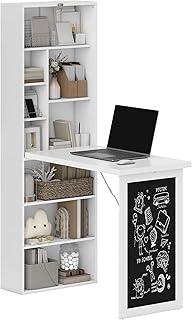


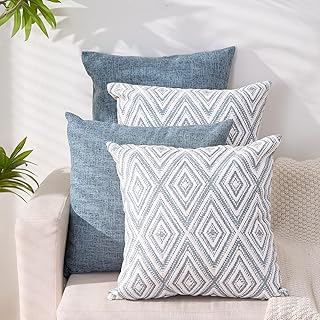


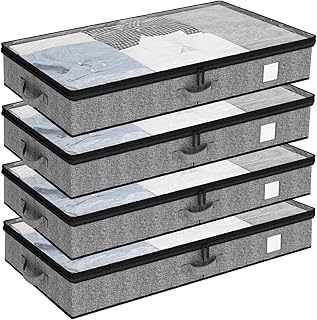






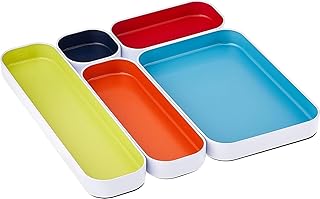


![Joben Oligey 3 Set [Extra Large] Hanging Wall Baskets ,Wire Basket For S...](https://m.media-amazon.com/images/I/81wfSbFkk0L._AC_UL320_.jpg)


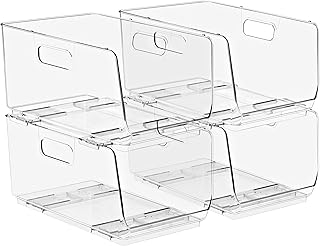


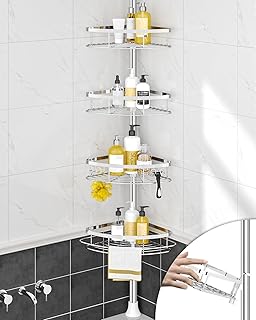


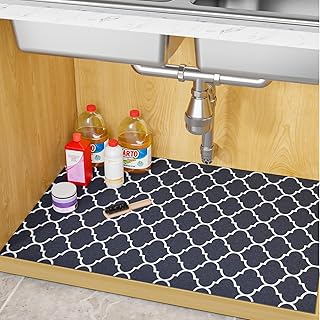

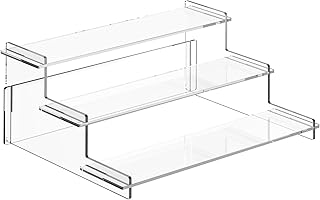


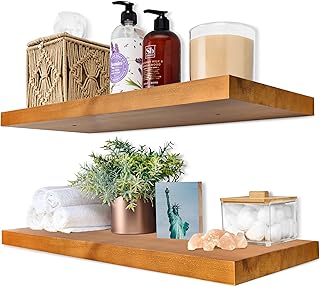


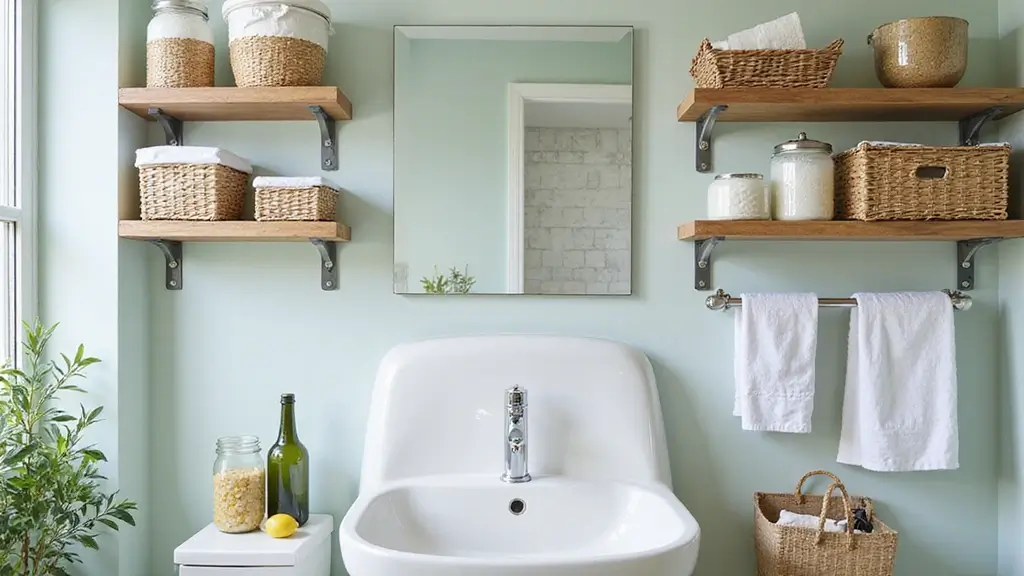










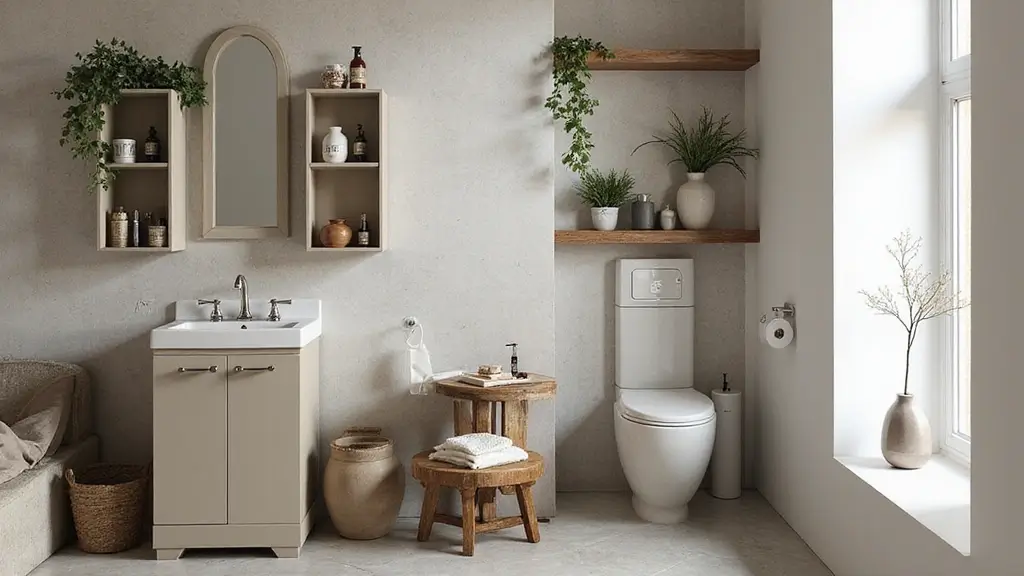


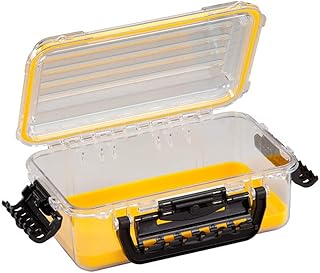


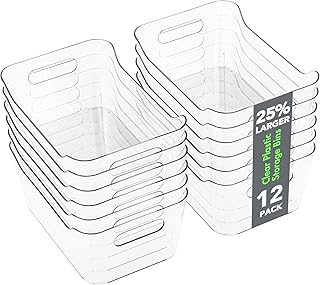
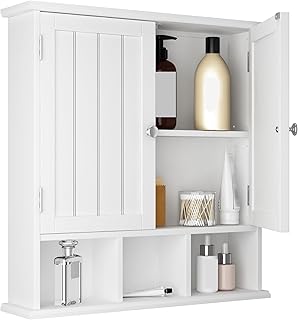


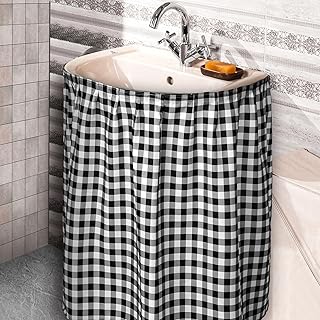




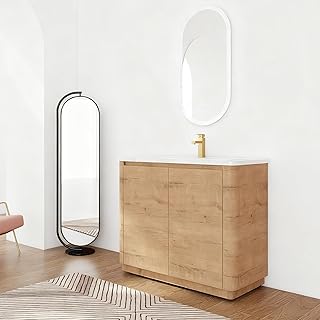


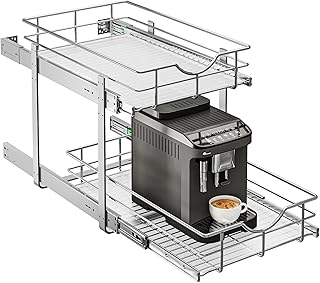


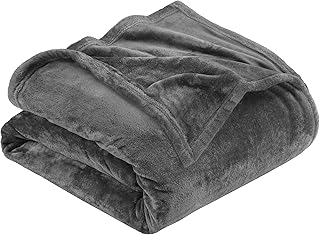


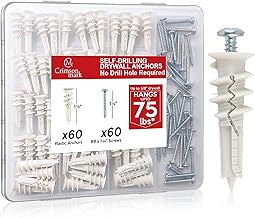


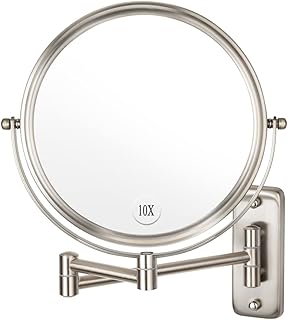





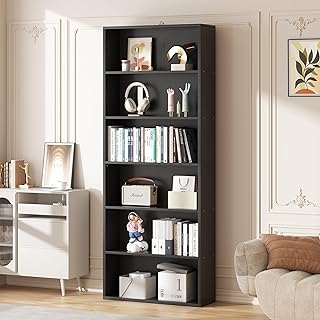


![6 Pack Magnetic Cable Clips [Cable Smooth Adjustable] Cord Holder, Under...](https://m.media-amazon.com/images/I/71z427f7WYL._AC_UY218_.jpg)


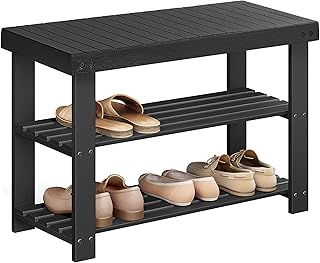





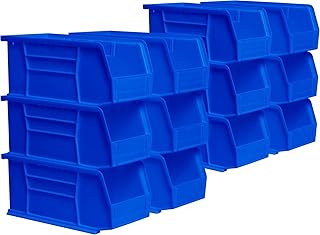
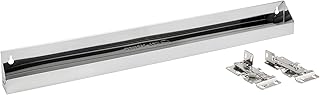






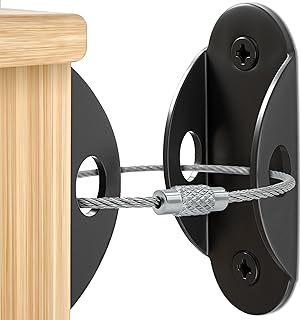


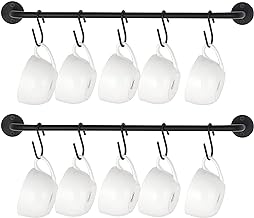


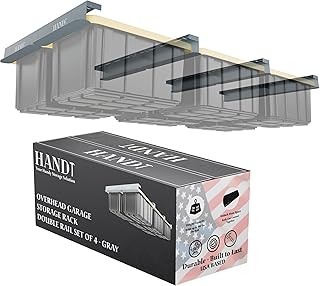


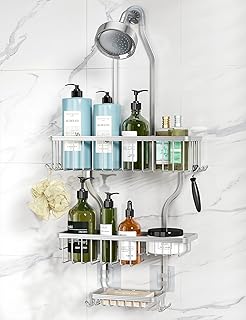




































![4 Set [EXTRA LARGE] Hanging Wall Mount Storage Baskets with Adhesive Hoo...](https://m.media-amazon.com/images/I/812qykSTCXL._AC_UL320_.jpg)


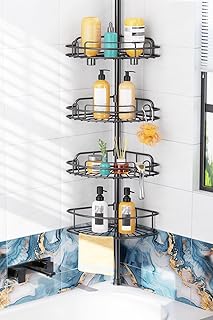


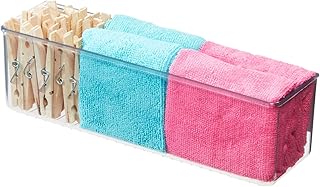



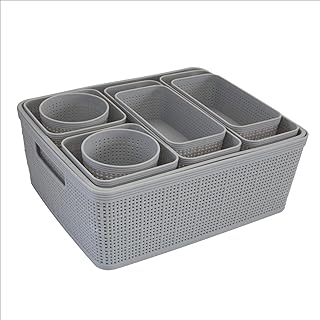


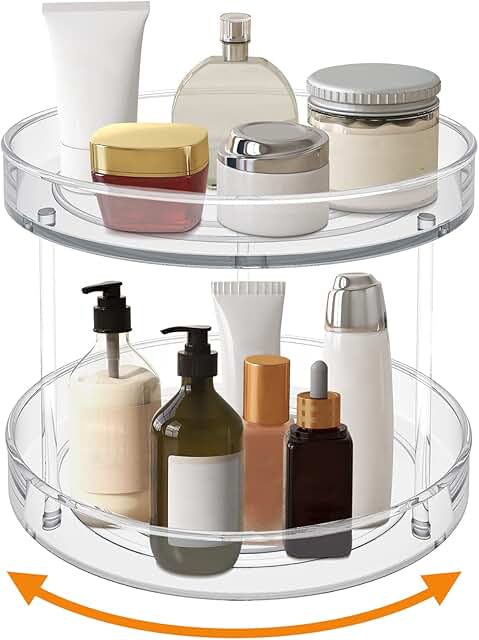




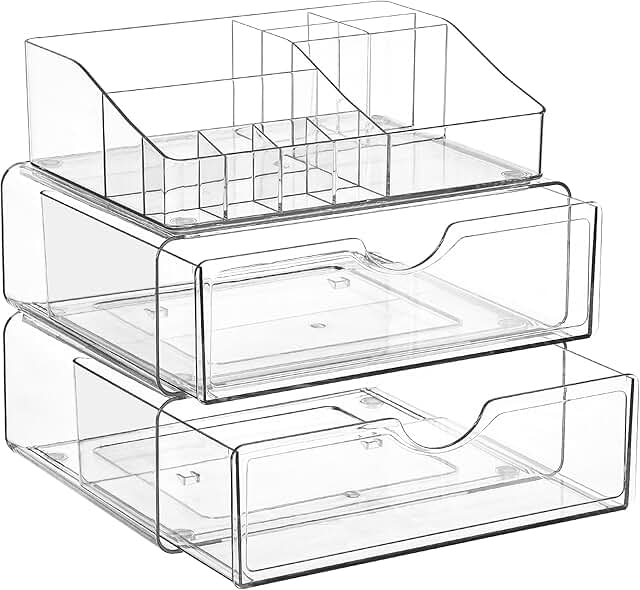

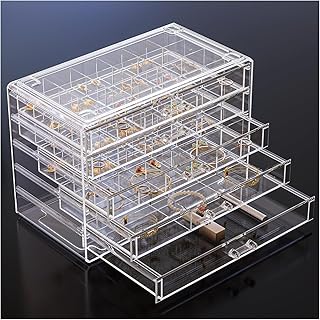




![MaraFansie [Extra Large] Wire Basket 2-Pack Hanging Wall Organizer Cabin...](https://m.media-amazon.com/images/I/712f0OXYDZL._AC_UL320_.jpg)