Category: Garden

  • 28 Stunning Flower Bed Ideas That Will Transform Your Front Yard!

    Here is why I made this post. A sunny front yard greets you before you step inside, and I want that warm, welcoming feeling to be available to more people. I know choosing which flowers to plant can feel overwhelming. This guide gives you a clear, doable plan with practical ideas you can start today. It speaks to real yards, real budgets, and real life.

    Who this is for If you want a front yard that feels calm and colorful, this is for you. This guide is for busy homeowners, beginners, and renters who crave simple ideas that actually work outside the brochure. You’ll find styles that fit small spaces, full sun, or shady corners, with tips that stay practical and easy to follow.

    What you’ll get A complete set of 28 flower bed ideas you can mix and match. You will see ideas broken down by style, space, and sun or shade so you can plan fast. Each idea includes plant suggestions, edging notes, and a rough maintenance plan that won’t overwhelm you.

    Let’s break it down into a simple workflow. Start with a quick map of your space and a small budget. Choose a color palette that repeats across beds so everything ties together. Layer plants by height so tall blooms sit back and shorter ones fill in the front. Keep mulch and irrigation simple so you spend less time watering and weeding.

    You can pick native and drought tolerant options to save water. The ideas cover cottage charm, modern clean lines, and playful pockets for pollinators. Real yards need real care, so I point out easy maintenance and smart timing. Plan for seasonal color with a mix of spring, summer, and fall bloomers so your front yard stays lively.

    Ready to get started? Pick one bed or a couple of containers this weekend. Next steps are simple: map the space, choose a color plan, and plant. Use the tips here to build a front yard that feels alive, welcoming, and truly yours.

    Contents

    1. Cottage-Style Flower Bed

    28 Stunning Flower Bed Ideas That Will Transform Your Front Yard! - 1. Cottage-Style Flower Bed

    You want a front yard that feels warm and inviting. A cottage-style flower bed gives you that charm with little fuss. It relies on soft shapes, friendly colors, and a relaxed mood. You mix plants you love and let them mingle.

    Here is why it works. The look stays casual but still stylish. Taller blooms go at the back, low growers at the front. You get depth without sharp edges.

    Layer it this way. Place tall flowers like hollyhocks at the rear. Put mid-height choices in the middle. Crest the edge with creeping thyme, daisies, or low shrubs.

    Mix and match for color and life. Perennials such as black-eyed Susans blend with annuals like marigolds. Add herbs for scent near a path or seating area. A touch of lavender or rosemary makes the air feel fresh.

    Tips for a Cottage-Style Flower Bed:

    – Choose a variety of shapes and sizes for plants.

    – Include a few herbs for added fragrance.

    – Allow plants to self-seed for a natural look.

    This approach makes your front yard feel cozy and welcoming all season.

    1. Cottage-Style Flower Bed

    Editor’s Choice

    2. Zen Garden Flower Bed

    28 Stunning Flower Bed Ideas That Will Transform Your Front Yard! - 2. Zen Garden Flower Bed

    You want calm in your front yard. A Zen garden flower bed gives you a peaceful corner you can enjoy daily. It relies on clean lines, a soft color scheme, and just a few hardy plants. The look stays tidy with simple materials like stone and gravel. You’ll feel the quiet as you walk past.

    Here is why it works. It keeps clutter away while using space well. It’s easy to care for and stays fresh with only a little work. The design invites slow, mindful moments in your busy day. You can enjoy the texture of gravel, the scent of hardy plants, and the gentle sway of ornamental grasses.

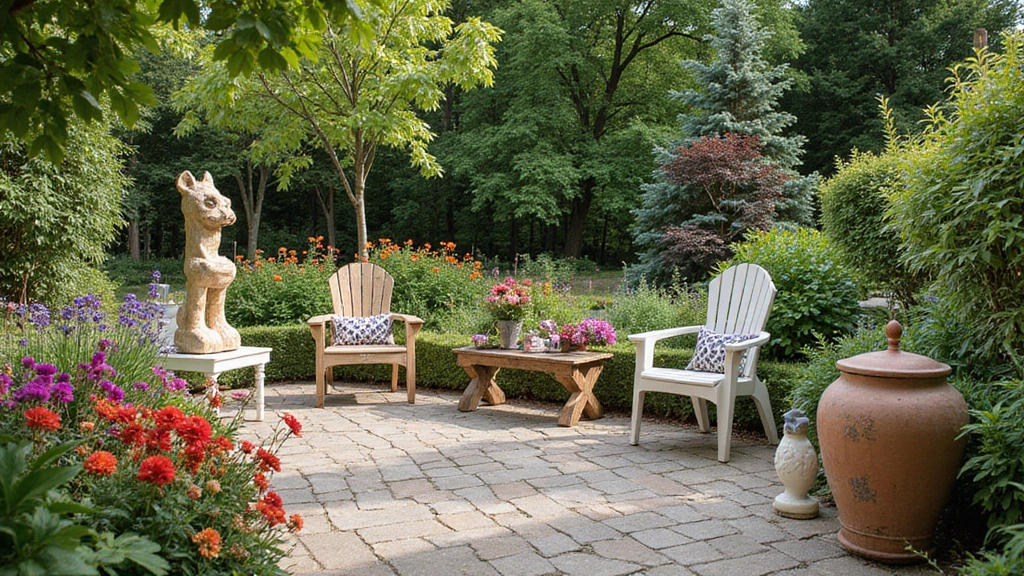
    Key elements for a Zen garden

    – Low-maintenance plants that stay neat

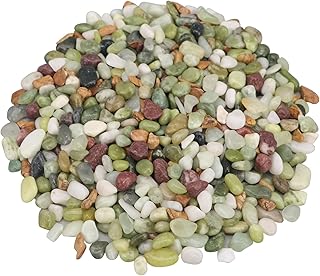
    – Rocks and gravel outline beds and paths

    – A small bench or seat for quiet moments

    – A tiny water feature to add gentle sound

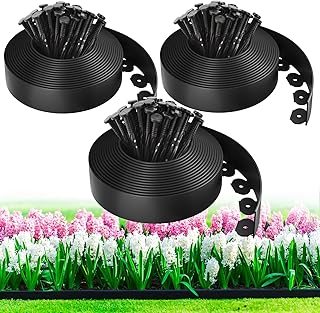
    – Edge with a slim border to keep lines crisp

    To keep the space feeling calm, pick a simple color palette and use different plant heights to add depth. A clean, uncluttered look works best.

    Next steps

    – Measure your space and choose a sun or shade spot

    – Gather stones, gravel, a bench, and a light edging

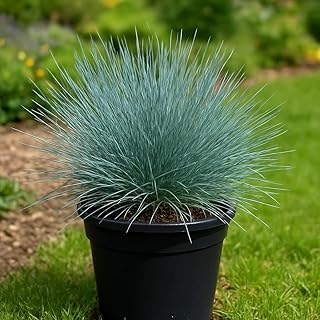
    – Pick easy plants like sedum, blue fescue, thyme

    – Place two large rocks as anchors, then fill in with smaller stones

    – Add a simple seating area for rests

    With a Zen bed, your front yard becomes a quiet, welcoming place that fits any home.

    Create a Zen garden flower bed in front of your house to invite tranquility. Just a few hardy plants, clean lines, and soft colors can turn your yard into a peaceful retreat with minimal upkeep!

    2. Zen Garden Flower Bed

    Editor’s Choice

    3. Raised Bed Gardens

    28 Stunning Flower Bed Ideas That Will Transform Your Front Yard! - 3. Raised Bed Gardens

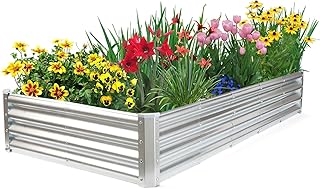
    Here is why raised bed gardens fit busy yards. You want a front yard that looks neat and stays easy to care for. Raised beds do that. They guard against soggy ground and dry patches. They make planting simple for beginners and pros alike.

    You can use wood, bricks, or stones. Wood adds warmth. Bricks give a clean line. Stone adds a natural touch. Each option improves drainage and soil quality. Fill them with blooms or mix flowers with vegetables for a small kitchen garden.

    Benefits of Raised Beds:

    – Easier on your back and knees when you bend to plant.

    – You control soil quality and drainage.

    – They fit nearly any space, big or small.

    A raised bed makes your yard look tidy and inviting.

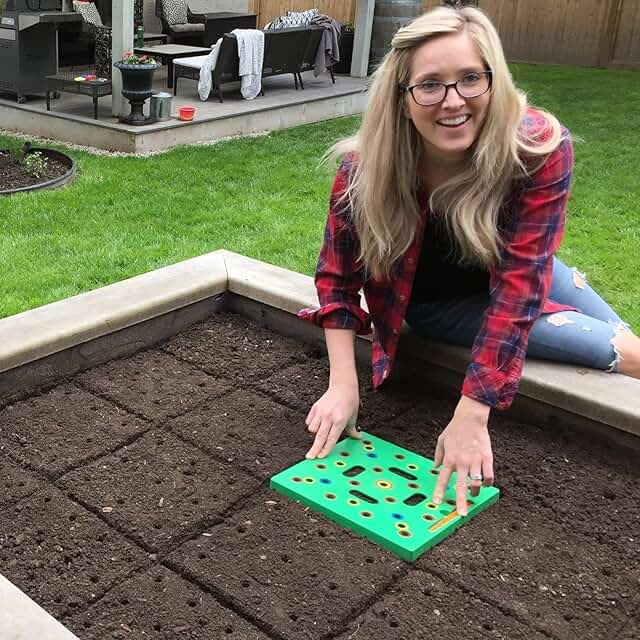
    Here is how to set one up. Aim for a height of 12 to 18 inches. Keep it 3 to 4 feet wide so you can reach the center. Length should fit your space.

    Fill with a simple mix: two parts topsoil, one part compost, and a touch of perlite or sand. Mulch on top keeps moisture in and weeds out. A drip hose or soaker hose makes watering easy on hot days.

    Next steps: plan your layout, choose a material you love, and mark the edges in your yard. Start small if you’re new to beds, then expand later.

    3. Raised Bed Gardens

    Editor’s Choice

    4. Edible Flower Gardens

    28 Stunning Flower Bed Ideas That Will Transform Your Front Yard! - 4. Edible Flower Gardens

    Here is why edible flower gardens make sense for a front yard. They lift curb appeal and give you small delights you can taste. Nasturtiums, pansies, and violets brighten the beds beside traditional flowers. They look cheerful and offer a gentle peppery or sweet note in foods. You can snack on a few petals or use them as pretty garnish for salads and desserts. This approach keeps your yard lively and useful.

    Let’s break it down. Start with plants that fit your climate and sun. Mix edible flowers with herbs for a fresh look and easy care. Plan where to harvest so you can reach the flowers without bending too much.

    Growing Tips:

    – Use organic soil and compost to feed the plants.

    – Plant edible flowers with herbs for a colorful, mixed bed.

    – Learn which parts are edible and how to harvest safely.

    – Water at the base to avoid wet leaves and diseases.

    Incorporating edible flowers can boost both your cooking and your home’s first impression. You get color, scent, and flavors you can share at the table. Next steps: choose a few easy options, set a small test patch, and watch them bloom. Try a simple bed this season and notice the difference.

    4. Edible Flower Gardens

    Editor’s Choice

    Flower Bed Type Materials Cost Tips
    Cottage-Style Flower Bed Perennials, Annuals, Herbs $32.61 (edging) Choose a variety of shapes and sizes for plants.
    Zen Garden Flower Bed Rocks, Gravel, Low-maintenance Plants $9.49 (gravel) Use low-maintenance plants and create a seating area.
    Raised Bed Gardens Wood, Bricks, Soil Mix $28.41 (raised bed kit) Aim for a height of 12 to 18 inches.
    Edible Flower Gardens Organic Soil, Edible Flowers $16.99 (potting mix) Plant edible flowers with herbs for a colorful bed.
    Modern Minimalist Flower Bed Smooth Planters, Flat Stones $36.70 (edging) Pick white, greens, and one accent color.
    Wildflower Meadows Native Plants, Seed Mix $6.81 (wildflower seeds) Choose a sunny patch and prepare the soil.
    Pollinator-Friendly Flower Beds Diverse Flower Varieties $6.81 (wildflower seeds) Avoid pesticides and provide shelter for pollinators.

    5. Modern Minimalist Flower Bed

    28 Stunning Flower Bed Ideas That Will Transform Your Front Yard! - 5. Modern Minimalist Flower Bed

    You want a front yard that looks fresh with less work. A modern minimalist flower bed can give you that. It uses clean lines, simple shapes, and a calm color scene. Here is why it works: it blends with most home styles and stays easy to maintain.

    Design basics Start with a footprint that has straight edges. Let the bed run parallel to your house or sidewalk. Keep gaps small so the bed feels tidy.

    Color discipline Pick white, greens, and one accent color. This keeps the look quiet and classy.

    Plant choices Choose 3 to 5 plants with strong forms. Try white peonies for a soft bloom, deep purple irises for contrast, and evergreen boxwood or compact grasses for year‑round shape.

    Arrangement Group plants in simple blocks or neat rows. Let air spaces guide the eye and avoid clutter.

    Textures Use smooth planters and flat stones or a quiet wood edging. The contrast adds depth without crowding the scene.

    Care Mulch to keep soil cool and tidy. A light drip line or timer helps you water just enough.

    With these steps, your front yard gains a calm, stylish look that still feels welcoming. Next steps: measure the space, sketch a plan, choose 2–3 plant types, and set up edging and planters.

    5. Modern Minimalist Flower Bed

    Editor’s Choice

    6. Wildflower Meadows

    28 Stunning Flower Bed Ideas That Will Transform Your Front Yard! - 6. Wildflower Meadows

    You want a front yard that stays lively without taking over your weekends. A wildflower meadow can do that. It adds color and life to your steps outside while you spend less time on upkeep. You’ll attract bees, butterflies, and birds, all while your yard looks inviting.

    Benefits of Wildflower Gardens:

    – Very low maintenance once established

    – Attracts pollinators and wildlife

    – A wide mix of color through the seasons

    Here is why it can fit your home: native plants grow well in your climate, they use less water, and they improve your curb appeal with a natural, soft look.

    Next steps to get started:

    – Pick a sunny patch that gets at least six hours of sun each day

    – Choose a native seed mix plus a few perennials for color year after year

    – Prepare the soil by clearing weeds and loosening the top 6–8 inches

    – Sow seeds evenly or plant plugs, then press lightly and water gently

    – Mulch with a thin layer to keep moisture in and reduce weeds

    – Care in the first season: keep the bed moist but avoid standing water

    – After blooms fade, mow only once a year, in late winter or early spring, to refresh growth

    If you wonder about how it will look, know this: a diverse mix fills in over time and stays neat with a simple routine. If you have pets, choose sturdy natives that can handle light traffic and occasional nibbling. With steady care, your front yard gains beauty and a friend in local wildlife.

    6. Wildflower Meadows

    Editor’s Choice

    7. Formal Flower Beds

    28 Stunning Flower Bed Ideas That Will Transform Your Front Yard! - 7. Formal Flower Beds

    You want a front yard that feels calm and orderly. A formal flower bed can give you that look. It relies on straight lines, clean borders, and careful plant choices. Picture boxwoods framing bright tulips or roses tucked into a neat grid. The effect is timeless and confident, like a well-kept entry that welcomes guests. You gain year‑round shape that reads as a single design. It isn’t flashy all season, but it stays crisp from spring through fall. If you love planning and keeping things tidy, this style fits you.

    Creating Formal Flower Beds:

    – Use evergreen shrubs to form the backbone, such as boxwoods, yews, or hollies. They hold their shape and give you steady structure.

    – Create straight lines and balanced sections with stakes and string. Do the layout first, then plant to the plan.

    – Pick a simple color plan and repeat textures to keep a calm rhythm. Limit color to two or three hues.

    – Trim and edge regularly to keep the lines clean and symmetry intact. Prune gently to maintain shape without fighting growth.

    – Add a clean edge with brick, metal, or sturdy plastic to keep the borders sharp. Mulch after planting to hold soil and moisture.

    Formal beds add curb appeal with quiet authority. They frame your home and guide the eye to the entry.

    Next steps: map your space, choose plants, and start with a small border to practice. With time, the lines will feel right and your front yard will look ready for guests.

    7. Formal Flower Beds

    Editor’s Choice

    8. Butterfly Gardens

    28 Stunning Flower Bed Ideas That Will Transform Your Front Yard! - 8. Butterfly Gardens

    Butterflies brighten any yard. If you want color that moves, a butterfly garden is for you. You’ll invite fluttering guests all season long.

    Here is why it helps your landscape. Butterflies pollinate flowers and help other wildlife show up. They move pollen and make blooms thrive. Choose native plants when possible; they fit your climate and pull in more local butterflies.

    Start with nectar-rich plants. Choose a mix that keeps butterflies fed and your beds lively. Good picks are butterfly bushes, coneflowers, and milkweed. Add a few flat stones so they can bask, and a small water feature for a quick drink.

    Butterfly Garden Essentials:

    – Plant a steady stream of blooms for continuous color.

    – Keep the garden chemical-free to protect butterflies.

    – Choose sunny spots and add some shelter from wind and cold nights.

    A butterfly garden is more than color. It becomes a tiny habitat that boosts pollinators and helps your yard feel alive.

    Next steps:

    – Place your bed in full sun most of the day.

    – Space plants so butterflies can land and move easily.

    – Include native varieties to attract local species.

    – Use a shallow dish or small fountain to provide water.

    With a little care, your butterfly garden welcomes wings to hover by, adds season-long color, and supports the local ecosystem.

    8. Butterfly Gardens

    Editor’s Choice

    9. Seasonal Flower Beds

    28 Stunning Flower Bed Ideas That Will Transform Your Front Yard! - 9. Seasonal Flower Beds

    You want flowers that stay fresh in your front yard all year. Seasonal flower beds make that possible. Start with bulbs for spring. Add summer annuals for bright days. Finish with fall perennials that come back. The result is steady color and texture through every season.

    Here is why it works: you keep the look you love while changing only a few plants.

    What seasonal flower beds do for you:

    – Year round color with three simple layers: spring bulbs, summer annuals, fall perennials.

    – Easy care because perennials stay in place and annuals fill gaps.

    – Creative mood and style by swapping colors each year.

    Seasonal Flower Bed Tips:

    – Plan ahead for seasonal changes so you are never surprised.

    – Mix early, mid, and late bloomers for continuous color.

    – Rotate plants each year for variety and to test new combinations.

    – Choose a simple color palette and repeat it across seasons to tie the look together.

    – Group plants by sun and water needs to keep care easy.

    – Mulch, feed soil with compost, and water deeply but infrequently.

    – Add a lightweight border to guide the eye and define beds.

    Changing the beds keeps your front of house fresh with every season.

    9. Seasonal Flower Beds

    Editor’s Choice

    10. Shade Flower Beds

    28 Stunning Flower Bed Ideas That Will Transform Your Front Yard! - 10. Shade Flower Beds

    Struggling with a shady yard? You can still grow a colorful, welcoming flower bed. Shade spaces can glow with color if you plan well and pick the right plants.

    Here is why shade beds work. They stay cool in hot weather, make a calm yard corner, and add texture with bold leaves and soft fronds. Next steps are simple and doable.

    – Plan a color story. Pick two or three shade-friendly hues you like and stick to them so the bed feels cohesive.

    – Choose shade lovers. Hostas give big leaves, ferns add movement, and astilbes bring pinks and whites. Add heuchera for leaf color and pulmonaria for patterned foliage.

    – Layer for depth. Put tall plants at the back, medium height in the middle, and ground covers in front so every plant shows.

    – Lighten the space with pale blooms. Whites and pale pinks bounce what light you have and brighten the shade.

    – Use containers. Moveable pots at the edges bring extra color and design. Choose planters that tolerate low light.

    – Mix textures. Pair glossy leaves with airy fronds and bouncy flower stems to keep the bed interesting all season.

    – Finish with mulch and simple edging. A neat edge helps the bed look polished.

    Next steps: prep the soil, add compost, and water regularly. Deadhead spent blooms to keep things tidy.

    With the right plants and layout, your shade flower bed can be a vivid part of your front yard.

    10. Shade Flower Beds

    Editor’s Choice

    11. Themed Flower Beds

    28 Stunning Flower Bed Ideas That Will Transform Your Front Yard! - 11. Themed Flower Beds

    Want a front yard that feels personal without a lot of work? Themed flower beds let you tell a small story with color, shape, and texture. They guide your plant choices and keep maintenance simple. A clear mood boosts curb appeal and makes your yard feel inviting.

    Three starter themes

    – Tropical theme: Think bold greens and bright flowers. Plant hibiscus, bird of paradise, and croton for pops of color. Add driftwood or smooth stones to echo a breezy sea vibe. This look thrives in full sun and warm spots.

    – Vintage garden: Soft pinks, whites, and classic blooms like roses and foxglove shine here. Use chipped terracotta pots and a weathered bench for charm. Keep a restrained color palette for a timeless feel.

    – Rustic garden: Native grasses and wildflowers create a relaxed field edge. Pair with rough-edged stones and a piece of rough wood. Choose drought-tolerant perennials for easy care.

    Here is why these ideas work for many homes. They use simple materials and fit small or large spaces. They also offer easy paths for adding seasonal color.

    Next steps: map your space, pick one theme, and gather key accents. Start small this weekend, then expand as you like.

    11. Themed Flower Beds

    Editor’s Choice

    12. Vertical Flower Beds

    28 Stunning Flower Bed Ideas That Will Transform Your Front Yard! - 12. Vertical Flower Beds

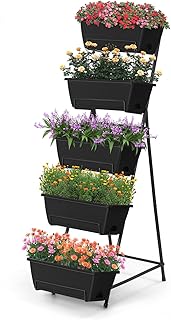
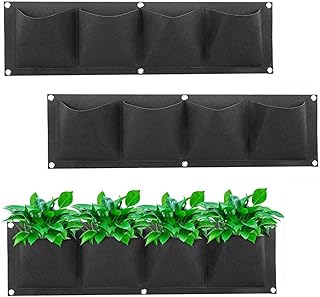
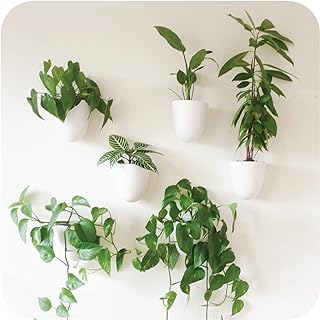
    Facing a tight front yard? Vertical flower beds let you grow more blooms without stealing ground space. They use wall planters, trellises, or hanging pots to hold plants up and away from the soil. You gain height and drama, plus color that catches the eye from the curb.

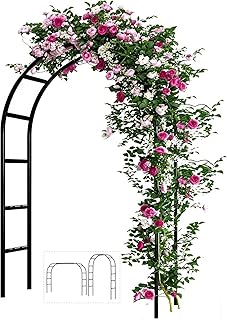
    What to plant? Start with climbers. Morning glories, climbing roses, or clematis climb skyward and bring instant drama. For a softer touch, choose trailing plants that spill over the edge in a color cascade.

    Vertical Gardening Tips:

    – Make sure taller plants get enough sunlight so they stay strong.

    – Mix leaf shapes, sizes, and textures for visual interest.

    – Use light-colored walls, mirrors, or reflective mulch to bounce more light onto the blooms.

    Vertical beds are surprisingly versatile. They work on fences, brick walls, or the side of a garage. They keep soil healthy by letting you tailor watering and drainage. With the right setup, you can swap in seasonal blooms to suit the year and your style.

    Plus you can run a simple drip line to reach every level.

    Be mindful of weight on walls and use sturdy brackets and anchors.

    Next steps: plan your space, pick a sturdy mounting option, and test a few plant pairings. Start small and expand as you learn what thrives in your yard.

    Transform your front yard with vertical flower beds! They let you unleash vibrant blooms without taking up precious ground space. Elevate your garden game and watch your curb appeal soar!

    12. Vertical Flower Beds

    Editor’s Choice
    13. Pollinator-Friendly Flower Beds

    28 Stunning Flower Bed Ideas That Will Transform Your Front Yard! - 13. Pollinator-Friendly Flower Beds

    Want a front yard that hums with life? A pollinator-friendly flower bed can do it. You get color, motion, and help for local bees and birds.

    – Start with plants that attract bees, butterflies, and hummingbirds.

    – Zinnias, bee balm, and salvia are easy starters.

    – Add natives like blanketflower, echinacea, and agastache if you have room.

    – Plant in tight clusters so blooms read from the street.

    Layer your bed for year-round interest. Tall plants go in back, mid-height in the middle, and low edging in front. This layout is simple to care for and looks polished.

    Add a water source. A shallow dish with smooth stones gives tiny visitors a safe sip.

    Pollinator Garden Tips:

    – Avoid pesticides to keep pollinators safe.

    – Choose native plants for best results in your area.

    – Provide a mix of shapes and colors to feed different species.

    – Offer shelter with a small shrub, grasses, or a log pile for resting.

    A pollinator-friendly bed boosts curb appeal and brings a busy, lively feel to your home.

    If space is tight, start with a narrow border bed near the doorway. You still get color and pollinators.

    Mix annuals for quick color and perennials for staying power.

    13. Pollinator-Friendly Flower Beds

    Editor’s Choice

    14. Color Block Flower Beds

    28 Stunning Flower Bed Ideas That Will Transform Your Front Yard! - 14. Color Block Flower Beds

    Are you hoping for a front yard that catches eyes with less work? Color block flower beds can do that. You group flowers in clean blocks or stripes. From the curb, they read as a bold yet tidy design.

    Plan your color blocks

    – Pick 2–4 colors that work well together and keep a simple palette.

    – Choose plants that bloom around the same time so one block stays lively longer.

    – Add variety in leaves and stems to keep each block interesting after the blooms fade.

    Layout and edges

    – Plant in straight rows, squares, or wide stripes for a crisp look.

    – Use a clear edge, with brick, metal, or wood, to separate blocks.

    – Keep plant sizes similar and space blocks evenly for a neat rhythm.

    Care and timing

    – Start with good soil and a light mulch. This helps roots grow strong.

    – Water deeply as the bed establishes, then steady as needed.

    – After blooms fade, replace with fresh flowers or switch to a matching foliage plant.

    Common issues

    – Sun and shade vary by spot. Choose sun-loving plants for sunny areas and shade-tolk erant ones where light is scarce.

    – If a color looks thin, swap in a matching plant to keep the block balanced.

    Next steps: sketch a quick plan on paper, note sun and shade spots, and visit a local nursery for color-block options. With a bit of planning, you’ll have a front bed that looks fresh and polished all season.

    14. Color Block Flower Beds

    Editor’s Choice

    15. Drought-Tolerant Flower Beds

    28 Stunning Flower Bed Ideas That Will Transform Your Front Yard! - 15. Drought-Tolerant Flower Beds

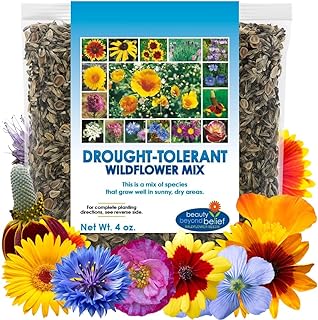
    If you want a front yard that looks great and uses less water, drought-tolerant flower beds are a smart pick. Start with plants that love dry soil. Native varieties and succulents shine in hot weather, such as lavender, sedum, and agave. They drink water slowly and need little care. Add decorative stones or mulch to slow moisture loss and keep roots cool. The result is color, texture, and a calm feel without heavy irrigation.

    Here is how to set it up.

    What to plant

    – Group plants with similar watering needs together.

    – Try xeriscaping to save water and make upkeep easier.

    – Plan for seasonal changes so the bed stays pretty all year.

    Drought-tolerant beds bring curb appeal and practical benefits. They reduce water use, lower maintenance, and still give you a lively front yard. With a little planning, you’ll enjoy blooms through heat and drought without a lot of work.

    Transform your front yard into a stunning oasis with drought-tolerant flower beds! Choose native plants that thrive in dry conditions, and enjoy a beautiful, low-maintenance landscape that saves water and time.

    15. Drought-Tolerant Flower Beds

    Editor’s Choice

    16. Vintage Flower Beds

    28 Stunning Flower Bed Ideas That Will Transform Your Front Yard! - 16. Vintage Flower Beds

    You want a front yard that feels warm and alive. Vintage flower beds give that look. They echo the past and fit your home today. This style fits small spaces too and boosts curb appeal. If you are new to gardening, start with one bed, then grow. Keep colors soft and avoid too many flashy pieces. Let the garden age with you.

    Here is why they work. Choose classic blooms like peonies, hollyhocks, and delphiniums. Pair them with rustic touches like old garden tools, chipped pots, or a weathered trough. Soft pinks, creams, and lavenders blend softly.

    Tips for Vintage Flower Beds:

    – Choose heirloom varieties for a true old-time look.

    – Use rustic containers and simple decorations.

    – Keep the layout informal to stay inviting.

    Put it into practice:

    – Plant tall blooms at the back, mid-height in the middle, and low spreads in front for depth.

    – Mix bloom times so color lasts from spring to fall.

    – Add a small touch, like a bench or a weathered edge, to nod to old gardens.

    Care tips:

    – Keep tools organized and avoid clutter.

    – Mulch to slow weeds and keep colors bright.

    Next steps:

    – Scout a sunny spot, gather a few weathered pieces, and start with one small bed.

    With a little care, this vintage look stays inviting for years.

    16. Vintage Flower Beds

    Editor’s Choice

    17. Container Flower Beds

    28 Stunning Flower Bed Ideas That Will Transform Your Front Yard! - 17. Container Flower Beds

    Stuck with a small yard or no soil at all? Container flower beds give you a real garden feel in a tight space. Use pots, barrels, or hanging baskets to build a living wall or a colorful tabletop display. These beds move with you, so you can change the look when you want.

    Here is why they work:

    – They fit small spaces and can cover a bare corner.

    – They let you mix plants for a bold splash or keep a calm color scheme for a cohesive look.

    – They lift flowers up to eye level, so you can enjoy blooms and scent from the doorstep.

    Container tips:

    – Ensure containers have proper drainage so roots stay happy.

    – Use good potting soil, not just garden soil.

    – Change flowers seasonally for freshness. Mix spring blooms with summer greens and fall textures.

    Container beds add charm and flexibility to your front yard. They welcome guests with color and scent, even if you can’t dig a big garden.

    Next steps: pick one sturdy container, fill it with potting soil, and plant a few easy options like petunias, herbs, or small geraniums. Group a few pots at the path edge or hang a basket on a porch post. Rotate plants as the seasons shift to keep things lively.

    17. Container Flower Beds

    Editor’s Choice

    18. Rustic Flower Beds

    28 Stunning Flower Bed Ideas That Will Transform Your Front Yard! - 18. Rustic Flower Beds

    Your front yard deserves a look that feels simple and true. Rustic flower beds deliver that vibe. They blend with the ground and stay easy to care for.

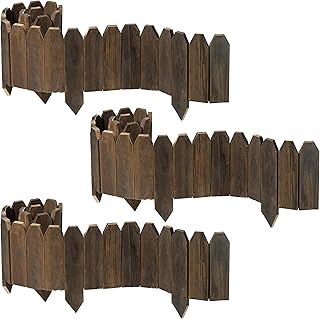
    Choose honest materials: wood, stone, and reclaimed brick. Use them as edging, steps, or a small border. They age well and add texture that makes the bed feel warm and real.

    Pick plants that fit your area. Wildflowers and native perennials thrive with less work. Add a few grasses or low groundcovers for movement and year-round flavor. The mix helps the bed look natural, not tidy.

    Here is how you start. Sketch the bed shape on paper, then walk your yard to see sun and shade. Note where water collects after a rain. Choose 2 or 3 main plants and a couple of fillers.

    Building a Rustic Flower Bed:

    – Follow natural curves and uneven edges.

    – Mix textures and colors for depth and interest.

    – Let plants fill in and grow together rather than strict rows.

    Care and Maintenance:

    – Lay out stones first to guide shape.

    – Prepare good soil and mulch to hold moisture.

    – Water in the morning and avoid overwatering.

    – Seasonal pruning keeps the bed loose and neat.

    A rustic bed adds charm to your front yard and stays friendly to your time and wallet.

    Rustic flower beds in front of your house bring a warm, inviting touch to your yard. Embrace nature with simple materials and native plants for a low-maintenance beauty that thrives through the seasons!

    18. Rustic Flower Beds

    Editor’s Choice
    19. Colorful Border Flower Beds

    28 Stunning Flower Bed Ideas That Will Transform Your Front Yard! - 19. Colorful Border Flower Beds

    Want a front yard that greets guests with color? Colorful border flower beds frame your path, brighten the entry, and invite a closer look. Here is why this works: you get steady color by mixing bloom times, and tidy edges keep things neat.

    Border Flower Bed Tips:

    – Pick plants that bloom at different times for nonstop color.

    – Place taller varieties at the back and shorter ones in front.

    – Use a simple color group for a clean, cohesive look.

    Colorful border beds lift curb appeal and make your yard feel welcoming.

    Let’s map this out in a few easy steps. Decide on a color story (warm or cool). Choose a practical mix of annuals and perennials so the bed looks full most of the year. Pick pollinator-friendly plants to help bees and butterflies.

    Try these additions: petunias, marigolds, snapdragons, salvias, alyssum, cosmos, and impatiens. Mix in textures: soft blooms with spiky greens for interest.

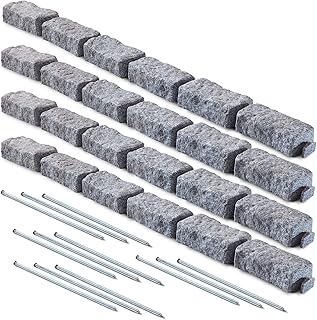
    Keep the bed neat. Use edging like brick, stone, or metal to define the line. Prep the soil with compost and mulch about 2 inches deep. Water in the morning with a slow drip hose.

    Maintenance is simple: deadhead fading blooms and replace any plants that lose color.

    Next steps: sketch a quick plan, choose 2–3 base colors, and buy plants in small groups for faster filling.

    19. Colorful Border Flower Beds

    Editor’s Choice

    20. Mixed Perennial Flower Beds

    28 Stunning Flower Bed Ideas That Will Transform Your Front Yard! - 20. Mixed Perennial Flower Beds

    If you want a front yard that stays pretty with less work, mixed perennial beds are your best bet. These plants come back year after year, giving you steady color.

    Try echinacea, daylilies, and hostas together. Mix heights and leaf shapes. Short ground covers at the edge, tall blooms in the center, and broad leaves at the back create depth you can see from the curb.

    Perennial Flower Bed Tips:

    – Plan bloom times to keep color from spring through fall.

    – Use mulch to hold moisture and slow weeds.

    – Check each plant’s mature size so you space them well.

    – Group plants with similar water needs.

    Next steps.

    – Pick a style that fits your home, such as a soft cottage look or neat lines.

    – Choose three or four plants with different bloom windows for ongoing color.

    – Check sun and soil, and place sun lovers where they will get full light.

    With careful planning and regular care, a mixed perennial bed can brighten your home’s curb appeal for many seasons.

    20. Mixed Perennial Flower Beds

    Editor’s Choice

    21. Mosaic Flower Beds

    28 Stunning Flower Bed Ideas That Will Transform Your Front Yard! - 21. Mosaic Flower Beds

    You want a front yard that reads like art. Mosaic flower beds let you turn color into a picture. You arrange different colored flowers to make a pattern or image. Pick bold colors for drama or soft hues for calm.

    Mosaic Flower Bed Tips:

    – Plan your design on paper first. Draw a simple grid and map where each color will go.

    – Choose flowers that bloom together. A shared bloom window keeps the picture lively longer.

    – Think about height and spread. Put tall plants at the back or center, shorter ones around the edges.

    – Test color contrasts. Hold color swatches next to each other or snap a quick photo to see how it reads.

    – Leave room for changes. If a color looks off, swap in a different plant or move a group to a new spot.

    Mosaic beds turn your yard into a small work of art. They work best in a compact patch or along the walk where passersby can notice the details up close. Use sturdy edging, good soil, and regular care to keep the image crisp. Expect blooms to shift with the season, and have a few backup colors ready for a quick swap.

    Next steps: sketch, pick a few flowers, line the bed, and plant in color blocks.

    21. Mosaic Flower Beds

    Editor’s Choice

    22. Fairy Gardens

    28 Stunning Flower Bed Ideas That Will Transform Your Front Yard! - 22. Fairy Gardens

    Fairy gardens bring a tiny world to your front yard. They spark imagination and charm. You can build a fairy flower bed with small plants, soft blooms, and decorations that look like they came from a storybook. It feels playful, and it greets visitors with a warm welcome.

    Fairy Garden Tips:

    – Use dwarf plants to keep the scene tiny and clear.

    – Add fairy doors, miniature chairs, and a winding path of tiny rocks or gravel.

    – Build a small scene with a theme like woodland, seaside, or cottage garden.

    A fairy garden adds charm and invites neighbors to pause and smile as they peek into a tiny world.

    Next, practical steps you can take this weekend:

    – Choose a spot in sun or light shade. Fairy plants love gentle light.

    – Pick ground covers and tiny plants that stay small, such as moss, creeping thyme, and tiny grasses.

    – Create a tiny path with pebbles and a mini bench for your pretend guests.

    – Keep a small watering routine and prune with care so the scene stays tidy.

    With a little care, your fairy garden becomes a place for kids to play and adults to unwind. It adds a friendly look to your curb.

    22. Fairy Gardens

    Editor’s Choice

    23. Rock Gardens with Flowers

    28 Stunning Flower Bed Ideas That Will Transform Your Front Yard! - 23. Rock Gardens with Flowers

    You want a front yard that looks strong but uses less water. A rock garden can do that. It blends rough stones with bright flowers. The result is texture and color in a small, calm space. It feels natural and easy to care for.

    Rock gardens shine for practical reasons too. They use less water and need less upkeep. You can enjoy a colorful display without a lot of work. This style fits small yards and busy lives. Here is why it works so well in front spaces.

    Creating Rock Gardens:

    – Use varying sizes of rocks for visual interest.

    – Plant flowers that can thrive in rocky conditions.

    – Design with drainage in mind to avoid water pooling.

    Rock gardens lift the look of your front yard while staying low effort. Pick drought-tolerant blooms like sedum and alyssum to pair with stones or gravel. Add herbs such as thyme or lavender for scent. A few sempervivum rosettes can bring neat green shapes amid the gravel. Keep soil lean and let rocks do the work. In sunny spots, the colors pop all season and you gain a calm, natural vibe.

    Next steps. Inspect your site, map sunny spots, and choose a mix of stone sizes. Start small with a 4 by 6 foot bed, then expand as you learn what blooms best.

    This design stays tidy and sunny from spring to fall, too.

    23. Rock Gardens with Flowers

    Editor’s Choice
    24. Seasonal Displays with Annuals

    28 Stunning Flower Bed Ideas That Will Transform Your Front Yard! - 24. Seasonal Displays with Annuals

    If you want a front yard that changes with the seasons, seasonal displays with annuals can keep it fresh all year. You can swap color schemes as the year goes by. Plant petunias, geraniums, and marigolds. They grow fast and fill beds quickly.

    Annual Flower Bed Tips:

    – Choose varieties that bloom all season long.

    – Plan for seasonal color transitions.

    – Deadhead regularly to keep blooms coming.

    – Group plants by sun needs for steady growth.

    – Water in the morning to help roots dry and stay healthy.

    – Fertilize lightly every 4-6 weeks during peak bloom.

    Here is why this approach works for your space.

    – Place taller plants at the back and lower ones in front for easy views.

    – Use containers plus beds to switch colors fast.

    – Start with good soil and a light layer of mulch to hold moisture.

    – Mix a pop of a trailing variety for soft edges.

    Next steps to get started.

    – Sketch a simple layout for spring colors, then adjust as the season changes.

    – Pick two or three core annuals to mix, then add a trailing variety for interest.

    – Buy a few extra plants so you can fill gaps after the first month.

    Seasonal displays with annuals let you refresh the look without a big change.

    With a little planning, your front yard stays colorful and neat all year.

    24. Seasonal Displays with Annuals

    Editor’s Choice

    25. Creative Pathway Flower Beds

    28 Stunning Flower Bed Ideas That Will Transform Your Front Yard! - 25. Creative Pathway Flower Beds

    Want a front yard that welcomes people and leads them to your door? Creative pathway flower beds can do that with simple steps. They frame the walkway, add color, and leave a nice scent in the air. You gain curb appeal without big changes.

    Pathway bed planning Start by picking flowers that handle foot traffic. The path will see rain, mulch, and busy feet. Go for lavender, daisies, creeping thyme, and low-growing sedums. Keep tall plants set back from the edge so guests can see the path.

    – Plant low-growing varieties along the edge for visibility

    – Use sturdy perennials that bloom most of the season

    – Put a few scent-rich options like lavender near the entry

    Edge with care Create a tidy border with brick, stone, or metal edging. This keeps soil and mulch from wandering onto the path and makes mowing easier.

    Light the way Add gentle lighting. Solar stake lights or low-voltage path lighting makes evening visits feel safe and welcoming.

    Maintenance tips Mulch twice a year, water deeply in dry spells, and deadhead spent blooms. A simple routine keeps colors vibrant.

    Next steps: sketch the space, pick three focal colors, and buy a few tough plants. Pathway flower beds turn your front yard into a warm, guiding welcome for every visitor.

    25. Creative Pathway Flower Beds

    Editor’s Choice

    26. Luxury Flower Beds

    28 Stunning Flower Bed Ideas That Will Transform Your Front Yard! - 26. Luxury Flower Beds

    Want a front yard that turns heads and stays fresh year round? Luxury flower beds can give your yard a premium, welcoming look. They blend refined style with smart planting.

    Here is how to build them. Start with a solid base: premium soil and balanced fertilizers. Good soil holds moisture and feeds roots, helping blooms last longer. Feed plants in spring and midseason to keep colors bright.

    Choose graceful planters and elegant edging. Materials like stone, copper, or black metal make a big difference. Use color and texture to create contrast against the house and walkway.

    Pick flower varieties that shout quality. Classic roses bring perfume and form. Orchids work best in sheltered spots or large containers for a touch of luxury. Include a few rare bloomers as accents to catch the eye.

    Plan the layout with care. Put taller plants toward the back or center, shorter ones along the edge. Think about bloom times so color changes through the seasons. Add a focal point like a small statue or a quiet fountain. A simple seating area nearby can extend the beauty.

    Luxury flower bed tips:

    – Use premium soil and fertilizers.

    – Pay attention to plant placement for maximum visual impact.

    – Include features like elegant statues or fountains for added interest.

    Maintenance is easier with mulch and regular pruning. Do a quick yearly refresh to keep the bed feeling fresh and timeless.

    26. Luxury Flower Beds

    Editor’s Choice

    27. Colorful Succulent Flower Beds

    28 Stunning Flower Bed Ideas That Will Transform Your Front Yard! - 27. Colorful Succulent Flower Beds

    Colorful succulent flower beds brighten your front yard with less work. Here is why they fit busy lives. They use small, sturdy plants that stay neat. They tolerate heat and long dry spells. You can mix shapes and colors for eye catching edges. You can place them in a wooden crate or set them in a spiral design for instant impact. The textures catch light and add depth along a path. Try a mix of rosettes, columnar and trailing succulents for year round color. These beds look good all season with little effort. White gravel around the bed makes the colors pop. If you want extra style, set them in a shallow spiral or stack them in a crate garden. The color shifts with sun, making your front yard look alive from morning to night.

    Let’s break it down.

    Succulent Bed Tips:

    – Ensure well-draining soil.

    – Mix plant sizes for visual interest.

    – Group similar light requirements together.

    A colorful succulent flower bed brings a fresh, easy look to your front yard while staying inviting.

    Next steps help you start fast.

    – Pick a sunny spot.

    – Build a gritty soil mix.

    – Arrange in groups of three or five.

    – Water sparingly and let roots settle.

    27. Colorful Succulent Flower Beds

    Editor’s Choice

    28. Whimsical Flower Beds

    28 Stunning Flower Bed Ideas That Will Transform Your Front Yard! - 28. Whimsical Flower Beds

    Whimsical flower beds make your front yard feel joyful. They mix bright colors with playful shapes, and they invite guests to smile as they walk by. You get a space that tells a story, not a plain mix of blooms.

    Here is how to build one you love.

    Whimsical Flower Bed Tips:

    – Plan a simple layout. Use curved lines or neat patches so you can see the fun patterns from the street.

    – Pick a color palette with 3 or 4 tones. Bright pinks, sunny yellows, fresh greens, and a pop of violet work well together.

    – Choose flowers with interesting textures and shapes. Think ruffled petals, tall spires, round balls, and speckled leaves. Good options include celosia, snapdragons, zinnias, rudbeckia, and alliums.

    – Create themed zones within the bed. A corner can tell a story with colors and plant choices.

    – Add quirky decor. Gnomes, painted stones, wind chimes, and colorful garden art fit the look without crowding the beds.

    Whimsical beds bring smiles and make your front yard feel welcoming. They are easy to start, but you should keep plan and soil in mind. Next steps: test soil, pick a spot, and start a trial bed to see how it grows.

    28. Whimsical Flower Beds

    Editor’s Choice

    Conclusion

    28 Stunning Flower Bed Ideas That Will Transform Your Front Yard! - Conclusion

    With these 28 stunning flower bed ideas, you’re well-equipped to transform your front yard into a beautiful garden oasis.

    Whether you prefer a structured look or a more whimsical feel, there’s something here for everyone. Embrace your creativity and enjoy the process; your front of house will thank you for it!

    Note: We aim to provide accurate product links, but some may occasionally expire or become unavailable. If this happens, please search directly on Amazon for the product or a suitable alternative.

    This post contains Amazon affiliate links, meaning I may earn a small commission if you purchase through my links, at no extra cost to you.

    Frequently Asked Questions

    What Are Some Easy Flower Bed Ideas for Beginners?

    If you’re just starting with flower beds in front of the house, consider simple designs like the Cottage-Style Flower Bed or Container Flower Beds. These styles require minimal fuss and can be customized with easy-to-care-for plants. Start with a mix of perennials and annuals for year-round color, and don’t forget to choose flowers that thrive in your local climate!

    How Can I Increase My Front Yard’s Curb Appeal with Flower Beds?

    To boost your home’s curb appeal, focus on vibrant and well-structured flower beds. Try Color Block Flower Beds or Mixed Perennial Flower Beds to create eye-catching designs. Additionally, incorporating a variety of heights and textures can add depth and interest to your front yard, making it more inviting for guests and passersby.

    What Flowers Should I Choose for Different Seasons?

    Great question! For a stunning seasonal display in your flower beds in front of the house, start with bulbs like tulips and daffodils for spring, followed by vibrant summer annuals like petunias or geraniums. As fall approaches, consider planting perennials like asters or chrysanthemums to keep your front yard looking beautiful year-round!

    How Do I Maintain My Flower Beds for Longevity?

    To ensure your flower beds stay stunning for years, regular maintenance is key! Water your plants consistently, especially during dry spells, and consider mulching to retain moisture and suppress weeds. Deadheading spent blooms encourages more flowers, while pruning and seasonal clean-ups keep your beds tidy and healthy—this way, your front yard can truly shine!

    What Are Some Unique Flower Bed Themes I Can Try?

    If you’re looking for creativity, themed flower beds can be a fun way to express your style! Consider a Butterfly Garden with plants that attract pollinators, or a Whimsical Flower Bed filled with brightly colored flowers and playful decorations. You could even design a Zen Garden Flower Bed for a calming effect—there are endless possibilities to explore!

    Related Topics

    flower beds in front of house

    curb appeal

    garden decor

    cottage style

    edible gardens

    drought-tolerant

    vertical gardening

    seasonal flowers

    beginner friendly

    modern minimalist

    pollinator gardens

    whimsical designs

  • 20 Stunning Low Maintenance Flower Beds to Transform Your Front Yard (You Won’t Believe #4!)

    I put this together because busy homeowners deserve a front yard that shines. Curb appeal matters, but your weekend is precious. So I pulled together 20 low maintenance flower beds that deliver color, texture, and ease.

    If you want curb appeal that lasts with minimal work, this is for you. You care about plants that handle heat and drought. You want a yard that stays pretty with a busy schedule. These ideas are simple, practical, and easy to implement.

    You might be curious about the #4 bed. You won’t believe how simple it is. It is a clever mix that looks lush and uses little water. The list covers sunny and shaded spots, small yards, and tight budgets. Each bed idea comes with notes on sun, soil, and how much care it needs, plus tips you can copy this weekend.

    Here is what you’ll get in return. Choose a plan you can adapt to your home. Learn how to pick plants that share water needs. Use mulch to cut weeds and edging to keep beds neat. You’ll also pick up quick setup ideas like drip irrigation that save time.

    How to use this post is easy. First, scan your yard to spot sun and shade. Then pick a bed style that fits your space and budget. Finally, mix ideas to create your own 20 bed plan over time. Start with one bed this season and add another as you learn what works. You’ll build a front yard you love without burning out.

    Stay with me to explore every idea, plus simple shopping lists and care routines. These beds are designed to be easy to maintain and appealing through the seasons. By the end, you’ll feel confident making smart plant choices that turn your front yard into a welcoming place.

    Contents

    1. Perennial Paradise

    20 Stunning Low Maintenance Flower Beds to Transform Your Front Yard (You Won't Believe #4!) - 1. Perennial Paradise

    If you want a front yard that looks fresh with little work, perennials are your go-to choice. They come back every year with almost no fuss.

    Try this small dream team for sunny spots: lavender, daylilies, and black-eyed Susans. They shine in sun, bloom long, and stand up to heat. Lavender smells nice and stays compact. Daylilies burst with color and can handle dry spells once they are established. Black-eyed Susans glow with bright centers.

    Tips:

    – Group by height to create depth. Place short plants in front and tall ones in back.

    – Use mulch to hold moisture and keep weeds away.

    – Regularly deadhead to coax more blooms and keep the bed tidy.

    Here is why this approach works: perennials return year after year, so you spend less time planting. The mix of colors and textures keeps the bed interesting from season to season.

    Next steps to start today: pick a sunny bed, loosen the soil, and mix in compost. Plant with proper spacing and water well right after planting. Mulch after planting and check moisture through the first weeks.

    With a little setup, your front yard will feel welcoming without heavy upkeep.

    1. Perennial Paradise

    Editor’s Choice

    2. Rock Garden Resilience

    20 Stunning Low Maintenance Flower Beds to Transform Your Front Yard (You Won't Believe #4!) - 2. Rock Garden Resilience

    You want a yard that stays pretty with little upkeep. A rock garden can give you that. It uses stones and gravel. It stays calm in heat.

    Here is why it works. Well drained soil helps. Plants that hate wet feet handle dry spells.

    Focus on dry-loving plants. Sedum, stonecrop, and alpine asters are good bets. They store water in their leaves and stay small. Plant them in pockets of soil between the stones.

    Plan the layout. Place a mix of rock sizes for texture. Use large rocks as anchors and small stones to fill gaps. Create paths by laying flat stones between plants. The paths guide the eye and prevent crush.

    Prep the soil. If you have heavy clay, mix in grit and compost. Build the bed slightly raised to drain water. Mulch sparingly so plants can breathe.

    Maintenance is simple. Check for weeds after rain. Water only during long dry spells after they settle. If a rock shifts, reset it on a calm day.

    Insights:

    – Choose rocks that complement your home’s style.

    – Arrange stones to form natural paths between plants.

    – Use a mix of sizes for texture and interest.

    This rock garden adds an earthy feel and fits many house styles. It’s a solid option for beauty with less work.

    2. Rock Garden Resilience

    Editor’s Choice

    3. Edible Elegance

    20 Stunning Low Maintenance Flower Beds to Transform Your Front Yard (You Won't Believe #4!) - 3. Edible Elegance

    Want a front yard that looks great and feeds you too? This idea blends flowers with edible plants for a space that is both pretty and useful.

    Here is why it works. Flowers invite bees and butterflies, while vegetables and herbs give you fresh flavor. You get color, scent, and food in one bed.

    How to lay it out:

    – Plant tall vegetables at the back so they stand out without crowding.

    – Put shorter flowers up front to keep the bed bright and easy to care for.

    – Use herbs like basil and oregano as low, steady fillers.

    – Rotate crops every year to keep soil healthy and bugs on the move.

    Plant picks you can trust:

    – Back row: tomatoes, peppers, and a dwarf zucchini.

    – Mid-height: nasturtiums and chives for color and bite.

    – Front edge: calendula and marigolds to attract pollinators and deter pests.

    – Spices and greens: basil, oregano, and parsley.

    Care tips for a low maintenance bed:

    – Mulch well and water at dawn to cut evaporation.

    – Feed with compost and let the soil breathe.

    – Check sun needs and keep spacing right to avoid crowding.

    Next steps: map your space, choose a few starter plants, and watch your yard become both beautiful and productive.

    Transform your front yard into a feast for the senses! Combining low maintenance flower beds with edible plants not only looks stunning but also nourishes your soul. Let nature’s beauty and flavor thrive together!

    3. Edible Elegance

    Editor’s Choice

    Flower Bed Style Key Plants Cost Tips
    Perennial Paradise Lavender, Daylilies, Black-eyed Susans $39.99 (mulch) Group by height, use mulch, deadhead regularly
    Rock Garden Resilience Sedum, Stonecrop, Alpine Asters $36.99 (rock collection) Mix rock sizes, create paths, check for weeds
    Edible Elegance Tomatoes, Basil, Nasturtiums $25.19 (herb seeds) Plant tall at back, rotate crops, mulch well
    Drought-Resistant Charm Succulents, Agave, Lavender $31.47 (drip irrigation kit) Use sandy soil, group similar plants, check moisture weekly
    Shade-Loving Splendor Hostas, Ferns, Astilbes $28.99 (organic mulch) Layer plants by height, add light-colored stones, mulch to lock moisture
    Buzz-Worthy Blooms Coneflowers, Bee Balm, Zinnias $6.81 (wildflower seeds) Plant in clusters, avoid pesticides, include a water source

    4. Drought-Resistant Charm

    20 Stunning Low Maintenance Flower Beds to Transform Your Front Yard (You Won't Believe #4!) - 4. Drought-Resistant Charm

    If your yard is dry, color and life matter without wasting water. A drought-tolerant bed can deliver both. Think succulents, agave, and lavender. They shine in heat and are easy to care for.

    Here is why this works: you get strong shapes, soft colors, and easy upkeep.

    – Choose sandy soil or add sand to boost drainage. This helps roots stay healthy and stops puddles.

    – Layer with decorative rocks or gravel. They look crisp and slow evaporation.

    – Group similar plants. A single type repeats color and texture, making a calm bed.

    – Add a light mulch to lock moisture and cool soil.

    Plant ideas that fit this plan: small agave, stonecrop, ornamental grass, and lavender. Pair tall lavender with short succulents for contrast.

    Next steps:

    – Create a simple drip system or a soaker hose. Water low and slow at sunrise.

    – Let newly planted beds settle for 2–3 weeks before heavy watering.

    – Check soil moisture about once a week, not daily.

    A drought-friendly bed saves water and keeps your home looking clean and modern. You’ll see color, form, and life even on hot days.

    4. Drought-Resistant Charm

    Editor’s Choice

    5. Shade-Loving Splendor

    20 Stunning Low Maintenance Flower Beds to Transform Your Front Yard (You Won't Believe #4!) - 5. Shade-Loving Splendor

    Shade can feel like a wall to your yard. But a small bed of shade-loving plants can turn that wall into a cool, green retreat. Start with three easy stars: hostas for bold leaves, ferns for lacy texture, and astilbes for plumes of color. They tolerate dim light and stay green most of the year.

    Plan your bed like a stage. Place taller plants in the back, mid-height in the middle, and low ground covers up front. That keeps the area neat and easy to walk through.

    Soil and moisture matter in shade. Add 2 to 3 inches of mulch. It keeps roots cool and holds water. If your soil drains slowly, mix in some compost to loosen it a bit.

    To brighten the shade without sun, add light-colored stones, a small statue, or pale edging. The pale details reflect the little light that reaches the bed.

    Ground cover can finish the look. A few clumping ferns and creeping options give you a soft edge. Think about irrigation so you don’t forget to water.

    Seasonal flow makes it lively. Hostas wake up first, ferns stay green, astilbes bring late-spring color. The bed stays welcoming even on cloudy days.

    Tips:

    – Layer plants by height, taller to the back

    – Mulch to lock in moisture and cool roots

    – Use light stones or pale decor to brighten the spot

    With routine care, this shade bed stays rich and easy to look after.

    5. Shade-Loving Splendor

    Editor’s Choice

    6. Buzz-Worthy Blooms

    20 Stunning Low Maintenance Flower Beds to Transform Your Front Yard (You Won't Believe #4!) - 6. Buzz-Worthy Blooms

    You want a front yard that looks lively and helps pollinators. This bed of easy care blooms makes that possible.

    Coneflowers, bee balm, and zinnias draw bees and butterflies with bright colors and sweet nectar. They handle heat and dry spells with little fuss, so you spend more time enjoying the view than tending the bed.

    Suggestions:

    – Plant in clusters for a bold splash of color.

    – Skip pesticides to keep pollinators safe.

    – Include a small water source like a birdbath to invite more visitors.

    This design pays you back with steady color from spring to fall and supports local wildlife.

    Here is why it works: clustering plants creates scent trails and visual cues that stay in view as pollinators move along the bed. Tall stems give height, while lower blooms fill gaps and keep the bed lively.

    Next steps: pick a sunny spot, loosen the soil, and mix in a little compost. Plant in tight groups, then mulch lightly. Water deeply the first few weeks, then water when the soil dries.

    Be practical: if summers pull moisture away, a weekly drink keeps the blooms strong. With care, this bed becomes a welcoming corner that charms you and your pollinators.

    6. Buzz-Worthy Blooms

    Editor’s Choice

    7. Minimalist Magic

    20 Stunning Low Maintenance Flower Beds to Transform Your Front Yard (You Won't Believe #4!) - 7. Minimalist Magic

    Minimalist Magic

    Here is why a simple bed works. You get a clean, modern look for your front yard with less work. A few well-chosen plants stay neat all year. Use ornamental grasses and evergreen shrubs to keep form and color.

    – Start with a restrained color palette. Stick to greens and one cool accent like blue-green foliage.

    – Mix textures with soft plumes and glossy leaves.

    – Add stepping stones or gravel to guide the eye and cut weeds.

    – Pick low-growing varieties. Stay under three feet to avoid crowding.

    Next steps:

    – Plan your layout on paper. Put taller plants at the back and shorter ones in front.

    – Choose durable stepping stones and gravel that drains well.

    – Layer in mulch and a thin ground cover. It keeps moisture steady.

    Maintenance basics:

    – Water deeply in spring, then let nature do most work.

    – Prune lightly after winter or late summer.

    – Rake leaves and refresh mulch annually.

    This simple bed stays fresh with less work and better curb appeal. You can swap in new grasses as seasons shift.

    7. Minimalist Magic

    Editor’s Choice

    8. Cottage Garden Charm

    20 Stunning Low Maintenance Flower Beds to Transform Your Front Yard (You Won't Believe #4!) - 8. Cottage Garden Charm

    If you want a front yard that feels cozy but stays simple to care for, cottage garden style fits. A mix of roses, delphiniums, and snapdragons blends soft colors with playful textures. The look is warm, inviting, and easy to keep in good shape.

    Here is why it works for busy gardeners. Plant in clusters rather than strict rows. It fills space fast and hides gaps with less work. A white picket fence or a trellis adds instant charm. Tuck in fragrant herbs like mint or thyme for scent and utility.

    Tips:

    – Group flowers in rounded clumps to get a lush feel with less upkeep.

    – Add a simple fence or trellis to frame the bed and keep the space looking neat.

    – Include mint or thyme near the edge for scent and a living ground cover.

    Next steps: Here is a practical plan you can try this season.

    – Choose a sunny border you can reach easily for regular care.

    – Pick 2-3 bloom colors that feel calm together.

    – Plant 2 roses, 1 tall delphinium, and several snapdragons in small groups.

    – Add a low herb border with mint and thyme for scent and utility.

    Care ideas to keep it tidy without heavy work.

    – Mulch in spring to hold moisture and suppress weeds.

    – Water with a soaker hose at dawn.

    – Deadhead spent blooms and trim back lightly after peak flowering.

    This cottage look invites friends over and gives you color and scent with little fuss.

    8. Cottage Garden Charm

    Editor’s Choice

    9. Annual Allure

    20 Stunning Low Maintenance Flower Beds to Transform Your Front Yard (You Won't Believe #4!) - 9. Annual Allure

    Want fast color in your front yard? Annuals give bright blooms in days, not weeks. Picture marigolds, petunias, and geraniums in oranges, pinks, and reds. They fill gaps and keep color alive through most of the growing season. Plant them where perennials lag, then watch the bed wake up with life in a few weeks.

    Suggestions

    – Use annuals to complement perennials in your bed.

    – Deadhead regularly to keep blooms coming.

    – Rotate colors and textures each season for a fresh look.

    Choose sun lovers for sunny spots you have. In full sun, pick petunias and marigolds. In shade, wax begonias or impatiens work well. Prepare soil with a little compost, then mulch to hold moisture. Water at the base deeply a few times a week, more in heat. Pinch back stems to keep blooms coming. If pests appear, act quickly with simple sprays or manual removal.

    Display ideas: mix colors in borders or tuck tidy pots on steps. Use affordable containers so you can swap in new shades each season. Pest and weather checks weekly help you stay on top of care. Next steps: choose a color plan, prep soil, and plant. When blooms slow, swap in a new color mix.

    9. Annual Allure

    Editor’s Choice

    10. Tropical Touch

    20 Stunning Low Maintenance Flower Beds to Transform Your Front Yard (You Won't Believe #4!) - 10. Tropical Touch

    You want a tropical front yard that stays easy to care for. Here is a plan you can trust.

    A tropical bed adds a vacation feel right outside your door. Picture hibiscus with bold red blooms, birds of paradise with dramatic blooms, and tall banana plants. These choices bring bright color, unique shapes, and a lush look.

    Why it works for a low maintenance garden. Once established, they need less water and little fuss than many other plants. They still crave sun and steady warmth. You keep care simple and steady.

    Color and contrast: Pair bright hibiscus with dark green leaves for a strong pop.

    Height and depth: Add decorative pots to create vertical interest and fill gaps.

    Sun and water: Place in full sun. Water deeply during the growing season.

    Next steps: prep the soil with compost. Mulch to keep roots cool and moist. Set a light weekly check to spot pests or dry soil.

    Here are simple tips to help you get ready. Use well-drained soil. Space plants for room to grow. Water at the roots, not the leaves. In fall, trim faded blooms and mulch.

    A tropical bed stays bold without turning messy. With smart placement, you get warm beauty that lasts with little effort.

    10. Tropical Touch

    Editor’s Choice

    11. Bordering Beauty

    20 Stunning Low Maintenance Flower Beds to Transform Your Front Yard (You Won't Believe #4!) - 11. Bordering Beauty

    Borders give beds a clear edge, and that edge saves time. You see where the flowers begin and where the lawn ends. A neat border also makes the whole yard feel larger because the lines are clean.

    Border plants like lavender, salvia, and foxgloves are easy to work with. Lavender stays compact and gives a calm scent. Salvia adds color and a vertical line. Foxgloves bring height in the back so your border looks full without crowding the front.

    Here is why borders help with low maintenance: they trap mulch, reduce weed growth, and guide you to trim only the right spots.

    Tips:

    – Choose lower-growing plants for the front and taller ones for the back.

    – Use contrasting colors to make each border pop.

    – Keep your borders well-mulched to minimize weed growth.

    Next steps you can take today:

    – Plan a border width of 6 to 12 inches so you can mow.

    – Check plant sizes and space accordingly.

    – Add a simple edging like a shallow trench or brick to keep the line steady.

    With a little planning, borders finish your yard with minimal work. You gain structure, maintenance, and a polished look that lasts. That steady line helps colors change with the seasons.

    11. Bordering Beauty

    Editor’s Choice

    12. Grouping for Impact

    20 Stunning Low Maintenance Flower Beds to Transform Your Front Yard (You Won't Believe #4!) - 12. Grouping for Impact

    You want a front yard that grabs the eye without extra work. Grouping flowers makes that happen. It creates a bold, cohesive look that is easy to care for.

    Think in clusters rather than single stems. Picture three or five plants in a small pocket of soil. Peonies, lilies, and asters work well together for color and texture.

    Here is why this method helps your yard. A single plant can look small and scattered. A group looks complete and bright. It draws the eye to a chosen spot, making your yard feel intentional.

    Suggestions:

    – Cluster plants in odd numbers for a natural feel.

    – Use contrasting colors to create instant drama.

    – Vary heights to add depth and keep the bed from looking flat.

    Grouped beds act as a strong focal point. You can place them along the walk, at the curve of the border, or near the porch to invite guests in.

    Next steps. Start by planning on paper. Sketch the front bed and mark where each group will go. Pick three plant kinds and keep them in the same cluster to simplify care. Prepare soil, add mulch, and plant the three plants together in one rounded group. Water after planting and watch how the bed fills in.

    12. Grouping for Impact

    Editor’s Choice

    13. Whimsical Wildflowers

    20 Stunning Low Maintenance Flower Beds to Transform Your Front Yard (You Won't Believe #4!) - 13. Whimsical Wildflowers

    If you want a front yard that looks natural but stays easy to care for, try a wildflower bed. A mix of butterfly weed, cornflowers, and cosmos brings color that shifts with the seasons. It invites bees and butterflies to hover by, and it won’t demand constant work from you.

    Here’s how to get that relaxed, garden-y feel without the heavy upkeep.

    – Start with native wildflowers that fit your sun and soil. They adapt better and need less water.

    – Prepare a light seed bed. Clear the turf, loosen the soil, and mix in a little compost for gentle drainage.

    – Plant wisely. Sow seeds evenly and press them gently into the soil, or plant a few small plugs in spring for quicker color.

    – Water smartly. Give a good soak until roots settle, then rely on regular rain and occasional deep watering.

    – Mulch after you plant. A thin layer keeps weeds down and the soil cool.

    – Let some plants go to seed. This helps the bed renew itself and saves you future planting trips.

    Seasonal rhythm keeps the bed lively without extra effort. Spring greens give way to midsummer blues and purples, then warm yellows in late summer. By fall, seed heads stay tall and feed visiting birds.

    Tips:

    – Choose native seeds for best results.

    – Pick a sunny, well-drained spot.

    – Allow a portion to self-seed for year-round interest.

    Transform your front yard with whimsical wildflowers! A low maintenance flower bed invites nature’s beauty while giving you more time to enjoy it. Embrace the colors of the seasons without the hassle!

    13. Whimsical Wildflowers

    Editor’s Choice

    14. Vertical Garden Vibes

    20 Stunning Low Maintenance Flower Beds to Transform Your Front Yard (You Won't Believe #4!) - 14. Vertical Garden Vibes

    If your front yard feels tight, vertical gardening can solve a lot. You get color and texture without crowding the ground. A wall planter or sturdy trellis acts like a second garden on a wall. Train climbing roses, sweet peas, and morning glories to rise up it. The result adds height and draws the eye.

    Here is why vertical beds work. They define space in a small yard. They mask unsightly walls and create a focal point you can enjoy from the porch. It’s simple to swap plants with the seasons.

    – Choose a strong trellis or wall frame that can hold the weight of mature vines.

    – Use wall planters or brackets so soil sits near the wall and drains well.

    – Mix flowering climbers with trailing varieties to add depth and movement.

    – Place the garden where you can see it from doors, windows, and seating.

    Next steps:

    – Prep the wall: clean the surface, check anchors, and install hardware firmly.

    – Pick a sunny spot that fits the plants you want to grow.

    – Plant climbers in pots or planters and guide them to climb the trellis.

    Maintenance tips:

    – Water regularly but avoid soggy soil.

    – Check ties, prune after blooms, and keep the vines tidy.

    The result is a lively feature that makes a small yard feel bigger and more welcoming.

    14. Vertical Garden Vibes

    Editor’s Choice

    15. Fall Foliage Flair

    20 Stunning Low Maintenance Flower Beds to Transform Your Front Yard (You Won't Believe #4!) - 15. Fall Foliage Flair

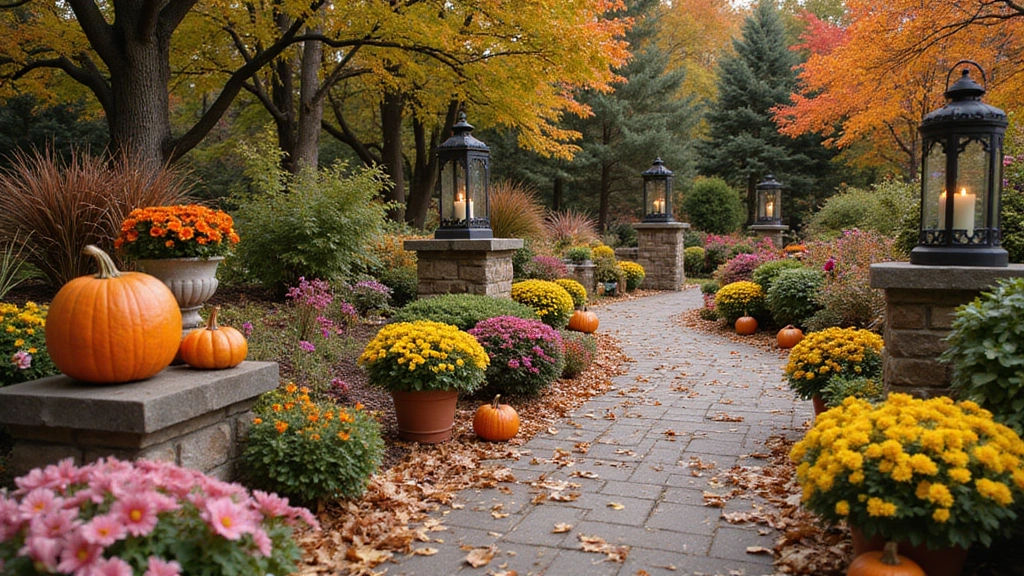
    Want a front yard that stays pretty as the air cools? Fall color comes from hardy plants that love cooler weather. Chrysanthemums, sedums, and fall asters give a bright burst as the season changes. They are tough, require little care, and stay neat with little work.

    Here is why they work in an easy care bed. They resist light frost and stay bold from late summer through late fall. They take sun well and need little extra water once they settle in. They mix nicely with other textures.

    What to plant

    – Chrysanthemums (mums): come in gold, orange, burgundy. They bloom strong in autumn and fill space fast.

    – Sedums: low mounds with pink, red, or bronze tones. They stay compact and soften edges.

    – Fall asters: small daisy flowers in purple, pink, or white. They add a bright pop of color.

    How to arrange

    – Plant in groups for maximum impact. Do clusters of 3 to 5 plants in a bed corner.

    – Mulch with 2 inches of shredded bark or compost mix. It warms roots and keeps weeds down.

    – Pair with ornamental grasses for texture and wind movement. Choose soft blades that catch the light.

    Next steps: pick a sunny, well drained spot. Mark three to five groupings. Plant this weekend. Water deeply until roots settle. Then sit back and enjoy a season of color.

    Fall in love with low maintenance flower beds in front of your house! Let hardy blooms like chrysanthemums and fall asters bring vibrant color with minimal effort as the season changes.

    15. Fall Foliage Flair

    Editor’s Choice

    16. Color Wheel Design

    20 Stunning Low Maintenance Flower Beds to Transform Your Front Yard (You Won't Believe #4!) - 16. Color Wheel Design

    Color wheel design helps you set up a bed that looks intentional and easy to care for. When you place blooms by color, the pattern reads clearly. Use opposite colors for a spark, or neighboring hues for a softer look.

    Here is why it works: you get balance, not chaos. The wheel guides you to mix cool and warm tones so the bed stays lively. It also helps you space blooms so color lasts from spring to fall.

    Plan your palette

    – Pick 2-3 main colors before you buy. A tight palette stays neat as it fills in.

    – Add a splash of a third color as an accent. It catches the eye without shouting.

    – Pair cool tones with warm ones to add depth.

    Practical picks

    – Use perennials for a steady base and add a few annuals for quick color changes. This keeps color moving all season.

    – Place bigger blooms toward the back or center and smaller ones at the edges. It boosts visibility.

    – Include a scented plant, like lavender, to add aroma as you walk by.

    Insights:

    – Plan ahead and plant with that palette in mind. A clear scheme looks intentional all season.

    – Prune regularly to keep colors fresh.

    – A color wheel can turn a plain bed into a small art piece in your front yard.

    Next steps.

    16. Color Wheel Design

    Editor’s Choice

    17. Herbs in Bloom

    20 Stunning Low Maintenance Flower Beds to Transform Your Front Yard (You Won't Believe #4!) - 17. Herbs in Bloom

    You want a front yard that looks nice and gives you fresh herbs with little work. Here is why herbs in bloom fit a low maintenance bed. They add color and fragrance without heavy upkeep. They stay compact and easy to care for, and they pair well with bright flowers.

    Let’s break it down:

    – Plant herbs near pathways for easy snips.

    – Pair with flowers that attract pollinators for added life.

    – Regularly harvest herbs to encourage growth and keep their shape.

    Next steps:

    – Choose basil, rosemary, and thyme. They work well in sun and well-drained soil.

    – Place a small herb patch where you can reach it from the door and garden path.

    – Mulch lightly and water deep once a week to keep roots happy.

    Herbs stay low key but bring big wins. Basil gives a fresh scent, thyme adds a tiny green carpet, rosemary stays evergreen in milder winters. When your herbs and flowers bloom together, you get texture, color, and a usable harvest all season. This approach keeps your front yard welcoming without adding clutter.

    17. Herbs in Bloom

    Editor’s Choice

    18. Seasonal Switch-Up

    20 Stunning Low Maintenance Flower Beds to Transform Your Front Yard (You Won't Believe #4!) - 18. Seasonal Switch-Up

    Your front yard can stay fresh all year with a simple plan. A seasonal switch-up helps you keep color flowing from spring to fall. You guide the look by bloom time and smart foliage. Here is how you do it.

    – Plan three bloom windows: spring, summer, and autumn. This gives you a steady flow of color.

    – Spring starts with bulbs. Plant tulips and daffodils in the fall so they push through as the days warm. Add light greens and small grasses to soften the bed.

    – Summer shines with bright picks. Dahlias, zinnias, and coleus bring bold color. Group them where you walk most so you see large patches of hue.

    – Autumn rounds out the show. Asters, mums, and grasses add warm tones as nights cool. Let their leaves add texture after flowers fade.

    – Easy foliage keeps it lively. Choose plants with good leaves that stay pretty even when they aren’t blooming.

    Tips:

    – Plant bulbs in fall for spring color.

    – Group plants by their blooming season for a planned look.

    – Use foliage varieties that stay attractive year-round.

    This plan makes your garden feel new without extra work and gives you color you can enjoy all season.

    Transform your front yard with a seasonal switch-up! Plan for blooms in spring, summer, and autumn, and enjoy a stunning display that keeps your garden vibrant all year long.

    18. Seasonal Switch-Up

    Editor’s Choice

    19. Artistic Arrangements

    20 Stunning Low Maintenance Flower Beds to Transform Your Front Yard (You Won't Believe #4!) - 19. Artistic Arrangements

    You want a front yard that looks like a living gallery, but you don’t want heavy maintenance. A well arranged bed stays colorful and neat with simple choices. Here is why layering plants matters. By stacking height, texture, and color, you get rhythm and easy care from spring to fall.

    Here is how to plan it:

    – Create three height levels: tall, middle, low. Try tall options such as phlox or foxglove. In the middle, place daisies or coneflowers. For the ground layer, pick pansies, creeping thyme, or alyssum.

    – Pick a clear focal point plant. It anchors the bed and draws the eye.

    – Group plants in odd numbers. Three, five, or seven of each type feel natural and balanced.

    Suggestions:

    – Choose a focal point plant for added drama.

    – Use odd numbers for groupings to enhance flow.

    – Include decorative pieces like small statues or stones for charm.

    Finish with practical touches:

    – Mulch to cut weeds and keep moisture steady.

    – Edging keeps lines clean.

    – A simple drip line or soaker hose makes care easy.

    Next steps: plan color harmony and bloom timing. Pair cool tones with warm accents and stagger flowering. With these steps, your front yard becomes a living display you can enjoy daily.

    19. Artistic Arrangements

    Editor’s Choice

    20. Zen Garden Serenity

    20 Stunning Low Maintenance Flower Beds to Transform Your Front Yard (You Won't Believe #4!) - 20. Zen Garden Serenity

    If your front yard feels busy, you crave calm. A Zen garden gives you a quiet, low maintenance space you can enjoy daily.

    Start with a simple canvas: pale sand or fine gravel. Add a few small plants that stay neat and easy to care for, like bamboo shoots, a tiny Japanese maple, and blue fescue. The mix adds soft texture and year‑round color without a lot of work.

    This style turns the yard into a calm stage. Sand or gravel stays tidy with little effort. Use your rake to draw lines that catch the light and guide your eye slowly across the scene.

    Tips:

    – Use raked patterns in the sand for a meditative touch.

    – Select stones that match the size and color of your plants.

    – Keep the layout clean and uncluttered for maximum serenity.

    To build it: plan a small area in front of your home. Lay a smooth base of sand or gravel. Place 2–3 compact plants such as bamboo, a petite Japanese maple, and blue fescue. Water well during the first weeks, then let the soil dry a bit between waterings. Mulch lightly to keep weeds down.

    Limitations: Zen gardens shine in quiet spaces and light sun or light shade. They need little upkeep but you will rake, prune, and refill sand occasionally. They work best when you keep paths and plants simple and neat.

    With time, your front yard becomes a peaceful retreat you can enjoy all year.

    20. Zen Garden Serenity

    Editor’s Choice

    Conclusion

    20 Stunning Low Maintenance Flower Beds to Transform Your Front Yard (You Won't Believe #4!) - Conclusion

    Transforming your front yard with low maintenance flower beds is not just a dream; it’s entirely achievable!

    Whether you lean toward colorful perennials, edible gardens, or serene Zen designs, the options are endless.

    With just a bit of planning and creativity, you can create a stunning outdoor space that requires minimal upkeep while showcasing your personal style.

    Note: We aim to provide accurate product links, but some may occasionally expire or become unavailable. If this happens, please search directly on Amazon for the product or a suitable alternative.

    This post contains Amazon affiliate links, meaning I may earn a small commission if you purchase through my links, at no extra cost to you.

    Frequently Asked Questions

    What are the best low maintenance flower beds for beginners?

    If you’re just starting out, you might want to consider perennials and native plants for your low maintenance flower beds in front of your house. Perennials like lavender and daylilies come back year after year with minimal care. Native plants are adapted to your local climate, making them easier to grow and maintain. Just remember to choose a sunny spot and enjoy the beauty with very little effort!

    How can I make my front yard more drought-resistant?

    To create a drought-resistant flower bed, start by selecting plants that thrive in dry conditions, such as succulents, agave, and lavender. These easy-care plants require less water and are perfect for sunny spots. Additionally, using mulch can help retain moisture in the soil, reducing the frequency of watering. Your front yard can be both beautiful and water-wise!

    What are some easy care plants that attract pollinators?

    If you want to attract pollinators to your front yard, consider planting bee balm, coneflowers, and zinnias. These colorful blooms are not only easy to care for but also draw in bees and butterflies. By incorporating these plants into your low maintenance flower beds, you’ll create a lively and vibrant environment that supports local wildlife while adding beauty to your front of house.

    Can I combine flowers and edible plants in my front yard?

    Absolutely! Blending flowers with edible plants is a fantastic way to create a beautiful and functional space. Consider using herbs like basil and oregano alongside colorful flowers like marigolds or nasturtiums. This combination creates a stunning low maintenance flower bed that not only looks great but also provides fresh ingredients for your kitchen. It’s the best of both worlds!

    How do I choose the right plants for shade in my front yard?

    If your front yard has shady spots, don’t worry! You can still have a vibrant flower bed by opting for shade-loving plants like hostas and ferns. These plants thrive in low light conditions, adding texture and color to your space. Make sure to assess the amount of shade throughout the day and choose plants accordingly for a stunning and easy-care low maintenance flower bed.

    Related Topics

    low maintenance flower beds

    front yard transformation

    easy care plants

    drought-resistant gardening

    perennial plants

    pollinator-friendly flowers

    minimalist garden design

    cottage garden style

    seasonal gardening

    beginner gardening tips

    edible landscaping

    rock garden ideas

  • 25 Stunning Backyard Landscaping Designs That Will Transform Your Outdoor Space (Wait Until You See #12!)

    Here is why I made this post. I want you to turn a plain backyard into a space you actually enjoy. After long days, stepping outside should feel like a small vacation. But many ideas feel flashy or out of reach. So I pulled together 25 backyard landscaping designs that blend style with real life. They fit small and big spaces, and they focus on things you can do without draining your weekends.

    Who it’s for? If you love an outdoor room you can use, if curb appeal matters but you want to keep things simple, this is for you. Homeowners who want a cozy, practical space will find what they need here. Busy families, weekend DIYers, and anyone who wants a yard that looks good in all seasons will get ideas that actually work in real life.

    What you’ll get? 25 designs with clear notes on materials, scale, and upkeep. You’ll see styles from modern to rustic to natural. Each design includes tips for hardscaping—pavers, wood, stone—plus plant picks that thrive in your climate. You’ll find budget-friendly options and a straightforward plan to start implementing them this month.

    Wait until you see #12 — it’s a clever mix of seating, soft lighting, and layered plants that makes a small yard feel bigger. It looks polished without feeling fussy, and it proves you don’t need a huge space to create a welcoming outdoor room.

    How to use this guide? Start by walking your space. Notice where sun hits, where shade lives, and what you actually use on evenings and weekends. Then pick 2-3 ideas that fit your space and your style, and adapt them to your home. Think in small steps and build from there.

    Next steps are simple: skim the designs, note your favorites, and plan a quick update you can tackle this weekend. You’ll gain confidence as you see how easy it can be to turn your backyard into a place you want to share with family and friends.

    Contents

    1. The Modern Minimalist Escape

    25 Stunning Backyard Landscaping Designs That Will Transform Your Outdoor Space (Wait Until You See #12!) - 1. The Modern Minimalist Escape

    You want a backyard that feels calm and clean. A modern minimalist escape can give you that. It uses simple lines, a quiet color plan, and space to breathe.

    Choose a monochrome palette—shades of gray, white, and black. Let natural textures carry the look: smooth concrete, warm wood, and cool stone. Keep furniture slim and purposeful so the space stays open.

    Use large potted plants for a clean silhouette.

    Add geometric shapes in pathways or garden beds.

    Choose a few bold furniture pieces instead of many small items.

    Plan around a focal point like a fire pit, a water feature, or a bold planter. Lay out straight lines for paths and edge them cleanly. Limit your plant choices to two or three varieties with similar color and form.

    Lighting should be soft and low; a few wall lights add safety without glare. Choose seating that invites time outside, such as a compact sofa or a pair of lounge chairs.

    Keep maintenance simple. Minimalist yards need less work and show dust fast. Start small and build as you go.

    With time, your simple yard grows into a quiet space you can enjoy year round.

    1. The Modern Minimalist Escape

    Editor’s Choice

    2. Rustic Charm with Native Plants

    25 Stunning Backyard Landscaping Designs That Will Transform Your Outdoor Space (Wait Until You See #12!) - 2. Rustic Charm with Native Plants

    If a warm, rustic yard is your goal, native plants can do the job. They grow well in your area and invite local birds, bees, and butterflies. This look feels friendly and easy to care for.

    Here’s how to build it.

    Choose a mix of native wildflowers. Pick varieties that bloom in spring, summer, and fall. Plant them in clusters for bold color.

    Add wooden elements. Use cedar benches or a trellis. Wood adds warmth and long-lasting texture.

    Lay natural stone paths. Set small, rounded stones to create a gentle walk. Let moss grow in the gaps for a soft touch.

    Layer with texture. Add native grasses, low shrubs, and groundcovers. This gives color and depth through the seasons.

    Care basics. Mulch around plants to keep soil cool and moist. Water new plants slowly for the first few weeks.

    Wildlife and upkeep. Native plants attract pollinators and birds. Some natives spread, so prune to keep the look tidy and fit your space.

    Next steps: choose a sunny bed, plan groupings, and map a path. Start small, watch what thrives, and adjust as seasons change. This approach stays true to your area and keeps care simple.

    2. Rustic Charm with Native Plants

    Editor’s Choice

    3. Tropical Paradise

    25 Stunning Backyard Landscaping Designs That Will Transform Your Outdoor Space (Wait Until You See #12!) - 3. Tropical Paradise

    You want a yard that feels like a vacation, not a chore. A tropical look can give you color, shade, and a calm mood. Here is why it works and how you can make it real.

    Plant ideas: Banana trees give bold, big leaves. Hibiscus adds bright blooms most of the year. Add a palm or two to create a canopy. Use climbing vines on a wall for extra color.

    Water feature: A small pond or fountain adds a peaceful splash. Koi fish bring life and motion. Keep the basin shallow and easy to clean.

    Borders and fencing: Bamboo borders look natural and warm. Use it around a patch or as a screen against a neighbor.

    Seating and shade: Place a comfy set under a shade sail or a large umbrella. A shaded spot helps you stay outside longer.

    Next steps: Check which areas in your yard get sun and which stay shaded. Pick a corner for the water feature. Choose three plants you love and map where they go. Start small and add as you go.

    3. Tropical Paradise

    Editor’s Choice

    4. Zen Garden Retreat

    25 Stunning Backyard Landscaping Designs That Will Transform Your Outdoor Space (Wait Until You See #12!) - 4. Zen Garden Retreat

    You want a quiet corner where your day slows down. A Zen garden gives you that calm space without fuss. It relies on sand or gravel, a few rocks, and simple plants. The feel is clean, and the mood is peaceful.

    Here is why this setup works. You see patterns in the sand that guide your breath. You hear the soft sound of gravel under your feet. You touch driftwood or stone and feel grounded. It’s a tiny retreat you can visit any time.

    Let’s break it down into steps you can do this weekend.

    – Pick a quiet spot in your yard away from loud areas.

    – Lay a light weed barrier and spread a thin layer of gravel or fine sand.

    – Rake the surface in simple lines. Straight lines feel calm; gentle curves invite you to linger.

    – Place one or two large rocks or a piece of driftwood as a focal point.

    – Add moss, small ferns, or a low bamboo variety for soft green touches. Keep plants sparse so they won’t crowd the space.

    – Create a simple edge with low stones or timber edging. Add a stepping stone path if you want to approach the yard slowly.

    – Add a small bench or a flat stone to sit and breathe.

    Maintenance is light. Rake the sand weekly, wipe leaves away, and mist moss when it dries. This retreat stays quiet when you keep it simple.

    4. Zen Garden Retreat

    Editor’s Choice

    5. Elegant English Garden

    25 Stunning Backyard Landscaping Designs That Will Transform Your Outdoor Space (Wait Until You See #12!) - 5. Elegant English Garden

    If you want a space that feels timeless and calm, an elegant English garden can give you that. It blends neat borders with gentle vines. You’ll see color through the year, a nice fragrance in the air, and a quiet spot to unwind.

    Here is why it fits many yards. It looks tidy but still feels alive. It invites you to slow down and enjoy the scene.

    Seasonal blooms for year-round charm: Use a mix of plants that bloom at different times so color and scent shift with the season.

    Classic entry features: A wrought-iron gate or a trellis frames the entry and adds a timeless touch.

    Winding paths: Curved gravel or brick paths invite slow walks and new views.

    Cozy seating: A small bench or bistro set gives you a place to rest and watch the garden go by.

    Height and scent: Climbing roses or vines on arches lift the view and fill the air with fragrance.

    Soft borders: Lavender, thyme, and soft greens along edges calm the space and add a pleasant scent.

    Care and upkeep: Mulch, light pruning, and a simple watering plan keep it easy to manage.

    Next steps: measure your area, sketch a rough layout, and pick a few key plants. Start with the entry feature and a short, curving path, then add seating to finish the scene.

    5. Elegant English Garden

    Editor’s Choice

    6. Firepit Gathering Area

    25 Stunning Backyard Landscaping Designs That Will Transform Your Outdoor Space (Wait Until You See #12!) - 6. Firepit Gathering Area

    Are you hoping to turn your yard into a warm, inviting spot? A firepit area does that. It brings heat, invites chat, and glows at night.

    Here is why this works: it creates a natural center for gatherings and longer outdoor time.

    It adapts to a small yard or a big patio.

    Next steps to build it simply:

    Circle the seating: place comfy chairs or benches in a ring around the pit.

    Base the pit on solid ground: use stone, brick, or a flat pad to keep it steady.

    Finish the edge: add a ring of brick, pavers, or decorative stone to frame the area.

    Light it up: string lights overhead and add lanterns at seating level for a warm mood.

    Style choices: pick stone, brick, or metal to match your home and yard.

    Gas option: if you want less cleanup, pick a gas fire pit with a quick start.

    Make it cozy and safe:

    – Add weatherproof cushions, a small outdoor rug, and a couple of blankets.

    – Keep a clear safety zone around the flames and have water or sand nearby.

    Benefits in mind:

    – It gives you a place for chats, snacks, and quiet evenings.

    – It can fit a small yard or a large patio by changing the pit size and seating.

    Tips for reality:

    – Check local rules before lighting a fire.

    – Decide if you want wood or gas, and pick a pit that fits your space.

    Next steps: mark the spot with chalk, gather the materials, and start building.

    6. Firepit Gathering Area

    Editor’s Choice

    7. Colorful Bougainvillea Border

    25 Stunning Backyard Landscaping Designs That Will Transform Your Outdoor Space (Wait Until You See #12!) - 7. Colorful Bougainvillea Border

    Need a splash of color along your borders? Bougainvillea can be your best friend. It loves sun and heat, and its colorful bracts grab the eye. Along a fence or wall, it creates a color edge and privacy.

    Here is how to use bougainvillea in borders.

    Create a living fence: plant a row along the edge. Train the vines on a trellis, wire, or mesh for a neat wall of color.

    Pair colors with greens: pick one or two tones that stand out against the leaves. Magenta and orange look great together, but pinks and purples work too.

    Train for space: run the branches along a wall to use vertical space. This keeps ground open for paths and planters.

    Care and upkeep:

    Sun and soil: pick a sunny, well-drained spot. If soil is heavy, mix in compost.

    Watering and feeding: water deeply weekly in dry weather. Let the top inch dry. Feed in spring.

    Pruning: prune after bloom to shape and spur growth. Remove dead wood.

    Style ideas:

    Border along a patio path.

    Arch on a trellis.

    Next steps:

    – In cold areas, bring pots indoors for winter or wrap roots.

    – Expect growth and train vines early.

    Your border will shine.

    7. Colorful Bougainvillea Border

    Editor’s Choice

    8. Garden Pathways That Wow

    25 Stunning Backyard Landscaping Designs That Will Transform Your Outdoor Space (Wait Until You See #12!) - 8. Garden Pathways That Wow

    You want garden paths that guide guests, look good, and stay sturdy. You need a route that feels natural and is easy to walk. This guide gives simple steps, material ideas, and clear actions you can take now.

    Material options that stand out

    – Pebbles. Small, smooth, and a soft sound underfoot.

    – Flagstone. Flat slabs with a timeless feel.

    – Reclaimed wood. Warm color and rustic charm.

    – Pavers or tiles. Clean lines that fit many yards.

    Design ideas that wow

    – Curve the path to follow the land. It invites a closer look.

    – Mix textures. Pair gravel with larger stones for a modern touch.

    – Edge with low plants. A green frame makes the path pop.

    – Lead to a quiet spot. A hidden corner adds charm.

    How to install in simple steps

    – Plan the route with string and stakes.

    – Dig a shallow trench and lay a sand base.

    – Set the pieces and check level as you go.

    – Fill joints with sand and add edging.

    Care that keeps a path fresh

    – Rake weeds and sweep debris often.

    – Wash with water and a stiff brush.

    – Refill joints as needed and reseal pavers.

    Next steps: map your space, pick two materials, and sketch the curve. Your garden path can invite exploration and linger in memory.

    8. Garden Pathways That Wow

    Editor’s Choice

    Design Materials Cost Suggestions
    The Modern Minimalist Escape Concrete, wood, stone, large potted plants $62.99 (planters) Use a monochrome palette, keep furniture slim.
    Rustic Charm with Native Plants Native wildflowers, cedar, natural stone $9.99 (wildflower seeds) Plant in clusters, add wooden elements.
    Tropical Paradise Banana trees, hibiscus, bamboo borders $29.99 (banana plants) Create a water feature, use climbing vines.
    Zen Garden Retreat Gravel, rocks, small ferns $37.99 (landscape rake) Rake in simple lines, keep plants sparse.
    Elegant English Garden Roses, lavender, thyme $90.94 (trellis) Use seasonal blooms, create winding paths.
    Firepit Gathering Area Stone, brick, weatherproof cushions $109.99 (fire pit) Circle seating around the pit, add string lights.
    Butterfly Garden Coneflowers, milkweed, zinnias $6.11 (wildflower seeds) Include nectar and host plants, create sunny spots.

    9. Vertical Gardens for Small Spaces

    25 Stunning Backyard Landscaping Designs That Will Transform Your Outdoor Space (Wait Until You See #12!) - 9. Vertical Gardens for Small Spaces

    Short on space? A vertical garden can give you a lush look without stealing floor room. You grow up, not out, using walls, fences, or railings.

    Here is how to start

    – Spot a sturdy wall or fence that gets enough sun for the plants you pick.

    – Choose planters that fit your space, like wall-mounted boxes, metal pockets, or a repurposed pallet with a tray for drainage.

    – Pick plants that grow well upward. good options are succulents, climbing vines, herbs like basil and mint, and small leafy greens.

    – Set up watering with a simple drip line or a soaker hose to keep maintenance easy.

    – Mount planters in even stages and plant with drainage in mind so water flows away from the wall.

    Next steps: measure your space, install the planters, fill them with soil, and place each plant where it will get the right light.

    The payoff and care

    Vertical gardens add color and privacy while leaving the floor clear. They also create a living scent and texture you can feel as you brush past.

    Tips to keep it thriving

    – Check weight. Water adds load, so use sturdy anchors and light, shallow planters where you can.

    – Drainage matters. Use a tray or liner to catch excess water and avoid wall damage.

    – Match light. Pick plants that suit the light you have, and rotate them as seasons shift.

    – Keep it simple. Start small and add more layers as you get the hang of it.

    9. Vertical Gardens for Small Spaces

    Editor’s Choice

    10. Cozy Pergola Retreat

    25 Stunning Backyard Landscaping Designs That Will Transform Your Outdoor Space (Wait Until You See #12!) - 10. Cozy Pergola Retreat

    You want a backyard that feels calm and easy to use. A cozy pergola can give you that with just a simple frame. It adds shade, order, and a go-to spot for rest or chats.

    Here is how to make it a retreat you actually use.

    – Place it where the sun is strongest to shade your seating.

    – Choose comfy seating with cushions and a small table.

    – Add soft lighting like string lights or small solar lanterns.

    – Grow climbing plants or hang lightweight fabric to soften the look.

    – Use weather-friendly fabrics and a rug to define the space.

    What makes this space inviting? Good lighting, natural elements, and a clean, simple layout. Pick materials that fit your yard. Cedar, treated pine, or a powder-coated frame all work well. Go with a style that feels like your home, not a mini room under glass.

    Maintenance is part of the plan. Trim vines so light stays balanced. Check screws and posts a couple of times a year. Clean cushions and wipe down beams after rain.

    Next steps? Measure your area, sketch a quick layout, and choose an easy care finish. Start with one corner of your yard and build outward. You’ll gain a shaded, social spot that’s ready for everyday moments.

    10. Cozy Pergola Retreat

    Editor’s Choice

    11. Eco-Friendly Landscape

    25 Stunning Backyard Landscaping Designs That Will Transform Your Outdoor Space (Wait Until You See #12!) - 11. Eco-Friendly Landscape

    11. Eco-Friendly Yard

    If you want a yard that uses less water and helps local life, you are in the right place. An eco-friendly yard saves money, slows flooding, and invites birds and butterflies. Here is why these choices work: native plants fit your soil, rain gardens catch runoff, and permeable paths let water sink in.

    – Start with native plants that handle sun and drought. They need less water and fewer chemicals.

    – Build a rain garden to soak excess rain and slow drainage.

    – Use permeable paving like gravel, stepping stones, or porous concrete to prevent puddles.

    – Install a drip system with a timer. It waters roots directly and wastes less water.

    – Mulch flower beds and improve soil. Mulch keeps soil moist and feeds helpful worms.

    – Put a rain barrel under a downspout. Use captured water on hot days.

    – Pick drought-tolerant natives and grasses. They attract pollinators and stay lush with less care.

    – Add wildlife spots: a small birdbath, native shrubs, and berry plants.

    – Create a simple care plan. Trim, weed, and re-mulch when the season changes.

    – Be honest about limits. Some spots need more care, but the long-term payoff is steady growth.

    A green yard reduces waste, lowers bills, and helps bees and birds thrive outside your door.

    Transform your outdoor space with an eco-friendly landscape! Native plants not only require less water but also provide a sanctuary for local wildlife. Embrace nature and watch your garden thrive!

    11. Eco-Friendly Landscape

    Editor’s Choice

    12. The Secret Garden

    25 Stunning Backyard Landscaping Designs That Will Transform Your Outdoor Space (Wait Until You See #12!) - 12. The Secret Garden

    You want a quiet, magical spot in your yard. A secret garden gives you that safe, hidden feel. It draws you in and invites you to breathe slow. Here is why this idea fits any home. Let’s break it down into simple steps.

    Winding paths guide your eye with stepping stones or gravel and reveal small wonders.

    Privacy comes from tall hedges or grasses that create seclusion.

    Secluded seating gives you a cozy nook tucked behind vines.

    Soft lighting uses string lights, solar lanterns, or a candle in a safe holder.

    Whimsy adds a tiny statue, a bird bath, or a hidden gnome.

    Scent and sound keep the space alive with lavender, a gentle fountain, and rustling leaves.

    Next steps to make it real:

    – Choose a small corner to start.

    – Map a 6 to 8 ft circle or oval.

    – Pick two or three hardy perennials and a few evergreen accents.

    – Build a simple border with treated wood, bricks, or low stone.

    – Add drip irrigation or a simple mulch layer to cut weeds and save water.

    – Keep maintenance simple: prune weekly and mulch yearly.

    In time, your yard feels like a secret you can visit any day. It stays calm, yet invites exploration.

    Next steps will help you move forward. Take it slow.

    12. The Secret Garden

    Editor’s Choice

    13. Urban Rooftop Oasis

    25 Stunning Backyard Landscaping Designs That Will Transform Your Outdoor Space (Wait Until You See #12!) - 13. Urban Rooftop Oasis

    City life can feel crowded. A rooftop garden gives you a quiet escape just above the busy street. Here is why a rooftop oasis matters: it adds color, softens noise, and gives you a space to refresh.

    Start with safety and ease. Planters should be light so the roof stays within its weight limit. Choose drought-tolerant plants to cut watering and upkeep. Add a seating area or a small dining spot so you can enjoy meals with a view.

    Lightweight planters: Use lighter containers like plastic or composite pots and mount them with rails when you can.

    Drought-tolerant plants: Pick succulents, grasses, and hardy perennials that survive dry spells.

    Seating and dining space: A compact bench, folding chairs, and a cafe table fit most rooftops.

    Make the space last. Weatherproof furniture handles sun and rain, and washable cushions keep looks fresh. Add ambient lighting with solar lights or warm LEDs to extend evenings. Plan for wind and drainage too: choose planters with good drainage and secure bases so you won’t lose pots to gusts.

    Next steps. Map where the sun lands throughout the day. Pick a simple color theme that follows your style. Check building rules and weight limits before you buy. Start small with a few planters and grow your green roof over time.

    13. Urban Rooftop Oasis

    Editor’s Choice

    14. Whimsical Fairy Garden

    25 Stunning Backyard Landscaping Designs That Will Transform Your Outdoor Space (Wait Until You See #12!) - 14. Whimsical Fairy Garden

    You want a playful spot in your yard without a big project. A fairy garden fits that need. It adds whimsy to your backyard and stays easy to manage. It’s a place where imagination can grow, for kids and adults alike. You can start small and watch it sparkle through the seasons.

    Step-by-step setup

    Choose a spot Pick a small, easy-to-see patch near a door or path. A little sun or shade helps the plants stay healthy.

    Plant picks Use moss, creeping thyme, tiny ferns, and a few small succulents. They stay compact and bright with little care.

    Add mini decor Place a tiny house, a tiny bridge, and small figurines. Keep colors soft so the scene feels magical.

    Make paths Line trails with smooth pebbles or fine sand. A winding route guides the eye and invites a closer look.

    Finish and care Layer soil and mulch. Water lightly and trim excess growth. Swap in seasonally fresh pieces to keep it lively.

    Here is why this idea works. It fits any yard size, teaches kids gentle care, and adds daily delight. Next steps: start small, keep it simple, and update pieces as your interest grows.

    14. Whimsical Fairy Garden

    Editor’s Choice

    15. Butterfly Garden

    25 Stunning Backyard Landscaping Designs That Will Transform Your Outdoor Space (Wait Until You See #12!) - 15. Butterfly Garden

    You want a backyard that invites butterflies. It’s not just pretty. It helps local life. A well planned butterfly garden adds color from spring to fall and gives you joy.

    Here is why it works. To start, design around three things: nectar, host plants, and places to warm up and rest.

    Nectar plants: Pick flowers that feed butterflies. Coneflowers, asters, butterfly bush, and zinnias work well. Plant several kinds to cover spring through fall.

    Host plants: Butterflies lay eggs on specific plants. Monarchs love milkweed. Swallowtails use parsley, dill, or fennel. Put these in sunny spots near your nectar beds.

    Sun and shelter: Butterflies love sun. Put the bed where it gets light most of the day. Add a shrub or tall grass to block wind and give a perch.

    Water and soil: Offer a shallow dish with stones so tiny feet have a safe place. Mulch the soil to hold moisture.

    Care and limits: Skip chemical sprays. Go organic. Deadhead spent blooms to keep color flowing and reduce pests.

    Here is how to put it in place. Start small. Group plants in clusters. Use three height levels: ground covers, mid plants, and tall blooms. Space them so fluttering butterflies can move between flowers.

    Next steps. Observe visitors. Tweak plant choices as seasons shift. With time you gain a lively corner that brings charm and tiny wings into your yard.

    15. Butterfly Garden

    Editor’s Choice

    16. Charming Cottage Garden

    25 Stunning Backyard Landscaping Designs That Will Transform Your Outdoor Space (Wait Until You See #12!) - 16. Charming Cottage Garden

    Charming Cottage Garden

    Want a cozy, welcoming backyard? A charming cottage garden fills the space with color, scent, and soft curves. It uses an informal layout and grows with flowers and herbs. This style feels friendly and relaxing, not fussy. Here is how you can create it.

    – Plant a mix of flowers and herbs in loose clusters rather than neat rows.

    – Let vines climb a trellis or arch to add shade and a playful touch.

    – Add a small bench, a birdbath, or a rustic wheel for a charming focal point.

    – Create simple paths with brick or stepping stones that invite you to wander.

    – Choose a soft color palette with pinks, purples, blues, and warm yellows.

    – Surround beds with a light mulch and a low edging to keep edges tidy.

    – Place herbs like thyme, oregano, and chives near beds for scent and practical use.

    Here is why this works: the grouping and wild feel help plants care for themselves while still looking full.

    Next steps: deadhead faded blooms, water deeply a few times a week, and let plants spread over the season. This style needs time, but it pays off with everyday joy.

    With care, your yard becomes a warm, welcoming retreat that changes with the seasons.

    16. Charming Cottage Garden

    Editor’s Choice

    17. Contemporary Water Features

    25 Stunning Backyard Landscaping Designs That Will Transform Your Outdoor Space (Wait Until You See #12!) - 17. Contemporary Water Features

    Here is why you might want a water feature in your backyard. It adds calm sounds, soft movement, and a clear focal point you can enjoy every day.

    Modern fountain as a main feature. A clean, simple fountain catches the eye. It runs with little effort and gives a steady trickle.

    Small pond with plants. A tiny pond brings color and life. Add water lilies and grasses. Keep it shallow to stay safe.

    Stone accents. Use pavers, a rock border, or a dry creek to blend the feature with your yard. Neutral tones feel quiet.

    Next steps: plan where it goes and how you’ll power it. Sun and wind matter. A solar pump is easy and keeps wiring simple.

    Maintenance is part of the plan. Remove leaves, check the pump, and skim algae. A fall net helps keep debris out.

    Choose by space and budget. For a small yard, pick a slim fountain or a tiny pond. For a bigger yard, a pond plus a stone feature works well.

    Try trends: low-flow pumps, LED lights for night glow, and simple liner kits for ponds.

    Be honest about limits. Water features need water, power, and care. Start with a simple plan, a few measurements, and a budget. Here are tips to begin.

    A water feature isn’t just a pretty addition; it’s a serene escape. Embrace the soothing sounds and watch your backyard come alive with nature’s charm!

    17. Contemporary Water Features

    Editor’s Choice

    18. Seasonal Seasonal Planting

    25 Stunning Backyard Landscaping Designs That Will Transform Your Outdoor Space (Wait Until You See #12!) - 18. Seasonal Seasonal Planting

    Seasonal Planting That Keeps Color All Year

    Struggle to keep color in your garden all year? Seasonal planting can fill gaps with blooms in every season.

    Here is why and how to do it.

    Map bloom times: choose plants that flower at different times so something is always in color.

    Create three color zones: a spring bed, a summer bed, and a fall foliage area. Add an evergreen or winter-interest element to keep shape in winter.

    Mix flowers with foliage: bright blooms plus textured leaves and grasses for winter color.

    Example combos:

    – Spring bed: daffodils, tulips, and alliums

    – Summer bed: daylilies, echinacea, and salvia

    – Fall bed: asters, chrysanthemums, and ornamental grasses

    Sun and soil needs: group sun lovers together, place shade lovers in shade. Check soil pH and amend with compost.

    Care steps: mulch to keep roots cool, water deeply, prune after blooming to extend color.

    Keep realistic expectations: winter color may be muted. Use evergreen shrubs, variegated leaves, and winter berries.

    Next steps: sketch a simple plan, mark sun spots, and pick one plant per season to add this year.

    18. Seasonal Seasonal Planting

    Editor’s Choice

    19. Dreamy Outdoor Living Room

    25 Stunning Backyard Landscaping Designs That Will Transform Your Outdoor Space (Wait Until You See #12!) - 19. Dreamy Outdoor Living Room

    You want a cozy outdoor living room. Not just a yard, but a place you can truly relax. This corner of your backyard should feel like a second room.

    Here is why good choices matter:

    Comfortable, weatherproof seating. Pick a sofa or chairs with sturdy frames that stand up to sun and rain. Add cushions built for outdoors with fade-resistant fabric and removable covers.

    Define the space with a rug. Place a durable outdoor rug under all seating. Choose a color that hides dirt and a texture you like under your feet. The rug makes the area feel intentional.

    Warm lighting for evenings. String lights and lanterns give a gentle glow. Use warm bulbs and a dimmer so you can shift from lively chat to quiet moments.

    Practical touches. Add a low table for drinks and snacks, plus side tables for phones and books. Pick weatherproof surfaces like teak, stone, or resin. A few outdoor pillows invite you to lean back.

    Shade and flow. Add a simple umbrella or pergola so noon sun won’t stop you. Arrange seating to face a garden view. Store cushions in a weatherproof box when rain is forecast.

    Next steps: set a small budget and choose one focal feature to begin.

    19. Dreamy Outdoor Living Room

    Editor’s Choice

    20. Raised Garden Beds

    25 Stunning Backyard Landscaping Designs That Will Transform Your Outdoor Space (Wait Until You See #12!) - 20. Raised Garden Beds

    If you want a yard that is easy to care for and full of life, raised garden beds help you win. They boost soil health and keep your plants organized. Here is why raised beds work for you. Let’s break it down.

    Neat, sturdy look: A frame in wood, stone, or metal defines each bed. Soil sits above ground. It gives your yard a crisp feel.

    Sun and reach: Put beds where you get steady sun. Make them 3 to 4 feet wide. Reach the middle from the sides.

    Better soil mix: Fill with a blend of garden soil, compost, and a touch of sand or perlite. The mix drains well and feeds roots.

    Durable options: Reclaimed wood lasts if treated. Or choose stone for a classic, long life.

    Next steps. Pin down sizes. Test sunlight. Pick a height that fits your back.

    Planning quick guide: For a beginner, start with a 4 by 8 foot bed. It is wide enough for many plants. It is not too heavy to build.

    Assembly quick tips: Cut boards. Screw them tight. Line the bottom with a thick weed barrier.

    Filling and planting: Layer soil and compost. Plant herbs, greens, and small tomatoes for a productive starter bed.

    Care tips: Mulch to keep weeds down. Water deeply, then let the soil dry a bit before the next watering. Refresh the topsoil each season.

    Common questions. How high should a bed be. Most people choose 12 to 18 inches. Do I need a trellis. For vines, yes. What about pests. Use sturdy, rot resistant materials and gentle care.

    Next steps: start small, build a plan, and watch your plants grow.

    Elevate your gardening game! Raised garden beds not only boost soil health but also create a stunning visual impact in your large backyard landscaping designs. Dive in and watch your outdoor space come alive!

    20. Raised Garden Beds

    Editor’s Choice

    21. Themed Gardens

    25 Stunning Backyard Landscaping Designs That Will Transform Your Outdoor Space (Wait Until You See #12!) - 21. Themed Gardens

    You want a backyard that tells a story. A themed garden can do that. It gives your outdoor space a clear mood and a sense of place.

    Here is how to build one.

    – Pick a theme you love. Think Mediterranean oasis, Japanese zen garden, or English cottage style. Pick something you can stick with.

    – Choose plants that fit. For a Mediterranean feel, use olive trees, lavender, and rosemary. For a Japanese vibe, add moss, bamboo, and ferns. For a cottage look, plant roses, foxglove, and boxwood hedges.

    – Add decorative touches. Think sculptures, lanterns, distinctive pots, and a small seating area. A water feature or a stone statue can become a focal point.

    – Unify with color. Pick a base tone and repeat it in planters, fabrics, and cushions. A cohesive palette makes the theme feel intentional.

    – Create structure. Use clear paths like gravel or flagstone. Build a focal point with a fountain, a pergola, or a statue. Let the eye move naturally through the space.

    – Plan for upkeep. Check your climate and water needs. Choose drought-tolerant plants if water is tight.

    – Keep options open. Container plants let you adjust as the sun or seasons change.

    This approach turns your yard into a small trip around the world, right at home.

    Next steps: imagine two themes you want, then sketch a simple layout with paths, a focal point, and a few signature plants. Start with one bed and grow from there.

    Transform your backyard into a storybook escape by choosing a theme you love. From a Mediterranean oasis to a Japanese zen garden, let your garden ideas bloom and create a place where memories are made!

    21. Themed Gardens

    Editor’s Choice

    22. Landscape Lighting

    25 Stunning Backyard Landscaping Designs That Will Transform Your Outdoor Space (Wait Until You See #12!) - 22. Landscape Lighting

    Want a yard that stays inviting after sunset? Good lighting does that. It adds safety, highlights your best features, and lets you enjoy the outdoors longer.

    Here is why it helps:

    – Path lights guide guests along walkways.

    – Spotlights lift trees or sculptures into the evening.

    – String lights create a warm, friendly glow.

    Choose simple options.

    – Start with low voltage or solar options. They save energy.

    – Place lights at eye level for the view. Avoid glare that hurts eyes.

    – Use warm white bulbs. They feel cozy and natural.

    Where to place lights

    – Along steps and paths for safe walking.

    – Highlight features like a fountain or statue with soft beam.

    – Behind seating areas to reduce shadows and add depth.

    Practical tips

    – Use timers or smart plugs so lights turn on at dusk and off later.

    – Add dimmers to shift mood from bright task light to a gentle glow.

    – Keep fixtures weatherproof and easy to maintain.

    Limitations and tips

    – A small yard can still feel bright with careful spacing.

    – Start with a simple plan and add more lights later if you want.

    Next steps

    – Sketch your space, note lit spots, and pick a few fixtures to begin.

    22. Landscape Lighting

    Editor’s Choice

    23. Low-Maintenance Landscaping

    25 Stunning Backyard Landscaping Designs That Will Transform Your Outdoor Space (Wait Until You See #12!) - 23. Low-Maintenance Landscaping

    You want a yard that looks nice but needs little care. Low-maintenance planting makes that possible. It uses tough, water-wise plants and simple layouts. Here is how you can set it up now. Here is why this approach works.

    Choose drought-tolerant plants – Pick native perennials, hardy succulents, and ornamental grasses that thrive with less irrigation. Group them by sun and water needs so you can water a whole area at once.

    Mulch to cut weeds and save water – Apply 2 to 3 inches of mulch around beds and shrubs. Mulch slows evaporation, keeps roots cool, and makes weed pulling easier.

    Simplify your plant palette – Limit to a handful of species and repeat them in blocks. This keeps color cohesive and reduces time spent pruning and weeding.

    Add easy ground covers and smart paths – Use gravel, low-growing plants, or stepping stones to cut mowing and maintenance. Ground covers fill gaps, suppress weeds, and guide visitors through the yard.

    Set up water-smart systems – Install drip or soaker irrigation to deliver water at the roots. Water early in the day and let mulch stretch every drop.

    Schedule simple upkeep – Do a quick spring check, trim lightly, and refresh mulch as needed. Short, regular tasks beat a big mess later.

    With these steps you get a tidy, lively outdoor space you can enjoy without constant work. It fits both small and large yards.

    23. Low-Maintenance Landscaping

    Editor’s Choice

    24. Outdoor Kitchen Delight

    25 Stunning Backyard Landscaping Designs That Will Transform Your Outdoor Space (Wait Until You See #12!) - 24. Outdoor Kitchen Delight

    You want an outdoor kitchen that makes your yard feel alive. It should be easy to use, tough in weather, and fun for family and friends. Here is a practical plan you can follow for real results.

    – Pick weatherproof appliances with protective covers. A stainless grill, a small fridge, and a sink that resists rain will keep you cooking without worry.

    – Reserve plenty of prep space and a clear cook zone. Let you chop, mix, and plate with space to spare. Keep a smooth path from prep to grill.

    – Create seating and a shaded area. Put stools at the counter and use a pergola, canopy, or awning so sun and rain don’t slow you down.

    – Add good lighting and safe ventilation. Bright task lights help at dusk, and a hood or vent keeps smoke away from guests.

    – Plan storage and easy cleanup. Weatherproof drawers and cabinets hide tools, and simple-to-clean countertops make wiping down quick.

    Think about materials that last. Stone, concrete, and stainless metals stand up to heat and rain. Use a slip-resistant floor and a smart drainage plan. A few touches like a real sink corner and herb pots bring smells and life to the space.

    Next steps. Measure your space, sketch a layout, and set a simple budget. If needed, ask a pro to review your plan.

    24. Outdoor Kitchen Delight

    Editor’s Choice

    25. Eco-Conscious Hardscaping

    25 Stunning Backyard Landscaping Designs That Will Transform Your Outdoor Space (Wait Until You See #12!) - 25. Eco-Conscious Hardscaping

    You want a backyard that looks good and uses less water. Eco-conscious hardscaping makes it possible. It slows rain runoff, reuses materials, and stays durable year after year. Here is why it helps and how you can start.

    – Permeable patios: Choose porous pavers or open-grid gravel. Rain sinks in, not puddles on the surface.

    – Reclaimed materials: Build with salvaged stone or bricks for walls and paths. They add texture and cut waste.

    – Water-wise features: Add a shallow basin or rain catcher to collect rain. A simple trench or swale guides water to plant edges.

    – Easy maintenance: Skip harsh sealants. Sweep, rinse, and let joints breathe.

    – Quick starter plan: 12×12 foot patio with porous pavers, a brick-edged path, and a 55-gallon rain barrel. Surround with native ground cover for color and soil health.

    Here are quick tips to pick the best options. Choose colors that match your home. Look for local recycled materials to save transport. Test a paver sample for foot feel on a sunny day. Keep edges clear and borders simple for easy upkeep.

    Next steps: measure your space, pick a material, and visit a salvage yard or supplier for prices. You can make real progress in a weekend.

    25. Eco-Conscious Hardscaping

    Editor’s Choice

    Conclusion

    25 Stunning Backyard Landscaping Designs That Will Transform Your Outdoor Space (Wait Until You See #12!) - Conclusion

    These 25 stunning landscaping designs illustrate how varied and beautiful backyard spaces can be.

    Whether you’re looking for a peaceful retreat, a space to entertain, or a vibrant garden, there are endless possibilities to explore.

    With a little creativity and inspiration, your outdoor space can transform into the oasis you’ve always wanted.

    Note: We aim to provide accurate product links, but some may occasionally expire or become unavailable. If this happens, please search directly on Amazon for the product or a suitable alternative.

    This post contains Amazon affiliate links, meaning I may earn a small commission if you purchase through my links, at no extra cost to you.

    Frequently Asked Questions

    What Are Some Key Elements to Consider When Designing Large Backyard Landscaping?

    When tackling large backyard landscaping designs, consider elements like flow and functionality. Think about how spaces will be used—do you want areas for entertaining, relaxation, or gardening? Incorporate zones within your space, like dining areas, fire pits, or lush gardens to create a balanced design.

    Additionally, pay attention to plant selection, choosing species that thrive in your climate and complement your overall aesthetic. Don’t forget to include pathways and lighting to enhance both beauty and accessibility!

    How Can I Incorporate Eco-Friendly Practices into My Backyard Design?

    Creating an eco-friendly backyard is a fantastic way to support the environment while enhancing your outdoor space! Start by selecting native plants that require less water and maintenance. Additionally, consider implementing rain gardens or permeable paving to manage water runoff effectively.

    Using recycled materials for hardscaping and incorporating composting areas can also contribute to a sustainable landscape. Remember, every small change can make a significant impact!

    What Types of Plants Are Best for Low-Maintenance Backyard Landscaping?

    If you’re looking for low-maintenance landscaping options, opt for drought-resistant plants like succulents, ornamental grasses, and native perennials. These plants not only save water but also require less pruning and care.

    Group plants with similar watering needs together to simplify maintenance even further. Incorporating mulch can help retain moisture and suppress weeds, making your backyard a breeze to manage while still looking stunning!

    How Do I Create a Cozy Outdoor Living Space in My Backyard?

    To create a cozy outdoor living space, focus on comfort and ambiance. Start by selecting comfortable seating options like plush outdoor sofas or lounge chairs, and don’t forget plenty of cushions! Incorporate a pergola or canopy for shade and define the space.

    Enhance the atmosphere with string lights or lanterns for soft lighting, and consider adding a fire pit for warmth and gathering. Personal touches like outdoor rugs and decorative pillows can turn your backyard into a true retreat!

    What Are Some Budget-Friendly Ideas for Transforming My Backyard?

    Transforming your backyard on a budget is definitely achievable with some creative planning! Start by prioritizing DIY projects like building your own raised garden beds or creating a simple stone pathway. Use repurposed materials for furniture or decor, giving a unique flair without breaking the bank.

    Also, consider planting seeds instead of purchasing established plants—this can save you money while adding a personal touch to your garden. Small changes can lead to a stunning transformation!

    Related Topics

    backyard landscaping

    garden designs

    outdoor spaces

    eco-friendly landscaping

    minimalist garden

    rustic charm

    tropical landscaping

    Zen garden

    firepit area

    vertical gardens

    seasonal planting

    low-maintenance gardens

  • 20 Backyard Vegetable Garden Hacks That Will Transform Your Space Into a Green Paradise!

    Are you craving a green paradise right in your backyard? This post is for anyone who wants to grow more food in less space, cut grocery bills, and enjoy fresh flavors all season. I pulled together 20 backyard vegetable garden hacks that cover water, soil, space, and pests, so you can turn a small patch into a thriving edible oasis.

    Here is why I made this. I know how hard it is to start with a tiny yard, a busy life, and not much know-how. I want tips that work in real homes, not fancy demos. These hacks are simple, affordable, and doable on a weekend.

    Who it’s for

    If you’re a beginner, a busy parent, a renter with a balcony, or someone who loves clever space ideas, this is for you. If you care about fresh meals, saving money, and a smaller footprint, you’ll feel right at home here.

    What you’ll get

    You’ll get practical hacks that cover water use, soil health, space saving, and pest control. Each tip comes with a quick how-to and a setup you can try this week. The ideas help you save time, cut waste, and harvest more with less fuss.

    For example, you can set up a rain barrel and run a simple drip line to beds. Mulch with shredded leaves to lock in moisture and keep weeds down. Build a low-cost raised bed or use cinder blocks to create a vertical garden. Install a trellis so cucumbers climb and free up ground. Start with fast growers like radishes, lettuce, and spinach to gain confidence. Make a tiny crop plan to rotate plants and keep soil healthy.

    Next steps are easy. Pick one hack to start this weekend. Set a small goal, like installing a drip line or starting a batch of lettuce seeds. If you want, drop a note with your setup and I can help troubleshoot. Gardens grow with small, steady moves, and this guide is here to help you take the first ones.

    Contents

    1. Vertical Gardening

    20 Backyard Vegetable Garden Hacks That Will Transform Your Space Into a Green Paradise! - 1. Vertical Gardening

    If your yard is tight, you can grow a lot with vertical gardening. Putting plants up high saves ground space and lifts the burden off your knees. Here is why this setup works for small spaces. This guide shows a simple, sturdy way to start.

    Vertical Gardening

    Vertical gardening uses walls, trellises, shelves, and pots set off the ground. Tomatoes, cucumbers, and peas love this setup. Lifting plants lets air move around them and cuts some pests. You can make your own frame from wooden pallets or an old ladder. That saves money and adds a quirky look.

    How to set it up

    – Find a sunny wall or balcony with at least six hours of sun.

    – Secure a frame that can hold wet soil and ripe fruit.

    – Attach planters, pots, or baskets in a tiered layout.

    – Water from the top or use a simple drip line to keep leaves dry.

    – Choose crops that climb or spill, like tomatoes, cucumbers, beans, and lettuce.

    – Plant flowers among greens to lure pollinators.

    Tips:

    – Make sure the frame is strong enough to hold ripening produce.

    – Mix in flowers to attract bees and butterflies.

    – Place taller plants toward the north side to avoid shading shorter ones.

    Give this setup a try. You will see the plants climb in no time.

    Elevate your gardening game! Vertical gardening not only saves space but also creates a stunning green backdrop. Transform your backyard vegetable gardens into a lush paradise with just a little creativity!

    1. Vertical Gardening

    Editor’s Choice

    2. Companion Planting

    20 Backyard Vegetable Garden Hacks That Will Transform Your Space Into a Green Paradise! - 2. Companion Planting

    Wrestling with pests and patchy yields? Companion planting can help you rebalance your garden. You place certain crops near each other so they help one another. Some plants deter bugs. Others attract friendly insects. The result is a calmer bed and more steady harvest.

    Here is why it works. A varied mix confuses pests and stops one bad year from wiping you out. It also keeps soil healthier. You can plant for flavor, not just cover.

    Tips for choosing companions:

    – Carrots and onions share space well. Onions deter pests that bother carrots.

    – Lettuce and radishes grow fast together. Radish roots loosen the soil for lettuce.

    – Beans and corn often grow in tandem. Beans fix nitrogen, feeding the corn, while the corn offers shade.

    Next steps for a simple start:

    – Sketch your bed. Mark where crops sit.

    – Pair one crop with its friend in a small corner first.

    – Observe two weeks. Note what bugs arrive and what looks healthier.

    Let’s break it down: if you plant a mixed bed, pests hit one crop and miss others. Your overall harvest keeps rolling. With a little practice, you see fewer pests and healthier plants.

    2. Companion Planting

    Editor’s Choice

    3. Raised Garden Beds

    20 Backyard Vegetable Garden Hacks That Will Transform Your Space Into a Green Paradise! - 3. Raised Garden Beds

    Raised Garden Beds

    If your back aches from bending to weed or plant, raised beds help. They bring soil to a comfortable height. You can stand and work with less strain. Drainage improves and roots stay healthier. The soil warms sooner in spring, so you can start earlier. Weeds stay tamed, and the bed keeps your garden neat.

    Here is why you should try them. They look tidy in the yard and make planting simple. Watering is easier, and soil stays looser.

    Let’s break it down with simple steps:

    – Materials: choose a frame from treated wood, bricks, concrete blocks, or recycled pieces. Cedar and redwood last longer. Add a border or mesh to keep pests out.

    – Size and depth: aim for about 4×6 or 4×8 feet. 12 to 18 inches deep works for most vegetables.

    – Soil mix: fill with topsoil, compost, and a bit of coco coir or peat for moisture and air.

    – Setup tips: pick a sunny spot with good drainage. Place the bed on level ground. Mulch the edges to slow weeds.

    Benefits:

    – Less bending, easier on your back.

    – Better drainage and soil health.

    – A defined space that makes the yard feel organized.

    Limitations: higher upfront cost and some heavy lifting. It takes time to build and fill.

    Next steps: plan crops, label rows, and start with easy picks like lettuce and radish.

    3. Raised Garden Beds

    Editor’s Choice

    4. DIY Composting

    20 Backyard Vegetable Garden Hacks That Will Transform Your Space Into a Green Paradise! - 4. DIY Composting

    Your backyard needs a boost, and you want less waste. Composting is a simple fix. It turns kitchen scraps and yard clippings into rich soil food that helps plants grow.

    Turn kitchen scraps into garden soil gold! Composting feeds soil and cuts waste in one go. A well made pile or bin adds life to your beds and keeps nutrients where they belong.

    Here is why it helps: it adds organic matter, improves water retention, and feeds microbes that plants rely on.

    – Pick a spot that stays a little damp and away from the house.

    – Use a simple pile or a sturdy bin.

    – Layer greens and browns in roughly a two to one ratio.

    – Turn the pile every week or two to add air.

    – Keep it moist; it should feel like a wrung sponge.

    – When it looks dark, crumbly, and smells earthy, it is ready.

    – Mix it into garden beds or spread as mulch.

    Tips:

    – Do not add meat, dairy, or oily foods; they attract pests.

    – Keep the pile moist, but not soggy.

    – If it dries out, add water or green scraps.

    – Consider a worm bin for nutrient rich vermicompost.

    – Avoid weed seeds by composting only well-decomposed scraps.

    Your garden grows.

    4. DIY Composting

    Editor’s Choice

    5. Drip Irrigation Systems

    20 Backyard Vegetable Garden Hacks That Will Transform Your Space Into a Green Paradise! - 5. Drip Irrigation Systems

    Drip irrigation for your veggie garden

    Struggling with wasted water and dry spots in your veggie garden? A drip irrigation system puts water right at the roots. It feeds the roots slowly and keeps leaves dry, so plants grow steady. You save water and cut waste. Here is why it helps and how you can set one up this season.

    What you need

    – A main supply line or hose that runs along your beds

    – Drip tape or tubing with emitters near plant bases

    – Connectors and adapters to fit your hose

    – A filter and a pressure regulator

    – A timer to run automatically

    – Clips to hold lines in place

    How to set it up

    1. Map your beds and mark each plant

    2. Lay a main line along the beds without stepping on it

    3. Attach drip lines to the main line and place emitters at each plant base

    4. Add the filter, regulator, and a timer

    5. Turn on the system, look for leaks, and adjust flow

    6. Mulch around beds to cut evaporation

    Be mindful at first. Some soils drink quickly, others soak slowly. Water in the morning to cut waste. Check lines monthly for clogs and leaks.

    With this setup you waste less water and grow tastier veggies. Give it a try and watch your garden thrive.

    Peace of mind.

    5. Drip Irrigation Systems

    Editor’s Choice

    Hack Materials/Tools Cost Suggestions
    Vertical Gardening Trellises, pots, wooden pallets $20.77 – $37.69 Use flowers to attract pollinators.
    Companion Planting Seeds, garden space $17.90 Pair carrots with onions, beans with corn.
    Raised Garden Beds Cedar, concrete blocks, soil mix $14.16 – $28.41 Choose a sunny spot and maintain depth.
    DIY Composting Compost bin, kitchen scraps $29.99 – $55.99 Avoid meat and dairy; keep moist.
    Drip Irrigation Systems Hoses, drip tape, connectors $7.18 – $62.99 Check for clogs monthly.
    Planting Herbs Pots, soil, seeds $9.99 – $25.95 Prune regularly and pair with vegetables.
    Seasonal Planting Seeds, garden space N/A Plan for staggered crops throughout the year.

    6. Crop Rotation

    20 Backyard Vegetable Garden Hacks That Will Transform Your Space Into a Green Paradise! - 6. Crop Rotation

    Your soil can get tired after a long season. Crop rotation helps keep it fed and strong. You switch the crops in a bed each year. This slows pests and reduces wear on the soil. Think of it as giving the soil a break while plants take what they need.

    For example, if you plant nightshade veggies like tomatoes in Bed A this year, move legumes such as beans or peas into that bed next year. Different plants use different nutrients and resist pests in different ways. Rotation slows disease and keeps yields steady.

    Unique Insight: A simple garden journal can make rotations easier. Jot down what you planted where and how it did. A quick map on paper or in a note app saves you from repeating the same bed with the same crops.

    General Advice: Plan a 3- to 4-year rotation across beds. Pair rotation with simple companion planting to boost plant health, like basil near tomatoes or carrots with onions.

    Next steps:

    – Map beds and group crops by family.

    – Pick a rotation cycle that fits your space.

    – Start a simple notebook to track results.

    6. Crop Rotation

    Editor’s Choice

    7. Planting Herbs

    20 Backyard Vegetable Garden Hacks That Will Transform Your Space Into a Green Paradise! - 7. Planting Herbs

    You want herbs that add flavor and function to your garden. Here is a simple way to get both. Herbs do more than taste good. They attract helpful insects and push back pests. Plant cilantro, basil, and parsley next to your veggies for color and a working bed. They fit in small spaces and can live in pots. If the weather turns cold, move them indoors and keep fresh leaves year round.

    Here is why herbs help: they fill gaps, scent the air, and invite hoverflies that eat pests.

    – Where to place them: around peppers and tomatoes, in a sunny yard corner, or on a balcony.

    – In tiny yards, use shallow pots or window boxes.

    – If you grow indoors, pick a bright spot and water regularly.

    Tips:

    – Regularly prune each herb to keep it bushy.

    – Pair herbs with your vegetables. Basil with tomatoes, parsley with greens.

    – Harvest leaves when you cook. Fresh or in oils or vinegars.

    – Mint spreads. Grow it in a separate pot.

    Next steps: choose a spot, pick a few herbs, and start a simple care routine. You’ll notice fresh flavor in every meal and fewer pests in your garden.

    Enjoy the fresh herbs in meals and share them with friends. Your garden will feel calmer and more alive.

    7. Planting Herbs

    Editor’s Choice

    8. Natural Pest Control

    20 Backyard Vegetable Garden Hacks That Will Transform Your Space Into a Green Paradise! - 8. Natural Pest Control

    Natural Pest Control Without Chemicals

    You want a safe garden and you want results. Natural pest control can help you fight bugs without harsh sprays.

    Here is why it works. Beneficial insects like ladybugs and lacewings eat common garden pests. To draw them in, plant blooms that give nectar and pollen. Good picks include daisies, yarrow, cosmos, and nasturtiums.

    That’s a form of organic pest control that fits small yards. Try simple homemade sprays. A garlic or chili spray, or neem oil mix, can deter many pests. Mix a small amount with water, then spray the undersides of leaves in the cool early morning. Test on a leaf first. Reapply after rain or heavy dew.

    Companion planting adds another layer. Some plants scare pests away or attract helpful insects. For example, nasturtiums lure aphids away from vegetables. Marigolds can help with soil pests, and basil or chives near tomatoes can offer extra protection.

    Suggestions:

    – Regularly inspect your plants for early signs of trouble.

    – Keep the garden clean and compost healthy to support beneficial life.

    – Use row covers or netting to physically shield your crops.

    Next steps: pick one tactic to try this week and watch how your plants respond.

    8. Natural Pest Control

    Editor’s Choice

    9. Use of Mulch

    20 Backyard Vegetable Garden Hacks That Will Transform Your Space Into a Green Paradise! - 9. Use of Mulch

    Keep soil moist and curb weeds with mulch You want a garden that drinks less water and resists weeds. Mulch makes this easy. It acts like a soft blanket for your vegetables.

    Materials to choose

    – Straw, bark chips, or shredded leaves work well for mulch.

    – Avoid fresh grass clippings in thick layers, as they can pack and stink.

    How to apply

    – Clear a small space around each plant.

    – Spread a 2-3 inch layer of mulch.

    – Keep a bit away from stems to prevent rot.

    – Lightly press the mulch so it stays in place.

    Benefits you’ll notice

    – It helps soil stay moist, so you water less.

    – It keeps soil temperature steady, protecting roots.

    – It blocks sunlight, slowing weed growth.

    – It slowly breaks down and feeds the soil.

    Tips for best results

    – Replenish mulch after heavy rain or during the season.

    – Check the layer and add more if it thins.

    – On slopes, add a touch more to slow erosion.

    – For extra weed control, keep the mulch a bit thicker around bed edges.

    Next steps

    Choose a mulch you can get locally, apply this weekend, and watch your plants respond in a week.

    9. Use of Mulch

    Editor’s Choice

    10. Seasonal Planting

    20 Backyard Vegetable Garden Hacks That Will Transform Your Space Into a Green Paradise! - 10. Seasonal Planting

    Seasonal planting that keeps your garden busy

    You want fresh veggies most months. The trick is to fit crops to the season. Some plants love cool air. Others thrive in heat. When you plant by season, you keep a steady flow of harvest.

    Plan this way

    – Know frost dates and your growing zone. This helps you time starts and transplants.

    – Try succession planting. Sow or set out a new batch every couple of weeks for staggered picks.

    – Group crops by season. In early spring, choose leafy greens. As soil warms, move in tomatoes and peppers.

    – Add simple season extenders. A lightweight row cover or a small cold frame can push back frost.

    Here is how it grows in practice

    – Early spring: lettuce, spinach, radish

    – Late spring: peas, beans

    – Summer: tomatoes, peppers, zucchini

    – Fall: kale, broccoli, carrots

    Common questions

    – How often should I plant the same crop? Every 2–3 weeks works for many greens.

    – Do I need special tools? Not much—just seeds, starts, and a protective cover.

    Next steps: check your frost dates, pick 2–3 crops per season, and sketch a simple yard map to place them.

    10. Seasonal Planting

    Editor’s Choice

    11. Soil Testing

    20 Backyard Vegetable Garden Hacks That Will Transform Your Space Into a Green Paradise! - 11. Soil Testing

    Here is why you need to test your soil. You want plants that grow strong. The base for success is soil. A soil test reveals three key facts: pH, nutrient levels, and texture. These facts guide what you plant and how you improve the soil.

    Here is how to test it. Choose a testing method. Use a home kit or send a sample to a local lab. Take a representative soil sample from 6 to 8 spots in your garden bed. Mix the samples in a clean container. Send the mix for analysis or follow the kit directions. Read the results clearly. Look at pH, the levels of nitrogen, phosphorus, and potassium, and the texture result.

    Vegetables respond to these numbers. For example, carrots grow best in sandy soil. Leafy greens thrive in a rich, loamy mix.

    Next steps:

    – If pH is off, adjust with lime to raise it or with sulfur to lower it.

    – If nutrients are low, add organic fertilizers or compost based on the test results.

    – Improve texture with well-rotted compost, aged manure, or mulch to help air and water flow.

    Tips:

    – Retest your soil annually or after a heavy crop season.

    – Use the amendments the test suggests to feed the soil, not just the plants.

    Great plants start with great soil! Testing your soil’s pH, nutrients, and texture is the secret ingredient to thriving backyard vegetable gardens. Dig deep, and let your garden flourish!

    11. Soil Testing

    Editor’s Choice

    12. Planting Cover Crops

    20 Backyard Vegetable Garden Hacks That Will Transform Your Space Into a Green Paradise! - 12. Planting Cover Crops

    Struggling to keep soil healthy while your beds rest? Cover crops can help. They work while you wait. Think of clover, rye, and vetch as soil keepers. They slow erosion, crowd out weeds, and feed the earth as they break down.

    Here is how to use them:

    – What to plant: Clover fixes nitrogen and invites helpful bugs; Rye provides a sturdy winter cover; Vetch adds nitrogen and a light, quick-growing ground cover.

    – When to plant: In cool regions, sow in late summer or early fall. In warmer areas, plant in autumn or early spring before the heat arrives.

    – How to sow: Broadcast seeds or drill them just under the surface. Rake lightly, press, and water if needed. Keep the seed bed moist until germination.

    – How to finish: Let the cover crop grow until it forms a good mat. Then till it back into the soil a few weeks before you plant your main crops in spring.

    Benefits:

    – Improves soil structure and fertility.

    – Attracts beneficial insects and reduces pests.

    – Breaks up soil compaction and slows erosion.

    Next steps: plan a small bed this season and select one mix to try. You’ll feel the soil loosen and see fewer weeds come spring.

    12. Planting Cover Crops

    Editor’s Choice

    13. Use of Plant Labels

    20 Backyard Vegetable Garden Hacks That Will Transform Your Space Into a Green Paradise! - 13. Use of Plant Labels

    Keep track of your plants with simple labels

    Staring out at your bed, you may forget what you planted where. Labels fix that. They save trips to guesswork and help when you try new varieties. Label with wooden stakes, stones, or scraps you have. The goal is simple: something you can read from a distance.

    How to make labels last

    Choose durable materials. Use waterproof markers or outdoor paint so the names stay clear after rain or watering. A thin coat of clear sealant helps wood stay legible longer. For a clean look, write in bold letters and keep the name short. Include the variety and a date if you want.

    Where to place labels

    Label rows or sections so you know what to expect at harvest time. Place labels at the end of each row or beside a new plant. If you plant in blocks, mark each block with the crop name. A quick garden map on paper or a chalkboard helps you remember what is where.

    Tips to stay organized

    – Create a simple plan that shows which plants live in each area.

    – Update labels when you add new varieties or make changes.

    – Use color codes or symbols to show plant families or harvest windows.

    Next steps

    Plant with confidence. Your garden will be easier to manage and more fun to grow.

    A well-labeled garden is a happy garden! Keep track of your backyard vegetable gardens with simple, durable labels – your plants will thank you for it!

    13. Use of Plant Labels

    Editor’s Choice

    14. Use of Shade Cloth

    20 Backyard Vegetable Garden Hacks That Will Transform Your Space Into a Green Paradise! - 14. Use of Shade Cloth

    Shade cloth keeps tender plants safe from hot sun

    If your greens and herbs are new, strong sun can burn their leaves. Shade cloth filters light and cools the air around them. You still get enough sun to feed growth, but with less stress.

    Where to use it

    Set up a small frame over a bench, or drape the fabric over a row of pots. Keep the cloth at least a few inches above the leaves so air can move.

    Choosing the right shade level

    Shade cloth comes in different levels like 30, 40, or 50 percent shade. For most seedlings, start with 30 or 40 percent. If the plants look pale or stretch toward the sun, add a bit more shade.

    How to install quickly

    – Build a light frame from PVC pipes or use simple hoops.

    – Drape the cloth loose and skip direct contact with leaves.

    – Secure edges with clips, weights, or rocks.

    – Leave a small gap for air and water to pass through.

    Tips for best results

    Water in the morning. Check often on hot days. If you remove it on a cool afternoon, your plants will thank you.

    Benefits at a glance

    – Reduces sunburn and wilting

    – Eases heat stress during heatwaves

    – Helps soil stay moist longer

    – Supports steady growth of seedlings

    14. Use of Shade Cloth

    Editor’s Choice

    15. Harvesting Techniques

    20 Backyard Vegetable Garden Hacks That Will Transform Your Space Into a Green Paradise! - 15. Harvesting Techniques

    Harvesting Techniques

    You want big yields and great flavor. The way you pick fruit matters.

    Here is why proper harvesting helps your garden stay healthy. It reduces damage and keeps plants growing.

    – Cut, don’t pull: use a clean, sharp knife or scissors to remove the fruit. A clean cut helps the plant seal the wound faster.

    – Harvest in cool moments: pick in the morning or evening when the air is cool. That keeps flavors bright and textures tender.

    – Pick at the right size: many vegetables taste best when young. Zucchini, beans, and peppers are a good example. If you wait, they can turn fibrous or seedy.

    – Check every day: daily harvests often encourage more production.

    – Leave a small stem: this protects the fruit and looks nicer on the plant.

    – Handle with care: soft bruises invite rot. Gently place veggies in a basket or crate.

    – Experiment with stages: try picking some a bit early and some a bit later to learn your preferred taste.

    With these habits, you’ll keep plants healthy and get tastier harvests. Next steps: watch for ripe cues, adjust how you pick, and enjoy the fresh garden produce.

    If a plant looks stressed, skip that fruit and give it time.

    15. Harvesting Techniques

    Editor’s Choice

    16. Save Seeds

    20 Backyard Vegetable Garden Hacks That Will Transform Your Space Into a Green Paradise! - 16. Save Seeds

    Save seeds for next season and keep your best flavors growing. It cuts costs and keeps your garden true to taste. You learn which plants pass their good traits to the next crop and how long seeds stay viable.

    – Pick healthy plants. Choose seeds from disease-free plants. Strong leaves and sturdy stems help seeds stay true.

    – Let them finish. Allow a few plants to go to seed. Beans and tomatoes are easy for beginners.

    – Collect with care. Harvest seeds when pods dry. Remove seeds, rinse gently, and dry.

    – Dry well before storing. Spread seeds on a clean surface and air dry. Keep moisture away.

    – Label every batch. Note the variety and harvest date on a small tag. Clear labels save time next season.

    – Store in the right spot. Use jars or envelopes in a cool, dark, dry place.

    – Guard against cross pollination. Separate related plants if you want true seeds.

    – Check germination. Test a few seeds on a damp paper towel to see sprouts.

    – Know the limits. Open-pollinated and heirloom seeds stay true longer; hybrids may not.

    With a little practice, seed saving becomes fast. Start small and add more plants as you gain confidence.

    16. Save Seeds

    Editor’s Choice

    17. Incorporate Wildlife

    20 Backyard Vegetable Garden Hacks That Will Transform Your Space Into a Green Paradise! - 17. Incorporate Wildlife

    Want a garden that helps itself? You can invite wildlife and watch the day come alive. A lively yard brings tastier veggies, fewer pests, and a morning chorus you can hear from the porch. You can build a space that welcomes birds, bees, and helpful critters.

    Here is why this works. Plants feed wildlife, and wildlife feeds your garden. A steady flow of visitors keeps pests in check and helps pollination. You get better blooms and more color with less work.

    What to plant Choose native flowers and shrubs that fit your space. They attract bees, butterflies, and other helpful critters. Mix tall and low growing varieties for cover and a splash of color.

    Create shelter Leave fallen leaves in quiet corners, add a small brush pile, or install a birdhouse or a bee hotel. These little homes give birds and bees a safe place to rest and raise young.

    Provide water Set out a shallow bird bath or a tiny fountain. Moving water draws more wildlife and cools the garden on hot days.

    Care without chemicals Skip strong sprays in bloom time. If pests appear, try simple soap spray on a calm morning.

    Offer food year round Plant a mix of nectar-rich perennials and seed plants that feed wildlife through seasons.

    Keep it safe Avoid loud disruptions near feeding spots. A quiet path and gentle lighting invite night visitors too.

    Next steps: start with one native plant, a water source, and a small bird shelter. See which visitors arrive and adjust as needed.

    Benefits:

    – A balanced garden helps plants stay healthier.

    – You gain a natural soundtrack of birds and buzzing bees.

    – You support local wildlife and keep biodiversity alive in your neighborhood.

    17. Incorporate Wildlife

    Editor’s Choice

    18. Experiment with Container Gardening

    20 Backyard Vegetable Garden Hacks That Will Transform Your Space Into a Green Paradise! - 18. Experiment with Container Gardening

    Turn tight spaces into a thriving vegetable spot with containers. If you have a small yard, a balcony, or a bright window, you can still grow your own food. Containers place vegetables where sun shines and soil stays fresh. Use pots, hanging baskets, or an old wheelbarrow as a planter.

    Choose compact, dwarf varieties. They stay manageable in small pots and often give you harvests sooner. Start simple: two or three pots, a tote, and a hanging basket for greens.

    How to set it up

    – Pick pots with drainage holes so water flows out and roots stay healthy.

    – Use fresh, lightweight potting soil. If you have compost, stir in a little.

    – Fill pots fully so soil doesn’t settle. A thin layer of stones at the bottom helps drainage.

    – Group pots by sun and water needs. This makes watering easier and keeps plants happier.

    Care and maintenance

    – Water regularly. Check the top inch and water when it feels dry.

    – Feed every 2–3 weeks with a balanced fertilizer.

    – Rotate plants every few weeks so they all get good light.

    Next steps: sketch a quick layout, pick two crops, and test a couple of container styles.

    18. Experiment with Container Gardening

    Editor’s Choice

    19. Use Time-Tested Methods

    20 Backyard Vegetable Garden Hacks That Will Transform Your Space Into a Green Paradise! - 19. Use Time-Tested Methods

    Time-tested methods that still work

    Here is why you should trust old garden tricks. They fit small spaces, save work, and teach you what nature does well. You can mix a few simple ideas to see fast results.

    Square foot gardening. Build a 4 by 4 foot bed and mark a light grid. Each square foot holds a different crop. Plant fast growers like radish and lettuce in a few squares, and leave space for slower crops. Keep soil rich with compost and mulch. Water gently to protect roots. Tidy beds that are easy to manage.

    The Three Sisters method. Plant corn, beans, and squash together. The corn gives height, beans fix nitrogen, and squash blankets the soil. Start with a small corn mound, plant beans at the base, then spread squash around them.

    Traditional row gardening. Plant in long rows for easy care. Rotate crops yearly. Mulch to curb weeds and keep soil moist. A drip irrigation line saves water and makes weeding easier.

    Suggestions: Research local historical gardening practices for ideas. Consider joining a community garden to learn from seasoned gardeners.

    19. Use Time-Tested Methods

    Editor’s Choice

    20. Celebrate Your Harvest

    20 Backyard Vegetable Garden Hacks That Will Transform Your Space Into a Green Paradise! - 20. Celebrate Your Harvest

    Your hard work has paid off in color and flavor. Take a moment to enjoy the harvest you grew right in your backyard. A small celebration keeps your garden feeling alive all year.

    Host a simple garden party or cook a meal that features your freshest vegetables. Let the tomatoes pop red, basil send a bright scent, and peppers glow on the plate. Eating what you grew makes every bite special.

    Consider keeping a visual diary of your garden journey. Photograph the first ripe fruit, the neat rows, and the tricky weeks. A simple scrapbook lets you see progress, learn from losses, and treasure the quiet beauty of grow spaces.

    Tips:

    – Organize a neighborhood potluck to share the bounty and swap ideas.

    – Create quick recipe cards that use what you harvested to inspire others.

    Next steps: plan your harvest menu, set a date for a small gathering, and add a page to your garden diary after each harvest. Celebrate every season with gratitude and good food.

    Your celebration keeps you rooted in the garden and ready for the next planting season. You can repeat this yearly, keeping the joy alive in your garden.

    Celebrate your backyard vegetable gardens! Every harvest is a moment to savor – host a garden party or cook a meal with your freshest picks, turning each bite into a memory.

    20. Celebrate Your Harvest

    Editor’s Choice

    Conclusion

    20 Backyard Vegetable Garden Hacks That Will Transform Your Space Into a Green Paradise! - Conclusion

    Transforming your backyard vegetable garden into a green paradise doesn’t have to be overwhelming.

    With these 20 hacks, you can cultivate a space that not only looks good but thrives year after year.

    Embrace the joy of gardening and watch as your fresh produce flourishes, making your meals even more delightful!

    Note: We aim to provide accurate product links, but some may occasionally expire or become unavailable. If this happens, please search directly on Amazon for the product or a suitable alternative.

    This post contains Amazon affiliate links, meaning I may earn a small commission if you purchase through my links, at no extra cost to you.

    Frequently Asked Questions

    What is vertical gardening, and how can it benefit my backyard vegetable garden?

    Vertical gardening is a fantastic way to maximize space in your backyard vegetable garden! By growing plants upwards, you save ground space and make gardening easier on your back and knees.

    This method allows you to grow more food in less space, making it perfect for small yards. Plus, it can create a stunning visual display, transforming your garden into a vibrant green paradise!

    How does companion planting work, and what are its advantages?

    Companion planting is all about placing certain crops near each other so they can help one another thrive. For instance, some plants can deter pests while others improve growth rates.

    This strategy not only boosts your yields but also promotes a healthier ecosystem in your backyard vegetable garden. It’s a natural way to combat pests and improve your homegrown vegetables without chemicals!

    What are the benefits of using raised garden beds in my vegetable garden?

    Raised garden beds are a game-changer for your backyard vegetable garden! They bring the soil to a comfortable height, reducing strain on your back while gardening.

    Additionally, they improve drainage, allow for better soil control, and can even help with pest management. It’s a simple hack that can make your easy gardening experience much more enjoyable!

    How can I implement a DIY composting system in my backyard garden?

    Starting a DIY composting system in your backyard is easier than you might think! You can turn kitchen scraps and yard clippings into nutrient-rich compost that feeds your vegetable garden.

    All you need is a compost bin or a designated area, and you can layer your materials. This eco-friendly approach reduces waste and provides your plants with the essential nutrients they crave, ultimately enhancing your homegrown vegetables!

    What are some effective natural pest control methods for my vegetable garden?

    If you’re looking to keep your backyard vegetable garden chemical-free, natural pest control methods are the way to go! You can use beneficial insects, like ladybugs, to manage pests naturally.

    Herbs like basil or marigolds can also deter unwanted bugs. By embracing these methods, you create a healthier environment for your plants and enjoy delicious, homegrown vegetables without harmful chemicals!

    Related Topics

    backyard vegetable gardens

    easy gardening

    vertical gardening

    companion planting

    raised garden beds

    natural pest control

    container gardening

    seasonal planting

    DIY composting

    herb gardening

    water-saving techniques

    beginner friendly

  • 30 Stunning Backyard Vegetable Garden Designs That Even Beginners Can Nail!
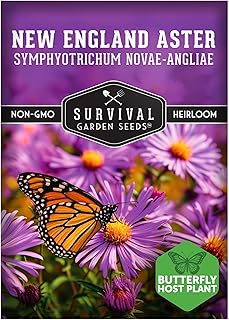
    I put this post together because I want you to feel confident growing veggies in your own yard. Back yard vegetable garden designs can feel overwhelming with pages of ideas and fancy terms. These 30 backyard vegetable garden designs are simple, beautiful, and something you can nail. They fit real spaces, from a tiny balcony to a wide yard, and they stay easy to manage.

    If you’re new to growing edible plants, short on time, or just want a space that looks neat with little work, this is for you. If you care about fresh meals and the taste of sun warmed tomatoes, you’ll love these layouts. These ideas are friendly to kids and pets too, with clear paths and sturdy beds that keep your garden orderly.

    Inside you’ll find 30 designs described in plain language. Each one shows how the beds sit, where to put paths, and how much sun and water they need. You’ll see options like raised beds, simple squares, vertical walls, and handy containers. Plus practical tips on spacing, mulch, irrigation, and avoiding the curse of crowded soil.
    These designs work in different climates, yards, and budgets. They’re modular, so you can mix ideas and start small, then add as you grow more confident. Even a beginner can sketch a plan, pick a layout, and see a fast harvest corner take shape. That means you can have a thriving garden without a big renovation.

    You’ll save time choosing a plan and avoid common mistakes. You’ll learn how to place beds to catch sun, set up a simple watering plan, and choose crops that pair well. The goal is to get tasty veggies on your table sooner, with a space you enjoy tending.

    Here is why these ideas work: they balance beauty and practicality. Next steps are simple: pick a design that fits your space, map it on paper, and gather a few materials. Take it slow, keep notes, and adjust as you see what grows best. Read on to find your perfect starting point and start turning your yard into a real food garden.

    Contents

    1. Classic Raised Bed Garden

    30 Stunning Backyard Vegetable Garden Designs That Even Beginners Can Nail! - 1. Classic Raised Bed Garden

    You want a garden that is easy to manage and still fruitful. The Classic Raised Bed Garden helps you get both. Built with simple wooden frames, these beds keep soil contained and plants tidy. You stay organized and you can reach your veggies without bending too much.

    Why this design works: Raised beds warm up faster in spring, letting you plant earlier. You control the soil mix, drainage, and bed height, which makes gardening easier for beginners and kids too. This setup also cuts down on soil compaction because you don’t walk on the soil every day.

    How to set it up: Pick a sunny spot. Use untreated wood to avoid chemicals. Shape the beds as rectangles or squares. Line the bottom with cardboard to slow weed growth. Fill with rich, organic soil and add seed packets or transplants. Water and harvest become straightforward, thanks to the raised height.

    Tips: Choose wood that’s safe for gardens. Keep the top edge at a comfortable height. Paint for a playful look or leave it natural. Plant a border of flowers around the beds to attract helpful pollinators.

    Next steps: Start with one 4×6 bed and a few easy veggies like lettuce, radishes, and bush beans. Enjoy the neat lines, simple care, and steady harvest.

    1. Classic Raised Bed Garden

    Editor’s Choice

    2. Vertical Garden Oasis

    30 Stunning Backyard Vegetable Garden Designs That Even Beginners Can Nail! - 2. Vertical Garden Oasis

    If your yard is small, a vertical garden can give you big harvests. Grow up, not out, and add life to a blank wall. A living wall saves space and adds color, scent, and texture to your backyard.

    Ways to build a vertical garden

    – Pallet wall: Grab a sturdy pallet and clean it well. Line the back with landscape fabric. Fill with a light soil mix and plant up the face. This creates a rugged, artistic backdrop for herbs and greens.

    – Hanging pots: Use a wall rack and strong hooks. Hang fabric or plastic pots at varying heights. Pack in herbs or baby greens for quick bursts of flavor.

    – Trellis or wire frame: Attach a trellis to a wall or fence. Train climbing plants like peas or beans to cover the frame. It looks lush and gives you tall, productive growth.

    Best plants for a wall garden

    – Climbing champions: Peas and beans grow fast and drape the structure with green vines.

    – Fresh herbs: Mint and basil thrive in vertical setups and stay handy for cooking.

    – Leafy greens: Lettuce, Swiss chard, and spinach work well in pocket planters or shallow pockets.

    Smart watering and care

    – Install a drip irrigation line or a soaker hose to keep soil evenly moist without mess. A simple timer helps you stick to a routine.

    – Use a lightweight soil mix to keep weight down and make reshaping easier as plants grow.

    – Place your wall where it gets several hours of sun. Check moisture in hot weather and trim back crowded growth to keep air moving.

    Next steps: gather a pallet or two, pick a wall, and plan your first row of herbs. Your compact, up‑and‑covering garden is within reach.

    Turn your walls into a harvest hub! Vertical gardens maximize space and add vibrant life to your backyard, transforming even the smallest areas into stunning vegetable oases. Grow up, not out!

    2. Vertical Garden Oasis

    Editor’s Choice

    3. Container Gardening Delight

    30 Stunning Backyard Vegetable Garden Designs That Even Beginners Can Nail! - 3. Container Gardening Delight

    Container gardening helps you grow fresh veggies even if you have little space. It fits on a patio, balcony, or a small backyard. You gain quick access to tasty picks and a little, colorful garden you can move.

    Here is why this works and how to start strong:

    Choosing pots Pick containers at least 12 inches deep for root vegetables. Make sure each pot has a drainage hole. Use a tray to catch extra water. A sun-warmed pot smells earthy when you water it.

    Plants to grow Cherry tomatoes, peppers, and herbs do well in pots. Mix a few kinds in one container to save space and boost flavor. If you are new to this, choose compact varieties.

    Layout and color Group your containers in a sunny spot to form a tiny garden wall. Place tall plants at the back and shorter ones in front. Add a touch of color with flowering companions.

    Care basics Water in the morning when the soil is cool. Use good potting mix, not garden soil. Check soil moisture daily in hot weather and adjust. Move pots so they get enough sun.

    Next steps: pick a sunny corner, gather a few pots, fill with mix, and plant. Start small and build from there.

    3. Container Gardening Delight

    Editor’s Choice

    4. Permaculture Design

    30 Stunning Backyard Vegetable Garden Designs That Even Beginners Can Nail! - 4. Permaculture Design

    What permaculture design can do for your yard

    Looking for a garden that stays healthy with less work and less waste? Permaculture design helps you build a small living system in your backyard. It works by listening to nature and letting it do much of the lifting.

    A permaculture garden aims for a self-sustaining loop. Plants help each other, water is stored, and soil grows richer over time. You use companion planting to pair species that help each other, like tomatoes with basil. You plan with zones so tall plants shade smaller ones and guard the soil.

    Key ideas to apply

    – Zones near your home: zone 1 has high-use herbs and greens for quick access.

    – Plant guilds: mix plants to support each other; include a root, a leafy top, and a vine.

    – Water strategy: collect rain in barrels; mulch to slow evaporation and keep soil moist.

    Practical steps

    Build soil first: add compost, leaf mold, and a mulch layer. Mulch keeps heat down, holds moisture, and feeds soil life.

    Start with a simple map of sun, water, and wind. Draft zones and guilds, then plant and watch. Adjust with the seasons. Observe results and note what works.

    Benefits

    Fewer pests, richer soil, and less water use. You also attract helpful insects and birds. You can start small this season.

    4. Permaculture Design

    Editor’s Choice

    Garden Design Materials Cost Suggestions
    Classic Raised Bed Garden Untreated wood, organic soil $28.41 Start with one 4×6 bed; plant easy veggies like lettuce and radishes.
    Vertical Garden Oasis Pallets, wall racks, pots $23.99 Use climbing plants like peas; install drip irrigation.
    Container Gardening Delight Containers (12 inches deep), potting mix $19.99 Group containers in a sunny spot; mix different plants.
    Herb Spiral Garden Stones, rich soil, mulch Check Price Plant taller herbs at the back; use well-drained soil.
    Permaculture Design Compost, mulch, native plants N/A Create zones for different plants; collect rainwater.
    Wildlife-Friendly Garden Native plants, birdbath, mulch $4.98 Include flowering perennials; create habitats for wildlife.
    Straw Bale Garden Straw bales, rich soil, compost N/A Water bales thoroughly before planting; use quick-growing crops.

    5. Herb Spiral Garden

    30 Stunning Backyard Vegetable Garden Designs That Even Beginners Can Nail! - 5. Herb Spiral Garden

    You want a small herb garden that’s handy and pretty. A herb spiral garden can deliver both. The spiral of stones curves up from the ground, so you get more growing space in a tight yard. It creates tiny microclimates, with hot sun on the top, cooler shade on the inner coils, and better drainage. That setup helps herbs with different needs grow close together without crowding.

    Here’s why it works for beginners. This setup makes care easy for a busy gardener. You can rearrange herbs as your yard grows.

    Design Tips: Start with larger stones at the bottom and add smaller ones as you go up. Build a spiral that is easy to reach from either side. Use rich, well-drained soil for healthy growth. Plant rosemary, thyme, oregano, and parsley for fragrance and flavor. The height makes harvesting simple and keeps leaves clean.

    Next steps:

    – Place the spiral where it gets sun most days; about six hours is plenty for most herbs.

    – Water deeply but let the soil dry a little between drinks.

    – Mulch lightly to hold moisture and curb weeds.

    – Plant strategy: rosemary on the outer rims, thyme and oregano in the mid layers, parsley toward the inner, shadiest spots.

    5. Herb Spiral Garden

    Editor’s Choice

    6. Edible Landscaping

    30 Stunning Backyard Vegetable Garden Designs That Even Beginners Can Nail! - 6. Edible Landscaping

    Edible landscaping that blends food with beauty

    You want a yard that feeds you and still looks inviting. Edible landscaping helps you mix vegetables with beauty. It gives you a practical, easy way to enjoy fresh food all season. You set a plan that you can follow week by week.

    Why it works for you

    – Start with edible stars that blend with the look. Kale, Swiss chard, and sweet peppers add color and texture.

    – Grow a few hardy herbs nearby. Basil, parsley, and thyme stay tasty and low maintenance.

    – Add flowers that attract pollinators and hide crops. Marigolds, alyssum, and calendula give you color and scent while helping pests stay in check.

    – Use raised beds or borders that match your home style. They keep soil loose, drain well, and stay tidy.

    Layout and care basics

    – Create simple paths with natural stones or wood chips. They make your yard easy to wander and clean.

    – Place taller plants toward the back and smaller greens in front. This keeps access simple and makes beds feel full.

    – Mulch after planting. A thin layer reduces weeds and preserves moisture.

    – Plan for rotation. Swap greens with legumes or root crops each season to protect soil.

    A quick plan you can try

    – In a 6 by 8 foot corner bed, put kale at the back, Swiss chard mid, peppers at the sides, and a ring of marigolds around each bed.

    Next steps: sketch your idea, pick a sunlit spot, and start small. Your space will feel inviting and alive.

    Turn your backyard into a feast for the eyes and the palate! With edible landscaping, you can grow vibrant veggies that not only beautify your space but also nourish your body. It’s time to let your garden shine and feed you all season long!

    6. Edible Landscaping

    Editor’s Choice

    7. Garden with Pollinator Plants

    30 Stunning Backyard Vegetable Garden Designs That Even Beginners Can Nail! - 7. Garden with Pollinator Plants

    Here is why a pollinator garden helps your veggies. When bees and butterflies visit, your flowers share pollen. This helps fruit set and may raise your yields. It also makes your yard look alive.

    What to plant: Sunflowers, coneflowers, and lavender are great choices. Add zinnias, black-eyed Susans, and oregano or sage. Native perennials in your area suit you well. A mix of tall and short plants shelters pollinators.

    Layout ideas: Put a flower border around your vegetable beds. Or tuck flowers between rows of carrots, peppers, or beans. Vary colors and heights so the bed feels layered. Leave room for pollinators to move. Mulch helps keep soil cool and moist.

    Care tips: Water in the morning. Deadhead faded blooms to keep flowers coming. Avoid harsh chemicals that harm bees. Mulch lightly to nourish soil and reduce weeds.

    The payoff: More pollinators, steadier fruit set, and a richer garden look. You get constant movement, color, and scent each season.

    Quick tips: Plant tall blooms toward the back or along borders so short crops still get sun. Choose varieties that bloom at different times for a steady food source.

    Next steps: Start small. Pick 3 to 5 flowering varieties. Plant them at the edge of beds today. Watch as colors bloom and bees arrive.

    7. Garden with Pollinator Plants

    Editor’s Choice

    8. Square Foot Gardening

    30 Stunning Backyard Vegetable Garden Designs That Even Beginners Can Nail! - 8. Square Foot Gardening

    If you want to grow more in a small yard, square foot gardening can help. It keeps things simple and saves time. You get a tidy garden that’s easy to manage.

    What square foot gardening is

    The bed is split into tiny squares, each one foot by one foot. In each square you grow a different crop. This setup makes it easy to plant just what you need and to swap plants as the season changes.

    Set up your grid

    – Build a frame from affordable boards and lay it on the ground.

    – Stretch string or use a light wire to mark every square.

    – Use a mix of soil and compost in the bed. A well-drained blend helps roots grow fast.

    Choosing crops for each square

    Think about spacing and sun. Place small, fast growers in many squares—lettuce, spinach, radish, carrots, and herbs work well. Leave a few squares empty for flowering plants that attract good bugs. If you grow larger plants, give them a few squares or go vertical with supports.

    Care and rotation

    Rotate crops each season. This keeps soil healthy and reduces pests. Water evenly and mulch lightly to hold moisture. Label each square so you know what you planted where.

    Kid-friendly ideas

    Kids love the grid. It’s a game they can play with colors and labels. One square becomes a “fun salad,” another a “carrot corner.” It teaches planning and care in a friendly way.

    Next steps: start with a 4-by-4 foot bed to test the system. You’ll see how neat, quick, and productive a small space can be.

    With square foot gardening, you can maximize your harvest in just one square foot! It’s the perfect way to grow a variety of crops in a tidy, manageable space – ideal for any backyard vegetable garden design.

    8. Square Foot Gardening

    Editor’s Choice

    9. Companion Planting Strategies

    30 Stunning Backyard Vegetable Garden Designs That Even Beginners Can Nail! - 9. Companion Planting Strategies

    If you want a garden that fights bugs and tastes better, companion planting can help.

    Companion planting means growing different crops near each other so they help one another.

    Some plants chase pests away, some fix soil, and some make flavors pop.

    A classic pair is carrots with onions. The sharp scent crowds out many pests and both crops grow well side by side.

    Tomatoes love basil nearby. Basil can help repel flies and boost tomato flavor.

    Corn and beans work together too. Beans fix nitrogen, and they climb the corn stalks for support.

    You don’t need a big plan to start.

    Try 3 to 4 strong pairs first.

    Tips for Beginners:

    – Start with a few strong pairings such as tomatoes with basil.

    – Pair corn with beans to use beans’ nitrogen.

    – Plant carrots next to onions to slow pests.

    – Plan a simple layout so you can care for and harvest pairs together.

    – Keep notes on what works so you can adjust next season.

    A well planned companion garden can be lively and productive.

    You will notice fewer pests and better yields. Start small and build your plan as you learn.

    9. Companion Planting Strategies

    Editor’s Choice

    10. Fruit and Vegetable Patch

    30 Stunning Backyard Vegetable Garden Designs That Even Beginners Can Nail! - 10. Fruit and Vegetable Patch

    Want a fruit and vegetable patch that boosts harvests and looks inviting? You can mix fruit and veg in one area to save space and add color.

    Here is why a simple plan helps. Pick a sunny site. Sketch a map. Divide the patch into zones: strawberries, dwarf fruit trees, and your main vegetables.

    Choose companion plants that help each other. For example, plant rhubarb near strawberries for a tasty pairing. Raspberries can share space with leafy greens if you space them well. Let tall crops stay on the north side so short plants get sun.

    Create clear pathways to reach every bed. This keeps weeds down and makes picking easy. Use decorative edging like bricks or wood to mark zones and hold mulch in place.

    Get the soil ready. Mix in compost. Add a thick mulch layer to conserve water. Install a drip irrigation line or soaker hoses for efficient watering.

    Keep care simple. Water in the morning. Check for pests. Prune canes after fruiting. Harvest berries and veg as soon as they turn ripe.

    With a fruit and vegetable patch, you gain flavor, color, and steady harvests. It’s easy to start and grows with your skills. Start small.

    10. Fruit and Vegetable Patch

    Editor’s Choice

    11. Raised Bed with Decorative Borders

    30 Stunning Backyard Vegetable Garden Designs That Even Beginners Can Nail! - 11. Raised Bed with Decorative Borders

    Raised beds with decorative borders turn a plain patch into a calm, tidy yard. You gain easy reach to the soil, clear lines, and a frame that makes colors pop.

    Choose borders in stone, brick, or decorative wood. Stone feels cool to touch on hot days. Brick adds a warm glow at sunset. Wood borders smell earthy and stay sturdy for years. Borders define space and keep soil from creeping onto paths.

    Design tips: Pick materials that match your house and fence. Think about a border that doubles as seating, built-in benches make weeding and chats easier. Leave a wide, clear path along the bed so you can move with a bucket and a trowel. Fill the beds with bright peppers, lettuce, tomatoes, and herbs. The greens and reds stand out against the dark soil and light border. Add a thin mulch cap to keep weeds down and give a neat finish.

    Here is why this helps your garden: borders give you structure, cut maintenance, and a friendly look from the porch. This setup blends style with use and makes your yard feel like a small retreat for trying new veggies without a mess.

    Next steps: plan your border color, pick one material, and sketch a quick layout.

    11. Raised Bed with Decorative Borders

    Editor’s Choice

    12. Sunken Vegetable Garden

    30 Stunning Backyard Vegetable Garden Designs That Even Beginners Can Nail! - 12. Sunken Vegetable Garden

    If wind makes your garden rough, a sunken vegetable garden can steady it.

    You dig down a few feet and shape a sheltered bowl that stays protected.

    The low walls cut gusts, and the soil stays warmer and moister.

    This setup is friendly for beginners who want quick wins.

    Planting Ideas:

    – Root crops like carrots and potatoes love the rich sunken soil.

    – Add surrounding raised beds for color and tidy edges.

    – Place stepping stones for easy access.

    – Mulch with compost to feed the bed over time.

    A sunken garden creates a small, calm microclimate.

    Inside the bowl, air moves more slowly and moisture lasts longer.

    That gentle climate helps tender plants grow even in open, windy spaces.

    Here is how to get started:

    – Choose a sunny, accessible spot and decide the size.

    – Dig a shallow basin with smooth sides.

    – Fill with a mix of topsoil and compost.

    – Low edging with bricks or stone helps block gaps.

    – Plant root crops in the center and greens around the rim.

    – Create a simple path with stepping stones.

    – Water regularly and check drainage after rain.

    12. Sunken Vegetable Garden

    Editor’s Choice

    13. Colorful Cherry Tomato Garden

    30 Stunning Backyard Vegetable Garden Designs That Even Beginners Can Nail! - 13. Colorful Cherry Tomato Garden

    Want a cherry tomato garden that adds color and stays easy for beginners? Start with a few bright varieties. Yellow, red, and purple cherry tomatoes look cheerful and grow in small spaces. They’re quick to fruit, so you see results fast.

    Here is why this choice works for you. You get a pretty display and a fast harvest without a huge garden. You can grow them in beds, containers, or hanging baskets. They are forgiving if you are still learning the basics.

    Color choices Pick at least three colors. A mix of yellow, red, and purple creates a lively look from spring to fall.

    Support and space Use stakes or cages to keep plants upright. Add a trellis for a vertical touch that saves ground space. Tie new growth gently as it reaches the support.

    Sun and water Plant in a sunny spot. Water regularly so the soil stays evenly moist. Mulch helps keep moisture in and cuts down on weed work.

    Flavor and pest control Plant basil between tomatoes. It boosts aroma and may help ward off common pests.

    Layout ideas For a small bed, group colors in clusters or run a color row along a trellis. This makes care simple and harvests easy to reach.

    Next steps for you: map your space, pick 3 color varieties, and set up supports this weekend. Then you can enjoy a colorful, easy tomato garden that delivers fresh fruit faster than you expect.

    13. Colorful Cherry Tomato Garden

    Editor’s Choice

    14. Natural Stone Pathways

    30 Stunning Backyard Vegetable Garden Designs That Even Beginners Can Nail! - 14. Natural Stone Pathways

    Natural stone paths can boost style and make your garden easier to use. You can walk right to the rows you need, grab herbs, or water without slipping on mud. Flat flagstones or tidy gravel give a simple, rustic vibe that pairs with lots of veggie beds.

    Maintenance Tips: Set stones firmly with compacted sand or crushed stone. Check after heavy rain for moved stones and reset as needed. Edge the path with low-growing plants or thyme. A winding line feels natural and invites you to explore. Let herbs spill a little over the edge to soften the look.

    Think about layout first. A curved path guides you through beds and reduces crowding. Use wide steps at busy spots to keep your feet safe. For wet areas, choose larger stones with a flat surface so you can dry your shoes before stepping into the bed.

    Materials to consider:

    – Flagstone or flat slate for a clean, sturdy feel

    – Gravel with a weed barrier for quick setup

    – Crushed stone for good drainage and a natural look

    Next steps: plan, gather materials, and install in stages. With care, natural stone paths improve access and add long lasting charm to your backyard garden today too.

    14. Natural Stone Pathways

    Editor’s Choice

    15. Greenhouse Vegetable Garden

    30 Stunning Backyard Vegetable Garden Designs That Even Beginners Can Nail! - 15. Greenhouse Vegetable Garden

    Want a bigger harvest even when nights turn cold? A greenhouse vegetable garden can help. It offers a warm, controlled space where you set the heat and humidity. You can grow tender veggies that need more time or frost protection. Start seeds early and push your harvest into the cooler months. Also plan for heat in winter and shade in summer. A simple thermometer helps you react quickly.

    Design Ideas:

    – Raised beds inside the greenhouse keep soil neat and make weeding easy.

    – Shelves along the walls hold herbs and small plants, freeing floor space for bigger beds.

    – Good ventilation with roof vents or small fans keeps air fresh and dampness down.

    – A shade cloth helps on hot days so plants do not scorch.

    – Drip irrigation gives even water with little waste.

    With a greenhouse, you can harvest year-round. Here is why this helps beginners: you lower frost risk, protect seedlings, and learn on a small scale. Next steps: pick a sturdy frame that fits your yard, choose panels that suit your climate, and map crops by light and access. A little planning now pays off with steady, reliable yields.

    15. Greenhouse Vegetable Garden

    Editor’s Choice

    16. Fruit Tree Espalier

    30 Stunning Backyard Vegetable Garden Designs That Even Beginners Can Nail! - 16. Fruit Tree Espalier

    If space is tight, you can still grow fruit. Train fruit trees to spread flat along a wall or fence. This espalier method saves space and makes a wall feel like a living book of leaves and fruit.

    Choose dwarf fruit trees. Apples and pears fit well. Plums or figs work too if your climate supports them. Dwarf trees stay compact and still give you fresh harvests.

    Design Tips:

    – Install a sturdy trellis or frame. A metal cable system or a wooden lattice keeps branches from sagging.

    – Train branches along vertical wires. Start with a main limb, then fan growth across the wall.

    – Use soft ties to guide growth. Check yearly and adjust as the tree fills in.

    – Give plenty of sun and good drainage. Aim for at least 6 hours of sun daily.

    – Water deeply during dry spells. A slow soak is better than quick, light sprays.

    – Prune lightly and regularly. In winter, trim to keep the fan shape and remove weak shoots.

    Espalier takes a bit of care, but the payoff is clear: a neat wall of fruit you can reach from the yard or patio.

    Common questions:

    – Do I need a sunny wall? Yes, six hours of sun helps fruit form well.

    – What if frost hits the tips? Protect new growth with light wrapping or plant away from cold pockets.

    If you are new to this, start with one tree to test your wall. With steady care, you get a living piece of art that feeds you season after season.

    16. Fruit Tree Espalier

    Editor’s Choice

    17. Companion Raised Beds

    30 Stunning Backyard Vegetable Garden Designs That Even Beginners Can Nail! - 17. Companion Raised Beds

    Your raised bed can do more than hold soil. It can host a small team that helps each other. Companion planting in raised beds boosts yields and cuts pest problems. You can run a neat grid or mix plants for a lively look. Either way, you get a healthier, easier garden that beginners can handle.

    Layout options: Choose a grid for tidy rows or a mixed layout for a wilder, more natural feel. A clear plan makes care simple.

    Plant pairings: Marigolds planted among vegetables can deter many pests and brighten the bed. Place basil near tomatoes to help repel thrips and add flavor. Nasturtiums lure aphids away from greens.

    Height and space: Put tall plants at the back or center so short herbs and lettuce get light. Use trellises for vining beans or peas.

    Watering groups: Group plants that drink the same amount of water together. Mulch to keep soil even and chores simple.

    Maintenance tips: Rotate beds yearly to keep soils healthy. Keep pests out with early checks, removable mulch, and quick plant spacing adjustments.

    With these steps, your companion raised beds become a smart, simple way to grow more and waste less. Start small and watch how it evolves.

    17. Companion Raised Beds

    Editor’s Choice

    18. Potato Tower Garden

    30 Stunning Backyard Vegetable Garden Designs That Even Beginners Can Nail! - 18. Potato Tower Garden

    Potato towers help you grow a big harvest in a small yard. You stack soil and straw inside a frame to make a tall, neat garden. The layers stay dark, so potatoes form underground and stay clean. With this setup you can lift more potatoes from a tiny space than you might expect.

    What you need

    – A frame or box that can stand tall, like a wire cage or sturdy wood

    – Straw or mulch to layer between soil fills

    – Rich garden soil or compost

    – Seed potatoes or potato slips

    – A watering can or hose for steady moisture

    How it works

    Build a tall frame and lay a base of soil. Add a layer of straw to keep the next potatoes shaded. Plant your slips near the top. As vines grow, you add more soil and straw. The potatoes grow in the dark, protected from light and heat. This setup uses vertical space and keeps your soil from spreading all over the ground.

    Step-by-step

    1) Place the frame where it will get sun most days. 2) Fill the bottom with soil, then add straw. 3) Plant seed potatoes near the top. 4) When vines reach two fists tall, add another soil-straw layer. 5) Repeat until you reach your preferred height and wait for the greens to mature.

    Care and harvest

    Water regularly and keep the bed evenly moist. Watch for good drainage so root rot stays away. Harvest when the tops fade and die back. Dismantle the tower and lift the potatoes out carefully. Store them in a cool, dark place.

    Tips

    – Build a strong frame so it won’t wobble with weight.

    – Keep the upper layers dark to stop greening.

    – Try rotating the tower to new soil spots each season.

    If you want more space, you can build two towers side by side. This is a simple, practical way to add fresh potatoes to your meals.

    18. Potato Tower Garden

    Editor’s Choice

    19. Raised Bed with Built-in Seating

    30 Stunning Backyard Vegetable Garden Designs That Even Beginners Can Nail! - 19. Raised Bed with Built-in Seating

    Here is why a raised bed with built-in seating fits both your garden and your need for rest. It blends a sturdy growing space with a cozy spot to sit. You can enjoy your plants up close while you work or take a quick break.

    Design tips

    – Height matters. Sit comfortably without bending. Aim for about 16 to 18 inches of seat height and 28 to 36 inches of total bed height for a natural look.

    – Materials should last. Use weather-resistant wood, fiber cement, metal, or high-quality composites. Seal wood to resist rain and sun.

    – The wall becomes a bench. A flat top works as a seat and a shelf for pots, seed catalogs, or a cup of tea.

    Comfort musts

    – Add cushions made for outdoors. Pick fast-drying fabric. Keep cushions in a waterproof bag when not in use.

    – Use screws and a smooth edge. No sharp corners. It keeps kids safe.

    Practical setup

    – Leave space to move. You should reach every bed without stepping on soil.

    – Plan around irrigation. A drip line or soaker hose fits under the bench.

    Next steps: pick a spot, measure, and sketch. Then choose materials and order cushions. With care, your garden becomes a place to tend and to linger.

    19. Raised Bed with Built-in Seating

    Editor’s Choice

    20. Easy Herb Wheel

    30 Stunning Backyard Vegetable Garden Designs That Even Beginners Can Nail! - 20. Easy Herb Wheel

    What is an easy herb wheel? It is a round bed split into wedge sections for herbs. Each slice holds a different plant. You can reach every leaf with a simple turn of your body.

    Why choose this circle garden? It uses a small space well. It keeps herbs neat and easy to pick. A simple center feature adds charm to your yard.

    Step by step to build it

    1) Pick a size about 4 to 5 feet across. This is big enough to move around.

    2) Add a border with stones or bricks. A clear edge keeps soil in place.

    3) Fill with good soil and compost. Let roots breathe and grow.

    4) Mark 6 to 8 equal wedges. You can draw them with chalk or string.

    5) Plant taller herbs toward the back and shorter ones in front. This makes a neat, layered look.

    6) Place a simple center feature, like a small pot, a birdbath, or a tiny fountain. It becomes a focal point you can admire.

    Herb plan ideas for each wedge Put kitchen staples in the wheel. Back row: rosemary and sage for tall growth. Middle rows: basil and oregano. Front row: thyme, chives, parsley, cilantro. This mix gives you easy access to flavors you use a lot.

    Care and harvest tips Water at the soil, not the leaves. Mulch to cut weeds and keep moisture. Prune every few weeks so plants stay full and tidy. Check for pests and pull them out by hand if needed.

    Common questions Can this fit in a small yard? Yes. A compact version works well near a sunny wall. Do I need irrigation? A drip line or soaker hose helps, but hand watering works too.

    Next steps Sketch your circle on paper, pick a sunny spot, gather stones, and lift the first shovel of soil. Plant and water the wheel this weekend. Fresh herbs will be ready sooner than you think.

    20. Easy Herb Wheel

    Editor’s Choice

    21. Seasonal Rotation Garden

    30 Stunning Backyard Vegetable Garden Designs That Even Beginners Can Nail! - 21. Seasonal Rotation Garden

    You want a garden that keeps giving. A seasonal rotation plan helps you harvest more and keep soil healthy.

    Here is why it works: cool weather crops shine in spring and fall. Warm weather crops fill the summer. Move plants between beds so the soil gets a rest and pests stay on the run.

    Planning Tips: Use a simple chart to track what sits in each bed and when it will move. Group plants with similar needs so you can water and feed them together. This approach keeps chores clear and makes every bed useful all year.

    Next steps:

    – Map your beds on paper. Note sun, water needs, and paths.

    – Pick cool-season crops for spring and fall, and warm-season crops for summer.

    – Create a rotation plan. Decide which bed gets the next crop so you know what to plant each season.

    – Start small. A 3-bed layout is perfect for beginners.

    Example for a 3-bed setup:

    – Bed 1: lettuce and peas in spring, tomatoes later.

    – Bed 2: carrots in spring, beans in summer.

    – Bed 3: greens in spring, peppers in summer.

    Common questions:

    – Do I need soil rest? Yes, give soil a break by rotating crops each season.

    – How long before the same crop returns? Rotate to a different family if possible.

    Try this in one bed this year and expand as you learn. Give it a try. It fits small yards.

    Rotate your crops for a thriving garden! A seasonal rotation not only keeps your soil healthy but also maximizes your harvest. Remember, a little planning goes a long way in your backyard vegetable garden design!

    21. Seasonal Rotation Garden

    Editor’s Choice

    22. Shade Vegetable Garden

    30 Stunning Backyard Vegetable Garden Designs That Even Beginners Can Nail! - 22. Shade Vegetable Garden

    Your yard hides in the shade, but you can still grow tasty vegetables. Start with crops that like dim light. With the right pick, you’ll enjoy greens all season.

    – Spinach

    – Lettuce

    – Kale (baby leaves)

    – Swiss chard

    – Cilantro

    – Parsley

    – Chives

    – Mint

    These plants tolerate partial sun and stay flavorful. Look for spots where the light is dappled most of the day. A patch under a tree or along a fence can be productive, not gloomy.

    Layout ideas:

    – Use vertical supports. Trellises and lattices let greens climb and save ground for roots and herbs.

    – Build a couple of raised beds near a warm wall. The warm surface helps a bit with light reflection.

    – Create clear paths so you can reach every plant without stepping on soil.

    Care tips:

    – Water consistently. Shade slows growth, so keep soil evenly moist.

    – Mulch well to lock in moisture and cut down on weeds.

    – Harvest often. Early picking keeps leaves tender.

    Common questions:

    – Will it taste good in shade? Yes. Many greens stay crisp even with less sun.

    – How much light do I need? Aim for a few hours of filtered sun daily.

    Next steps:

    – Test a shady corner for a half-day sun window.

    – Choose 3 crops from the list.

    – Set up a simple trellis and a small 4×4 bed.

    22. Shade Vegetable Garden

    Editor’s Choice

    23. Decorated Fence Garden

    30 Stunning Backyard Vegetable Garden Designs That Even Beginners Can Nail! - 23. Decorated Fence Garden

    Your backyard fence sits at the edge of your yard and often goes unused. You can turn it into a living part of your garden.

    Here is why this design works: it adds height without taking up yard space, and it brings you fresh air and scent as you work nearby.

    Design Tips:

    – Install sturdy supports along the fence top or posts so climbing plants can spread. Use wire, twine, or a small trellis.

    – Let cucumbers or pole beans wander up and across the fence. Train them with gentle ties so they stay neat.

    – Hang pots at eye level for easy harvest. Fill with herbs like basil, thyme, or mint for quick snips.

    – Mix in flowering pots to add color and attract pollinators. This boosts blooms and brings life to the fence.

    Next steps: map your fence, measure length, and choose plants that like your sun. Group pots in staggered rows to create depth. Water regularly, trim vines that creep too far, and switch in new herbs as seasons change.

    This setup saves ground space, adds texture, and makes a plain fence a cozy, useful feature.

    Start small with a short row of pots and a simple trellis. Over time you can add more pots and wire lines as you gain confidence.

    It fits vertical gardening in small yards.

    23. Decorated Fence Garden

    Editor’s Choice

    24. Straw Bale Garden

    30 Stunning Backyard Vegetable Garden Designs That Even Beginners Can Nail! - 24. Straw Bale Garden

    You want an easy, affordable way to grow vegetables. Straw bale gardening gives you a bed that’s ready to use. The bales drain well and keep roots warm when mornings are cool. Place them in a sunny spot, then soak them thoroughly. After a week of wetting and a light feeding, you can plant directly into the bale.

    Growing Tips: Here is why straw bales work. Pick plants that thrive in straw beds. Squash, tomatoes, and peppers do well. Bales can also shape your garden as decorative borders or raised edges.

    – Step 1: Set the bales on level ground in full sun. Stand them on the flat side with the cut ends up so you have a soft growing pocket.

    – Step 2: Condition the bales. Water deeply each day and feed lightly for about 5 to 7 days.

    – Step 3: Plant. Make a small hole in the bale, add a handful of soil, and tuck in a seedling or seeds. Gently pack the straw around the roots.

    – Step 4: Care. Water in the morning. Check the top for dryness and keep the bale moist. Add mulch if you like to cut evaporation.

    As the bales break down, they feed the soil beneath. You gain future soil, not just a harvest this season. It’s a smart option for beginners with a small yard.

    Next steps: rotate crops in later seasons and try a second bale bed for herbs or greens.

    24. Straw Bale Garden

    Editor’s Choice

    25. Microgreens Garden

    30 Stunning Backyard Vegetable Garden Designs That Even Beginners Can Nail! - 25. Microgreens Garden

    If you want fresh greens fast and you only have a little space, microgreens are for you. These tiny plants still load the plate with flavor and nutrients. They work indoors or on a sunny balcony, so you can grow them almost anywhere.

    Microgreens grow fast. Most varieties are ready to harvest in about 7 to 14 days after sprouting. They stay small but punchy in taste. Try radish, arugula, or basil microgreens for bold color and bright flavor.

    What you grow

    – Radish, arugula, and basil are popular starter choices.

    – You can also experiment with broccoli, cilantro, or chives.

    – Pick varieties that suit salads, sandwiches, or garnishes.

    How to grow in four simple steps

    – Use a shallow tray or container with a light layer of rich soil.

    – Scatter seeds evenly and press them in gently; cover with a thin soil veil.

    – Keep the soil damp and provide strong light. Put the tray on a sunny windowsill or under grow lights.

    – Give your setup steady room temperature and 12 to 16 hours of light each day.

    Harvest and use

    – Clip greens with scissors when they reach 2 inches tall.

    – Rinse lightly and dry before eating.

    – Add to salads, sandwiches, wraps, or bowls for quick crunch and color.

    – Store in the fridge for up to a week for maximum flavor.

    Tips for success

    – Start with clean trays and fresh seeds.

    – Don’t let soil stay soggy; add water as needed.

    – Label varieties so you can track what you planted and when it’s ready.

    25. Microgreens Garden

    Editor’s Choice

    26. Urban Farming Patch

    30 Stunning Backyard Vegetable Garden Designs That Even Beginners Can Nail! - 26. Urban Farming Patch

    City life can make gardening feel tough. You want fresh veggies without a big yard. An urban farming patch lets you grow greens and small fruits right where you live. With sun, good soil, and smart planters, you can harvest tasty produce all season.

    Layout Ideas:

    – Use planters made from recycled items like old buckets, wooden crates, or fabric grow bags.

    – Place containers where they catch the most sun; taller plants go in the back.

    – Add a trellis or wire for climbing crops such as beans or cucumbers to save space.

    – Create a small corner for a shared compost area with neighbors.

    – Use simple watering tricks like self-watering pots or a drip line to save water.

    What to plant:

    – Start with easy greens—lettuce, spinach, and chard.

    – Add quick roots like radishes and green onions.

    – Include herbs for flavor and quick harvests.

    – Try one tomato or pepper plant on a sunny balcony.

    Next steps:

    – Gather containers from around the home and test sun spots.

    – Fill with light potting mix plus a bit of compost.

    – Set a regular, morning watering habit and keep an eye on pests.

    – Share harvests with neighbors or start a small swap club.

    26. Urban Farming Patch

    Editor’s Choice

    27. Rain Garden Design

    30 Stunning Backyard Vegetable Garden Designs That Even Beginners Can Nail! - 27. Rain Garden Design

    Want to tame rainwater and still grow your vegetables? A rain garden can help you do both.

    A rain garden is a shallow bowl tucked into your yard. It catches runoff after a storm, lets water soak in, and filters soil as it drains. It cuts erosion, slows flooding, and gives birds, bees, and butterflies a small home.

    Planning Tips:

    – Pick a spot where water naturally runs or near a downspout so you catch the flow.

    – Dig a shallow basin, 3–6 inches deep at the center, with a gentle rim.

    – Use well draining soil. If your soil is heavy clay, mix in organic compost and a little sand so water moves through.

    – Choose native, wet-tolerant plants that can also handle dry spells. Think iris, coneflowers, switchgrass, rushes, and goldenrod to feed pollinators.

    – Mulch lightly to keep weeds down and to slow down water.

    – Create a safe overflow path to a lawn bed or planted area so extra rain has a clear exit.

    Next steps are simple. Sketch the shape, mark the edges, and set plants in small clusters. After a heavy rain, peek at the basin and pull out any debris. With a little care, your rain garden supports your vegetables and your local wildlife.

    27. Rain Garden Design

    Editor’s Choice

    28. Vegetable Spiral Garden

    30 Stunning Backyard Vegetable Garden Designs That Even Beginners Can Nail! - 28. Vegetable Spiral Garden

    Growing a lot of veggies in a small yard is tough. A vegetable spiral garden can change that. It packs many plants into a tight space and still looks great.

    How it works: You form a spiral bed with stones. The higher parts stay dry, which helps herbs and sun lovers. The lower pockets stay moist, perfect for leafy greens. The center catches sun and warms the soil a bit.

    Design Tips: Build with sturdy stones that hold shape. Fill the bed with rich soil and compost. Mulch the surface to keep moisture even. The spiral acts as a natural centerpiece in your yard.

    What to know before you start: Pick a sunny spot. Keep the spiral about 3 to 4 feet across so you can reach every plant.

    Step-by-step setup:

    – Place a circular outline with stones.

    – Stack stones to form the spiral walls.

    – Fill with a mix of topsoil and compost.

    – Add mulch and give it a slow, even watering plan.

    Planting ideas:

    – Top and outer edges: thyme, oregano, basil.

    – Middle and bottom pockets: lettuce, spinach, kale.

    – Center: radish or cilantro.

    Care tips:

    – Water in the morning. Check soil moisture weekly.

    – Harvest often to stay productive.

    – Watch for pests and act early.

    28. Vegetable Spiral Garden

    Editor’s Choice

    29. Mixed Borders Garden

    30 Stunning Backyard Vegetable Garden Designs That Even Beginners Can Nail! - 29. Mixed Borders Garden

    You want a border that looks full of life and still gives you veggies. A mixed borders garden lets you plant vegetables among blossoms. You get color and fresh food in one view. The flowers lure pollinators, so tiny helpers zip from bloom to harvest with you.

    Suggestions: Pick flowering plants that fit your vegetables. For example, try zinnias with tomatoes or marigolds with peppers. Make sure their light and water needs match. Space by height: tall blooms at the back, mid-size plants in the middle, and small edging flowers in front. This setup keeps the bed easy to care for and visually interesting.

    How to set it up: Start with a sunny border that receives 6 to 8 hours of sun a day. Group plants that drink or dry out at similar rates. Use simple paths so you can reach veggies without stepping on the flowers. Add a thin mulch layer to keep weeds down and soil cool.

    Care and tips: Water with drip lines for even moisture. Feed with a light, steady schedule rather than heavy feeds. Check soil often and pull any weeds quickly. Mulch helps protect roots and reduces watering needs.

    What you gain: You enjoy a lively space that draws bees and butterflies while you pick tomatoes, peppers, and herbs. It’s practical, easy to manage, and kind to the garden bed’s rhythm—and you’ll see a steady harvest with a touch of beauty.

    29. Mixed Borders Garden

    Editor’s Choice

    30. Wildlife-Friendly Garden

    30 Stunning Backyard Vegetable Garden Designs That Even Beginners Can Nail! - 30. Wildlife-Friendly Garden

    Want a garden that welcomes wildlife and helps your vegetables grow? A wildlife-friendly yard can do both. You get better pollination, fewer pests, and a calm, natural space to enjoy. You will see more color and hear more birds.

    Smart plant choices: Pick native species that fit your climate. Include flowering perennials and shrubs that bloom through spring, summer, and fall. A mix draws bees, butterflies, and birds. This makes your yard feel alive.

    Water and homes: A shallow birdbath, a small pond, or a dish invites visits. Refresh the water daily so it stays clean. Add a mud patch for frogs and toads. Mulch the soil to keep it cool and moist.

    Habitats in the yard: Create spaces that shelter wildlife. Dense shrubs give birds safe roosts. A nest box or two helps songbirds raise young.

    Garden layout: Three layers bring life. Canopy trees, mid-height shrubs, and groundcover plants keep the space lively. Leave some open ground for seeds and insect life. Let native grasses drift through borders.

    Care and safety: Use natural compost and avoid harsh chemicals. Let some pests stay if they do not harm your crops. You gain balance, not perfection. Your yard stays alive all year.

    First steps for beginners: Choose three easy native plants. Add a birdbath or shallow dish. Place rock seating near a planting bed to enjoy the scene.

    Next steps: observe visitors, adjust plant choices, and enjoy a busy yard.

    30. Wildlife-Friendly Garden

    Editor’s Choice

    Conclusion

    30 Stunning Backyard Vegetable Garden Designs That Even Beginners Can Nail! - Conclusion

    Transforming your backyard into a vegetable garden can be a rewarding experience, allowing you to grow fresh produce right at home.

    With these 30 stunning designs, there’s something for everyone, whether you’re a seasoned gardener or just starting out.

    Get inspired and start planning your perfect garden layout today—your future self will thank you for all the delicious meals to come!

    Note: We aim to provide accurate product links, but some may occasionally expire or become unavailable. If this happens, please search directly on Amazon for the product or a suitable alternative.

    This post contains Amazon affiliate links, meaning I may earn a small commission if you purchase through my links, at no extra cost to you.

    Frequently Asked Questions

    What are the easiest backyard vegetable garden designs for beginners?

    If you’re just starting out, consider designs like the Classic Raised Bed Garden or Container Gardening Delight. These options are user-friendly and help you manage your plants easily while maximizing your harvest. Raised beds are particularly great for keeping soil contained and making it easier to access your veggies!

    For those with limited space, container gardening allows you to grow fresh produce on patios or balconies, making it both practical and beautiful.

    How can I make the most of a small backyard for vegetable gardening?

    Don’t worry if your yard is on the smaller side! You can implement designs like the Vertical Garden Oasis or Vegetable Spiral Garden. These layouts allow you to grow upwards or pack more plants into a small area, ensuring you get a bountiful harvest without needing a large space.

    Additionally, using square foot gardening techniques can help you maximize your gardening space efficiently!

    What are some practical tips for maintaining a raised bed vegetable garden?

    Maintaining a raised bed garden is straightforward! Ensure your beds are filled with high-quality soil and consider adding compost to enrich the nutrients. Water your plants regularly, especially during dry spells, and use mulch to help retain moisture.

    Also, don’t forget about companion planting! This technique involves growing different crops together to enhance growth and deter pests, making your garden more productive.

    Can I incorporate herbs into my backyard vegetable garden design?

    Absolutely! Incorporating herbs is a fantastic way to enhance your backyard vegetable garden. You can create a dedicated Herb Spiral Garden or even plant herbs like basil and rosemary among your vegetables. These not only add flavor to your meals but also attract beneficial pollinators and deter pests, creating a healthier garden environment.

    Plus, having fresh herbs on hand is a delightful perk for any home cook!

    What should I consider when choosing a layout for my vegetable garden?

    When selecting a layout for your backyard vegetable garden, consider factors like sunlight, space, and accessibility. Most vegetables thrive in full sun, so pick a spot that gets at least 6-8 hours of sunlight daily.

    Think about using designs like the Sunken Vegetable Garden if you deal with wind or the Mixed Borders Garden if you want a blend of aesthetics and functionality. Plan for easy access to water and pathways to make your gardening experience enjoyable and efficient!

    Related Topics

    backyard gardening

    vegetable garden design

    easy gardening

    raised beds

    container gardening

    beginner friendly

    permaculture

    edible landscaping

    urban gardening

    seasonal gardening

    companion planting

    small space gardening

  • 20 Gardening Ideas for Your Front Yard That Will Make Neighbors Green with Envy!

    I made this post because front yards should feel alive, not tired. A plain entry drags down the look of your whole house. Small, doable changes can spark real pride and make mornings brighter.

    If you love a warm welcome at home and a bit of nature in your daily view, this is for you. You might have a small yard, a tight budget, or a busy schedule. You care about curb appeal that lasts through the seasons.

    This post packs 20 gardening ideas for your front yard. They cover color, texture, and easy care. Each idea comes with simple steps you can try this weekend. The focus is on real-life results, not fancy gear.

    You’ll learn how to pick plants that thrive in sun or shade. You’ll learn how to plan with soil, mulch, and water in mind. You’ll get tips on budget-friendly upgrades like containers and solar lighting. Even simple drip irrigation or a soaker hose can save you time.

    From modern clean lines to cottage charm, these ideas mix with any home. You can swap in native perennials for better pollinators and longer seasonal interest. You’ll see how to build focal points with a burst of color or a tall planter.

    Start with a quick plan. Measure the space, pick a color theme, and choose one or two ideas to begin. Set a small budget and a simple timeline. Try one idea this week, then add another as you see it come together. Your front yard becomes a space you enjoy and that others notice.

    Contents

    1. Floral Walkway

    20 Gardening Ideas for Your Front Yard That Will Make Neighbors Green with Envy! - 1. Floral Walkway

    You want a front yard path that welcomes guests with color and life. A floral walkway can make that entry feel warm and fresh.

    Plan first. Measure the width of your path. Check how much sun it gets. Pick perennials that bloom at different times so the color stays strong.

    Plant selection Start with lavender for scent, daylilies for bold color, and add salvia or echinacea for pollinators. Put tall blooms along the outer edges and shorter ones in the center. This setup creates a natural frame that guides the eye.

    Texture and rhythm Mix textures to add depth. Pair spiky grasses with soft, rounded flowers. Use variegated foliage to catch light and add contrast.

    Seasonal planning Choose plants that wake up in spring, peak in summer, and hold color into fall. Deadhead spent blooms to keep the line tidy. Leave some seed heads for winter interest.

    Finishing touches Edge the path with decorative stones, bricks, or a neat mulch line. Mulch helps moisture and keeps weeds down. Water newly planted sections deeply until roots settle.

    With a little time, you’ll create a welcoming entry that reflects your style. A floral walkway not only looks great; it supports pollinators and makes your front yard feel cared for and inviting.

    1. Floral Walkway

    Editor’s Choice

    2. Vertical Gardens

    20 Gardening Ideas for Your Front Yard That Will Make Neighbors Green with Envy! - 2. Vertical Gardens

    Vertical Gardens: Space-Saving Beauty for Your Front Yard

    Facing a tight front yard? A vertical garden puts greenery at eye level and adds charm without using ground space. You gain color, texture, and a focal point neighbors notice.

    – Pick a sunny wall or fence. Bright light helps herbs, succulents, and trailing flowers thrive and spill over the edges.

    – Choose easy, affordable materials. Wooden pallets, trellises, and repurposed shoe organizers work well. Clean them first, then line with landscape fabric to hold soil.

    – Build simple soil pockets. Secure the pallet to the wall or prop up the trellis. Fill pockets with a light mix of potting soil and compost. For shoe organizers, place small pots or sturdy fabric pockets.

    – Plant smart. Try herbs like basil, thyme, and oregano. Add trailing succulents such as sedum. Mix in cascading flowers like sweet alyssum or creeping phlox to spill over the sides.

    – Water and care. Use a drip line or a gentle watering can. Ensure drainage so roots don’t stay soggy. Check weekly and prune to keep it layered and full.

    – Rotate and refresh. Swap out plants every few weeks or seasonally to keep color changing and dynamic. This keeps your vertical garden lively.

    – Practical tips. Secure everything well with screws or brackets. Paint wood with exterior sealant for longer life. Reuse what you have to stay budget-friendly.

    2. Vertical Gardens

    Editor’s Choice

    3. DIY Planter Boxes

    20 Gardening Ideas for Your Front Yard That Will Make Neighbors Green with Envy! - 3. DIY Planter Boxes

    You want a front yard that feels warm and inviting without a big price tag. DIY planter boxes can do that with simple steps and smart choices.

    Materials: Choose reclaimed wood or pallets for character and savings. Use outdoor-safe wood or seal all sides if you use new lumber. Add a liner or landscape fabric inside to protect soil and keep weeds out.

    Design: A rustic look comes from rough edges and weathered color. A sleek, modern box uses straight lines and a single coat of paint. Pick hues that echo your front door or trim for a cohesive feel.

    Building basics: Plan the size you need for your space. Cut boards to fit, then screw the box together with weatherproof fasteners. Drill several drainage holes in the bottom to keep roots happy.

    Functional perks: Add a trellis on one end for climbing plants like peas or morning glories. It boosts height and adds visual interest.

    Finishing touches: Sand rough spots, stain for warmth, or paint for a bold statement. Seal with an outdoor finish to resist rain and sun.

    Placement and care: Set the boxes on level ground or raised feet to prevent wobble. Fill with good potting mix, then plant herbs or flowers. Water deeply, let the top dry a bit, and check screws every season.

    With a little care, these planters become a welcoming, stylish feature in your front yard.

    Transforming your front yard with DIY planter boxes doesn’t just elevate your home’s charm; it creates a warm welcome for friends and neighbors alike. Get creative, save money, and watch your yard bloom with envy!

    3. DIY Planter Boxes

    Editor’s Choice

    4. Rock Gardens

    20 Gardening Ideas for Your Front Yard That Will Make Neighbors Green with Envy! - 4. Rock Gardens

    Why choose a rock garden

    Want a front yard that feels calm and stylish without heavy upkeep? A rock garden can deliver. It uses less water and less care, yet it looks rich. You hear the gravel crunch and see the color of stones against green leaves. It stays neat through the seasons.

    Simple steps to build

    – Pick a focal rock and place smaller rocks around it.

    – Layer stones to add depth; think small, medium, and large pieces.

    – Create a winding stone path for easy access and charm.

    – Splash in colorful gravel or sand to make plants stand out.

    Plants that thrive here

    Choose drought-tolerant options like succulents and sedums. Add low-growing groundcovers such as thyme or creeping thyme. A few compact perennials can give year-round color. Keep most plants small so rocks stay the star.

    Care and maintenance

    Set good drainage and a thin mulch layer to cut evaporation. Water only when the soil is dry, especially after planting. Remove weeds as they appear and edge the bed to keep lines clean. In sunny spots, favor sun-loving varieties; in shade, pick tolerant types.

    Rock gardens look natural and bright. They show you care about the planet and make your front yard pop.

    A rock garden is your front yard’s best-kept secret! It requires less water and maintenance while creating a stunning visual symphony of stones and greenery. Transform your space with easy DIY gardening ideas for the front of the house!

    4. Rock Gardens

    Editor’s Choice

    5. Garden Edging

    20 Gardening Ideas for Your Front Yard That Will Make Neighbors Green with Envy! - 5. Garden Edging

    You want a front yard that looks tidy and inviting. Garden edging creates a clean line between lawn and flower beds.

    Edging does more than add style. It keeps grass from creeping into your beds and helps you manage drainage and mowing.

    Materials and styles to consider

    – Bricks: neat, durable, and easy to stack for a classic look.

    – Stones: natural and sturdy, great for a rugged, organic feel.

    – Wood: warm, modern or rustic, works with many homes.

    – Metal: slim profiles that give a contemporary edge.

    – Recycled or upcycled options: for a green, rustic charm.

    Why edging matters

    – It stops grass from invading flower beds, so you spend less time weeding.

    – It defines borders, making beds look larger and more intentional.

    – It helps water and soil stay in place, aiding drainage and mulch retention.

    How to choose and install

    – Choose a style that matches your house and yard.

    – Decide on a height that fits your bed and mowing height.

    – Dig a shallow trench where the line will sit.

    – Place the edging material in the trench and secure it.

    – Backfill and tamp gently; add mulch up to the top edge.

    – Maintain by trimming overgrown grass and checking for loose pieces.

    Finish with a clean edge and a fresh mulch bed for a polished look.

    5. Garden Edging

    Editor’s Choice

    6. Seasonal Displays

    20 Gardening Ideas for Your Front Yard That Will Make Neighbors Green with Envy! - 6. Seasonal Displays

    You want a front yard that looks fresh through every season. Seasonal displays help you keep the look without a big redo. With a simple plan, you can rotate colors, textures, and plants as the year turns. Your porch and entry stay inviting even on busy mornings.

    Seasonal Display Tips

    – Choose seasonal plants for each time of year, like spring tulips, summer zinnias, and fall chrysanthemums.

    – Use pots or containers so you can move or swap plants without digging up the borders.

    – Create a color palette that shifts from bright spring pastels to warm autumn tones.

    – Add holiday decorations to show your style without hiding the garden’s natural charm.

    – Vary plant height with tall accents, mid-height fillers, and low ground covers for depth.

    – Light the display at dusk to make colors pop and draw the eye.

    – Keep a simple rotation calendar and note when to refresh seasonal plantings.

    – Care for containers with good drainage, fresh soil, and regular watering.

    This approach gives your front yard a new feel with each season while staying easy to manage. With a little planning, neighbors will notice the thoughtful, welcoming space you create.

    6. Seasonal Displays

    Editor’s Choice

    7. Herb Gardens

    20 Gardening Ideas for Your Front Yard That Will Make Neighbors Green with Envy! - 7. Herb Gardens

    You want fresh herbs in your front yard, ready for cooking and for curb appeal. A small herb garden can deliver both with little effort.

    Choose a sunny spot. Most herbs need 6 to 8 hours of sun and fast drainage.

    – If the soil is heavy or wet, use raised beds or sturdy containers. Good drainage keeps roots happy.

    Pick practical flavors: basil, rosemary, thyme, parsley, chives, and mint. Mint is powerful; keep it in a pot to prevent spreading.

    – Decide on a layout: a compact bed about 2 by 4 feet or a row of decorative pots along a path.

    – Use attractive containers with drainage holes. A mix of ceramic pots and wooden planters looks welcoming.

    – Plan height and spill: tall herbs at the back, low or trailing ones in front for easy snips.

    – Pair herbs with flowers that attract bees, like lavender or calendula. Pollinators visit while you harvest.

    – Add small markers for each herb. A simple tag or stake adds charm and helps you remember what’s where.

    – Keep soil healthy with light mulch and occasional feeding from a gentle fertilizer.

    – Harvest regularly. Pinch leaves as you cook to keep plants producing and to keep fragrances strong.

    – Protect through colder months. Bring containers indoors or cover beds with mulch when frost comes.

    – For a quick start, try a small starter kit from a local nursery.

    You’ll learn what grows best in your light.

    7. Herb Gardens

    Editor’s Choice

    8. Garden Lighting

    20 Gardening Ideas for Your Front Yard That Will Make Neighbors Green with Envy! - 8. Garden Lighting

    Want your front yard to glow after dark? Good lighting adds curb appeal, boosts safety, and invites neighbors to pause and admire. Start with a simple plan that fits your space and budget.

    String lights: Hang them over trees or along a fence to form a warm canopy above seating and paths.

    Solar stake lights: Place low along the walkway or bed edges for steady, easy glow without wiring.

    Lanterns and lamps: Set on the porch, steps, or a low wall for a welcoming, homey feel.

    Spotlights: Aim a small light at a favorite plant, statue, or planter to make it stand out.

    LED candles: Use battery-powered candles for a soft, romantic effect with no open flame.

    Choose a mood you like. Warm white bulbs feel cozy and classic. If you want a splash of color, use a few theater-style accents sparingly to avoid glare.

    Make it work for you. Use timers or smart plugs so lights switch on at dusk and off by morning. Consider low-voltage or solar options to save energy while keeping you in control.

    Place lights safely. Keep cords out of walkways and choose weatherproof fixtures. Check seals and lenses yearly, and clean them to keep glare low.

    With layered lighting, your front yard becomes a safe, inviting night spot that still feels effortless.

    8. Garden Lighting

    Editor’s Choice

    Gardening Idea Description Cost Materials Tips
    Floral Walkway A path lined with colorful flowers. $28.99 (mulch) Lavender, daylilies, salvia Mix textures and seasonal blooms.
    Vertical Gardens Space-saving gardens on walls or fences. $29.49 (planter) Wooden pallets, trellises Use herbs and trailing flowers.
    DIY Planter Boxes Customizable boxes for flowers or herbs. $49.99 (planter) Reclaimed wood, outdoor-safe lumber Add drainage holes and trellises.
    Rock Gardens Low-maintenance gardens using rocks and drought-tolerant plants. $12.89 (succulent) Stones, gravel, succulents Ensure good drainage and minimal watering.
    Garden Edging Defines garden beds and keeps grass out. $240.00 (edging) Bricks, stones, wood Choose a style that matches your home.
    Seasonal Displays Rotating plants and decor for each season. $16.99 (planters) Pots, seasonal flowers Use a color palette and change decorations.
    Butterfly Gardens Attracts butterflies with specific plants. $6.11 (seeds) Milkweed, coneflowers Provide water sources and avoid pesticides.

    9. Garden Art and Decor

    20 Gardening Ideas for Your Front Yard That Will Make Neighbors Green with Envy! - 9. Garden Art and Decor

    You want your front yard to greet guests with warmth and style. Garden art and decor give it personality without crowding your space. A few well-chosen pieces can turn a plain patch into a welcoming scene.

    Theme first Choose a style that fits your home—rustic, whimsical, or clean modern. Keep it simple so your yard doesn’t feel crowded.

    Pick a few standout pieces Let your yard breathe by selecting 2–3 pieces that grab attention and echo your theme. Place them near the path or door so they set the mood as you arrive.

    DIY accents Paint river rocks, make wind chimes from old keys, or assemble a pallet sign that says welcome. Use weatherproof paints and sealants so they last through rain and sun.

    Add mirrors for space and light A well-placed outdoor mirror bounces sun and makes the area feel larger. Try a wall-mounted or freestanding mirror at eye level, not directly facing the door.

    Use natural materials Driftwood, stones, and terracotta bring texture and a soft, earthy vibe. Balance rough surfaces with smoother planters for contrast.

    Think about placement Level eyes, sight lines, and balance to avoid clutter. Stand back and walk the path to see how it reads from street level.

    Weather-smart choices Pick weatherproof metal, ceramic, or resin pieces that can take rain and sun. Store or cover seasonal pieces to extend life.

    Maintenance matters Clean and seal wooden pieces and check for rust regularly. A quick wipe after storms keeps the look fresh.

    9. Garden Art and Decor

    Editor’s Choice

    10. Raised Garden Beds

    20 Gardening Ideas for Your Front Yard That Will Make Neighbors Green with Envy! - 10. Raised Garden Beds

    Front yards can look tired. Raised garden beds lift the look and fix water flow away from your house. You can grow flowers, herbs, or veggies in a small space and keep things tidy.

    Materials and styles

    – Wood beds offer warmth and are easy to build for you, but they need weather protection.

    – Stone beds feel sturdy and classic, but they cost more and need a solid base.

    – Metal beds stay sleek and durable, yet they can heat soil in strong sun.

    Smart design tips

    – Keep beds 3 to 4 feet wide so you can reach from both sides without stepping on soil.

    – Aim for 12 to 18 inches of height for good drainage and easy maintenance.

    – Add a trellis on one side to grow climbing plants and save space.

    – Plan paths around beds with wide, smooth surfaces for clean access and a neat yard.

    Practical setup

    – Line the bottom with weed barrier and mix garden soil with compost for rich beds.

    – Mulch the surface after planting to hold moisture and slow weeds.

    – Install a simple drip or soaker system for steady, efficient watering.

    Raised beds finish the yard with order and practicality. Plan the project and costs ahead. With time, your front yard becomes a quiet corner you love to show off.

    10. Raised Garden Beds

    Editor’s Choice

    11. Container Gardening

    20 Gardening Ideas for Your Front Yard That Will Make Neighbors Green with Envy! - 11. Container Gardening

    If you want a burst of color in your front yard without digging or building new beds, container gardening is a smart choice. You can mix pots of different sizes and styles to make your entry stand out. You can grow flowers, herbs, small shrubs, or even dwarf trees in containers. With the right setup, you can change your look with the seasons and move plants around as you like.

    Choose the right pots: Move them easily with lightweight, weather-safe containers that have drainage holes.

    Group by sun: Place sun-loving plants in bright spots and shade lovers in cooler corners.

    Use a good soil mix: Use fresh potting mix that drains well and lets roots breathe.

    Drainage matters: Ensure pots have holes, a shallow saucer, and a small gravel layer for drainage.

    Move with the seasons: Swap in seasonal blooms or herbs to keep your display fresh all year.

    Water and feed smart: Water deeply when the top inch dries, then fertilize every 4–6 weeks with a balanced mix for containers.

    Mix textures and colors: Pair glossy leaves with textured greens and add color with different heights and blooms.

    11. Container Gardening

    Editor’s Choice

    12. Native Plant Landscaping

    20 Gardening Ideas for Your Front Yard That Will Make Neighbors Green with Envy! - 12. Native Plant Landscaping

    Native Plant Landscaping

    Native landscaping helps your front yard look good while using less water. Native plants are built for your region’s climate and soil, so they handle heat and drought with less help. They attract local wildlife, bringing butterflies and birds into view as you walk up the path. You gain a yard that feels rooted in place and easier to care for.

    – Research which plants stay healthy in your area and pick a mix that fits your space.

    – Group plants that need similar amounts of sun and water so you can water once and keep them happy.

    – Let some plants grow naturally instead of trimming them into perfect shapes for a softer, meadow-like feel.

    – Put taller natives at the back and shorter ones in front for easy viewing from the curb.

    – Add a mulch layer to retain moisture and cut weeds.

    – Plan for seasonal color with shrubs or grasses that shine in different seasons.

    – Check with a local extension office or native plant society for a verified list.

    Native landscaping pays off over time: less watering, fewer pests, and a yard that helps pollinators.

    12. Native Plant Landscaping

    Editor’s Choice

    13. Seasonal Planters

    20 Gardening Ideas for Your Front Yard That Will Make Neighbors Green with Envy! - 13. Seasonal Planters

    Front yard curb appeal starts with simple, swap-in planters. Seasonal planters keep your space fresh as the year turns. You can change color, shape, and mood with just a few pots. It’s a practical way to keep your front yard lively without a big redo.

    Choosing the right containers. Pick planters that drain well and aren’t too heavy to move. Materials matter: ceramic looks neat, resin is easy to lift, and terracotta brings warmth. Make sure there’s a saucer or tray to catch extra water.

    Seasonal bloom ideas. In spring, go for bright pansies and violas. Summer loves sun-loving blooms like sunflowers, petunias, or geraniums. Fall shines with mums and asters. For winter, mix evergreen foliage with a few bright berries or small conifers for color.

    Color and texture. Pair a bold pot with softer greens, or mix leaf textures—glossy, fuzzy, and feathery. Vary heights and shapes to add depth and interest in a tiny front yard.

    Decoration and care. Add a seasonal ribbon, a small sign, or fairy lights for festive touches. Rotate accents as holidays change. Use a light mulch or decorative gravel to finish each display.

    Simple maintenance plan. Water when the soil dries, feed lightly once a month, and move containers out of harsh afternoon sun if needed. Check for pests and trim spent blooms to keep the display tidy.

    Seasonal planters let you express your style, stay flexible, and keep your front yard inviting all year long.

    Swap out your seasonal planters and watch your front yard bloom with personality! A simple change in pots can elevate your curb appeal and keep your garden fresh all year long. Let’s make those neighbors green with envy!

    13. Seasonal Planters

    Editor’s Choice

    14. DIY Garden Signs

    20 Gardening Ideas for Your Front Yard That Will Make Neighbors Green with Envy! - 14. DIY Garden Signs

    DIY Garden Signs

    You want your front yard to feel welcoming and organized. DIY garden signs give that personal touch and keep plants easy to find. You can label beds, mark borders, or share a friendly message with visitors.

    Materials Pick wood, slate, or canvas that can handle weather. Consider reclaimed wood for a rustic look. Apply outdoor paint or stain for color. Seal with a weatherproof varnish for long life. Use stakes or hanging hardware to mount. Use big, simple fonts for easy reading.

    Styles and messages Write plant names, care notes, or short quotes. Label beds and borders so you know where each plant belongs. Try chalkboard signs for easy updates; keep the design simple and readable.

    How to make Plan your message on paper first. Transfer it to the sign with pencil or a stencil. Let colors dry fully before sealing.

    Placement and care Place signs along paths or at bed edges where they catch the eye. Face signs toward the path for easy reading. Keep signs at eye level and away from doors or driveways. Check after storms and re-seal when needed. Adjust signs after planting to avoid crowding.

    Maintenance Wipe signs with a damp cloth to remove dirt. Re-seal every year or when color fades. Keep signs small to avoid crowding and clutter.

    14. DIY Garden Signs

    Editor’s Choice

    15. Butterfly Gardens

    20 Gardening Ideas for Your Front Yard That Will Make Neighbors Green with Envy! - 15. Butterfly Gardens

    Butterfly Gardens for Your Front Yard

    You want a front yard that shines and invites butterflies. A butterfly garden adds color, life, and a tiny ecosystem in your space.

    Nectar plants first. Pick easy bloomers: milkweed, coneflowers, and zinnias. They lure butterflies and feed them as they flutter by.

    Give caterpillars a home. Plant host plants so the next generation has food. Monarchs love milkweed. Swallowtails use dill, parsley, or fennel. A small cluster works.

    Set it up where sun rules. Choose a sunny spot with light air flow. Avoid harsh sprays; pesticides hurt your guests. For water, place a shallow dish with rocks so butterflies can land and sip without drowning.

    Keep it simple and practical. Mulch to hold moisture and cut weeds. Group flowers in blocks; better for sight lines and for butterflies to find them. Check plants weekly, prune faded blooms, and replace tired specimens.

    The payoff is real. Your front yard will glow with color, while you help local wildlife thrive. It’s an approachable project that fits most yards and budgets.

    Start small with a 4-by-6 foot patch and grow as you see butterflies arrive. You’ll notice scent, color, and movement that make neighbors stop and smile.

    It’s a refreshing yard upgrade. Grab a small watering can and start today. Your neighbors will notice faster, and you may inspire a small yard makeover. It feels rewarding.

    15. Butterfly Gardens

    Editor’s Choice

    16. Gazebo or Pergola

    20 Gardening Ideas for Your Front Yard That Will Make Neighbors Green with Envy! - 16. Gazebo or Pergola

    You want a front yard that draws the eye and gives you a place to rest. A gazebo or pergola can be that focal point and a handy shade spot.

    Two practical styles

    – Gazebo offers full shade and a cozy, room-like feel.

    – Pergola creates an open frame that welcomes light and balance with your garden.

    Materials and match

    – Pick wood, vinyl, or metal that matches your home’s style.

    – Choose finishes that weather well in your climate.

    Plan the space

    – Size it to fit your walkway and the view from your front door.

    – Place it where it frames the yard and blocks unwanted sightlines.

    – It should feel natural here.

    Plant for magic

    – Let climbing plants like wisteria or honeysuckle weave up the sides for color and scent.

    – Use trellises or lattice to guide vines and keep growth tidy.

    Make it comfy

    – Add a small bench or chairs and a weatherproof cushion set.

    – Put in a low table for drinks or a book, and use a rug to define the space.

    Seasonal touch

    – Switch decorations with the seasons to keep the area fresh.

    – Hang lights or lanterns for longer evenings.

    Maintenance basics

    – Check the structure yearly for loose boards or rust.

    – Prune vines in winter and clean cushions regularly.

    With a little upkeep, your front yard stays inviting year after year.

    16. Gazebo or Pergola

    Editor’s Choice

    17. Lawn Alternatives

    20 Gardening Ideas for Your Front Yard That Will Make Neighbors Green with Envy! - 17. Lawn Alternatives

    Lawn alternatives for a front yard that still shines

    Tired of mowing and a thirsty lawn? Lawn alternatives can give you a welcoming front yard with far less work. Consider clover, moss, or low-growing ground covers instead of regular turf. They stay green longer with less water and fewer chemicals, yet they still look lush. You’ll feel the texture under your feet and see color all year.

    To start, check your climate and sun. Plan with these steps:

    – Check climate and sun

    – Choose two to three options to mix texture and color

    – Plan a small test patch

    – Add stepping stones for paths

    Install is simple when you know your plan. Remove thick weeds, loosen the soil, and lay down mulch to slow weeds. Plant moss in damp shade, sow clover, or spread a slow-growing ground cover in sunny spots. Water gently at first, then ease back as roots take hold. After the roots settle, let rain and natural moisture do most of the work.

    Notes you should know. Weeds may show up at first; pull them by hand. Clover can attract bees, which helps pollinators but may bother those with allergies. If you want a soft, private feel, mix in larger ground covers to create patches of shade and sun. This eco-friendly approach lowers water use and reduces mowing time.

    17. Lawn Alternatives

    Editor’s Choice

    18. Garden Furniture

    20 Gardening Ideas for Your Front Yard That Will Make Neighbors Green with Envy! - 18. Garden Furniture

    Your front yard should invite people to linger, not just pass by. Garden furniture—think a garden bench, a small table, and a couple of patio chairs—turns a plain patch into a friendly space. It gives you a place to rest after work, share a coffee with a neighbor, or watch the kids play. The right pieces match your style and the yard’s size. Durable, weather-ready materials help you keep the look year-round.

    Style that fits your home. Pick a look that echoes your house and yard. A rustic bench can suit a cottage garden, while sleek metal chairs blend with modern lines.

    Weather-ready materials. Choose teak, powder-coated metal, or resin wicker. These hold up to sun and rain with less care. A simple rule: avoid fabrics that soak up water.

    Comfort that lasts. Deep cushions and soft backrests invite lingering. Pick quick-drying fabric and simple covers. Store cushions during heavy rain or winter.

    Smart placement. Put seating where you can enjoy a view or shade. Arrange a small chat group with a bench and two chairs. Leave a clear path so guests can move easily.

    Practical maintenance. Use weather covers when you aren’t using the yard. Clean surfaces with mild soap and water. Dry cushions before storing.

    18. Garden Furniture

    Editor’s Choice

    19. Grass Pathways

    20 Gardening Ideas for Your Front Yard That Will Make Neighbors Green with Envy! - 19. Grass Pathways

    Grass Path Options

    Your front yard can welcome guests with soft, green paths.

    Grass paths guide visitors through your yard.

    They add a calm, natural look.

    Here are two practical options to try.

    – Mow a curved strip to define the route.

    – Keep the path 2 to 3 feet wide for easy walking.

    – Edge the sides for a clean line.

    – Place stepping stones on a compacted base for stability.

    – Leave spaces between stones so grass can peek through.

    – Fill gaps with soil and grass seed for quick growth.

    – Make sure stones sit level and securely.

    – Line the path with low flowers or decorative stones for definition.

    – Use a thin border of mulch or edging to keep it neat.

    – Keep the path wide enough for two people.

    – Trim the edges every few weeks.

    – Check after rain and adjust loose stones.

    – Ensure good drainage so it doesn’t stay soggy in wet weather.

    – A grass path adds charm and keeps your yard functional.

    – If water is scarce, choose drought-tolerant grasses.

    – Add color with low flowers along the edges for year-round charm.

    19. Grass Pathways

    Editor’s Choice

    20. Seasonal Decor

    20 Gardening Ideas for Your Front Yard That Will Make Neighbors Green with Envy! - 20. Seasonal Decor

    You want a front yard that feels alive all year. Seasonal decor helps you get that with simple, smart touches. It invites guests without heavy work. Here are practical ideas you can use now.

    Color palette Pick 2–3 colors that fit your house. Keep those colors every season for a cohesive look. Choose planters in clay, ceramic, or resin to match your home.

    Natural and durable mix Add pumpkins, mums, pine cones, and sprigs of greenery. Pair them with weatherproof stakes or metal accents. Place some items at varied heights for visual interest.

    Seasonal swap plan Change pieces as the calendar changes. Autumn brings pumpkins and warm wreaths. Winter adds lights and evergreen garlands. Use dried flowers and natural textures for a cozy look.

    Spring and summer tweaks Bring in fresh flowers, new planters, and bright greens. Use solar lights to keep energy easy and cozy.

    Placement and safety Put items where they guide visitors to the door. Keep walkways clear and cords tidy. Keep cords tucked under a porch railing to hide them.

    Maintenance tips Store decor when it’s not in use. Clean items before you pack them away. Label boxes so you find things quickly next season.

    With these steps, your front yard stays inviting from porch to curb.

    Seasonal decor is the secret ingredient to a front yard that shines year-round. With just a few thoughtful touches, you can make your home the envy of the neighborhood!

    20. Seasonal Decor

    Editor’s Choice

    Conclusion

    20 Gardening Ideas for Your Front Yard That Will Make Neighbors Green with Envy! - Conclusion

    Your front yard is a canvas for creativity and personality, and with these 20 gardening ideas, you have the tools to make it truly spectacular.

    From floral pathways to artful displays, each idea brings a unique touch to your home.

    Let your garden reflect who you are, and don’t be afraid to try something new to impress the neighbors!

    Note: We aim to provide accurate product links, but some may occasionally expire or become unavailable. If this happens, please search directly on Amazon for the product or a suitable alternative.

    This post contains Amazon affiliate links, meaning I may earn a small commission if you purchase through my links, at no extra cost to you.

    Frequently Asked Questions

    What Are Some Easy DIY Projects for My Front Yard?

    Looking to spruce up your front yard without breaking the bank? Some easy DIY projects include creating planter boxes, setting up a vertical garden, or adding garden art. These projects not only enhance curb appeal but also allow you to express your creativity and style in your outdoor space.

    Plus, they can be tailored to fit any budget!

    How Can I Create a Low-Maintenance Garden in My Front Yard?

    If you’re dreaming of a beautiful front yard that doesn’t require constant upkeep, consider a rock garden or native plant landscaping. These options are designed to thrive in your local climate, using less water and care.

    Incorporating perennials and herb gardens can also give you a vibrant, low-maintenance space that looks great all year round.

    What Plants Work Best for a Front Yard Herb Garden?

    Creating a front yard herb garden is a fantastic idea! Opt for sun-loving herbs like basil, rosemary, and thyme. These not only add flavor to your meals but also enhance your garden’s curb appeal.

    Make sure to choose a spot with plenty of sunlight and consider using container gardening if space is limited!

    How Can I Incorporate Seasonal Decor in My Front Yard?

    To keep your front yard looking fresh through every season, think about using seasonal planters and decor. You can switch out flowers, colors, and even decorative items like pumpkins in the fall or festive lights during winter.

    It’s an effortless way to add charm and keep your space looking lively without a complete overhaul!

    What Are the Benefits of Adding Lighting to My Front Yard?

    Adding garden lighting to your front yard is a game-changer! Not only does it enhance the beauty of your garden after dark, but it also improves safety and invites neighbors to admire your hard work.

    Choose from solar lights, string lights, or spotlights to highlight features like pathways or plants, creating a warm and welcoming atmosphere.

    Related Topics

    home decor

    front yard gardening

    DIY projects

    seasonal decor

    container gardening

    vertical gardens

    budget friendly

    easy gardening

    curb appeal

    outdoor living

    garden art

    sustainable landscaping

  • 21 Brilliant Storage Ideas for Small Spaces You Wish You Knew Sooner!

    I put this together because clutter in small spaces drives me nuts, and I want tricks that actually fit in real life. Every inch can feel off when you juggle a sofa, a bed, and a desk. So this post collects simple, practical storage ideas that stay sensible and affordable.

    If you live in a small apartment, a studio, or a tiny house, this one’s for you. You care about a space that works as hard as you do and looks calm at the end of the day. You want ideas you can actually try without buying a thousand bins.

    Here you’ll get 21 storage ideas that are practical, affordable, and easy to try this weekend. These ideas cover walls, floors, and furniture, so you can clear surfaces without losing what you love. From wall shelves to under-bed bins, the plan is to mix function with style you can live with.

    You’ll see how to use vertical space and multi-purpose furniture to free up room for the things that matter. Use simple materials like wood, fabric, and metal that fit your decor and your budget. Think about how you move through the space each day and choose ideas that stay out of the way until you need them.

    This guide is honest about limits; not every trick works in every room. Start with one space that gets heavy use and test a couple of ideas before you commit fully. Measure, plan, and label where things go so you can find them fast.

    If you try even a few of these ideas, you’ll feel more in control of your home and your day. Trend-wise, people are turning to modular storage and hidden compartments that blend with the room. Grab a notebook, pick a corner to transform, and see how much lighter your space can feel.

    Contents

    1. Floating Shelves that Wow!

    21 Brilliant Storage Ideas for Small Spaces You Wish You Knew Sooner! - 1. Floating Shelves that Wow!

    You want to free floor space and keep your walls stylish. Floating shelves hug the wall and make a room feel bigger. They offer storage for books, plants, and everyday trinkets without crowding the floor. This is storage that stays out of the way and still shows your taste.

    In the living room, place a small group of wall shelves at different heights for a dynamic display. In the kitchen, use them for spices, mugs, and jars. In the bathroom, stack towels and a candle or a plant. These wall shelves work in any room and adapt to your needs.

    Arrange items by height for balance. Mix materials like wood and metal to add texture. A hint of color on a single object adds personality.

    Try odd spots to make space feel larger. Install shelves over doorways or beside windows to draw the eye upward. A slim row above a sofa can anchor the space.

    Safety first. Secure shelves to studs or use heavy-duty anchors. Check the weight limit and keep the shelf level.

    Tips for success: keep the display tidy and rotate items with seasons. Use wall shelves as space-saving shelves and consider hanging shelves with different depths for interest.

    With the right setup, floating shelves can be a true statement piece in your home.

    1. Floating Shelves that Wow!

    Editor’s Choice

    2. Under-Bed Storage Solutions

    21 Brilliant Storage Ideas for Small Spaces You Wish You Knew Sooner! - 2. Under-Bed Storage Solutions

    Under-Bed Storage Solutions

    The space under your bed is more useful than you think. With the right containers, it becomes a hidden storage hub.

    – Choose clear bins or bags so you can see items.

    – Label each bin for quick access.

    – Add a bed skirt to hide clutter and add color.

    Store seasonal clothing, extra bedding, and board games you don’t want to part with. For quick access, use rolling bins or add casters to keep them sliding smoothly. A bed skirt hides clutter and adds color, so your room stays stylish. Keep items visible with clear containers so you don’t have to dig. Vacuum-seal bags shrink bulky items, freeing floor space; unzip to remove items. Give the under bed area a quick wipe every couple of months. Make sure you don’t place heavy objects that could bend the bed frame. Plan your setup by measuring bed height and choosing bins that fit. This simple setup adds closet space and keeps your room neat.

    If you share a room, use slim bins that fit between the bed legs. Pick colors that match your decor so storage blends in. A small LED light helps.

    Keep it simple and clean. Reassess every season for tweaks as needed.

    2. Under-Bed Storage Solutions

    Editor’s Choice

    3. Vertical Garden Storage

    21 Brilliant Storage Ideas for Small Spaces You Wish You Knew Sooner! - 3. Vertical Garden Storage

    Want to bring life to a small space without crowding your floor or shelves? A vertical garden does it well. It turns plain walls into a leafy storage spot you can enjoy daily.

    Why it helps

    A green wall adds color, scent, and calm. It also makes air feel fresher. You use wall space, not floor space.

    Simple setups

    – Wall planters on brackets

    – Hanging pots in a neat grid

    – Fabric pockets that cling with hooks

    Pick lightweight pots if you worry about weight. Use a tray to catch drips.

    Smart plant picks

    Herbs like basil and mint are easy. Small flowers add color. Trailing plants fill gaps fast. Try pothos or ivy.

    How to install

    Choose a wall with good light. Check studs for strong mounting. Use anchors. Group plants by sun needs. Put a tray under pots to catch water.

    Care tips

    Water when the top inch dries. Feed every 4–6 weeks with a light fertilizer. Rotate plants so they all get sun. Wipe leaves to keep them clean.

    Limitations

    Walls can trap moisture. Use leak trays and water only as needed. Start small and add more later.

    Start this weekend by hanging one planter. See how fast your space comes alive. You’ll notice the change fast.

    Turn your walls into green havens! With vertical garden storage, you can breathe life into small spaces while saving precious floor space. Let nature thrive where you live!

    3. Vertical Garden Storage

    Editor’s Choice

    4. Multi-functional Furniture

    21 Brilliant Storage Ideas for Small Spaces You Wish You Knew Sooner! - 4. Multi-functional Furniture

    Small spaces crowd fast. You need furniture that does double duty. These ideas blend space-saving with style. They help rooms stay open and ready for guests, in living rooms, bedrooms, or entryways.

    Storage Ottomans

    An ottoman with a lid adds a seat and a hidden stash. Lift the lid to hide blankets, games, or chargers. Choose a sturdy frame and a soft top for foot rests. Pick a fabric that hides stains and fits your color plan. Place it near your sofa for a quick coffee spot that also tucks away clutter.

    Lift-Top Coffee Tables

    A lift-top table hides a storage compartment. Lift the top to reach remotes, cords, or board games without extra clutter. Some models include a shallow tray for snacks. Keep the frame simple and light to keep the room feeling airy.

    Daybeds

    A daybed can be a cozy couch by day. It folds into a real bed for overnight guests. Look for a solid frame and a comfortable, compact mattress. Add slim side tables for lamps and cups to keep surfaces clear.

    Modular Seating and Wall-Smart Solutions

    Modular seating lets you reshape the room. Some pieces hide storage under cushions. Move sections to make a cozy corner or open space for guests. Add a slim wall desk to save more square feet.

    4. Multi-functional Furniture

    Editor’s Choice

    5. Pegboards for Versatile Storage

    21 Brilliant Storage Ideas for Small Spaces You Wish You Knew Sooner! - 5. Pegboards for Versatile Storage

    Pegboards for Versatile Storage

    You want more storage in small spaces without clutter. Pegboards offer a flat, easy-to-change wall solution.

    In kitchens, use them for utensils, spatulas, and pot lids. In home offices, they hold scissors, markers, tape, and chargers. In entryways or laundry rooms, add hooks for keys and towels. You can switch what hangs where as needs shift.

    Choose a look that fits your room. Paint the board a bold color to stand out, or keep it neutral for a calm vibe. Add hooks, slim shelves, or small baskets to fit your items. The same board can be bright in a kid’s room and subtle in a kitchen.

    How to set one up in three simple steps:

    – Pick a wall that can take weight; locate studs if possible.

    – Mount the pegboard with screws and wall anchors, then snap in hooks and shelves.

    – Arrange tools in easy reach and keep a few labeled baskets for small things.

    Tips for success:

    – Use different hook sizes to mix heavy and light items.

    – Group similar items together so you can grab them fast.

    – Change it regularly as your needs change.

    What you gain is quick access, reduced clutter, and a lean look that adapts with you.

    5. Pegboards for Versatile Storage

    Editor’s Choice

    6. Stylish Baskets and Boxes

    21 Brilliant Storage Ideas for Small Spaces You Wish You Knew Sooner! - 6. Stylish Baskets and Boxes

    Are clutter pockets making your small space feel crowded? Baskets and boxes can fix that fast. This simple storage idea for small spaces makes a big impact.

    Baskets hide mess and add warm style at the same time.

    Best spots to use them:

    – In the living room, a shallow basket for throws keeps blankets within reach and off the couch.

    – In a kid’s room, labeled bins hold toys and art supplies, making cleanup quick.

    – In closets, tall boxes store shoes and seasonal gear, keeping floors clear.

    In rooms, mix textures and colors to create a focal point or a calm, arranged look. Woven baskets, canvas totes, and smooth plastic options all work. For a bold style, throw in two or three accent colors. For a quiet vibe, stick to one clean palette.

    Labeling helps more than you think. Simple tags or small photos show contents at a glance. You can also use patterns to separate groups—stripes for toys, dots for blankets.

    Tip: place items by how often you reach for them. Daily essentials go low and easy; items you rarely touch sit higher up.

    This setup keeps your space tidy and chic without adding work. Try it, and you’ll enjoy a room that feels organized and inviting.

    6. Stylish Baskets and Boxes

    Editor’s Choice

    Storage Idea Cost Materials Suggestions
    Floating Shelves $24.99 Wood, Metal Secure to studs, arrange by height
    Under-Bed Storage $70.79 Plastic, Fabric Use clear bins, label for quick access
    Vertical Garden Storage $36.95 Fabric, Pots Choose lightweight pots, group by sun needs
    Multi-functional Furniture $39.99 Wood, Fabric Look for storage ottomans, lift-top tables
    Pegboards $39.99 Metal Use different hook sizes, group similar items
    Stylish Baskets $8.99 Woven, Fabric Label bins, mix textures for style
    Wall-Mounted Hooks $9.95 Metal, Wood Space hooks 6-8 inches apart, install into studs

    7. Closet Door Organizers

    21 Brilliant Storage Ideas for Small Spaces You Wish You Knew Sooner! - 7. Closet Door Organizers

    Small closets can feel cramped, but your doors can give you back space. Closet door organizers turn wasted inches into easy storage. They’re simple to install and keep often-used items at your fingertips.

    Popular options:

    – Over-the-door fabric organizers with clear pockets are great for shoes, socks, belts, or small accessories.

    – Clear vinyl pockets. You can see everything at a glance and grab what you need fast.

    – Wall- or door-mounted caddies made of plastic or metal. Good for cleaning supplies, lotions, or bathroom tools.

    How to pick the right one:

    Choose a model that fits your door height and trim. Look for pockets that are clear or labeled so you don’t guess what’s inside. Pick a sturdy fabric or plastic that can hold the items you use most. If the door swings into a tight space, measure so the organizer won’t block it.

    Simple install steps:

    1) Measure the door. 2) Choose a depth that leaves room to close the door. 3) Hang with the included hooks or a tension bar. 4) Load items and adjust the layout.

    Smart uses:

    In a bedroom, store shoes, scarves, or jewelry in clear pockets. In a bathroom, keep brushes, deodorant, cotton balls, and hair ties handy. In a pantry or utility closet, stash cleaning sprays and rags.

    Quick notes:

    Don’t overload a door organizer. Heavy items can bend pockets or pull the door off balance. Some doors don’t allow a full close, so pick a slim option if needed.

    7. Closet Door Organizers

    Editor’s Choice

    8. Corner Shelving Units

    21 Brilliant Storage Ideas for Small Spaces You Wish You Knew Sooner! - 8. Corner Shelving Units

    Corner spaces in a small home often feel wasted. A corner shelving unit turns that awkward gap into useful storage and a focal point. You’ll have a place for books, plants, or daily items without crowding the room.

    Here’s how to choose and set it up.

    Size and depth: measure the corner, pick shelves that fit.

    Style and materials: wood adds warmth; metal looks modern.

    Mounting option: free‑standing or wall‑mounted. Free‑standing is easy; mounted saves space.

    Weight and stability: check the load and use anchors on tall units.

    Where to place it makes a difference.

    Living areas: short unit by the sofa for books and a lamp.

    Entryways: tall shelf holds keys, mail, and decor.

    Bedrooms: corner shelves work as a compact nightstand with a lamp.

    Bathrooms or kitchens: store towels or spices on compact racks.

    Styling ideas.

    – Vary heights and group by color.

    – Add baskets for small items; top can hold a plant or lamp.

    – Use a bold piece with a few accents to avoid clutter.

    Care and limits.

    – Secure tall shelves to the wall.

    – Don’t overload and consider modular pieces for odd corners.

    8. Corner Shelving Units

    Editor’s Choice

    9. Magnetic Spice Racks

    21 Brilliant Storage Ideas for Small Spaces You Wish You Knew Sooner! - 9. Magnetic Spice Racks

    Tired of digging through a crowded cabinet for spices? Magnetic spice racks save space and speed up cooking. They stick to the fridge or a wall, so your go-to flavors stay in reach.

    Choose clear glass jars so you see what’s inside at a glance, and label them with bold, simple text. Keep the jars the same size for a tidy look.

    Mount the rack where you cook most—above the stove or on a nearby wall. Strong magnets keep jars in place when you grab spices.

    How to start today:

    – Pick a magnetic strip or ready-made magnetic jars with solid magnets.

    – Use clear glass jars with metal lids, 2–4 oz is a good size.

    – Label lids or fronts with a clean font.

    – Organize by use: daily spices up front, less-used ones to the side.

    – Keep a small backup stash in an airtight container for rarely used spices.

    Benefits: it frees counter space, speeds up meal prep, and adds a modern touch to small kitchens. Update the rack as your spice collection grows or as trends shift.

    Finish and style matter. A matte black rail looks bold in a dark kitchen, while brushed steel fits bright spaces. If you have a busy tile wall, clear jars keep the look calm. Wipe jars and lids with a damp cloth every few weeks.

    9. Magnetic Spice Racks

    Editor’s Choice

    10. Stylish Room Dividers with Storage

    21 Brilliant Storage Ideas for Small Spaces You Wish You Knew Sooner! - 10. Stylish Room Dividers with Storage

    Small spaces need privacy and storage at once. A stylish room divider with storage gives you both. It marks off zones and adds built-in shelves or cabinets. You hide clutter while the room stays open and bright. These units can change how you use a room in seconds. They make a tight layout feel calmer and more organized.

    What to look for when choosing a storage divider

    – Choose a depth that fits your room.

    – Look for shelves or drawers built into the divider.

    – Pick a height that defines walls without closing the space.

    – Match the style to your decor—modern, rustic, or somewhere in between.

    – Use open shelves for books, lamps, and plants.

    – Use closed cabinets or baskets for hidden storage.

    – Plan for cords and outlets if you need a workspace.

    Put the divider where you need a boundary, like between living and work zones. A tall unit behind the sofa hides mess and adds storage. In a studio, a low divider makes a cozy nook and still lets light pass. These ideas work in apartments, studios, and tiny homes.

    Measure your space first so the unit fits. Then choose a divider that matches your color and material. Add baskets or bins for quick grab items. Label containers so everyone stays organized. Finish with a few decorative touches that blend with the room.

    10. Stylish Room Dividers with Storage

    Editor’s Choice

    11. Roll-Out Pantry Shelves

    21 Brilliant Storage Ideas for Small Spaces You Wish You Knew Sooner! - 11. Roll-Out Pantry Shelves

    Roll-Out Pantry Shelves: Quick Access, Clear View

    If you reach to the back of your pantry and pull out nothing but air, you know the waste. Roll-out pantry shelves slide out on smooth tracks so every item is within reach. You see what you have without digging through dust and spills.

    Organize by category to speed up cooking and snacking. Put snacks in one section, canned goods in another, baking supplies in a third. Use clear bins or baskets so you can spot things at a glance. Label the fronts so your family can grab what they need in a hurry. A tidy system helps you buy only what you need, not what you forget you had.

    These shelves use vertical space well. They turn a tight corner or deep cabinet into a useful zone. They fit inside existing cabinetry or stand alone as a slim pantry wall. You can tailor the look with metal, wood, or wire baskets to match your kitchen style.

    Getting them in place is simple. Here are quick steps:

    – Measure your cabinet depth and width to start.

    – Choose a roll-out kit that fits those measurements.

    – Secure the rails to solid framing and test with a light load.

    – Load items with heavy cans in front and lighter items in back, then slide to test the glide.

    Maintenance is easy. Wipe the tracks clean and keep items evenly spread so nothing gets stuck behind. This setup saves time, keeps your pantry neat, and makes every meal easier.

    “Maximize your cooking efficiency with roll-out pantry shelves – everything is just a pull away! Say goodbye to pantry digging and hello to organized bliss!”

    11. Roll-Out Pantry Shelves

    Editor’s Choice

    12. Jewelry Organizer Boards

    21 Brilliant Storage Ideas for Small Spaces You Wish You Knew Sooner! - 12. Jewelry Organizer Boards

    Smart Jewelry Organizer Board for Small Spaces

    Do you fight with tangled necklaces and lost earrings every morning? A jewelry organizer board can fix that fast. It’s a wall-mounted board with hooks for necklaces and small containers for rings and studs. You can paint or fabric-cover it to match your decor. It becomes a handy storage piece and a little bit of art in your room.

    What this board does for you

    It keeps your jewelry visible, easy to reach, and less tangled. A good board saves time during your routine and helps your pieces last longer.

    How to set it up in 5 simple steps

    1. Pick a board that fits your space and style.

    2. Plan the layout: top hooks for necklaces, rows for bracelets, small jars for rings, and pockets for stud earrings.

    3. Mount it securely on the wall or inside a closet door. Use a stud or strong anchors.

    4. Add color and texture: paint, stain, or cover with fabric to match your room.

    5. Place the board at eye level near your mirror for quick access.

    Smart styling tips

    – Use a mix of hooks, baskets, and tiny jars to hold different pieces.

    – Leave a little space so you can see every item at a glance.

    – Label jars if you like, so you know where each piece lives.

    – If you have heavy pieces, anchor the board into a stud.

    Care and expectations

    Dust lightly and wipe with a dry cloth. Check anchors every few months. This setup won’t replace a full jewelry box, but it shines in small spaces and mornings.

    12. Jewelry Organizer Boards

    Editor’s Choice

    13. Stackable Storage Solutions

    21 Brilliant Storage Ideas for Small Spaces You Wish You Knew Sooner! - 13. Stackable Storage Solutions

    Your small space can feel crowded. You want room for the things you use most. Stackable storage is a simple fix. It moves clutter out of sight while keeping essentials accessible. It grows with you.

    Stackable containers add height to closets, under sinks, and on shelves. Choose clear or labeled boxes so you can spot items fast. They work for office supplies, pantry items, or craft materials. Clear trays group items by use, like pens in a bin and tape in another.

    These options let you tailor storage to your needs. Measure the space first, then pick sizes that fit. Put frequently used items where you can grab them. Heavier items belong on the bottom for stability. Labels stop guessing when you’re in a rush.

    How to get the most from stackable containers

    – Pick a small set of standard sizes to avoid wasted space.

    – Choose clear plastic or acrylic so you see inside.

    – Label each container with its contents or date.

    – Stack in stable layers; add a lid or clip to keep stacks from wobbling.

    With a little setup, you gain order and quick access. Your shelves stretch further, and you waste less time hunting for things. Start with one area—like a cabinet or pantry—and expand as you fill gaps.

    13. Stackable Storage Solutions

    Editor’s Choice

    14. Bathroom Ladder Storage

    21 Brilliant Storage Ideas for Small Spaces You Wish You Knew Sooner! - 14. Bathroom Ladder Storage

    Your bathroom feels crowded and you want storage that doesn’t crowd the floor. A bathroom ladder fixes that.

    Choosing the right ladder

    – Leaning ladders fit tight spaces and keep items handy.

    – Freestanding ladder shelves move if you shift rooms.

    A ladder leans on the wall and becomes a sturdy place for towels, plants, and magazines. Pick wide, sturdy rungs so items stay put. Wood adds warmth; metal looks clean—both work in damp baths if finished well.

    Place it where you reach often—near the sink, by the shower, or beside the tub. Keep it away from the door so traffic isn’t blocked.

    How to use the rungs

    Drape towels on a rung, drop in small baskets for toiletries, or prop a plant for life. A few colorful towels or simple decor items make it feel intentional, not cluttered.

    Safety and upkeep

    Choose a slim profile to save space. Seal wood to resist moisture; pick rust-resistant metal. Add anti-slip feet and don’t overload any rung.

    In small bathrooms, vertical storage shines. It brings style and function without stealing space, and you can enjoy this practical trend daily.

    14. Bathroom Ladder Storage

    Editor’s Choice

    15. Drawer Organizers for Every Room

    21 Brilliant Storage Ideas for Small Spaces You Wish You Knew Sooner! - 15. Drawer Organizers for Every Room

    Drawer Organizers: A Practical Space Saver

    Cluttered drawers slow you down. You search for spoons, lids, or cables and waste time. Drawer organizers turn a mess into order. They split a drawer into small sections. Each item has a home. You see what you need at a glance.

    Choose a mix of sizes for different items. Use large trays for utensils or office supplies. Use slim dividers for chargers or makeup. Clear containers help you spot things fast.

    Try this in every room. Kitchen: keep forks, spoons, and lids in deep trays. Office: pens, clips, and small tools in tidy slots. Bathroom: cosmetics, pads, and hair ties stay neat.

    – Measure each drawer before you shop.

    – Plan a layout with key sizes.

    – Choose materials: plastic for budget, bamboo for warmth.

    – Decide on clear or tinted to see items at a glance.

    – Add a non-slip liner and a label for each section.

    Keep it simple. Empty the drawer and group like items, then place the most-used things near the front. If you have many tiny parts, add a small backup tray.

    Maintenance helps them last. Check drawers weekly and move items if you notice wasteful gaps. Wash the organizers every few months to remove dust and old grime.

    15. Drawer Organizers for Every Room

    Editor’s Choice

    16. Utilize Your Stairs

    21 Brilliant Storage Ideas for Small Spaces You Wish You Knew Sooner! - 16. Utilize Your Stairs

    If you have stairs, don’t waste the space beside them. The area under them can become real storage with simple tweaks.

    Under-stair cabinets work well. They turn a hidden nook into useful storage. Install pull-out drawers for shoes. They keep footwear tucked away. Add wire baskets for blankets and toys. Label the bins so family members know where things go.

    Choose a single finish for a clean look. Wood, plywood, or painted MDF blend with your decor. A slim cabinet or built-in shelf makes the space feel built-in. If you prefer open storage, mount shallow shelves behind a panel and place bins on top. If space is tight, add a shallow pull-out pocket.

    Make it easy to reach. Use pull-out hampers for laundry. Add a small coat rack for extra hooks. Light helps too. Install LED tape along the stair edge so you can see items clearly at night.

    Planning tips:

    – Measure the space carefully.

    – Choose storage that fits the stair depth.

    – Use clear bins or labels so contents are quick to find.

    – Keep daily items near the door for fast access.

    With these tweaks, your stairs stay stylish and your home stays organized.

    Transform that under-stair space into a stylish storage solution! With a few clever tweaks, you can turn hidden nooks into organizational havens, proving that even the smallest spaces can have a big impact.

    16. Utilize Your Stairs

    Editor’s Choice

    17. Clear Plastic Storage Bins

    21 Brilliant Storage Ideas for Small Spaces You Wish You Knew Sooner! - 17. Clear Plastic Storage Bins

    Facing a crowded closet or a tight pantry? Clear plastic storage bins fix that fast. They let you see what you have without opening every box. In small spaces, visibility is power. These bins are strong, light, and easy to move. They stack neatly on shelves, in closets, or under the bed.

    Use them for seasonal clothing, craft supplies, or pantry snacks. They can rise up to save floor space without making a mess. Choose bins with tight lids to keep dust out and spills contained. The clear sides help you notice when a bin is getting full or when it’s time to restock.

    Labeling keeps things in place. Print big labels for the front or use color-coded lids for quick sorting. When you pull out a bin, you see its contents in a flash. That saves time and stops guessing.

    How to pick and care for them: measure the space first, then pick a uniform height so stacks stay stable. Look for sturdy walls, smooth rims, and lids that latch. Wipe with a damp cloth and dry before returning items. If you store under the bed, choose low-profile, flat bins.

    Tips to get the most from your bins

    – Sort by season or use.

    – Keep frequently used items in front.

    – Use the same bin size for a tidy grid.

    – Keep a simple inventory on the closet door.

    17. Clear Plastic Storage Bins

    Editor’s Choice

    18. Wall-Mounted Hooks

    21 Brilliant Storage Ideas for Small Spaces You Wish You Knew Sooner! - 18. Wall-Mounted Hooks

    Small spaces get crowded fast. Wall-mounted hooks stop clutter from hitting the floor.

    They keep bags, hats, and keys easy to grab. Used well, they add style to your walls.

    – Choose sturdy hooks that fit your weight needs.

    – In the entry, place three hooks at eye level to form a small coat rack.

    – In the kitchen, hang aprons or mugs on a rail for quick access.

    – In a hallway, mix decorative hooks with your wall color to blend in.

    – Install into studs for heavy bags, or use anchors for hollow walls.

    – Space hooks about 6 to 8 inches apart so items don’t crowd each other.

    – Choose wall anchors suited to your wall type.

    Materials and styles matter. Metal hooks fit an industrial look. Wood hooks add warmth. Ceramic hooks add color.

    Before you drill, measure the space and plan your layout. Use a level to keep hooks straight for a clean look.

    Heavy items still need strong anchors.

    If you want to hang coats or bags, pick hooks rated for weight.

    Anchor into studs when possible.

    Adhesive hooks work for light items, but heavier items may pull loose.

    This keeps your items safe and neat.

    You can move hooks later.

    With a few hooks, you gain open space, fast access, and a little character on every wall.

    18. Wall-Mounted Hooks

    Editor’s Choice

    19. Niche Shelving

    21 Brilliant Storage Ideas for Small Spaces You Wish You Knew Sooner! - 19. Niche Shelving

    Niche shelving turns dead space into useful storage. It fits in wall cutouts or alcoves. The shelves blend with your home’s design. You can use them for books, decor, or plants. They make a focal point that shows your style. This simple idea adds character without crowding a room.

    Quick setup steps

    – Measure the wall opening to know the size.

    – Decide how deep your shelves should be.

    – Choose material that fits your space.

    – Secure the shelf to studs for safety.

    – Add a light or LED strip to highlight objects.

    – Leave some air around items to avoid a crowded look.

    Styling ideas

    – Group books together by color or size.

    – Place a tall plant next to a stack of art books.

    – Use one bright plant to draw the eye.

    – Mix textures like wood, metal, and glass for depth.

    – Recessed shelves are popular in tiny homes.

    – They hide inside the wall for a seamless look.

    Practical considerations

    – Always check weight limits and use proper anchors.

    – If you want adjustability, install shelf pins or a modular kit.

    – Finish the edges smooth to avoid snags.

    – Label sections to keep things easy to find.

    Start small and expand as you see fit.

    19. Niche Shelving

    Editor’s Choice

    20. Over-the-Toilet Storage

    21 Brilliant Storage Ideas for Small Spaces You Wish You Knew Sooner! - 20. Over-the-Toilet Storage

    The wall above your toilet is wasted space—and it can be your best friend in a small bathroom. Over-the-toilet storage helps you free up vanity real estate and keep daily basics close at hand. You’ll reach towels, soap, and regu­lars without stepping into a cramped cabinet.

    Smart storage options for tight baths

    – Open floating shelves create an airy feel and fast access.

    – A slim cabinet with doors hides clutter for a tidy look.

    – A wire rack adds an industrial vibe while staying light.

    – Baskets on shelves corral small items and stay neatly organized.

    Choose moisture‑friendly finishes and materials, like treated wood, metal, or tempered glass, to resist humidity. Pick designs that suit your style, from clean modern to vintage charm.

    How to install over-the-toilet storage

    1) Find the wall studs to support weight.

    2) Decide a height that is easy to reach every day.

    3) Attach brackets or a wall cabinet to the studs.

    4) Mount the shelves or cabinet securely.

    5) Load items with heavier pieces lower and lighter items up high.

    Tips for a lasting look: use baskets or bins to keep small items tidy. Place towels on the lower shelf for daily use. Wipe surfaces regularly to prevent moisture buildup. If space is ultra‑tiny, opt for a single narrow shelf and a small cabinet combo.

    Common questions get quick answers. If space feels tight, go slim and modular. Don’t overcrowd the area; weight matters, so avoid very heavy items up high. With the right over-the-toilet storage, your bathroom stays calm and practical.

    20. Over-the-Toilet Storage

    Editor’s Choice

    21. Modular Furniture

    21 Brilliant Storage Ideas for Small Spaces You Wish You Knew Sooner! - 21. Modular Furniture

    If you live in a small space, you know the daily squeeze. You want furniture that grows with you. Modular furniture does just that. It lets you add a seat, expand a coffee table, or stash blankets away when guests arrive. This setup keeps the room calm and clear. Versatility matters more than a single look.

    Why modular furniture shines in small spaces

    – Start with one base module. You can add pieces as your needs grow.

    – Pick a modular sofa that reconfigures. Removable sections help you switch from quiet talks to big group chats.

    – Choose a coffee table that expands. A tabletop that slides or lifts makes room for snacks and laptops.

    – Add ottomans with hidden storage. They’re extra seats, a footrest, and a spot to stash magazines.

    – Use modular shelves as room dividers. They give storage and gently define zones.

    – Check for sturdy connections and smooth finishes. Quality supports daily use in tight halls and busy homes.

    This approach keeps your living area practical and inviting without feeling crowded.

    Plan your layout with measurements. Start with the base piece and map how you’ll store things. Be mindful of price and style.

    Materials and finishes matter. Wood adds warmth, metal keeps a clean look, fabric softens edges. Light colors help the space feel bigger. Make sure care needs fit your routine. Avoid bulky shapes that crowd a room.

    21. Modular Furniture

    Editor’s Choice

    Conclusion

    21 Brilliant Storage Ideas for Small Spaces You Wish You Knew Sooner! - Conclusion

    These 21 brilliant storage ideas for small spaces are designed to transform clutter into organized elegance.

    With a mix of creativity, practicality, and a dash of personality, your small home can truly shine.

    Don’t hesitate to implement these solutions and enhance your living space, making it not just stylish but also functional and welcoming.

    Note: We aim to provide accurate product links, but some may occasionally expire or become unavailable. If this happens, please search directly on Amazon for the product or a suitable alternative.

    This post contains Amazon affiliate links, meaning I may earn a small commission if you purchase through my links, at no extra cost to you.

    Frequently Asked Questions

    What are some of the best storage ideas for small spaces?

    There are numerous fantastic storage ideas for small spaces that can help maximize your area! Consider using floating shelves to keep your walls stylish while freeing up floor space. Under-bed storage solutions are also a game-changer, turning that often-overlooked area into a hidden storage hub. Don’t forget about multi-functional furniture that serves double duty, like a coffee table with storage or a bed with drawers!

    How can I organize my small space effectively?

    To organize your small space effectively, start by decluttering and keeping only what you truly need. Utilize vertical storage solutions like pegboards or wall-mounted hooks to keep items off the floor. Stylish baskets and boxes can also help hide clutter while adding a decorative touch. Remember, every inch counts, so look for creative ways to use all available space, including corners and under furniture!

    What type of furniture is best for small spaces?

    When it comes to small spaces, multi-functional furniture is your best friend! Look for pieces that can serve more than one purpose, such as a sofa bed, a coffee table that doubles as storage, or a dining table that can be folded away when not in use. Modular furniture is also great, allowing you to add or remove components based on your needs. This way, your space remains flexible and functional!

    Are there any specific storage solutions for small kitchens?

    Absolutely! Small kitchens can benefit greatly from clever storage solutions. Consider installing magnetic spice racks to keep your spices accessible without taking up counter space. Roll-out pantry shelves can help you utilize every inch of your pantry and make accessing items a breeze. Also, over-the-sink cutting boards can provide extra workspace while keeping your kitchen organized!

    How can I utilize vertical space in my small home?

    Utilizing vertical space is crucial in small homes. Start by installing floating shelves or niche shelving to take advantage of wall space. You can also hang items on wall-mounted hooks and use tall bookshelves to draw the eye upward. For even more creative solutions, consider a vertical garden for plants or decorative items that add life to your walls without occupying floor space!

    Related Topics

    home decor

    storage ideas for small spaces

    small space solutions

    organization tips

    DIY storage

    multi-functional furniture

    compact living

    clutter management

    easy organization

    budget friendly

    vertical storage

    space-saving hacks

  • 30 Aesthetic Storage Ideas for Your Kitchen That Will Transform Your Space!

    I put this together because clutter in the kitchen makes cooking feel harder. A neat, pretty space can lift your mood and make prep feel calmer. I want you to feel that calm every time you step in.

    If you cook at home, feed a family, or live in a small apartment, this post is for you. If you care about clean lines, easy access, and spaces that look calm on busy mornings, you’ll love these ideas.

    Here are 30 aesthetic storage ideas that are practical, affordable, and easy to try. They cover wall shelves, clear canisters, labeled bins, pull-out organizers, and clever hidden spots that keep counters clean. You’ll get simple steps you can use tonight to test and adapt.

    You can start by choosing one spot to test. Measure the space, pick a material, and swap in a simple option. For example, hang a peg rail near the prep area.

    This year, rely on warm woods, glass, and matte metals. These materials help food look fresh and keep jars easy to spot. Use open shelves with closed drawers for balance.

    Try one tip this week and see the payoff. If the look grows on you, keep going and build a simple system you can maintain. Share what you tried in the comments.

    Contents

    1. Open Shelving Delight

    30 Aesthetic Storage Ideas for Your Kitchen That Will Transform Your Space! - 1. Open Shelving Delight

    You want a kitchen that feels open and easy to use. Open shelving can deliver that. It lets you show your favorite dishware while keeping it within reach. Here’s a simple way to make it work.

    Start small. Install one or two shelves first so you can test the look. Measure your items and group them by use. Give yourself room to breathe.

    Choose the right material for your shelves, like reclaimed wood, matte metal, or clear glass.

    Keep a calm color palette with natural wood tones or soft pastels for a cohesive look.

    Group similar items such as vintage cups or bright plates to create order.

    Limit what you display to 2–4 favorites per shelf to avoid clutter.

    Add life with plants or herbs in small pots for color and scent.

    Include personal touches like photos or a few bowls to warm the space.

    Organize for function with clear jars for dry goods and hooks for mugs.

    Your open shelves can become a stylish focal point that stays practical.

    1. Open Shelving Delight

    Editor’s Choice

    2. Chic Basket Storage

    30 Aesthetic Storage Ideas for Your Kitchen That Will Transform Your Space! - 2. Chic Basket Storage

    If your kitchen feels crowded, baskets can fix it. They hide clutter and bring warmth. Woven baskets work for fruit, bread, and small tools. Put them on shelves or under the island to free counter space. Mix sizes and textures for depth, not chaos. Simple tags make finding items quick and easy.

    Materials: weave options like wicker, metal, and fabric add interest.

    Color: bright baskets wake up a neutral kitchen.

    Layout: vary height and group related items so the space looks tidy.

    Use: store utensils or tools in larger baskets for a clean, organized look.

    Where to place them and how to use them:

    Choose spots you already reach in daily cooking. Open shelves and under-island nooks are great. Keep similar items together, so you can grab what you need in seconds. Label each basket with a small tag or chalk marker to speed up finding things.

    Care and tips:

    Dust baskets weekly and wipe with a damp cloth. If moisture is a worry, pick lined or fabric baskets for damp areas. Reassess size and quantity every few months to fit changes in your kitchen.

    With baskets, your kitchen stays neat and easy to love.

    2. Chic Basket Storage

    Editor’s Choice

    3. Transparent Jar Collection

    30 Aesthetic Storage Ideas for Your Kitchen That Will Transform Your Space! - 3. Transparent Jar Collection

    If you want a pantry that looks clean and feels fresh, clear jars are your best friend. They let you see color and texture, which makes cooking more inviting. Pick glass or sturdy acrylic so you can see what’s inside at a glance. They keep pasta, rice, beans, and snacks fresh while turning shelves into a design moment.

    When you set up your jars, think by size and by sight. Tall jars work on the back row, short ones in front. Line them up by height or by color to create a calm, uniform look. A tidy display makes you reach for what you need, not something you can’t find.

    Practical storage tips:

    – Choose jars with airtight lids to keep foods fresh longer.

    – Use smaller jars for spices and seasonings so you can grab them easily.

    – Add simple labels or tags so you know what’s inside at a glance.

    – Group similar items together for a clean, cohesive look.

    Extra ideas:

    – Mix plain jars with a few decorated ones for a pop.

    – Color-code by category (pasta, grains, snacks) to speed up meal prep.

    – Keep a small pantry cheat sheet on the door or inside a cabinet to mark restock points.

    3. Transparent Jar Collection

    Editor’s Choice

    4. Magnetic Spice Rack

    30 Aesthetic Storage Ideas for Your Kitchen That Will Transform Your Space! - 4. Magnetic Spice Rack

    Are you tired of digging through a crowded spice cabinet? A magnetic spice rack makes spices easy to see and grab. It uses magnetic containers that cling to your fridge or a metal board, freeing shelf space and giving your kitchen a clean, modern look.

    – Choose containers with clear sides so you can see what you have at a glance.

    – Label each jar with a neat name using a label maker for a tidy, polished shelf.

    – Group spices by cuisine or flavor to speed up cooking and keep related jars together.

    – Mount a small magnetic board on the wall or use the fridge door for quick, flexible placement.

    – Personalize the jars with color lids or simple icons to match your kitchen style.

    To start, gather magnetic spice containers, a metal board or fridge strip, a label maker, and a few spare magnets. Opt for clear containers with tight lids so spills stay put and spices stay fresh. Keep the setup near the stove for fast access while you cook. With these steps, your kitchen storage improves and spices are easy to find.

    4. Magnetic Spice Rack

    Editor’s Choice

    Storage Idea Materials Cost Suggestions
    Open Shelving Delight Reclaimed wood, matte metal, clear glass $109.99 Start small, group similar items, add plants
    Chic Basket Storage Wicker, metal, fabric $33.99 Use varying sizes, label baskets, dust weekly
    Transparent Jar Collection Glass, acrylic $39.99 Use airtight lids, group similar items, label jars
    Magnetic Spice Rack Magnetic containers $23.39 Label jars, group by cuisine, mount near stove
    Drawer Dividers Bamboo, plastic, metal $35.99 Organize by type, label sections, wipe crumbs weekly
    Kitchen Cart Charm Wood, metal $49.99 Choose a cart with wheels, maximize top as workspace
    Hidden Trash Solutions Cabinet-ready bins $44.49 Use two-chamber setup, add compost bin, check rails regularly

    5. Drawer Dividers

    30 Aesthetic Storage Ideas for Your Kitchen That Will Transform Your Space! - 5. Drawer Dividers

    Is your kitchen drawer a jumble of utensils, measuring spoons, and small tools? Drawer dividers fix that. With neat sections, you’ll grab what you need fast and put everything back where it belongs. It also speeds up cooking when you’re in a hurry. You’ll notice less mess, too.

    Pick adjustable dividers first. They grip the sides or slide into place, so they fit many drawer depths. If you add new tools, you won’t need new organizers.

    Choose materials that fit your style. Bamboo is sturdy and eco-friendly. Plastic and metal dividers are light and easy to wipe clean. Pick a finish that matches your kitchen and lasts.

    Organize utensils by type: knives, forks, spoons, spatulas, tongs.

    Use smaller compartments for tiny items like measuring spoons and cups.

    Label each section for quick identification so everyone follows the system.

    Add a liner to catch crumbs and give the drawer color.

    Keep up with a quick maintenance habit: wipe crumbs weekly and rearrange as your tools change. This setup saves space and keeps your kitchen calm.

    A tidy kitchen drawer isn’t just about organization; it’s a recipe for efficiency! With adjustable drawer dividers, you’ll save time and enjoy cooking more – because every tool is just a grab away.

    5. Drawer Dividers

    Editor’s Choice

    6. Kitchen Cart Charm

    30 Aesthetic Storage Ideas for Your Kitchen That Will Transform Your Space! - 6. Kitchen Cart Charm

    You want more storage without crowding your counters. A kitchen cart can fix that by adding storage and style in one move.

    Choose a cart that fits your space, whether you prefer a rolling type or a stationary one. Wood or metal carts match most kitchens, from warm country looks to sleek modern styles. A rolling cart gives you mobility during cooking, while a sturdy stationary cart stays put.

    Let the top be a ready-made workspace, and store pots, pans, or cookbooks below. Add a small vase, a cutting board, or a herb pot to bring life to the cart.

    Here are practical tips to make the cart work for you:

    Choose a cart with wheels for easy movement from prep to cleanup.

    Maximize the top as a workspace Keep a cutting board and knife set within reach.

    Decorate with purpose A vase or a small plant adds color without clutter.

    Add hooks or baskets Hang towels or tuck utensils in baskets.

    Small carts fit tight kitchens; larger carts work near the stove. Think about finishes and maintenance. Measure your space and doorways before you buy to avoid misses.

    If you cook on an island, place the cart nearby for quick access. That way you grab tools and ingredients in one move.

    6. Kitchen Cart Charm

    Editor’s Choice

    7. Hidden Trash Solutions

    30 Aesthetic Storage Ideas for Your Kitchen That Will Transform Your Space! - 7. Hidden Trash Solutions

    Your kitchen looks cleaner when the trash stays out of sight. A cabinet pull-out trash bin keeps your waste tucked away and easy to reach. You can keep separate bins for trash and recycling so your kitchen stays organized. If you cook a lot, add a small compost bin to handle food scraps. And yes, it can still look stylish.

    Here’s how to choose and use this hidden trash solution.

    Cabinet-ready design: pick bins made to fit inside cabinet frames or built-in pull-out systems.

    Two-chamber setup: use one bin for waste and one for recycling.

    Compost option: add a small compost bin if you cook a lot.

    Right size and fit: measure width, depth, and the door clearance before you buy.

    Smooth rails: look for easy-glide, ball-bearing slides that stop when the door opens.

    Easy to clean: choose removable inner bins or liners that wipe clean and resist leaks.

    Odor control: pair with baking soda or a small deodorizer to keep smells down.

    Maintenance tips help keep your system clean. Wipe spills quickly. Rinse the bins every few weeks. Check the rails for dust or grime.

    This setup fits many kitchen styles, from sleek modern to cozy farmhouse.

    7. Hidden Trash Solutions

    Editor’s Choice

    8. Stylish Wall Hooks

    30 Aesthetic Storage Ideas for Your Kitchen That Will Transform Your Space! - 8. Stylish Wall Hooks

    You want a kitchen that feels organized and stylish. Wall hooks can do that. They keep tasks in reach and free up counter space. A small set of hooks can turn a plain wall into a handy display. Right now, matte black metal, warm wood tones, and slim rails are popular for kitchen walls.

    Materials matter – Pick solid wood, brushed steel, or ceramic for a clean, durable look. Matte finishes hide fingerprints and splashes.

    Style match – Rustic wood fits a farmhouse feel. Sleek metal works great with a modern cabinet.

    Smart placement – Install hooks in a row by the sink or stove for quick access. Vary their heights to create a simple, eye-catching display.

    What to hang – Use pots and lids, dish towels, or coffee mugs. This frees up precious counter space for prep work.

    Care and limits – Check weight limits and tighten screws from time to time. If you rent, or if items are light, adhesive hooks are an option.

    Start small and grow from there. A single rail by the sink can change how you cook. Add a second row later for mugs or towels, and you’ll feel the room become more usable every day.

    8. Stylish Wall Hooks

    Editor’s Choice

    9. Elegant Trolley Storage

    30 Aesthetic Storage Ideas for Your Kitchen That Will Transform Your Space! - 9. Elegant Trolley Storage

    Elegant Trolley Storage

    You need extra kitchen storage that moves with you. A small trolley makes that simple. It adds space and keeps odds and ends within reach.

    Choosing the right trolley

    – Size and footprint: measure your room. Pick a trolley with a slim base and enough surface.

    – Material and style: wood feels warm; metal looks modern.

    – Style match: choose vintage charm or a sleek chrome look.

    – Wheels and stability: roll smoothly and lock the brakes when you park.

    – Capacity: check weight limits and shelf spacing.

    Smart uses

    – Coffee station: place a grinder, filters, and mugs for quick mornings.

    – Prep surface: use the top as a small chopping and plating area.

    – Bake and pantry: store seasonal baking supplies on the lower shelf.

    – Bar or snack cart: hold drinks, glasses, and snacks for guests.

    – Seasonal rotation: swap in holiday bakeware or party supplies as needed.

    – Move to serve: roll it to the table for a quick service, then tuck it away.

    Placement and personalization

    – Put it where you cook most to save steps and keep tools nearby.

    – Add a small tray, a plant, or a couple of cookbooks for personality.

    Maintenance and practical tips

    – Wipe spills right away to keep the surface fresh.

    – Use baskets or liners to group items and cut clutter.

    – Check wheels regularly and keep the space under the cart clean.

    9. Elegant Trolley Storage

    Editor’s Choice

    10. Stylish Canister Sets

    30 Aesthetic Storage Ideas for Your Kitchen That Will Transform Your Space! - 10. Stylish Canister Sets

    You want a kitchen that feels calm and useful. Stylish canister sets do both. They store staples and add texture to your counter.

    Pick a style that fits your space. Clear glass creates a clean, open feel. Ceramic canisters bring warmth. Stainless steel adds a modern edge. Color options range from soft whites to bold hues.

    See contents at a glance Clear glass or acrylic makes your staples visible. You’ll know when you’re running low without opening every jar.

    Airtight lids for freshness Look for lids with silicone seals. They keep flour, sugar, and coffee moist-free longer.

    Arrange for a curated look Line them up on a shelf or on the counter. Group by use to boost efficiency and keep things tidy.

    Mix styles for personality Use different shapes, sizes, and finishes. This adds depth while keeping the setup organized.

    To put it into action, start with a neutral glass set. Add a ceramic canister for snacks or a steel one for coffee. Label the tops if you like, and wipe the lids regularly to keep them looking fresh.

    10. Stylish Canister Sets

    Editor’s Choice

    11. Pot Rack Inspiration

    30 Aesthetic Storage Ideas for Your Kitchen That Will Transform Your Space! - 11. Pot Rack Inspiration

    Want more space and a kitchen that feels alive? A pot rack does both. It frees cabinet space and keeps your most-used pots in reach. It also becomes a focal point, catching light and inviting a closer look.

    Choosing the right style

    – For a clean, modern look, choose stainless steel or brushed metal. It matches chrome appliances and simple lines.

    – If you like warmth, pick wood or wrought iron with a soft finish. It adds texture and cozy vibes.

    Where and how to hang

    – Mount above the island or stove where you work most. This makes grabbing a pan fast and easy.

    – Make sure you can anchor into studs for safety. If the rack is heavy, hire a pro.

    Display ideas that work

    – Use sturdy hooks to create a dynamic display of pots.

    – Hang decorative towels or utensils for a pop of color.

    – Organize pots by size or type so you can grab the right one quickly.

    – Layer pots to achieve an artsy, neat look that saves space.

    Practical tips

    – Put lighter pots at the front and heavier ones toward the back for balance.

    – Wipe the rack regularly to keep metal bright and rust away.

    11. Pot Rack Inspiration

    Editor’s Choice

    12. Elegant Glass Doors

    30 Aesthetic Storage Ideas for Your Kitchen That Will Transform Your Space! - 12. Elegant Glass Doors

    If you want a kitchen that feels bright and organized, glass doors on your cabinets can help. They let you see favorite pieces while keeping dust away. A well-chosen glass door becomes a soft centerpiece that lightens the room.

    Material options — Choose clear glass for a bright, open feel, or frosted glass for privacy and a modern look. For safety, pick tempered glass.

    Inside lighting — Add warm LED strips inside the cabinet. The glow makes dishes stand out and helps you find items faster.

    Hardware and frame style — Match hardware to your cabinet finish. Black, brass, or brushed nickel pulls tie the glass to the room.

    Display strategy — Group items by color or theme. Keep a few tall pieces at the back and place the prettiest at the front.

    Maintenance tips — Wipe the glass with a microfiber cloth to remove fingerprints. Clean shelves regularly and use shelf liners to catch spills.

    A few practical notes: glass doors work best when you keep things orderly and not too crowded. If you have kids or heavy use, consider safety glass or a sturdy acrylic panel. With the right setup, your cabinets become storage and style.

    Elevate your kitchen’s aesthetic with elegant glass doors! They not only showcase your favorite dishes but also brighten your space while keeping it organized and dust-free.

    12. Elegant Glass Doors

    Editor’s Choice

    13. Stylish Cookbook Stand

    30 Aesthetic Storage Ideas for Your Kitchen That Will Transform Your Space! - 13. Stylish Cookbook Stand

    If you want recipes visible without clutter, a stylish cookbook stand is a simple fix. It holds pages open and easy to read, so you don’t bend over the counter.

    Place it at your prep spot. Keep it at eye level or just below. It makes steps easy to follow and reduces steam blur on the pages.

    Choose a style that matches your kitchen. A warm wooden stand feels cozy. A matte metal model looks sharp in a modern space. Clear acrylic keeps things light and almost disappears on the counter. Look for soft feet to protect surfaces.

    Key features to look for

    Adjustable angle for comfortable reading.

    Built-in page holder to stop pages from flipping.

    Compact footprint so it fits in tight spaces.

    Decorative value—some stands double as art, like a small sculpture.

    Practical tips

    – Pair it with a decorative bookmark or a sprig of fresh herbs for color and scent.

    – Use it for cookbooks, magazines, or even tablets.

    – Keep it near your main prep area for quick reference.

    Care and maintenance

    – Wipe with a damp cloth, then dry.

    – Clean spills right away.

    – Rotate styles seasonally if you enjoy a fresh look.

    13. Stylish Cookbook Stand

    Editor’s Choice

    14. Ladder Shelf Appeal

    30 Aesthetic Storage Ideas for Your Kitchen That Will Transform Your Space! - 14. Ladder Shelf Appeal

    You want more kitchen storage without crowding your counters. A ladder shelf gives you space and style in one piece. It leans against a wall, so it won’t block foot traffic. You can show cookbooks, herbs in pots, or decorative bowls where you can see them. It’s easy to tailor this idea to your space and taste.

    Placement and setup

    – Pick a sturdy wall spot near the prep area for quick access.

    – Choose a ladder with the right height and step spacing for what you own.

    – If possible, anchor it or rest it on a solid base so it won’t tip when you grab a pan.

    Styling ideas

    – Use the bottom shelves for bulky pots or baskets.

    – Put a few lightweight items on the middle shelves, with a plant or art on top.

    – Mix textures: wood, metal, ceramics, and soft textiles like a coaster or mat.

    – Change the look with seasonal decor: a candle, a small pumpkin, or ribbons.

    Practical steps to set it up

    1. Decide on the material (wood for warmth, metal for a modern touch).

    2. Lean the ladder and check stability. Heavier items go on the lower shelves.

    3. Keep items organized. Rotate pieces with the seasons to stay fresh.

    Care and adaptability

    Dust often and wipe with a damp cloth. Move items to refresh the scene whenever you redo the kitchen. This shelf lowers clutter and adds personality.

    14. Ladder Shelf Appeal

    Editor’s Choice

    15. Countertop Organizers

    30 Aesthetic Storage Ideas for Your Kitchen That Will Transform Your Space! - 15. Countertop Organizers

    Is clutter on your kitchen counter slowing you down? Countertop organizers offer a fast, visible fix. They pull daily items into one neat zone, so you reach what you need faster.

    Choose the right style. Look for tiered trays or multi-compartment organizers. They hold utensils, spices, and small gadgets within easy reach. If space is tight, pick a slim, tall design that fits a corner. This prevents stacking.

    Match colors and materials. Pick ceramic, metal, or wood that fits your kitchen vibe. A cohesive look makes the counter feel bigger. If you have warm wood tones, choose a warm metal or ceramic to complement.

    Group by use. Put utensils in one tray, spices in another, gadgets in a small bin. This cuts clutter and saves time. Place the spice tray near the stove and the utensil tray near the prep area.

    Add a touch of life. A tiny plant, a decorative stone, or a color-pop dish adds charm. Pick something low water and safe near food prep. This softens metal and plastic.

    Keep it fresh with a quick declutter. Once a week, remove unused items. Wipe surfaces with a damp cloth. Rotate what sits out so you always have what you need.

    Done right, these tweaks boost kitchen organization and give you more breathing room on the counter.

    15. Countertop Organizers

    Editor’s Choice

    16. Stylish Under-Sink Storage

    30 Aesthetic Storage Ideas for Your Kitchen That Will Transform Your Space! - 16. Stylish Under-Sink Storage

    The space under your sink often turns chaotic. With a simple plan, you can turn it into a calm, easy-to-use zone that speeds cleanup.

    Stackable bins and baskets keep cleaning supplies, extra paper towels, and trash bags neatly separated on a stable shelf.

    Pull-out drawers or tiered organizers slide smoothly, letting you access every item without bending or digging.

    Uniform containers with labels create a clean look and help you grab what you need in seconds.

    Waterproof containers guard against leaks and spills, protecting cabinets and your floor.

    Clear containers let you spot contents at a glance, cutting search time.

    Tension rod for hanging items holds spray bottles upright, freeing shelf space for other tools.

    Quarterly contents check clears out old cleaners and reorders items before they clutter again.

    Moisture mat or liner at the bottom keeps spills easy to wipe and cabinet clean.

    Label zones for tools and supplies so each item has a home and returns there.

    Measure your cabinet first to buy the right sizes. Place the items you use most near the front. Add a small tray to catch drips or spills. This under-sink storage setup saves time, reduces clutter, and makes kitchen chores calmer.

    16. Stylish Under-Sink Storage

    Editor’s Choice

    17. Decorative Wall Bins

    30 Aesthetic Storage Ideas for Your Kitchen That Will Transform Your Space! - 17. Decorative Wall Bins

    Are you looking for storage that adds charm without crowding your counters? Decorative wall bins use vertical space to hold the items you reach most. Wall-mounted storage turns a plain wall into a practical feature. It frees counter space and makes daily tasks feel smoother. Think about where to place them. A spot near the chopping board, stove, or sink keeps tools and ingredients within reach.

    Metal for a modern vibe — Metal bins offer a sleek, modern look that pairs with stainless appliances.

    Wood for warmth — Wooden bins bring rustic charm and soft, natural tones to your kitchen.

    Plan the layout — Cluster them in a small group or run a tidy row near the prep area.

    Store smart — Use small jars for herbs, snacks, and quick-access tools you grab often.

    Add personal touches — Labels, hooks, or painted rims help the display feel uniquely yours.

    Install safely — Secure with proper screws and anchors, and mind weight limits.

    Keep moisture in check. Wipe metal and wood bins with a damp cloth and dry them well.

    Ready to try decorative wall bins? Start by picking a material and a spot, then mount them securely. You’ll gain practical kitchen storage and a cleaner, more inviting space.

    17. Decorative Wall Bins

    Editor’s Choice

    18. Pull-Out Pantry Solutions

    30 Aesthetic Storage Ideas for Your Kitchen That Will Transform Your Space! - 18. Pull-Out Pantry Solutions

    If space is tight and counters feel crowded, pull-out pantry solutions can change how you store food. In narrow gaps, these slim cabinets glide out and reveal spices, cans, or snacks with a simple pull. They use vertical space so you can pack more in while keeping items easy to reach. Pick a finish that matches your cabinets for a seamless, built-in feel.

    Adjustable shelves allow you to change height to fit tall spice jars or wide cans.

    Clear containers help you spot what you need in a second.

    Label everything with simple tags so bins stay organized.

    Finish that matches your cabinets keeps the look cohesive.

    Soft-close slides reduce noise and keep the door steady when you push it in.

    LED lighting tucked inside makes every shelf easy to see, even at night.

    Measure carefully before you buy. Plan for the items you use most. Leave a small space at the top for items you rarely grab.

    With a smart pull-out pantry, your kitchen feels bigger and stays tidy every day.

    18. Pull-Out Pantry Solutions

    Editor’s Choice

    19. Vintage Suitcase Storage

    30 Aesthetic Storage Ideas for Your Kitchen That Will Transform Your Space! - 19. Vintage Suitcase Storage

    Addressing your storage need

    If your kitchen feels crowded but you want charm, try vintage suitcase storage. It adds character and keeps clutter in check. You get a retro look plus real storage space. Stack suitcases in a corner or use one as a small coffee table. The inside can hold cookbooks, linens, or baking supplies.

    How to pick and prep

    – Choose clean, sturdy suitcases with tight clasps and solid handles.

    – Pick fabrics that wipe clean and interiors that protect items.

    – Mix sizes for a layered, dynamic display that fits your space.

    Ways to use in your kitchen

    – Stack three suitcases to form a low shelf in a corner.

    – Place a sturdy tray on top to make a tiny coffee table.

    – Store cookbooks, napkins, towels, or baking sheets inside.

    – Rotate seasonal items so you swap things out as taste or needs change.

    Styling and care tips

    – Line the inside with washable fabric to catch crumbs and spills.

    – Add a decorative throw or a small placemat on top for color.

    – Label the edges or add tiny tags for quick finds.

    – Leave a little space between pieces so air can move and dust stays away.

    Safety and upkeep

    – Don’t overload a suitcase; heavy items strain hinges.

    – Keep suitcases away from heat and moisture.

    – Wipe clean when needed and check for loose stitching.

    With these ideas, you gain useful storage and a retro vibe that fits modern kitchens.

    Transform your kitchen with vintage suitcase storage! Not only does it add charm, but it cleverly hides clutter, making your space functional and fabulous!

    19. Vintage Suitcase Storage

    Editor’s Choice

    20. Under-Cabinet Storage Baskets

    30 Aesthetic Storage Ideas for Your Kitchen That Will Transform Your Space! - 20. Under-Cabinet Storage Baskets

    Clutter on the counter steals space and calm. Under-cabinet storage baskets give you a simple, tidy home for items you use every day. They keep essentials in reach while preserving a clean look. With the right baskets, your kitchen feels bigger and easier to move around. You can set them up fast and change them as your needs change.

    Easy installation: Mount baskets with screws or adhesive strips, and you’re ready to use them in minutes.

    Right materials: Choose lightweight, durable options like bamboo, wire, or sturdy plastic that rinse clean and stay easy to lift.

    Smart layout: Group items by use so towels stay with towels, boards with boards, and snacks keep to their own zone.

    Size matters: Pick baskets that fit under your cabinets and leave room to open doors and drawers comfortably.

    Label and rotate: Label each basket for quick picks and check monthly to remove items you no longer need.

    Style cues: Match finishes to your cabinets for a seamless look, or mix textures like matte metal and natural weave for character.

    Maintenance tips: Wipe with a damp cloth, dry fully, and keep them free of dust to stay neat.

    These ideas help you keep counters clear and make daily cooking easier.

    20. Under-Cabinet Storage Baskets

    Editor’s Choice

    21. Stylish Wine Racks

    30 Aesthetic Storage Ideas for Your Kitchen That Will Transform Your Space! - 21. Stylish Wine Racks

    You want a wine setup that stores bottles well and adds to your kitchen. A stylish wine rack can do both. It gives you easy access and a pleasing display. Choose a design that fits your space and daily habits.

    Wine racks come in metal, wood, and mixed styles. Modern metal offers clean lines that feel contemporary. Rustic wood adds warmth and texture to the room. Think about how you cook, entertain, and store bottles when you pick a finish.

    Place the rack near your dining area or by the kitchen island so bottles are handy. Keep labels facing out so you can spot favorites fast. If you like a modern touch, look for modular units you can add as your collection grows.

    Wall-mounted racks create a sleek, space-saving look.

    Stack wine crates add a vintage flair and extra storage.

    Horizontal storage keeps corks moist and bottles easy to reach.

    Personalize it with decor items or framed pictures to make it your own.

    Finish with care tips and a small touch of lighting. A simple LED strip under a shelf can highlight colors of the labels and make night sipping easier. With the right rack, wine storage becomes a cute feature you enjoy every day.

    21. Stylish Wine Racks

    Editor’s Choice

    22. Kitchen Ladder Storage

    30 Aesthetic Storage Ideas for Your Kitchen That Will Transform Your Space! - 22. Kitchen Ladder Storage

    You want more kitchen storage without bulky shelves. A decorative ladder adds vertical space and a touch of charm to your kitchen. Lean it against a wall to save floor space and create a cozy, inviting vibe. Choose a ladder that matches your style—warm wood for rustic charm or sleek metal for a modern look. Make sure it’s sturdy and anchored so it stays safe.

    – Hang pots and pans from hooks on the rungs.

    – Add a small shelf on the ladder for spices or a cookbook.

    – Grow fresh herbs in small pots along the steps for color and scent.

    – Style it seasonally with a plant, a scarf, or a chalkboard sign.

    Safety tips:

    – Avoid heavy items on higher rungs.

    – Check weight limits for shelves.

    – Secure the ladder to the wall or counter so it doesn’t wobble.

    Placement ideas:

    – Keep the ladder near the stove or prep area for easy reach.

    – Measure your space first. Then pick a height that fits without crowding the room.

    Benefits:

    – It creates smart storage, adds texture, and makes everyday cooking easier.

    – With the right setup, it’s a practical, stylish part of your kitchen.

    22. Kitchen Ladder Storage

    Editor’s Choice

    23. Creative Plate Display

    30 Aesthetic Storage Ideas for Your Kitchen That Will Transform Your Space! - 23. Creative Plate Display

    Want to store your dishware and show it off at the same time? You can do both with creative plate displays. They turn plain shelves into a gallery and keep plates within easy reach for everyday meals. Here are practical ideas you can try this weekend. It’s simple and fast.

    Wall-mounted plate rack: You can mount a slim rack on an empty wall. Arrange plates by color or size so the display reads calm. It frees cabinet space and creates a living art wall you can enjoy daily.

    Decorative countertop stands: Place smart stands on your counters. They keep plates easy to grab for everyday meals. Let these stands blend with your kitchen by matching metal, wood, or glaze so they feel part of the room.

    Shadow box display: You can place rare or sentimental pieces into a shallow shadow box. It protects the plates and makes a small gallery you can dust and swap.

    Seasonal plates rotation: You can swap in seasonal plates for a festive touch. Store extra plates behind cabinet doors when not in use.

    Maintenance and care: Dust regularly. Wipe with a soft cloth to keep colors bright.

    Color and material ideas: You can mix plate materials like porcelain, ceramic, and glass for texture. Add under-cabinet lighting to highlight the display.

    Choose colors and patterns that echo your cabinets and countertops. A little shift can make your kitchen feel calm, personal, and ready for guests.

    23. Creative Plate Display

    Editor’s Choice

    24. Under-Stair Kitchen Nook

    30 Aesthetic Storage Ideas for Your Kitchen That Will Transform Your Space! - 24. Under-Stair Kitchen Nook

    Stuck with a kitchen that sits open to the rest of your home? The space under the stairs is easy to miss, but it can become a smart storage nook. Use it as a small pantry, a place for cooking tools, or a tidy landing for everyday items. Plan with your meals in mind, and you’ll gain big storage without crowding the main counters.

    What to store and how to arrange

    – Install low-profile shelves that fit the stair angle and hug the wall.

    – Use shallow bins or baskets for dry goods, snacks, or cleaning items to keep things visible and easy to grab.

    – Add hooks for mugs, utensils, or towels to free up drawer space.

    – Include a slim pullout pantry or rolling cart that slides in when you need extra space.

    – Place soft lighting, like an LED strip or puck lights, so items are easy to reach at night.

    – Decorate with a small plant or a tiny artwork to make it feel welcoming, not cluttered.

    – Label bins and use clear fronts to keep items organized and quick to find.

    Keep this area safe and tidy. Measure first, then sketch a simple plan. Choose sturdy materials like plywood shelves, metal brackets, and woven baskets. Add good lighting and sturdy hooks. With a little care, the under-stair nook adds storage and style to your kitchen.

    24. Under-Stair Kitchen Nook

    Editor’s Choice

    25. Dining Table Storage Solutions

    30 Aesthetic Storage Ideas for Your Kitchen That Will Transform Your Space! - 25. Dining Table Storage Solutions

    Your dining table should host meals, not clutter. With a few smart storage moves, it stays tidy and inviting. Here are practical, stylish ways to use the table itself as a storage spot.

    Napkin and placemat storage: Place a long, shallow basket or decorative box along the table edge to hold napkins, placemats, and even flat utensils. Pick a color or material that matches your dining set for a seamless look.

    Condiment caddy: Keep salt, pepper, sauces, and oil inside a small tray or caddy. It frees space in the center and makes setup quick.

    Group items by purpose: Create tiny zones for napkins, tableware, and daily utensils. When you group similar items, you cut clutter and you know where to grab them.

    Decorative trays: Use a shallow tray to corral odds and ends like coasters, chargers, or a daily centerpiece. It creates a neat, move-ready surface.

    Make clearing easy: Choose low-profile pieces and keep the surface free of tall stacks. After meals, slide items back to their spots in a single move.

    These ideas keep function strong and style intact. They work with different materials—wood, rattan, metal—and suit many dining styles, from modern to rustic. If your space is tight, a small sideboard can handle overflow without stealing table land.

    25. Dining Table Storage Solutions

    Editor’s Choice

    26. Appliance Garages

    30 Aesthetic Storage Ideas for Your Kitchen That Will Transform Your Space! - 26. Appliance Garages

    If your countertops feel crowded, you’re not alone. Small appliances love to take over every surface. An appliance garage can fix that. It hides your toaster, blender, and coffee maker behind a smooth flip-up door. When you need them, they rise into view; when you don’t, they stay tucked away.

    What it is and why it helps:

    An appliance garage is a cabinet with a door that flips open. It keeps your go-to tools handy yet out of sight. Pick a design that blends with your cabinets for a seamless look. A touch of hardware and a matching finish makes it feel built-in.

    Helpful setup tips:

    Measure first. Check the tallest item and the depth you can spare. Plan space so you can pull out a tray and still reach the controls.

    Power in sight, cords out of sight. Add an interior outlet or a slim power strip so cords stay behind the door.

    Stay organized inside. Use adjustable shelves, small bins, and labeled accessories so everything has a home.

    Style it right. Match the door style and finish to your cabinets. A slim LED strip helps you see inside without bright overhead light.

    Keep it tidy. Do a quick weekly check, wipe spills, and replace worn cords or lids.

    Practical considerations and limits:

    Best for everyday tools, not bulky machines. If a coffee maker is large, consider a bigger cabinet or a different storage solution. Place it where you can reach it while you work at the counter.

    The result:

    A calmer, more organized kitchen where essentials stay within arm’s reach. It feels quiet, polished, and practical.

    26. Appliance Garages

    Editor’s Choice

    27. Creative Bulletin Boards

    30 Aesthetic Storage Ideas for Your Kitchen That Will Transform Your Space! - 27. Creative Bulletin Boards

    You’re looking for a space that keeps kitchen notes neat and feels personal. A creative bulletin board does that job. It holds recipes, grocery lists, and inspiration images all in one place. It also adds a warm, lived-in touch to your kitchen.

    First, pick a corkboard or a magnetic board in a frame that fits your decor. Cork is great for pins. Magnetic boards make swapping items fast. Choose a size that fits your wall and your prep area.

    Place it where you cook most. Near the fridge or the counter works. Mount it at a comfortable height so you can glance at it without stepping away.

    – Use colorful pins or magnets for a playful look.

    – Change items seasonally to keep things fresh.

    – Clip in family meal photos, favorite recipes, and quick tips.

    – Tidy up regularly by rotating what’s on display.

    Tips to keep it useful: section ideas like “Today’s groceries,” “To try,” and “Leftovers.” A small dry-erase area helps with quick notes. Dust and wipe once a week to keep it clean. Rotate items every month to avoid clutter.

    Set it up in five steps: measure space, choose a frame (wood or metal), mount securely, load with a mix of recipes, lists, and photos, then adjust as you go.

    That’s it—functional decor you’ll use.

    27. Creative Bulletin Boards

    Editor’s Choice

    28. Ceiling-Mounted Storage

    30 Aesthetic Storage Ideas for Your Kitchen That Will Transform Your Space! - 28. Ceiling-Mounted Storage

    When space in your kitchen feels tight, look up. Ceiling storage adds real space without crowding counters.

    A ceiling rack can hold pots, lids, and lightweight baskets. It keeps daily items within reach and frees cabinet space. Pick a style that fits your kitchen, from industrial metal to warm wood.

    Secure anchoring: Anchor the rack to ceiling joists or sturdy supports with heavy bolts.

    Choose lightweight items: Store pans and lids that won’t strain the rack.

    Keep it simple: Use a clean setup with labeled bins or hooks so you grab what you need fast.

    Measure ceiling height and reach. Place the rack where you can reach it safely while cooking.

    Great candidates are items you rarely use, like extra pots, big lids, or seasonal pieces. Keep the total weight in mind to keep the rack stable.

    Put it near prep zones, not over the stove. Check weight limits on the rack and use a sturdy ladder to install.

    Dusting and checking hardware every few months helps. If something feels loose, stop using it and call a pro.

    With the right rack and a little planning, ceiling storage refreshes your kitchen without losing style.

    28. Ceiling-Mounted Storage

    Editor’s Choice

    29. Personal Herb Garden

    30 Aesthetic Storage Ideas for Your Kitchen That Will Transform Your Space! - 29. Personal Herb Garden

    You want fresh herbs within arm’s reach. A personal herb garden gives you that and adds life to your kitchen. Use small pots or wall-mounted planters that fit tight spaces. Basil, mint, and rosemary are reliable starts you can grow indoors.

    Placement and style

    – Choose herbs you use most.

    – Match your containers to your kitchen style—ceramic bowls, terracotta, or sleek metal.

    – Put the setup on a sunny windowsill or on a slim shelf above the counter.

    – If you have little space, try vertical planters that hang on the wall.

    Care that keeps them thriving

    – Water when the soil is just damp.

    – Drainage matters, so add pots with drainage holes and a tray underneath.

    – Pinch the top leaves every week to keep plants compact and tidy.

    – Prune stems before you cook to keep flavors strong.

    – Label each herb with a simple tag so you know what’s what.

    A few practical tips

    – Use a light, well-draining potting mix.

    – Group herbs with similar water needs to simplify care.

    – Rotate pots a bit every week so every plant gets light.

    – Replant and refresh pots as herbs grow.

    By keeping herbs handy, you’ll taste the difference in your meals and enjoy a calming green touch every day.

    29. Personal Herb Garden

    Editor’s Choice

    30. Functional Pottery Storage

    30 Aesthetic Storage Ideas for Your Kitchen That Will Transform Your Space! - 30. Functional Pottery Storage

    You want storage that is useful and pretty. Functional pottery can deliver both. Start with pieces that fit your kitchen’s style and color. Let a few bowls and jars sit on the counter for quick access and a touch of art.

    How to set it up

    – Use a large decorative bowl for fresh fruit.

    – Use a smaller jar or bowl for utensils like wooden spoons and measuring spoons.

    – Add a tall jar for ladles, tongs, and spatulas so you can grab them with one hand.

    Color, texture, and layout

    – Choose pottery with glaze tones that echo your cabinets or countertops.

    – Mix smooth ceramic with a matte stoneware for visual contrast.

    – Place a simple wood board or woven tray beneath the pieces to ground the display.

    Freshness and seasonality

    – Check produce daily and remove any bruised items.

    – Wipe bowls dry after washing to prevent moisture spots.

    – Rotate the look by swapping in seasonal colors or shapes every few months.

    Care and placement

    – Put pieces within easy reach of your prep zone.

    – Choose dishwasher-safe options if you want less washing, but hand-wash porous pottery when needed.

    – Dry thoroughly to prevent mold and staining.

    Aesthetic storage ideas for your kitchen can be both functional and beautiful! Elevate your space by displaying pottery that not only organizes but also adds a splash of artistry to your countertops.

    30. Functional Pottery Storage

    Editor’s Choice

    Conclusion

    30 Aesthetic Storage Ideas for Your Kitchen That Will Transform Your Space! - Conclusion

    Transforming your kitchen doesn’t have to be daunting; it can be a fun and creative process!

    By incorporating these aesthetic storage ideas, you’ll not only enhance the functionality of your space but also create a kitchen that reflects your personal style. Small changes can lead to big transformations, so why not start today? Which idea are you excited to try? Share your thoughts and tips below!

    Happy organizing!

    Note: We aim to provide accurate product links, but some may occasionally expire or become unavailable. If this happens, please search directly on Amazon for the product or a suitable alternative.

    This post contains Amazon affiliate links, meaning I may earn a small commission if you purchase through my links, at no extra cost to you.

    Frequently Asked Questions

    What Are Some Easy Aesthetic Storage Ideas for My Kitchen?

    Looking to spruce up your kitchen with some aesthetic storage ideas? Start with open shelving to display your favorite dishware and create an airy feel. You can also use chic baskets to hide clutter while adding warmth. Don’t forget about transparent jars for a clean pantry look and a magnetic spice rack to keep your spices organized and easily accessible!

    How Can I Maximize Kitchen Organization with Limited Space?

    Maximizing kitchen organization in a tight space can be a fun challenge! Consider using pull-out pantry solutions or under-cabinet storage baskets to make the most of every inch. A kitchen cart can also provide extra storage and mobility, while ceiling-mounted storage helps keep pots and pans out of the way but still within reach. Get creative with vertical space, and you’ll be amazed at how much you can store!

    What Are Some Stylish Ways to Hide Kitchen Clutter?

    If you’re tired of clutter stealing the spotlight in your kitchen, try incorporating hidden trash solutions like pull-out bins to keep waste out of sight. You can also invest in appliance garages to tuck away small appliances. Additionally, decorative wall bins and drawer dividers can help you organize and conceal items while still keeping your kitchen looking stylish and neat.

    How Do I Choose the Right Storage Solutions for My Kitchen Style?

    Choosing the right storage solutions starts with understanding your kitchen’s overall aesthetic. If you love a modern look, opt for elegant glass doors or minimalist canister sets. For a rustic vibe, consider vintage suitcase storage or wooden baskets. Always aim for pieces that not only serve a functional purpose but also enhance the beauty of your kitchen. Mix and match styles to create a unique and inviting space!

    Can Aesthetic Storage Ideas Really Change the Mood in My Kitchen?

    Absolutely! A well-organized kitchen with aesthetic storage ideas can significantly enhance your cooking experience. When you declutter and incorporate beautiful storage solutions, like stylish cookbook stands or creative plate displays, you create a calming environment. This not only makes cooking feel easier but also lifts your mood, making your time in the kitchen more enjoyable. Embrace the transformation and enjoy the calm that comes with it!

    Related Topics

    aesthetic storage ideas kitchen

    kitchen organization

    home decor

    open shelving

    stylish kitchen

    budget friendly

    DIY storage solutions

    small space living

    functional decor

    vintage storage

    easy updates

    minimalist kitchen

  • 25 Artistic Storage Ideas That Will Transform Your Artist Bedroom Aesthetic!

    Messy storage in an artist’s bedroom steals focus. It makes everything feel harder, from sketching to clean-ups. I made this post to help you fix that. I want to spark a space you love. You deserve a room that supports your art and your mood.

    If you paint, draw, sew, or love any studio vibe, this post is for you. If you crave a calm, creative space, this post will help you keep it neat.

    I’ve pulled together twenty-five ideas that are practical, affordable, and stylish. They cover every corner of a room—from wall space to under the bed. They look good in many styles. You’ll get tips you can try this weekend and adapt to your own taste.

    Imagine a pegboard freeing desk space. Think of clear bins that show exactly what you have. A rolling cart can become a color station. Label jars and bins. Use soft storage for fabrics. Put hooks to keep brushes in sight. These ideas are simple to set up and easy to update as your work changes.

    Some ideas won’t fit every room. You can mix and match until you land on a setup you love. Start with one change this weekend. Mount a pegboard. Label a bin stack. Add space under the bed. Measure your space. Pick a color that ties everything together. Keep only what serves your art.

    By the end, you’ll see how storage can boost creativity. It helps keep tools handy. It still keeps the room calm. Choose clear acrylic boxes. Choose bamboo trays. Choose metal hooks. Choose padded bins. All of these ideas work together to keep your art space lively and organized. If you read on, you’ll find practical steps you can implement right away.

    Contents

    1. Hanging Art Supply Organizer

    25 Artistic Storage Ideas That Will Transform Your Artist Bedroom Aesthetic! - 1. Hanging Art Supply Organizer

    Is your artist bedroom crowded with brushes, paints, and tapes? A hanging art supply organizer can fix that. It keeps tools within reach and frees desk space. You’ll feel the calm as you work.

    Choose the right setup — A pegboard gives you modular hooks and bins. Mount it securely with screws or strong adhesive so it stays put.

    Match colors and materials — Pick containers that fit your room. Clear bins show what you have at a glance.

    Organize by type or color — Put brushes with brushes, paints with paints, tapes together. Label the bins or use small stickers to help you spot things fast.

    Add hooks for tools — Scissors, rulers, and sharpeners hang within reach. Use see-through containers so you can spot items quickly. Keep a tiny basket for loose items like erasers and clips.

    Place at eye level — It makes cleanup quick and keeps you in the flow. If space is tight, the setup can be mounted higher or lower on the wall. Make sure it sits flat and doesn’t sag.

    Maintenance and care — Wipe bins with a damp cloth. Check screws every few months. Rotate items as you try new supplies. Keep a spare bin handy.

    This setup lowers clutter and sparks ideas every time you walk into your room. It also makes room for new projects.

    An organized artist bedroom enhances creativity! With the right hanging art supply organizer, you can turn clutter into calm, making your workspace a true canvas for inspiration.

    1. Hanging Art Supply Organizer

    Editor’s Choice

    2. Vintage Suitcase Storage

    25 Artistic Storage Ideas That Will Transform Your Artist Bedroom Aesthetic! - 2. Vintage Suitcase Storage

    If you want storage that feels like art, vintage suitcases are a perfect pick. They bring character and real space to your artist bedroom. Use them at the foot of your bed or line them up on a shelf. They’re easy to reach when inspiration hits and you need a quick tool or a sketchbook.

    These old cases aren’t just pretty. They hide essentials without clutter. You can stash sketchbooks, fabric swatches, sewing notions, cords, and loose papers in a neat stack or a roomy case. They protect what you reach for most and add a soft, nostalgic vibe to your space.

    Maximize vintage suitcase storage

    – Use different sizes and colors for visual interest. The mix makes a small room feel curated, not crowded.

    – Line the inside with fun fabric for a pop of personality. A bright pattern or bold color can spark your mood.

    – Incorporate labels or tags so you know what’s inside at a glance. It keeps you organized during a busy creative night.

    – Keep them easily accessible when inspiration strikes. Place the most-used cases near the bed or on a low shelf.

    What to store? Sketchbooks, fabric swatches, ribbons, thread, cords, and small tools fit nicely. Light craft supplies stay tidy when tucked away in a soft-lidded suitcase.

    Care and setup: check the weight before you lift, and wipe the exterior every few weeks. A gentle dusting keeps the patina from dulling. This storage option adds character while keeping your studio neat.

    Vintage suitcases are not just for travel—they’re artistic storage that adds charm while keeping your essentials organized. Embrace creativity in every corner of your artist bedroom aesthetic!

    2. Vintage Suitcase Storage

    Editor’s Choice

    3. Under-Bed Art Supply Bins

    25 Artistic Storage Ideas That Will Transform Your Artist Bedroom Aesthetic! - 3. Under-Bed Art Supply Bins

    You need space for art, but clutter slows you down.

    The area under your bed is a quiet corner waiting to help.

    Under-bed art supply bins turn that space into an easy-access stash.

    They keep your room calm while putting tools in reach when ideas strike.

    Clear bins

    See contents at a glance.

    Label each bin

    Add a quick tag so you know what’s inside without opening every box.

    Rolling bins for easy access

    Choose bins with wheels so you can slide them out from under the bed.

    Reserve space for seasonal or large items

    Keep a bigger bin for brushes, paper packs, or project leftovers.

    If space is tight, choose shallow, clear bins that stack neatly.

    Lids protect supplies from dust and fur.

    Color-code labels to keep things fast: red for paints, blue for brushes.

    For a soft look, choose fabric bins with clear fronts.

    If you prefer a bold vibe, blend colors that match your room.

    Keep a small daily-use kit near your desk for fast grabs.

    Recycle any empty boxes regularly.

    Choose materials that fit your room style.

    Plastic bins work well and wipe clean.

    Fabric bins soften the look and hide prints.

    If you want to see color, pick bins in soft tones.

    Keep the setup simple and adjust as your art grows gradually.

    3. Under-Bed Art Supply Bins

    Editor’s Choice

    4. Multi-Tiered Rolling Cart

    25 Artistic Storage Ideas That Will Transform Your Artist Bedroom Aesthetic! - 4. Multi-Tiered Rolling Cart

    Feeling clutter creep into your artist bedroom? A multi-tiered rolling cart can fix that. It keeps paints, brushes, sketchbooks, and even snacks neatly in one place. The cart moves with you, so you can chase inspiration without leaving your stuff behind. Roll it from your desk to a sunny corner in seconds, then roll it back when you’re done. This small move saves time and sparks creativity.

    Category by tier — Assign paints on the top shelf, brushes in the middle, and sketchbooks on the bottom.

    Personal touches — Add a tiny plant or a small print to give your cart personality.

    Color cues — Use different colored baskets for quick finds and a happy pop of color.

    Best placement — Keep it near your workspace so you can grab supplies without breaking your flow.

    Lock the wheels while you work and wipe up spills quickly to keep the cart clean. If your room is small, choose a slim, light cart with open baskets to save space. This setup boosts organization, accessibility, and style in your artist bedroom.

    4. Multi-Tiered Rolling Cart

    Editor’s Choice

    25 Artistic Storage Ideas That Will Transform Your Artist Bedroom Aesthetic! - 5. Wall-Mounted Shelf Gallery

    You want a storage trick that also looks like art. A wall-mounted shelf gallery can do both.

    Turn a shelf into a tiny art display. Place your favorite pieces beside small storage boxes or bins to keep things tidy. The result is a space that feels curated and personal.

    Choose a shelf that fits your room and can hold the weight you plan to show. Mount at eye level for easy viewing. This makes every item easier to spot and reach.

    Here’s how to get the look without the mess:

    Vary shelf heights to create an organic, layered feel that draws the eye.

    Add plants a tiny fern or succulent adds color and life between artworks.

    Balance art and storage keep a few boxes or baskets so the wall stays calm and organized.

    Color-coordinate boxes pick a few shades that match your room for a cohesive vibe.

    Mix frame styles pair wood, metal, and color to show your personality.

    Label bins if you store supplies, small labels help you grab what you need fast.

    This setup keeps your studio tidy and sparks ideas every time you glance at it. Give it a try this week and watch your space glow.

    5. Wall-Mounted Shelf Gallery

    Editor’s Choice

    6. Creative Ladder Rack

    25 Artistic Storage Ideas That Will Transform Your Artist Bedroom Aesthetic! - 6. Creative Ladder Rack

    Is your artist bedroom cluttered but craving style? A wooden ladder rack can fix that. Lean a sturdy ladder against the wall. It becomes a wall display for rolled canvas, fabrics, and art prints. The wood adds texture and a rustic touch. It also gives you storage that is easy to grab. You keep supplies in sight, not hidden in boxes. It respects small rooms and keeps the floor clear.

    Pick a ladder that fits your room. A lean ladder is simple and flexible. Make sure the ladder is stable against the wall. Choose a compact ladder if your space is tight. Place it where you can reach it easily.

    Tips for using a ladder rack

    – Add warm fairy lights along the rails for a soft, cozy glow in the evening.

    – Hang small buckets or baskets to hold brushes, markers, and clips.

    – Choose a ladder that matches your decor style: weathered wood, painted in a color, or sleek metal.

    – Secure it to the wall with brackets or anti-tip hardware, especially if you have kids or pets.

    – Use the top shelf for larger items and the rungs for rolled fabric or prints.

    This piece adds creativity and practical storage without stealing your space. This setup stays flexible as your art grows.

    Transform clutter into creativity! A wooden ladder rack not only displays your art supplies beautifully but keeps your artist bedroom stylish and organized. Embrace functional decor that inspires your artistic journey!

    6. Creative Ladder Rack

    Editor’s Choice

    7. Magnetic Strip for Tools

    25 Artistic Storage Ideas That Will Transform Your Artist Bedroom Aesthetic! - 7. Magnetic Strip for Tools

    Need a fast way to reach metal tools without clutter? A magnetic strip on your wall keeps scissors, utility knives, and rulers easy to grab and easy to put away. It frees up desk space and helps your artist bedroom feel calmer.

    Choose the right length Pick a strip long enough for the tools you reach most. This ensures you can grab items without stretching.

    Mount at the right height Put it at eye level near your main work area. This makes grabbing quick and easy every time.

    Paint to blend in Match the strip to wall color or add a bold stripe that fits your style. A matching look keeps your room cohesive.

    Add a small container Use a cup or tray for items that don’t stick to magnets, like tape or spare blades. It stops clutter from piling up on the strip itself.

    Keep it tidy Regularly remove items you rarely use. A quick weekly sweep works wonders.

    Place for easy access Put frequently used tools closest to your cutting mat and shelf. It shortcuts your workflow.

    Maintain the strip Wipe dust weekly so magnets grab firmly and tools don’t skate away. Clean magnets stay strong and ready to help.

    With this setup, your tools feel within reach and your creative space stays calm.

    7. Magnetic Strip for Tools

    Editor’s Choice

    Storage Idea Materials Cost Suggestions
    Hanging Art Supply Organizer Pegboard, Hooks, Clear Bins $22.59 Organize by type or color; label bins for quick access.
    Vintage Suitcase Storage Vintage Suitcases $429.99 Use different sizes and colors for visual interest; label for easy identification.
    Under-Bed Art Supply Bins Clear Bins $70.79 Label each bin; use rolling bins for easy access.
    Multi-Tiered Rolling Cart Plastic or Metal $28.97 Categorize by tier; keep it near your workspace.
    Wall-Mounted Shelf Gallery Wood, Metal $35.99 Vary shelf heights; add plants for color.
    Magnetic Strip for Tools Metal Strip $23.98 Mount at eye level; add a small container for non-magnetic items.
    Clear Acrylic Display Cases Acrylic $9.99 Mix sizes for interest; add lighting for display.
    Decorative Wall Hooks Metal, Wood, Ceramic $23.73 Install at different heights; use for hanging sketches.
    Hidden Storage in Furniture Wood, Fabric $129.99 Use under-bed drawers; consider storage ottomans.
    DIY Pallet Storage Wood Pallets $51.53 Sand and paint pallets; add hooks for tools.
    Color-Coded Storage Bins Plastic $27.89 Assign colors to categories; stack bins to save space.

    8. Stylish Fabric Baskets

    25 Artistic Storage Ideas That Will Transform Your Artist Bedroom Aesthetic! - 8. Stylish Fabric Baskets

    You want a tidy artist bedroom that still feels warm.

    Fabric baskets offer a simple way to store supplies and add soft texture.

    They sit on shelves, under desks, or beside your bed, ready when you work.

    Using fabric baskets helps you see what you have and keep the room calm.

    Tips for using fabric baskets

    – Mix patterns and colors to create a lively yet cohesive look.

    – Label the front of each basket so you can grab what you need.

    – Use larger baskets for bulky items like sketch pads or paint tubes.

    – Use smaller baskets for pencils and brushes.

    – Pick fabrics that fit your color palette to pull the room together.

    – If you want a calm look, limit patterns to two or three you love.

    Choose washable fabrics or easy-clean finishes so spills are easy to handle.

    Place baskets near your workspace for quick access, then swap in seasonal items as needed.

    Fabric baskets give you practical storage and a softer, inviting vibe in your creative space.

    You can mix, match, and customize them as your art grows.

    Your art stays organized and easy to find.

    8. Stylish Fabric Baskets

    Editor’s Choice

    9. Repurposed Bookshelves

    25 Artistic Storage Ideas That Will Transform Your Artist Bedroom Aesthetic! - 9. Repurposed Bookshelves

    Is your artist bedroom feeling cramped with supplies? A repurposed bookshelf can turn clutter into calm. It stores tools, papers, and books in one stylish unit. You’ll gain quick access, a cleaner workspace, and a spark of inspiration every time you glance at it.

    Choose a sturdy bookshelf with adjustable shelves to fit tall bottles, jars, and sketchpads.

    Accent the back with paint or wallpaper to add color and depth.

    Create defined zones by placing tall items on top, paints in the middle, and paper on the bottom.

    Group items by color or size for a clean, easy-to-find setup.

    Add clear or colored bins and keep lids handy to protect supplies from dust.

    Label bins or use color codes so you spot what you need in seconds.

    Display a few favorites—art books or a finished piece—on an open shelf to stay inspired.

    Include a decorative touch like a small plant or sculpture to soften the storage.

    Practical tips to keep it working: choose bins with handles for easy trips to your desk, don’t overfill each shelf, and rotate items seasonally so you use what you love.

    Note potential limits: some shelves may not handle heavy supplies, so pair them with a small drawer unit for tiny items. Set a quick monthly tidy to maintain order and flow. This setup blends art storage with bedroom style, making your space both functional and visually pleasing.

    9. Repurposed Bookshelves

    Editor’s Choice

    10. Decorative Trays

    25 Artistic Storage Ideas That Will Transform Your Artist Bedroom Aesthetic! - 10. Decorative Trays

    Decorative Trays

    If you want a neat, artsy look in your artist bedroom, decorative trays are the simple fix. They keep small supplies in one easy-to-reach spot and cut desk clutter. In an artist bedroom, they cut mess and add a personal touch. A tray can also act as a small display for your art tools, turning a plain surface into a tiny still life.

    Tips to style them well:

    – Choose trays that fit your style: rough wood, painted ceramic, or sleek metal.

    – Group items by color or tool type for calm order.

    – Use raised or multi-level trays to add depth.

    – Declutter weekly to keep the look clean.

    – Stage a mini kit with paints, brushes, and pencils.

    Materials and finishes:

    – Wood, ceramic, metal, or glass options fit many vibes.

    – Wipe finishes clean after use to keep looks fresh.

    Placement ideas:

    – Put a shallow, wide tray on your desk to hold small tubes, caps, and brushes without taking up space.

    – A taller, multi-tier tray fits on a shelf or dresser and can hold sketches, markers, and clips.

    – For a bold display, pick a bright tray and place it where you work most.

    The payoff:

    – You’ll clean up faster, find tools quicker, and add a touch of art-loving style.

    This small change makes your studio feel calmer and more you.

    10. Decorative Trays

    Editor’s Choice

    11. Desk Drawer Organizers

    25 Artistic Storage Ideas That Will Transform Your Artist Bedroom Aesthetic! - 11. Desk Drawer Organizers

    Your desk is a creative tool. A messy drawer can slow you down and steal your focus. You deserve a space where ideas flow without fighting for room.

    Drawer organizers act as the guards of your art stash. They keep tools, papers, brushes, pencils, and clips in their own spots. They come in different shapes and sizes, so you can tune your desk to your style and work needs.

    With the right setup, you save minutes each day. You waste less time digging for the right pen or a clean sheet. Your supplies stay neat, and fragile items stay protected.

    – Measure your drawers to know the right width and depth before you buy.

    – Use dividers to carve zones for pens, brushes, pencils, clips, and papers.

    – Put items you use most in the front row or at eye level when the drawer opens.

    – Consider a small trash bin or liner for quick cleanup while you work.

    – Label the inside edge or color-code lids so you can grab the right item fast.

    – Choose materials that fit your vibe: warm wood, clear acrylic, or sturdy plastic.

    – Look for organizers with non-slip bottoms to keep tools in place.

    An organized desk boosts focus and sparks smoother brush strokes. Give your current setup a quick refresh this week, and notice how ideas flow more easily.

    11. Desk Drawer Organizers

    Editor’s Choice

    12. Fabric Wall Pockets

    25 Artistic Storage Ideas That Will Transform Your Artist Bedroom Aesthetic! - 12. Fabric Wall Pockets

    If your artist bedroom feels crowded, fabric wall pockets offer a simple fix. They use vertical space and keep small tools in easy reach. You can choose pockets in canvas, cotton, felt, or denim to match your style. Hang them on a wall near your desk or on a feature wall to add texture and color. You can switch fabrics seasonally to refresh the look.

    Here’s how to set it up:

    – Choose a fabric that matches your color scheme. Look for sturdy material that won’t sag with use.

    – Hang them at arm’s reach using screws, hooks, or strong adhesive strips. Place near your workstation for quick grabs.

    – Fill with a mix of items: sketchpads, loose notes, brushes, pencils, clips, and tiny tools. Leave a couple pockets empty for future finds.

    – Decorate the surrounding wall to boost the look. Add a stripe of paint, a small plant, or a framed print to tie the area together.

    This setup adds texture and color without clutter. It keeps your supplies organized and ready. Remember not to load pockets with heavy items. It works in many styles—modern, boho, and minimalist—and grows with you as your projects change.

    Elevate your artistic storage game! Fabric wall pockets not only declutter but also add a splash of color and texture to your artist bedroom aesthetic. Embrace vertical space and keep your tools within reach!

    12. Fabric Wall Pockets

    Editor’s Choice

    13. Corkboard Storage Solutions

    25 Artistic Storage Ideas That Will Transform Your Artist Bedroom Aesthetic! - 13. Corkboard Storage Solutions

    If your artist bedroom feels crowded, a corkboard can turn chaos into a living, visual diary. Corkboard storage keeps notes, sketches, and small supplies within reach while adding a personal touch. You’ll see ideas at a glance, which helps your creativity stay focused.

    Here are practical ways to set up corkboards for art storage and daily inspiration:

    Paint the edges to blend with your decor. This helps the board look like a natural part of the wall. A subtle frame keeps your room calm and neat.

    Choose 3-4 pin colors for quick scanning. Assign each color to a theme, project, or priority.

    Create zones for different tasks. Reserve sections for sketches, photos, reminders, and to-dos. Use light lines or a taped grid to keep it tidy.

    Display your favorites and daily inspirations. Pin your best pieces and photos to stay fueled. Rotate them every week so the board keeps feeling fresh.

    Add practical extras. Add a small pocket or slender shelf for pens and tape. Keep these supplies within reach to save time.

    Keep it fresh with a weekly refresh routine. Review items once a week and swap out older pieces for new ideas.

    With corkboard storage, your art space stays organized and alive. This simple tool boosts focus and daily inspiration.

    13. Corkboard Storage Solutions

    Editor’s Choice

    14. Glass Jars for Supplies

    25 Artistic Storage Ideas That Will Transform Your Artist Bedroom Aesthetic! - 14. Glass Jars for Supplies

    Are your art supplies hard to find? Glass jars can fix that. Clear, simple, and stylish, they let you see and reach what you need fast. You can store brushes, paint tubes, beads, and pens in jars, and your workspace will feel calmer.

    Glass jars show off color and texture. They reflect light and spark ideas, not just store things.

    Mix sizes for interest Layer small, medium, and large jars on a shelf to create a pretty, practical display.

    Label for quick picks Use simple tags or a label maker so you know where things go.

    Personal touch Decorate lids with a bit of paint, twine, or stickers to match your room.

    Group for a curated look Put jars on a tray or shallow shelf to keep a tidy, art-friendly zone.

    Stay flexible Move jars around as your supplies grow so you keep the most used items at hand.

    Smart lids Choose metal, wood, or cork lids to cut dust and match your room.

    Start small Begin with 3–5 jars and add more as you need.

    Glass jars are durable, easy to clean, and work with many styles. For brushes, pick wide-mouth jars; for beads and pens, choose smaller ones. Keep a few on your desk and others on a shelf. This simple setup is practical and pretty, a favorite among artists.

    14. Glass Jars for Supplies

    Editor’s Choice

    15. Wire Baskets for Storage

    25 Artistic Storage Ideas That Will Transform Your Artist Bedroom Aesthetic! - 15. Wire Baskets for Storage

    Struggling to keep art supplies tidy without killing your room’s vibe? Wire baskets are the answer. They offer quick visibility, easy access, and a touch of industrial style that fits an artist’s space. These baskets handle big items like sketchpads and rolls of paper, yet they stay light enough to move as your setup changes. They’re durable, affordable, and mix well with wood, fabric, and glass. Ready to use wire storage that actually helps your workflow? Here are practical ideas you can try now.

    Vary sizes and shapes to create visual interest and separate different supplies at a glance.

    Add liners to soften the metal and protect delicate papers or paints.

    Place on shelves or under your desk for easy reach without crowding your space.

    Group by category so sketchbooks, brushes, and paper stay easy to find.

    Choose a finish that fits your vibe like black steel, brass, or a bright powder coat.

    Label baskets with small tags to speed cleanup and nightly pack-up.

    Mount or hang baskets on a wall rail or peg strip to free desk space.

    Keep maintenance simple by wiping with a damp cloth to prevent dust and rust.

    Wire baskets keep supplies handy and your room feeling organized, without dulling your art atmosphere.

    15. Wire Baskets for Storage

    Editor’s Choice

    16. Color-Coded Storage Bins

    25 Artistic Storage Ideas That Will Transform Your Artist Bedroom Aesthetic! - 16. Color-Coded Storage Bins

    Struggling to find art supplies fast? Color-coded storage bins offer a quick fix. They keep your artist bedroom calm and your tools easy to reach. This setup makes your space feel fresh and ready for your next project. This system grows with you as your art grows.

    Tips for color-coded storage

    Choose colors that match your room so your bins blend with the walls.

    Assign a color to each category like paints, brushes, markers, and paper.

    Label for clarity with simple names, especially if you have many items.

    Stack bins to save space on shelves or under the desk while staying easy to reach.

    Place bins at arm height so you can grab tools fast.

    This approach makes cleaning up feel easier, not a chore. Clear bases let you spot what you need in a flash, and stackable designs keep footprints small. If you have tiny items, use small inner bins to separate them.

    Set the bins where you work most—near your drafting desk or easel. Keep a spare bin for overflow or seasonal supplies. Label the shelves once, then you can rotate items as your projects change.

    The payoff goes beyond neat shelves. Your projects come together faster, and you feel more confident. Try it this week and adjust if needed.

    16. Color-Coded Storage Bins

    Editor’s Choice

    17. Artistic Drawer Liners

    25 Artistic Storage Ideas That Will Transform Your Artist Bedroom Aesthetic! - 17. Artistic Drawer Liners

    Your artist bedroom needs storage that sparks joy, not dull drawers. Artistic drawer liners do that with simple steps. They protect the inside and lift your room’s vibe. Choose liners that wipe clean and are easy to swap.

    Material matters Pick liners that wipe clean or are easy to replace. Vinyl and coated papers hold up to paints, markers, and glue. If you store brushes or pencils, a thicker liner protects the drawer bottom from leaks. Consider liners with a light grip to keep items from sliding.

    Color and pattern Let the liner echo your style. Patterns like stripes, florals, or geometric shapes can match your art and bed colors. Choose a color that complements your walls or your favorite canvas. A bold liner helps small items stand out so you can grab them fast.

    Layer for depth Start with a base liner. A plain, soft color works well to show your supplies. Add a second layer on top for texture or color. You can switch the top layer anytime for a fresh look or to highlight new colors. For a neat setup, trace the drawer shape on the top layer before cutting.

    Care and refresh Swap liners with the seasons or after big projects. Keep a few extra panels on hand in a labeled bin. Wipe thin liners and let them dry before putting items back. If a liner tears, replace it to keep your space clean.

    These small steps turn your storage into part of your art, not just a place to hide things.

    17. Artistic Drawer Liners

    Editor’s Choice

    18. DIY Pallet Storage

    25 Artistic Storage Ideas That Will Transform Your Artist Bedroom Aesthetic! - 18. DIY Pallet Storage

    Looking for extra storage in your artist bedroom without losing your style? DIY pallet storage can help. Turn wooden pallets into wall-mounted shelves or sleek storage bins. The rustic look adds character and keeps brushes, paints, and papers within easy reach.

    This simple project saves money and adds a personal touch.

    Steps to set up pallet storage

    – Inspect the pallet for loose boards, nails, or cracks before use.

    – Sand edges and faces until they’re smooth, so they feel safe to touch.

    – Clean away dust and dry completely before finishing.

    – Plan your layout with a pencil, deciding where shelves, dividers, or bins should go.

    – Paint, stain, or whitewash to match your color scheme and protect the wood.

    – Secure the pallet to the wall with screws into studs; use anchors if needed.

    – Add brackets, clear bins, or fabric pockets to organize brushes, paints, and papers.

    – Mount the unit where you can reach it easily, but keep the floor clear.

    Tips for best results

    – Use water-based finishes for easy cleanup near art supplies.

    – Choose non-toxic paints if you work close to your artwork.

    – Stack two pallets for more height and tie them together with screws.

    – Add hooks or fabric bags to hold tools like scissors, rulers, and brushes.

    This budget-friendly method is eco-friendly and highly customizable for a creative room.

    18. DIY Pallet Storage

    Editor’s Choice

    19. Foldable Craft Tables

    25 Artistic Storage Ideas That Will Transform Your Artist Bedroom Aesthetic! - 19. Foldable Craft Tables

    You want space to create, but you also want a calm room. A foldable craft table gives you a sturdy work surface when you need it and disappears when you don’t.

    It helps to work near natural light. You can set it up in minutes, then tuck it away to keep your room neat.

    Key factors when choosing a foldable craft table

    – It’s sturdy and has ample surface area for brushes, paints, and papers.

    – Pick a design that fits your bedroom decor—warm wood, cool metal, or a soft color.

    – Look for built-in storage like drawers or a small shelf to keep tools within reach.

    – Choose a finish that’s easy to wipe clean and resists paint splatters.

    – Place it near natural light if possible, and near an outlet for a lamp or hot glue gun.

    – Make sure the folding mechanism locks in place and folds away without effort.

    With this setup, you gain a real workspace when you create. It keeps the bed area calm for sleep and study. When you’re done, a quick fold brings back a clean room.

    This simple setup fits small rooms and keeps art close without crowding your bed. You can swap colors or add a rolling cart later.

    Store the folded table away to keep the flow.

    19. Foldable Craft Tables

    Editor’s Choice

    20. Pegboard Art Display

    25 Artistic Storage Ideas That Will Transform Your Artist Bedroom Aesthetic! - 20. Pegboard Art Display

    Your artist bedroom needs a storage idea that also shows your art. A pegboard does both. It gives you quick access to supplies and turns wall space into a rotating gallery. It stays flexible as your style changes.

    Size & placement Choose a pegboard size that fits your wall and workspace.

    Color & finish Paint the board to match your decor or let it stand out with bold color.

    Hooks & bins Hang colorful hooks and use small bins for brushes, pencils, and pins.

    Organization Arrange items by height or style for a clean, balanced look.

    Rotation Rotate your display weekly to keep things fresh and motivating.

    Display tools Add clips, frames, or wire brackets to spotlight art you love.

    Lighting Light the board with an LED strip or a small desk lamp to draw attention.

    Maintenance Keep it tidy by dusting and re-hanging items every few weeks.

    This pegboard art display turns wall space into a living gallery that stores and inspires. With a few simple tweaks, your room stays organized and stylish. You control the color, layout, and mood. It’s simple, fast, and keeps your creative light bright.

    20. Pegboard Art Display

    Editor’s Choice

    21. Upcycled Furniture Storage

    25 Artistic Storage Ideas That Will Transform Your Artist Bedroom Aesthetic! - 21. Upcycled Furniture Storage

    You want more art space without buying new furniture. Upcycled furniture storage can give you a neat, eco-friendly setup.

    Transform an old dresser, cabinet, or tabletop into an art station that fits your style and holds your supplies. Start with a piece that is sturdy and in decent shape.

    Plan storage zones: top surface for sketches, drawers for brushes and pens, shelves for paints and papers.

    Refresh the look: paint with chalk paint, seal with wax or clear varnish, or stain to match your room.

    Add clever features: extra shelves, pull-out trays, a small pegboard on the inside of a cabinet door, or bins that slide out.

    Mix display with storage: keep your favorite tools visible in a few open cubbies while tucking bulk supplies away.

    Personalize: use stencils, decals, or simple hand-drawn designs to make it yours.

    Update hardware: new knobs or pulls can change the whole feel.

    Make it tidy: label bins and use clear containers so you know where things go.

    This approach reduces waste and gives you a unique piece that fits your art space. With a little planning, you gain practical storage and a focal point you’ll enjoy working near.

    If you’re unsure, start with a small dresser. You can add more shelves later as your art grows.

    21. Upcycled Furniture Storage

    Editor’s Choice

    22. Floating Shelves for Decor and Storage

    25 Artistic Storage Ideas That Will Transform Your Artist Bedroom Aesthetic! - 22. Floating Shelves for Decor and Storage

    You want more storage in your artist bedroom without adding clutter. Floating shelves give both space and style. They hold art supplies, sketchbooks, small canvases, brushes, and potted plants while keeping the floor clear. You can show your taste through the shelf style, from rustic wood to slick metal.

    Choose the right shelves The common materials are wood, metal, and glass. Wood adds warmth and a cozy feel. Metal brings a clean, modern edge. Glass makes the space feel light. Pick shelf lengths that fit your wall and the items you plan to display. A pair of shelves at different heights can guide the eye along a wall.

    Smart placement Start with a main line near your desk or bed. Group items in color blocks for a gallery look. Leave breathing room between pieces so each item can stand out. Avoid overloading a single shelf; mix heavy books with light decor for balance.

    Installation tips

    – Locate wall studs and use sturdy hardware rated for the shelf weight.

    – Measure twice, mark level lines, and mount with care.

    – Keep a mix of books, art supplies, and decor to maintain balance.

    – Add subtle lighting under the shelf to cast gentle glow on your workspace.

    Maintenance and tips Dust shelves regularly so colors stay true. Wipe with a soft cloth and a mild cleaner when needed. Refresh the display every few weeks to keep it lively.

    These shelves add storage and style without crowding your floor. They’re a practical, stylish choice for an artist bedroom.

    22. Floating Shelves for Decor and Storage

    Editor’s Choice

    23. Clear Acrylic Display Cases

    25 Artistic Storage Ideas That Will Transform Your Artist Bedroom Aesthetic! - 23. Clear Acrylic Display Cases

    You want your art on display, but you need it safe from dust. Clear acrylic display cases let you show your work while protecting it. They keep fingerprints and dust off your pieces, night and day. You get a sleek, modern look that fits your artist bedroom vibe.

    Acrylic is light and strong. It stays almost invisible, so your art stays the focus. Wipe it clean with a soft cloth, and it stays crystal clear.

    Size and arrangement — Mix tall and short cases. Place pieces at different heights for a quick, balanced display.

    Placement on shelves — Line cases in a loose rhythm. Give each piece space to breathe.

    Lighting — Add a small LED strip or puck lights. A gentle glow highlights color without heat.

    Care and safety — Clean with a microfiber cloth and mild soap. Avoid ammonia. Check lids to keep dust out.

    Protection and budget — Start with a few cases and add more as your collection grows. Seek solid edges and tight seals.

    This setup keeps your space calm and your art ready to enjoy every day.

    23. Clear Acrylic Display Cases

    Editor’s Choice

    24. Decorative Wall Hooks

    25 Artistic Storage Ideas That Will Transform Your Artist Bedroom Aesthetic! - 24. Decorative Wall Hooks

    You want to keep art supplies off the floor without making your room feel crowded. Decorative wall hooks do that and add a touch of style you can see every day.

    Start with a few hooks near your workspace and grow as you need. Place hooks where you work most. Use them to hang aprons, bags, or finished pieces. They turn a blank wall into a mini gallery and make cleanups quick.

    Choose materials that fit your studio vibe and hold what you need. Metal, wood, or ceramic options work well for art spaces.

    – Pick hooks that match your decor, in shapes or colors that feel right.

    – Install at different heights to create rhythm and easy reach.

    – Use hooks to show progress by hanging sketches or drying pieces.

    – Keep commonly used items within reach for quick access.

    Materials and mood: Metal hooks feel bold, wood warms the room, and ceramic adds a soft touch. Stick to a single color family when you can for a clean look.

    Tips: Use sturdy hooks and proper anchors. Group by color or material to keep the look tidy. For heavy items, add a shelf nearby for balance.

    This simple change can boost creativity and keep your artist bedroom neat.

    24. Decorative Wall Hooks

    Editor’s Choice

    25. Hidden Storage in Furniture

    25 Artistic Storage Ideas That Will Transform Your Artist Bedroom Aesthetic! - 25. Hidden Storage in Furniture

    Your artist bedroom should feel calm and ready for creativity. Hidden storage in furniture keeps that calm by tucking supplies away. You get easy access to what you need without adding clutter. This approach blends style with function, so your space stays inspiring.

    Hidden storage ideas in furniture

    Under-bed drawers: Under-bed drawers use space many miss. They hold large items like sketchbooks and canvases.

    Storage ottomans: Storage ottomans hide supplies inside while giving you a comfy seat. Pick a fabric that fits your art room mood.

    Lift-top benches: A lift-top bench fits at the foot of the bed. Lift the top to reach pencils and small tools.

    Bed frames with built-in shelves: Some beds come with built-in shelves. They keep paints and brushes organized near your workspace.

    Trunks or storage chests: A sturdy trunk adds style and space. Stash large items inside and keep the lid closed for a clean look.

    Desks with hidden compartments: A desk with secret drawers hides small tools. Label pockets for clips, pens, and stencils to stay organized.

    Start small. Measure what fits and pick a finish that matches your room. Hidden storage in furniture can make your artist bedroom feel bigger and ready for your next project.

    If you want more, mix in modular units and colorful doors for a bold look. You can swap pieces over time as your art grows.

    25. Hidden Storage in Furniture

    Editor’s Choice

    Conclusion

    25 Artistic Storage Ideas That Will Transform Your Artist Bedroom Aesthetic! - Conclusion

    Incorporating these 25 artistic storage ideas can wonderfully transform your artist bedroom into an organized, stylish sanctuary that inspires creativity.

    From unique DIY solutions to clever repurposing, the possibilities are endless! Embrace your artistry through storage that not only serves a purpose but also enhances your overall decor.

    Which idea will you try first? Let your creativity shine through!

    Note: We aim to provide accurate product links, but some may occasionally expire or become unavailable. If this happens, please search directly on Amazon for the product or a suitable alternative.

    This post contains Amazon affiliate links, meaning I may earn a small commission if you purchase through my links, at no extra cost to you.

    Frequently Asked Questions

    What Are Some Easy Ways to Get Started with Artistic Storage Ideas for My Artist Bedroom Aesthetic?

    Getting started with artistic storage ideas is all about envisioning a space that inspires you! Begin by decluttering your artist bedroom and identifying areas that need organization. Consider incorporating hanging art supply organizers or under-bed storage bins to maximize your space. You can also use vintage suitcases or decorative trays to add a touch of style while keeping your supplies accessible.

    Remember, the goal is to create an environment that makes your creative process flow smoothly!

    How Can I Incorporate Creative Organization into My Artist Bedroom Decor?

    Incorporating creative organization into your artist bedroom decor can be both fun and functional! Think about using multi-tiered rolling carts for easy access to your supplies, or wall-mounted shelves that double as art displays. You can also add wire baskets for quick visibility of your materials, ensuring everything has its place without compromising your artistic vibe.

    Mixing practical storage solutions with decor elements will keep your space organized and visually appealing!

    Are There Specific Storage Solutions That Work Best for Small Artist Bedrooms?

    Absolutely! For small artist bedrooms, the key is to utilize vertical space and choose multifunctional furniture. Consider floating shelves for displays and storage, and hidden storage in furniture to avoid clutter. Fabric wall pockets are also a great way to keep tools easily accessible without taking up floor space. You can transform your small area into a stylish, organized haven that fosters your creativity!

    Remember, every inch counts!

    How Can I Maintain a Tidy Yet Artistic Space in My Bedroom?

    Maintaining a tidy yet artistic space is all about balance! Start by establishing a daily routine to tidy up your workspace. Utilize decorative trays to keep small supplies organized and color-coded storage bins for quick access to materials. Incorporating artistic drawer liners can also add a fun touch while keeping your supplies organized. Finally, regularly assess and declutter your space to ensure it remains a serene environment for creativity.

    Keep your artistic spirit alive while ensuring functionality!

    What Are Some Budget-Friendly Artistic Storage Ideas for My Bedroom?

    If you’re looking for budget-friendly artistic storage ideas, you’ve got plenty of options! Repurposing items like vintage suitcases or using DIY pallet storage can add character without breaking the bank. Consider using glass jars from your kitchen for storing brushes and pens. Fabric baskets can also be economical and stylish for organizing supplies. With a little creativity, you can design an organized and inspiring artist bedroom aesthetic without spending a fortune!

    Get crafty and let your imagination soar!

    Related Topics

    artistic storage

    artist bedroom

    creative organization

    home decor

    DIY storage

    vintage style

    small space solutions

    easy organization

    functional decor

    art supply storage

    bohemian aesthetic

    budget friendly

  • 24 Living Room Curtains That Will Transform Your Space Into a Cozy Retreat!

    I put this together because choosing living room curtains can feel overwhelming. The right pair can change a space in minutes. Curtains shape light, color, and mood. A soft drape can warm a chilly room. This post shows you how to pick curtains that welcome you home.

    If you’re decorating on a budget, renting, or you simply want a quick, noticeable update, this will help. You might juggle kids or pets, or just want a calm, cozy space. You want a look that feels easy to live with day after day. This guide sticks to practical ideas you can use in real rooms.

    Inside you’ll find 24 living room curtain ideas that cover a range of textures, colors, and finishes. From light, airy sheers to rich velvet drapes, there is something for every style. You’ll see options in linen, cotton blends, and blackout fabrics for night movies. The ideas include layering and mixing tones to create depth without shouting. The goal is a space that looks pulled together and feels soft to touch.

    Think about the materials you actually want within reach of your daily life. Linen for a casual vibe, velvet for warmth, cotton for easy care. Sheer curtains soften sunlit mornings, while blackout linings bring quiet evenings. You can mix and match to control light, privacy, and sound in a room that hosts talks, work, and meals. This guide helps you pick textures and colors that blend with your existing furniture and walls.

    Real world tips cover measuring, hardware choices, and simple hacks that don’t require a full remodel. Measuring window width and height is the first step, then you add extra for a generous hang. Choose hardware that fits your style and holds up over drafts. If you rent, consider easy swaps like tension rods or clip-on panels. Practical care tips keep fabrics looking fresh through seasons.

    By the end, you’ll know how to turn plain windows into a cozy retreat with confidence. You’ll have ideas that fit different rooms, budgets, and lifestyles. And you’ll feel ready to pick a set that makes evenings feel calmer and mornings brighter. Keep reading to find the perfect curtains that make your living room feel like home.

    Contents

    1. Soft Linen Curtains

    24 Living Room Curtains That Will Transform Your Space Into a Cozy Retreat! - 1. Soft Linen Curtains

    Are you trying to warm up a living room without heavy drapes? Soft linen curtains can be your easiest fix. They’re light and airy, so they invite natural sunlight while keeping a touch of privacy in the room.

    The natural texture of linen adds quiet elegance. You’ll notice subtle depth from the weave, which makes plain walls feel cozier. Linen catches light in a friendly way and softens the room without shouting for attention.

    Color matters with linen. From off-white to earthy tones like sand, oat, or stone, there’s a shade to fit your furniture. Light hues help small rooms feel bigger, while warmer neutrals create a snug, inviting vibe.

    Two styling tricks you’ll love:

    – Layer them with sheer curtains for a dreamy, multi-dimensional look.

    – Pair linen with simple furniture and natural fibers for a calming, cohesive space.

    Linen drapes work well with different aesthetics. They’re a natural fit for minimalist setups, where clean lines meet soft texture. They also suit bohemian rooms that mix patterns and plants. The fabric’s versatility makes it easy to swap looks without replacing curtains.

    Tip: Opt for a slightly wrinkled finish to get a laid-back, lived-in vibe. The casual texture reads stylish rather than sloppy.

    Why they work: Linen helps create a tranquil atmosphere. It feels gentle against the skin and lies softly over furniture, inviting you to curl up with a book or a mug of tea.

    Practical ways to pick and use linen curtains

    – Length and rise: choose floor-length curtains for a grand feel, or sit them just above the floor for a tidy look. If your ceiling is low, go a bit shorter to avoid crowding the space.

    – Width and fullness: measure your rod and aim for 1.5 to 2 times fullness for a light, flowy drape.

    – Hardware: a simple rod with rings or clips keeps the look clean. Go with warm metal tones to echo natural fibers.

    – Placement: in bright rooms, sheer layers help soften glare while keeping privacy. In shared spaces, heavier linen can shelter you from neighbors’ view at night.

    – Care and longevity: linen holds up well with regular use. Wash in cold water on a gentle cycle, then air dry. Iron if you want a crisp look, or leave out to retain its natural wrinkles.

    Common questions you might have

    – Do linen curtains block light? They filter light softly but won’t blackout the room alone. Pair with a sheer underlayer for adjustable privacy.

    – Will linen shrink? Linen can shrink a bit after the first wash. Pre-wash before hanging to minimize changes.

    – How do I refresh the feel over time? A quick shake outdoors, gentle steaming, or a light iron helps the fabric look fresh again.

    With soft linen curtains, you get a calm, welcoming space without heavy styling. They’re simple to choose, easy to care for, and endlessly adaptable. Add them to your living room and notice the difference in how the room breathes—light, texture, and comfort all in one.

    1. Soft Linen Curtains

    Editor’s Choice

    2. Bold Geometric Patterns

    24 Living Room Curtains That Will Transform Your Space Into a Cozy Retreat! - 2. Bold Geometric Patterns

    If you want a room that feels alive but still put together, bold geometric curtains can do the trick. They grab the eye and give your space a clean, modern vibe.

    What to choose

    – Pattern types: Chevron, hexagons, lattice, interlocking squares, and abstract tessellations. These shapes repeat in a rhythm that makes the room feel orderly.

    – Color ideas: Let the pattern pull in colors you already use. Try a bright yellow with neutral furniture, or a deep blue against light walls. Black-and-white combos feel crisp. A softer background helps the pattern breathe in smaller rooms.

    – Scale matters: Large shapes read bold from across the room. Small shapes feel playful up close. Pick a scale that matches your sofa size and wall height.

    Balancing the look

    – If the curtains dominate, keep other furnishings calm and solid. A plain sofa, simple chairs, and minimal art let the pattern shine.

    – Bring in other geometric accents. Throw pillows, a rug, or a lamp shade with a matching motif create harmony without overloading the space.

    Practical steps to get it right

    – Measure carefully. Know your window width and how much you want to stack the curtains when they’re open.

    – Choose fabric and light. Cotton and linen feel breezy. Velvet adds depth and warmth. A sheer layer behind them softens daylight.

    – Install smartly. Use a sturdy rod. Longer curtains can make the room seem taller and more open.

    Tips and cautions

    Tip: Use a bold pattern in a lighter color to brighten a dark room.

    Why they work: Geometric patterns add energy and polish, helping the living room feel fresh and inviting.

    Care and upkeep

    – Check fabric care before washing. Cotton and linen wash well. Velvet may need dry cleaning or gentle handling.

    Common questions

    – Will bold patterns make the room feel smaller? Not if you keep walls light and balance the pattern with solid pieces. Use the pattern as a focal point and leave other areas calmer.

    End note

    Bold geometric curtains offer a quick, effective refresh. They bring modern energy and a touch of artful style to your living space.

    2. Bold Geometric Patterns

    Editor’s Choice

    Curtain Type Materials Cost Style Suggestions
    Soft Linen Curtains Linen, Cotton blends $18.95 Layer with sheer curtains for a multi-dimensional look
    Bold Geometric Patterns Cotton, Linen $35.99 Keep other furnishings calm and solid to let the pattern shine
    Rustic Jute Curtains Jute, Linen $17.99 Pair with sheer white curtains for a softer look
    Elegant Velvet Drapes Velvet $36.89 Use metal accents to boost the luxe feel
    Playful Floral Prints Cotton, Linen $N/A Mix with solid furniture to keep the look grounded
    Minimalist Sheer Curtains Voile, Cotton blends $35.99 Layer with heavier drapes for light control
    Coastal-Inspired Curtains Cotton, Linen $36.99 Use in sunlit living rooms for a breezy touch

    3. Rustic Jute Curtains

    24 Living Room Curtains That Will Transform Your Space Into a Cozy Retreat! - 3. Rustic Jute Curtains

    You want a living room that feels warm and calm, not sterile or loud. Rustic jute curtains can give you that cozy retreat without shouting. They bring a natural texture that makes any space feel grounded. And they work with more than just country decor. Modern rooms can gain depth, warmth, and a relaxed vibe when you add these earthy panels.

    What makes jute curtains special: Jute is a natural fiber with a soft, grainy look. The color sits in warm, earthy tones that pair with wood, stone, and greenery. The texture catches the eye in a quiet, friendly way, so your window becomes a focal point without overpowering the room.

    Style without the fuss: You don’t need heavy embellishments to get impact. Jute carries its own charm. It’s durable, easy to wear day after day, and fits casual, rustic, or modern spaces. If your walls are light, the curtains add a subtle contrast. If your walls are darker, they bring a touch of warmth to balance the space.

    Layering for depth: For a softer look, pair jute with sheer white curtains. The sheer layer softens the natural texture and invites daylight while keeping privacy. The result is a layered, multi-dimensional feel that still reads calm and simple.

    Color and texture options: Natural beige is classic, but you’ll also find warmer taupe or slightly tinted oats. Choose a shade that harmonizes with your furniture and rug. A slightly thicker weave looks more rugged; a lighter weave reads more breezy.

    Practical setup tips:

    – Measure accurately: measure window width and decide if you want a full, gathered look or a sleek, flat panel.

    – Rods and hardware: choose a simple wood or matte metal rod that echoes your furniture.

    – Length: floor-length curtains (just kiss the floor or a centimeter past) feel grounded; slightly shorter can read fresh and modern.

    – Layering: add a sheer panel on the inside or front for light control and texture.

    Care and maintenance: Vacuum gently with a brush attachment to remove dust. If you spill, blot quickly and spot clean with a mild soap solution. Keep them out of harsh direct sun when possible to minimize fading. Allow air to circulate to avoid musty smells in humid spaces.

    Why they keep working: Jute slows the eye and slows sound a touch, creating a calmer room. The natural fibers invite touch and bring a sense of nature indoors. They’re honest materials for real life—easy to live with, easy to style.

    Honest limitations: Jute can shed a little at first and may fade over time in strong sun. It’s not the best for high-moisture bathrooms or kitchens. If you love bold color or ultra-sleek fabrics, you might mix in other textiles to keep your space lively without losing the cozy feel.

    In short, rustic jute curtains give you warmth, texture, and flexibility. They bridge rustic charm with modern ease, turning any living room into a true retreat you’ll want to come home to.

    Rustic jute curtains are your secret weapon for a warm, inviting living room. They add natural texture and earthy tones, making your space feel cozy and grounded—perfect for any decor style!

    3. Rustic Jute Curtains

    Editor’s Choice

    4. Elegant Velvet Drapes

    24 Living Room Curtains That Will Transform Your Space Into a Cozy Retreat! - 4. Elegant Velvet Drapes

    Craving a touch of luxury that also keeps your room cozy? Velvet drapes can deliver both. They bring a sense of richness and polish that makes a living room feel like a calm retreat.

    Velvet isn’t just fancy. It has texture you can see and feel. The soft pile catches light in a way that adds depth and warmth to your space. In bright rooms, velvet colors glow with life. In rooms with less sun, they add mood and richness.

    Choose jewel tones to make the most of velvet. Emerald greens, sapphire blues, ruby reds, and royal purples look dramatic when the sun hits them. If your walls are light, these shades stand out beautifully. If your walls are dark, velvet creates a luxurious contrast that makes furniture pop.

    Pair velvet with metal accents to boost the luxe feel. Gold or brass hardware — curtain rods, rings, or tiebacks — reflect light and echo the drape’s grand look. This pairing works best when the metal isn’t too shiny; a brushed or antique finish blends better with velvet.

    For warmth, go deep. Burgundy, forest green, and midnight navy are great choices. They calm a space and invite you to relax on the sofa after a long day.

    Tip: Use curtain tiebacks to pull velvet open and showcase its lush texture. When tied back, the fabric plays with light and adds a touch of drama to your room.

    Why velvet works Velvet is thick. It helps block drafts and dampen outside noise a bit, so your living room feels quieter and cozier. The fabric also helps with light control, letting you darken the room for movie nights or brighten it for a lazy Sunday morning.

    How to implement velvet drapes without overdoing it:

    – Measure correctly: aim for curtains that sit wider than the window and longer than the sill for a full, puddled look or a clean floor sweep.

    – Layer thoughtfully: pair velvet with sheer curtains during the day. Sheers soften the light and soften the room’s edges.

    – Choose the right hardware: a sturdy rod and good brackets are essential for heavy velvet. Consider a double rod if you want to layer with sheers.

    – Mind the scale: large windows need longer, broader panels; small windows look best with lighter, slightly shorter panels to avoid overwhelming the wall.

    Care and maintenance to keep velvet looking rich:

    – Vacuum with a soft brush to remove dust and debris.

    – Check the label for cleaning instructions; many velvet drapes need professional cleaning.

    – Protect from strong sunlight to prevent fading. Rotate colors if you have multiple windows to keep wear even.

    Potential drawbacks to note:

    – Velvet is heavy. It requires strong hardware and a solid mounting point.

    – It can show wear sooner than lighter fabrics if sun-exposed, so rotate or replace panels as needed.

    – Cleaning can be pricier; plan for occasional professional care if you want the fabric to stay pristine.

    With these tips, velvet drapes become more than decor. They transform a room into a warm, elegant retreat you’ll enjoy every day.

    4. Elegant Velvet Drapes

    Editor’s Choice

    5. Playful Floral Prints

    24 Living Room Curtains That Will Transform Your Space Into a Cozy Retreat! - 5. Playful Floral Prints

    Struggling to breathe life into your living room? Playful floral prints can turn a plain space into a bright, welcoming room fast. These curtains add character without saying too much. You can use them as a single statement or mix them with simpler pieces for balance.

    There are two main vibes to choose from. Bold, large floral prints feel fresh and modern. Think big petals in punchy colors on a light background. Delicate, vintage-style florals give a classic, cozy mood. Tiny rosebuds or tiny ditsy prints on cotton or linen read as timeless and calm. Your choice sets the tone for the whole room.

    Seasonal energy matters too. Floral curtains shine in spring and summer, brightening the room as the sun shifts. In fall, they can still work if you pick softer tones or richer backgrounds. Pair them with solid furniture and neutral walls to keep the look grounded. To keep the vibe from feeling busy, add a few plain cushions in colors that come from the curtains.

    How to pick the right floral curtain for your space

    – Scale matters: Large florals fit big rooms with plenty of light; small florals work well in tighter spaces or rooms with low ceilings.

    – Color palette: Choose a background color that matches your wall or furniture, and pick a few accent hues from the print for cushions or decor.

    – Light and fabric: Sheer options soften a room, while cotton or linen drapes give a clean, casual feel. Velvet or lined fabrics add drama and privacy.

    Practical setup tips

    – Start with one panel on a single rod, then add a second panel if the space calls for more fullness.

    – Pair floral curtains with solid furniture to keep the look balanced. If you love prints, mix in one other subtle pattern in the same color family.

    – Don’t fear white walls. A light backdrop makes blooms pop and keeps the space feeling open.

    Tip: Use a floral print to guide your room’s color choices. Let one color from the pattern lead your wall paint, rug, or throw pillows.

    Why they work: Floral prints bring joy and calm. They lift the mood and give you a relaxing backdrop for everyday life.

    Common questions you might have

    – Will florals overwhelm a small room? Choose lighter fabrics and smaller prints to keep the space airy.

    – How do I clean them? Check care labels, but most cotton or poly blends wash well in a gentle cycle.

    – What if I want versatility? Choose muted florals on a neutral background for a timeless feel that still adds charm.

    Limitations to know

    Busy patterns can feel loud if the room already has many strong colors. If your space is small, opt for lighter tones and simpler furniture to avoid visual clutter.

    Ready to try floral curtains? Start with a swatch, imagine the hue in daylight, and test how the print makes you feel. Then pick one practical pair and watch your living room transform into a fresh, cozy retreat.

    6. Minimalist Sheer Curtains

    24 Living Room Curtains That Will Transform Your Space Into a Cozy Retreat! - 6. Minimalist Sheer Curtains

    You want a living room that feels bright, calm, and easy to live in. Minimalist sheer curtains can give you that without making the space look cold or crowded. They let sunlight filter in softly while keeping the view gentle. You get a clean, open feel with none of the heaviness of thick drapes.

    What they do for your space

    – Light pours in without glare.

    – Edges stay soft and the room appears larger.

    – They fit well with modern and Scandi styles.

    – They stay flexible as your decor changes.

    Materials and looks to consider

    Most sheer curtains come from voile, light cotton blends, or airy polyester. Look for a weave that feels delicate but sturdy. Colors range from creamy white to warm gray to pale beige. Neutral tones blend with almost any sofa, rug, and wall color. A subtle sheen can add a premium touch without shouting. If you like texture, try a linen-look sheer for depth.

    Layering for more control

    Pair sheer panels with heavier drapes. In the daytime, keep the sheers drawn for brightness and a soft silhouette. In the evening, close the drapes for privacy and extra warmth. This two-layer setup gives you real flexibility in a single window.

    How to install them for best effect

    Install the rod higher than the window frame to visually lift the ceiling. Let the rod extend a few inches beyond each side so the curtains open fully and frame the view. Aim for fullness about 2x the window width so the panels look lush, not flat. For large or tall windows, use multiple panels to maintain even coverage.

    Care you can actually use

    Choose machine-washable options. Use a gentle cycle and mild detergent. Avoid high heat when drying; air dry or tumble on low. Iron on low heat if you see wrinkles. With regular care, the fabric keeps its soft feel and light glow.

    Common questions, simple answers

    – Do sheer curtains block light at night? They don’t block all light. Layer with opaque drapes inside for full privacy after dark.

    – Can I still see outside with sheers? You’ll see shapes and movement, not clear detail.

    – Do they fit every window? They work well with many sizes and styles, especially tall or wide windows.

    Tip: For extra privacy, add a light gray or ivory drape behind the sheers. It creates a layered look that’s easy to switch up.

    Minimalist sheer curtains are your secret weapon for a bright, airy living room. Let the sunshine in while keeping your space feeling open and inviting – a cozy retreat awaits!

    6. Minimalist Sheer Curtains

    Editor’s Choice

    7. Coastal-Inspired Curtains

    24 Living Room Curtains That Will Transform Your Space Into a Cozy Retreat! - 7. Coastal-Inspired Curtains

    You want a living room that feels calm, bright, and cozy. Coastal-inspired curtains can make that happen without a full remodel.

    Colors and patterns set the mood. Start with soft blues, clean whites, and sandy beige. These tones echo the sea and the shore. Add subtle stripes or wave-like motifs for a touch of movement without loud graphics. If your walls are white, try a pale blue or warm beige curtain to introduce color softly. For a bolder look, mix a white panel with a navy tie-back or border.

    Materials that breathe. Choose fabrics that light up the room rather than weigh it down. Cotton, linen, and voile let air flow through. They cut glare and keep the space feeling open, even on sunny days. Lighter fabrics also catch a gentle breeze, which enhances the coastal vibe.

    Layer for depth and flexibility. Use sheer curtains close to the window to soften daylight. Add a second panel in a solid or softly patterned fabric on top for privacy when needed. This layering gives you options, from sheer brightness in the morning to more coverage in the evening.

    Where to use these curtains. They work best in sunlit living rooms, bedrooms with large windows, and even open-plan spaces that need a breezy touch. If you have a lot of wood furniture, coastal curtains help tie the room together. In rooms with strong color or dark walls, light curtains can lift the space and feel refreshing.

    Pattern ideas and textures. Stripes remind you of beach huts. Wave-inspired prints mimic the sea’s rhythm. Shell motifs add a small, nature-inspired detail. Pair patterns with plain fabrics to prevent visual overload. Use natural textures—linen blends, cotton, or jute accents—to reinforce the seaside look.

    Practical tips for care and setup. Choose a length that just brushes the floor for a clean line or slightly puddles for a softer feel. Opt for rust- or brass-colored hardware to add a beachy touch without shouting. If you have pets, pick fabrics labeled pet-friendly and easy to wash.

    Common questions and clear answers. Do coastal curtains block light? Layering with sheer plus a top panel gives you light control and privacy. Are they hard to maintain? Most coastal fabrics wash well, but check care labels. Do they fit all rooms? Yes, they adapt to living rooms, bedrooms, and kitchens with the right color and weight.

    Limitations to consider. Very bright sun can fade some fabrics over time. Lighter colors show marks more easily, so you may choose durable, washable fabrics in high-traffic rooms. They work best when you balance light, privacy, and maintenance.

    Implementation quick-start. – Measure windows accurately to know panel width and length. – Choose a light, washable fabric in coastal colors. – Layer with sheer plus a top panel for flexibility. – Pick hardware in natural metal or wood to match your room.

    This approach gives you a cozy retreat with a touch of the sea. You get easy maintenance, flexible light, and a style that stays fresh season after season.

    7. Coastal-Inspired Curtains

    Editor’s Choice

    8. Rich Tapestry Curtains

    24 Living Room Curtains That Will Transform Your Space Into a Cozy Retreat! - 8. Rich Tapestry Curtains

    You want a living room that feels warm, layered, and a little dramatic. Rich tapestry curtains can give you that in one simple swap. They use heavy fabrics with intricate designs and classic motifs. The result is depth, history, and a regal touch that stays in view every day.

    These curtains work well in traditional or eclectic spaces. They pair beautifully with antique or vintage furniture and invite you to sit and stay awhile. If your style leans modern, you can still use tapestry curtains—just balance them with clean lines, metal accents, and solid colors to keep the room feeling fresh.

    Tip: Choose bold colors or strong contrasts to make the curtains pop. A single striking hue can frame your windows like a piece of art. Why they work: They warm the room and make it feel like home.

    How to pick the right tapestry curtains

    – Look for heavy fabrics such as damask, brocade, or jacquard. These weave patterns stay sharp and look luxurious.

    – Add a lining. A good lining adds weight, blocks light, and helps the colors stay vibrant longer.

    – Check the color and pattern at scale. Large motifs work on big windows; smaller patterns work for smaller ones.

    – Consider the room’s lighting. For a bright space, you can go with a slightly lighter tapestry. For a dim room, a richer weave with a stronger color will brighten the feel.

    Practical setup ideas

    – Mount a sturdy rod and rings that can handle the weight. The rod should be strong enough to hold the fabric without sagging.

    – Hang curtains close to the ceiling and let them fall to the floor. This length adds drama and makes ceilings look higher.

    – Use two panels per window for fullness. In a living room with a long window, two panels create richer folds and better coverage.

    – Layer with a sheer behind them. Sheer curtains soften daylight while the tapestry steals the show in the evening.

    What’s trending and realistic now

    – Jewel tones are popular—deep greens, navy blues, and rich burgundies feel luxurious without shouting.

    – Damask and vintage-inspired motifs get updated with modern color palettes and cleaner lines.

    – Eco-friendly and durable fabrics are kinder to the home and easier to keep looking great.

    – Texture matters; you’ll notice the light catching the raised patterns and the soft touch when you pass by.

    Maintenance and honesty about limits

    – Many tapestry curtains can be dry-cleaned, but some are machine-washable. Always check the care tag.

    – Vacuum lightly with a soft attachment to remove dust. Rotate and re-hang seasonally to keep the folds looking fresh.

    – They’re heavier, so plan for sturdier hardware and a bit more setup time. If you’re renting, ask about lightweight alternates or temporary rods.

    Quick-start plan to get you going

    1) Define the mood you want—classic, cozy, or bold.

    2) Pick a color family that fits your room.

    3) Measure window width and desired length.

    4) Choose a lining type for light control and warmth.

    5) Select a hardware kit rated for heavy fabric.

    6) Hang, adjust, and enjoy the new depth of your space.

    8. Rich Tapestry Curtains

    Editor’s Choice

    9. Classic Roman Shades

    24 Living Room Curtains That Will Transform Your Space Into a Cozy Retreat! - 9. Classic Roman Shades

    You’re after a clean, calm window look that still feels warm. Classic Roman shades give you that balance. They lift in neat folds and tuck away to keep the view uncluttered. You control light and privacy simply by raising or lowering them.

    These shades come in a wide range of fabrics and colors. That means you can match any room, from sleek modern to cozy traditional. For a snug vibe, choose soft fabrics in warm tones or textures. Think cotton blends with a gentle weave, linen-like fabrics, or a plush touch that softens hard edges. Darker tones can make a living room feel intimate; lighter shades invite air and ease into a bedroom.

    Roman shades work well on their own, or they can be layered with curtains for extra depth. If you want more texture, pair them with light drapery panels that frame the window without shouting for attention. A patterned fabric adds personality while keeping the clean lines that a Roman shade brings. Tip: A subtle geometric or organic pattern can wake up a neutral room without stealing the show. Why they work: They bring a refined, uncluttered look that still feels warm and lived-in.

    How to choose and use Roman shades in your space

    – Measure the window: record width and height, and note sill position so you know how high to mount.

    – Decide on light control: choose light-filtering for a soft glow or room-darkening for more privacy and better sleep.

    – Pick a lining: lining adds privacy, improves insulation, and helps fabrics keep their shape.

    – Consider color and texture: match wall tones for a seamless feel, or add contrast with a slightly darker shade.

    – Plan mounting: install above the window frame to maximize light when you raise them.

    – Select hardware: a clean headrail or slim side-w panels keeps the look tidy and modern.

    Care and upkeep

    – Dust regularly with a soft cloth or brush.

    – Spot clean with a mild soap solution; avoid harsh cleaners.

    – Rotate and adjust seasonally to keep the fabric looking fresh and even.

    Common questions

    – Do Roman shades block light well? They can, especially with a room-darkening lining.

    – Are they easy to clean? Yes, with gentle dusting and occasional spot cleaning.

    – Can they be used in kitchens or bathrooms? Yes, but choose moisture-resistant fabrics and ensure proper ventilation to prevent warping.

    With the right fabric, color, and layer, Classic Roman shades deliver a poised look that feels both chic and welcoming. They’re a practical choice for light control, privacy, and a tidy, cozy vibe that lasts.

    9. Classic Roman Shades

    Editor’s Choice

    10. Rustic Barn Door Curtains

    24 Living Room Curtains That Will Transform Your Space Into a Cozy Retreat! - 10. Rustic Barn Door Curtains

    If your living room windows look bare or feel chilly, rustic barn door curtains can help. They add warmth and character to a modern space.

    Barn door curtains are sliding panels hung on a track. They open and close with a simple push. This gives you immediate control over light and privacy. They work great on large windows or wide openings. Regular drapes can feel small next to big frames.

    Choosing rustic barn door curtains brings texture and personality. Wood or wood-look hardware anchors the room. The fabric adds softness to balance hard surfaces. This mix creates a cozy retreat you’ll want to spend time in.

    Tip: Mix fabrics and wood for depth. Try a linen or cotton panel with a wood-toned bar. You’ll notice how the rough and smooth surfaces play off each other.

    Why they work: They blend charm and function. Close them to quiet noise or open them for a view. The track system keeps the look clean and intentional.

    Materials and styles to consider:

    – Wood or faux-wood panels for the doors

    – Fabrics such as linen, cotton, or burlap in warm neutrals

    – Black, brass, or oil-rubbed bronze hardware for a modern rustic touch

    – Full-length panels that skim the floor for drama

    – Layering with sheer panels for soft morning light

    How to implement in your space:

    – Measure carefully. Aim for panels that cover the opening plus extra for fullness.

    – Mount the track above the window frame for a clean line.

    – Choose a length that just touches the floor to look intentional.

    – Pair with other wooden accents—coffee tables, frames, shelves—to anchor the look.

    Care and limitations:

    – Dust regularly and spot-clean fabrics as needed.

    – Light vacuuming works well on textured fabrics.

    – If you have pets, pick sturdy fabrics that resist wear.

    – Tracks cost more than basic drapes and need wall space. If you rent, check for removable tracks.

    With the right choice, rustic barn door curtains frame your view and wrap the room in warmth. They’re a practical upgrade that can redefine your living space.

    10. Rustic Barn Door Curtains

    Editor’s Choice

    11. Artistic Canvas Curtains

    24 Living Room Curtains That Will Transform Your Space Into a Cozy Retreat! - 11. Artistic Canvas Curtains

    Want a simple way to turn your living room into a cozy art space? Canvas curtains can do that in a single move.

    These window coverings are more than fabric. They showcase designs painted by hands or printed with original scenes. When you open the windows, you see a tiny gallery every day.

    Canvas curtains bring color and character to the room. They suit eclectic and bohemian looks best, but they can work in lots of styles if you pick the right design. Soft, muted tones can calm a busy room. Bright prints can wake up a shy palette.

    How to use canvas curtains in your space

    – Pick a design that mirrors your room’s color story. A shared color across walls, rug, and sofa helps the curtains feel part of the whole.

    – Decide how bold you want to go. A large mural makes the window a focal point. A smaller, subtle print adds texture without shouting.

    – Hang them with clips or rings so the artwork stays visible and easy to swap out when you want a fresh look.

    – Layer with texture. Add cushions and a layered rug to pull in the colors from the curtains and create a cozy, lived-in vibe.

    – Think about light. Heavier canvas blocks more sun for a darker room. Lighter canvas lets more daylight in, which can brighten a small space.

    Pro tip: Clip the panels so the art stays front and center. It’s easier to admire and switch up when you want a new mood.

    Why artistic canvas curtains work

    Why they work: They personalize your space. A painting or print on a curtain turns a plain window into a story you tell with color. The result is a living room that feels lively and real, not generic.

    Materials and options to consider

    – Hand-painted canvases for a true one-of-a-kind look.

    – Printed art on durable cotton or linen blends for easy care.

    – Bold graphic designs for a modern twist or soft pastels for a calm vibe.

    – Light-blocking or sheer options, depending on how much sun you want to filter.

    Care and maintenance

    – Check the label before washing. Some canvas curtains are machine washable; others need spot cleaning.

    – Use a gentle cycle with cold water and mild detergent.

    – Air dry or tumble on low heat if allowed. Avoid high heat that can shrink fabric or fade colors.

    – Spot clean stains quickly to keep the art looking fresh.

    In short, artistic canvas curtains are a practical way to add personality without losing function. They bring color, texture, and a hint of gallery flair to your living room. If you want a space that feels both creative and comfortable, give them a try.

    11. Artistic Canvas Curtains

    Editor’s Choice

    12. Chic Pinch Pleat Curtains

    24 Living Room Curtains That Will Transform Your Space Into a Cozy Retreat! - 12. Chic Pinch Pleat Curtains

    If your living room looks flat, pinch pleat curtains can add polish. They bring a clean, tailored line to your windows. The evenly spaced folds create structure and texture. You’ll notice how the room feels steadier and more finished.

    Why pinch pleat curtains work

    Pinch pleats look refined. They suit formal spaces and can lift a casual setup. The design hides hardware and gives a neat silhouette. They hold their shape well, even when the sun moves across the room. With the right fabric, they add quiet drama without shouting.

    Fabric options

    – Lightweight linen or cotton blends keep the room airy and fresh.

    – Medium-weight fabrics like cotton twill add form without feeling heavy.

    – Rich velvet or velour bring warmth and a touch of luxury for cooler seasons.

    Layering for depth

    Pair pinch pleat panels with sheer curtains. The sheer softens the light while keeping the folds visible. Layering adds dimension and makes the space feel larger. Choose a sheer that matches or lightens the panel color for a cohesive look.

    How to pick length and width

    Measure your window carefully. For a floor-length look, let the panels just kiss the floor or puddle slightly. If you prefer a modern edge, hang above the sill. Aim for panels that are at least twice the window width so they stack nicely when open.

    Installing tips

    – Use a sturdy rod with rings or a hidden track for smooth movement.

    – Space brackets evenly to prevent sagging and ensure clean lines.

    – Plan for 8 to 12 pinch pleats per panel, depending on the panel width.

    – Keep the header straight so the top line stays crisp when you close them.

    Care and upkeep

    Linen and cotton blends usually wash well on a gentle cycle. Air dry to avoid shrinking. Velvet often needs dry cleaning or professional care. Regular light brushing helps keep velvets looking rich and less dusty.

    Quick styling ideas

    Two panels per window create a full, balanced look. Use a lighter sheer to brighten the room while keeping privacy. For a cozy retreat vibe, pair dark velvet with lighter wall colors. Add a simple tieback to keep folds neatly open when you want more light.

    If you want a room that feels polished yet comfortable, pinch pleat curtains are a strong, practical choice. They blend form and function in a way that works with many decorating styles.

    12. Chic Pinch Pleat Curtains

    Editor’s Choice

    13. Vibrant Ombre Curtains

    24 Living Room Curtains That Will Transform Your Space Into a Cozy Retreat! - 13. Vibrant Ombre Curtains

    Is your living room feeling a bit dull, and the walls look flat? Vibrant ombre curtains can fix that fast. They fade from one color to another, giving your windows a smooth, color-rich look. The flow of color adds life without shouting. Your room feels brighter, warmer, and more inviting.

    Start with a color plan. Pick a top shade that fits the mood you want. Let the bottom shade soften or deepen the gradient. You can run a lighter edge at the top and a stronger hue at the bottom or pick a strong top and pale bottom. The key is to keep the palette simple and let the gradient do the work. Bright and pastel tones tend to sing in most living rooms.

    Fabric matters

    – Linen or cotton keeps things light and airy. The color shifts nicely as sun moves through the room.

    – Velvet or a satin weave brings a richer feel. The ombre looks bolder in the shadows and light.

    – Sheer linings can soften the transition and help with privacy when you need it.

    Length and fit

    Let the curtains touch the floor for the strongest ombre effect. Floor-length panels add a long vertical line that makes ceilings feel higher. If your ceilings are short, a slightly shorter hem still shows off the fade while staying tidy on the floor.

    How to place them with your furniture

    – Pair them with simple, solid furniture so the colors can stand out.

    – Tie the bottom shade to cushions or a throw in the same area for a cohesive feel.

    – If your sofa has a busy pattern, choose a light top shade and a subtle bottom tone to balance it.

    Practical tips you can use

    – Measure from the rod to the floor to get the right length. Add an inch for a small puddle if you like that look.

    – Hang curtains where the sun hits so you can see the gradient shift all day.

    – If you want more privacy or light control, add a lining.

    Why they work—and when they might not

    Ombre curtains create a moving focal point that energizes the room while staying calm enough for everyday life. They mix well with many decor styles and are easy to update with a new shade. If your room has strong patterns or dark walls, pick a soft top with a lighter bottom to keep the gradient from competing.

    13. Vibrant Ombre Curtains

    Editor’s Choice

    14. Eclectic Patchwork Curtains

    24 Living Room Curtains That Will Transform Your Space Into a Cozy Retreat! - 14. Eclectic Patchwork Curtains

    If you want a living room that feels warm and personal, patchwork curtains can be your best move. They turn a plain window into a bright, inviting feature.

    What they are

    – They fuse different fabrics and patterns into one curtain. This creates a lively, layered look that draws the eye.

    – They fit bohemian and eclectic rooms well, adding a handmade feel. They can be a bold focal point or a soft backdrop, depending on your color choices.

    Why they work

    – Patchwork curtains add texture and color without a full remodel. You get depth, warmth, and character in one piece.

    – They reflect your personality and taste, making your space feel truly yours. The mix of fabrics can tell a story you love.

    Choosing fabrics and colors

    – Start with a dominant color to tie all pieces together.

    – Mix textures like cotton, linen, velvet, and denim for depth and interest.

    – Balance large patterns with smaller ones so the curtain doesn’t overwhelm the room.

    – Limit the number of fabrics to keep the look cohesive and calm.

    – Consider a neutral backdrop on walls or furniture to let the patchwork shine.

    Practical styling ideas

    – Hang them high and wide to make windows look bigger and brighter.

    – Layer with a sheer panel or a solid drape for light control and privacy.

    – Pair with natural wood tones, woven baskets, and soft rugs to anchor the vibe.

    – In a small room, choose a more uniform color family to avoid a crowded look.

    Care and maintenance

    – Check fabric labels and wash on a gentle cycle when possible.

    – Air dry or use a low heat setting to protect colors and textures.

    – Spot clean stains quickly to keep patterns sharp and vibrant.

    Common questions

    – Will patchwork curtains look busy in a small space? If you keep the color family tied together, they won’t overwhelm the room.

    – Do they block light? Some blocks more light than others; add a sheer or a blackout lining if you need more control.

    – How do I pick patterns for a calming effect? Choose one large motif and several smaller ones in related colors.

    Tip: Use a mix of textures for a layered effect that feels welcoming and current.

    14. Eclectic Patchwork Curtains

    Editor’s Choice

    15. Cozy Knit Curtains

    24 Living Room Curtains That Will Transform Your Space Into a Cozy Retreat! - 15. Cozy Knit Curtains

    Is your living room looking flat and chilly? You want warmth without heavy walls of fabric. Cozy knit curtains can do that. They bring texture, touch, and a calm morning-light glow to any window.

    What makes knit curtains work

    – They feel cozy. The yarn creates a soft surface you can almost touch with your eyes. It invites you to sit and stay.

    – They insulate a bit. Knit fabric traps a small layer of air between the room and the outside. It helps keep heat in during colder months.

    – They add visual interest. The knit pattern—ribbed, cable, or a simple weave—gives depth that plain panels lack.

    Materials, styles, and colors to consider

    – Chunky knit for a bold, warm look. Think big stitches you can almost hear as you move.

    – Fine knit for a lighter touch. These read modern and calm.

    – Natural fibers work best. Wool blends are warm, cotton blends breathe easy, and blends with acrylic can be budget-friendly.

    – Choose colors to fit your room. Neutrals like cream, taupe, and gray blend with most schemes. Vibrant shades bring a pop of color without fighting with other decor.

    – Matching styles: rustic or modern farmhouse pairs nicely with knits. But you can also use them in contemporary rooms for texture and warmth.

    How to use knit curtains in your space

    – Layer for better insulation. Pair knit curtains with heavier drapes to trap more warmth in winter.

    – Use as a window accent. A single rod and a generous length can frame a view and soften sharp angles in a room.

    – Mix textures. Combine knit with smooth linen or velvet for contrast and balance.

    – Consider room mood. Lighter knits feel airy in sunlit rooms; darker knits feel snug in the evening.

    Practical tips for choosing and caring

    – Measure carefully. Note width and desired fullness. Knit curtains can look best when they have some body.

    – Check care needs. Some knits are easy to wash; others need dry cleaning or spot care. Read the label first.

    – Watch for shedding. Loose fibers may collect on furniture until you settle in. Regular gentle brushing helps.

    – Think about light. Knits soften harsh sun but rarely block it completely. Pair with blackout liners if you need more privacy or darkness.

    Quick guide for picking and installing

    1) Decide the vibe: chunky for bold warmth, fine for sleek calm.

    2) Pick neutrals for flexibility, or a bold shade for a focal wall.

    3) Measure and order the right length, with a touch of pooling or a clean break at the floor.

    4) Install a sturdy rod and use rings or clips that suit knit fabric.

    5) Layer as needed and enjoy a quicker, cozier transformation.

    What if you’re unsure? Start with one pair on a key window. See how the knit texture changes the room before buying more. Cozy knit curtains won’t fix every cold spot, but they add a welcoming, lived-in feel that makes your space feel homey and inviting.

    15. Cozy Knit Curtains

    Editor’s Choice

    16. Soft Gradient Sheers

    24 Living Room Curtains That Will Transform Your Space Into a Cozy Retreat! - 16. Soft Gradient Sheers

    If you want a softer, brighter living room without glare, soft gradient sheer curtains can help. They bring a gentle glow that stays light and inviting.

    What gradient soft sheer curtains do

    – They start light at the top and fade to a deeper shade toward the bottom, creating a quiet shimmer as sun moves through the room.

    – They diffuse strong sun rays, reducing glare and hot spots while keeping your walls from washing out.

    – They preserve privacy without fully blocking the view, so your space feels open and connected to the outdoors.

    – They add depth and warmth to your windows when paired with heavier drapes, giving you an easy, layered look.

    Materials and gradient directions

    – Choose lightweight fabrics like voile, chiffon, or a cotton-linen blend for a soft drape.

    – These fabrics catch light and move with a gentle sway, adding texture.

    – Gradient can run top-to-bottom or bottom-to-top.

    – Top-to-bottom is common for a soft, airy feel.

    – Bottom-to-top creates a bolder focal point near the floor.

    – Look for a smooth finish and tight hems so the gradient stays even as it hangs.

    – Pick colors that blend with your room and let the gradient do the talking.

    Color ideas and how to style

    – Neutrals like cream, ivory, or beige work in almost any scheme and make rooms feel larger.

    – Soft blues, sage greens, or warm taupe bring calm and complement natural wood or wicker.

    – If you lean modern, pair a light-to-dark gray gradient with crisp white walls.

    – For a cozy look, choose warm ivory tones and layer with charcoal or navy panels.

    How to install and layer

    – Start with the right rod or track that supports light fabrics and easy movement.

    – Measure width carefully for a full, even hang and to avoid gaps.

    – Let the gradient face the room or the window depending on your lighting goals.

    – Add a second, heavier curtain panel on a separate rod for blackout options when needed.

    – Keep the tiebacks simple so the gradient remains visible in daylight.

    Care and maintenance

    – Wash on a gentle cycle in cold water to preserve color fade.

    – Use mild detergent and skip bleach or fabric softener.

    – Air dry or tumble dry on low heat; iron on low if needed.

    – Check the hems occasionally to keep the fade neat.

    Quick-start checklist

    – Measure width and length; pick the right gradient direction.

    – Choose a light fabric with a smooth finish and a clean hem.

    – Select a double-curtain setup for easy layering.

    – Match colors to your walls and furniture for harmony.

    16. Soft Gradient Sheers

    Editor’s Choice

    17. Patterned Bamboo Shades

    24 Living Room Curtains That Will Transform Your Space Into a Cozy Retreat! - 17. Patterned Bamboo Shades

    Patterned Bamboo Shades

    You want a warm, natural look in your living room. Patterned bamboo shades give you that vibe with real advantages. They’re eco-friendly and sturdy. With patterns ranging from leafy motifs to clean geometric lines, you can match many styles. The result feels both modern and timeless. They install easily on standard curtain rods.

    They filter light softly and add a warm glow. They block harsh sun without washing out the room. You can still see through to the outside while reducing glare. Layer them with fabric curtains to add texture and depth. The woven texture brings a touch of nature you can feel. They also help with privacy during bright days.

    What to look for

    – Pattern options include floral, geometric, or nature-inspired designs.

    – The weave should balance light control and privacy.

    – Color tones range from light honey to dark espresso to fit your furniture.

    – Pair with other window treatments for a layered look.

    – Durability matters; choose finishes and coatings that wipe clean.

    How to use them

    Measure your windows carefully before buying. Inside mounts give a crisp edge; outside mounts cover trim. Install with the included hardware or get help if you’re unsure. For a bright room, pick a lighter shade. For a cozier feel, pair with a sheer behind and a heavier drape on top. Consider how the sun moves through your room and plan which time of day you want more or less light.

    Care and quick tips

    Dust weekly with a soft cloth or microfiber duster. Wipe with a damp cloth if needed, then dry right away. Avoid soaking the bamboo shades and skip harsh cleaners. Check the cords or the operating system every so often. If you have kids or pets, consider cordless options. Store a spare shade or two if you’re moving rooms.

    Why they work

    They bring a natural element into any space, making it feel calm and alive. They’re simple to update when your style shifts. They pair well with wood furniture, rugs, and plants for a cozy retreat. They’re a budget-friendly way to refresh a room without ripping out existing window treatments.

    17. Patterned Bamboo Shades

    Editor’s Choice

    18. Vintage Lace Curtains

    24 Living Room Curtains That Will Transform Your Space Into a Cozy Retreat! - 18. Vintage Lace Curtains

    You want a living room that feels cozy and open at the same time. Lace curtains can help you get both.

    They soften bright sun into a warm glow. The result is a romantic, lived-in look that doesn’t block the view too harshly. You get privacy without heavy layers.

    Lace brings a gentle, nostalgic feel. It works well with vintage furniture and floral decor. The room feels inviting, almost like a memory wrapped in fabric.

    How lace curtains work in real rooms

    Lace is a sheer fabric. It lets in light through small holes. That light scatters across walls. You see shapes and colors, not a solid shade. In the afternoon, your sofa glows with soft, even light. In the evening, they keep silhouettes private while still showing off your lamps and art.

    Choosing the right lace

    – Choose cotton or cotton-blend lace for a lightweight, breathable touch.

    – A linen-blend or synthetic lace adds durability and a crisper texture.

    – Look for small, tight patterns for more privacy.

    – Large patterns shade more; they look breezier but filter less.

    – Consider color. White and cream brighten. Ecru and beige soften the space. A soft gray lace pairs with moody walls.

    Length and layering

    – Floor-length lace looks elegant and makes rooms feel taller.

    – Shorter panels work in small windows or busy rooms.

    – Layer lace with solid drapes in a complementary color to add warmth and depth.

    – Use a light lining if you want more privacy or a touch of blackout on busy days.

    Placement and care

    – Hang with a simple rod and rings so they move easily.

    – Choose a track system if you want a clean, modern look.

    – Clean gently. Hand wash or machine wash on a delicate cycle.

    – Air dry to keep the lace looking fine.

    Practical tips

    – Start with one window to test the mood before committing to all rooms.

    – Mix a floral pattern in the room with plain lace to balance the vibe.

    – Pair with soft textures like a cotton throw or velvet pillow for a cozy feel.

    18. Vintage Lace Curtains

    Editor’s Choice

    19. Natural Fiber Curtains

    24 Living Room Curtains That Will Transform Your Space Into a Cozy Retreat! - 19. Natural Fiber Curtains

    Are you craving a warmer, calmer living room without buying loud decor? Natural fiber curtains can deliver. They bring softness and texture with a simple, honest feel.

    Why they work in your space

    Natural fiber curtains add warmth to any room. They are breathable, which helps your space feel comfortable all year round. They soften bright light just enough to keep evenings cozy without blocking the view. These curtains pair well with wood furniture and earthy tones, so your room reads relaxed and grounded.

    Materials to consider

    – Hemp: strong, durable, and naturally textured. It ages to a soft, sun-washed look.

    – Cotton: light to medium weight, smooth, and easy to care for.

    – Linen blends: a touch of roughness that adds character while staying breathable.

    – Jute or sisal: a bold texture for a natural, rustic vibe.

    Colors and textures to plan for

    Natural fiber curtains come in creams, beiges, warm grays, and soft greens. Light fabrics show a casual, airy vibe, while deeper tones add depth. Mix textures by layering a sheer liner with a thicker fiber panel. Do this if you want privacy without losing light.

    Practical styling tips

    – Pair with wooden trims or rattan furniture to reinforce the organic look.

    – Use earth-toned walls to let the fabric shine.

    – Try layering: an airy sheer behind a textured fiber panel for depth.

    – If your space is small, keep colors light to make the room feel bigger.

    How to choose for your room

    – Consider light: if your windows get a lot of sun, choose a lighter fabric to avoid overheating.

    – Think about privacy: a light-lined option gives daytime openness and nighttime privacy.

    – Measure carefully: width should be 1.5 to 2 times the window for fullness; length should hit just above the floor for a clean line.

    Caring for natural fibers

    Most natural fibers wash well, but follow the care label. Air dry when possible to prevent shrinkage. If you iron, use a low heat setting. Spot clean small stains quickly to keep texture intact.

    What to expect in your space

    You gain warmth, texture, and a cozy feel. The right natural fiber curtain helps soften harsh lines and makes your living room feel inviting. It’s a sustainable choice that fits into many styles, from casual to rustic.

    Tip: Choose a light fabric for a casual, airy vibe.

    Why they work: Natural fiber curtains promote sustainability while adding a cozy, inviting touch to your space.

    19. Natural Fiber Curtains

    Editor’s Choice

    20. Textured Chenille Curtains

    24 Living Room Curtains That Will Transform Your Space Into a Cozy Retreat! - 20. Textured Chenille Curtains

    You want your living room to feel warmer and more inviting. Textured chenille curtains can help you get there with ease.

    What they are

    Chenille curtains use a soft, fuzzy pile. The fabric has a plush feel that you can see and almost hear when you brush it with your hand. The texture adds depth to plain walls and dull furniture. They handle daily use well.

    Why they work

    They bring warmth and coziness to the room. The thick pile acts like a tiny blanket around the windows. They also soften sound, so movie nights feel calmer. They drape beautifully, giving a luxurious look without fuss.

    Color and texture options

    Chenille comes in many hues. For drama, pick darker shades like forest green, navy, or charcoal. For versatility, choose warm neutrals such as ivory, taupe, or soft gray. The texture keeps the curtain interesting even when you use solid colors. Textured surface hides light dust and lint between cleanings.

    Styling ideas

    Pair chenille curtains with simple, solid furniture to balance the look. Layer them with a sheer panel behind for privacy and light control. Hang the rod higher than the window frame to create the illusion of taller ceilings. Choose a sturdy rod and a classic rod-pocket or hidden header for clean lines. If you have kids or pets, darker colors hide stains better.

    Practical tips for choosing and using

    – Length matters: measure carefully and let the curtains graze the floor or pool slightly.

    – Fullness counts: aim for curtains with generous fullness so they look lush when closed.

    – Light control: darker colors block more light; lighter shades brighten the room.

    – Handling: check the care label. Many chenille curtains wash gently or dry clean.

    – Want extra privacy or more light control? Add a blackout liner.

    Care and durability

    Dust weekly with a soft brush or a vacuum attachment. Treat small stains quickly with a mild cleaner. Avoid harsh chemicals that can weaken the fuzzy pile. With steady care, they stay soft for years. Air them out every few weeks to keep the fabric fresh.

    Frequently asked questions

    – Do chenille curtains block light? They can, especially in dark colors.

    – Are they durable? Yes, but be gentle to prevent snagging the pile.

    – Can I wash them at home? Many can be washed on a gentle cycle. Always follow the label.

    – Can I layer chenille with other fabrics? Yes, layering works well with sheer or cotton for different light levels.

    Bottom line

    If you want a cozy, inviting focal point, textured chenille curtains fit the bill. They offer warmth, style, and practical use in one simple update.

    Transform your living room with textured chenille curtains – they’re like a warm hug for your windows! Cozy up your space and create a retreat that invites relaxation and comfort every day.

    20. Textured Chenille Curtains

    Editor’s Choice

    21. Monochrome Stripes

    24 Living Room Curtains That Will Transform Your Space Into a Cozy Retreat! - 21. Monochrome Stripes

    Feeling unsure how to finish your living room with style that isn’t too loud? Monochrome stripe curtains can be the answer. They bring clean lines and a fresh, modern feel without stealing the spotlight. You get a polished look that still works with real life—family traffic, pets, and busy mornings. With stripes, you control the vibe by choosing size, direction, and color. They calm noise and add order to a space that feels a little off-kilter.

    Stripe direction changes the room’s feel. Vertical stripes lift the eye and can make ceilings look higher. Horizontal stripes widen a narrow room and give a sense of breadth. If your ceiling isn’t tall, pick vertical stripes to draw the eye up. If your windows sit close to the sofa and you want a room that reads bigger, go for horizontal stripes. Simple switches like this can make a big difference.

    Color choices set the mood. Bold black-and-white stripes feel very contemporary and energetic. Softer gray on white creates a quiet, timeless backdrop. Muted taupe or ivory tones pair nicely with warm woods and natural textures. For a cohesive look, balance the boldness of the stripes with solid pieces—think a plain sofa, a solid rug, and minimal wall art. The goal is contrast where you want focus, not clutter.

    How to style them in practical steps

    – Measure and plan: measure window width and height. Aim for curtain panels that are 1.5 to 2.5 times the rod width for fullness.

    – Decide length: full-length curtains that just touch the floor feel clean; slightly puddled hems read cozy and luxe.

    – Choose fabric: cotton or linen gives a fresh vibe; velvet or blends add depth and warmth. Consider how much light you want to pass through.

    – Pick hardware: slim, sleek rods suit a modern room; add simple rings or hidden fixtures for a minimalist look.

    – Build a color plan: let stripes do the talking. Use 2–3 solid colors in cushions, a rug, or artwork to tie the room together.

    – Care and maintenance: check washing instructions. Lighter fabrics need more frequent cleaning, while sturdy blends handle daily life with less fuss.

    Why they work

    Why they work: Monochrome stripes inject an elegant, modern edge into your space. They offer a structured pattern that guides the eye, making a room feel more intentional. The versatility is a true strength: you can switch up the mood by swapping pillows or a rug while keeping the curtains as a consistent base.

    Tip: Mix with solid-colored accessories to maintain a cohesive look. This keeps the stripe pattern from dominating and allows your other decor to shine.

    Common questions you might have

    – Will stripes overwhelm a small room? Not if you keep the color contrast calm and the rest of the décor simple.

    – Which stripe size should I pick? Larger stripes feel bolder; smaller stripes feel subtler. Choose based on ceiling height and how much you want the pattern to stand out.

    – Are there good fabric choices for busy homes? Yes. Linen blends and cotton blends balance ease of washing with a crisp look. Velvet adds luxury but needs more care.

    With these ideas, you can implement monochrome stripe curtains that boost style and comfort. The result is a living room that feels organized, calm, and inviting—ready for everyday life and small celebrations alike.

    21. Monochrome Stripes

    Editor’s Choice

    22. Classic Checkered Curtains

    24 Living Room Curtains That Will Transform Your Space Into a Cozy Retreat! - 22. Classic Checkered Curtains

    You’re after a look that adds warmth without clutter. Classic checkered curtains deliver just that. They bring a timeless touch that fits a cozy farmhouse, an inviting cottage, or a clean, modern room.

    What these curtains bring

    – A welcoming vibe: the familiar pattern makes a room feel lived-in and friendly.

    – Easy style: checks pair with many colors and textures, so you can swap decor without changing curtains.

    – Budget-friendly impact: you get personality and depth without a big price tag.

    How to pick the right checkered pattern

    – Pattern scale matters: large checks make a bold statement; small checks read subtle and refined. If your space is small, start with smaller checks to avoid feeling busy.

    – Color matters: choose two main tones that match your walls, furniture, and rug. Earthy browns and creams suit a farmhouse look; black and white works in modern rooms; blues and greens fit coastal or casual spaces.

    – Material and care: cotton, cotton blends, or linen blends wash well and wear well. Look for easy-care fabrics if you want low maintenance curtains.

    Layering and texture

    – Layer with solid drapes: put a solid, heavier curtain in front of a lighter check to add depth and hide the pattern when you want a calmer look.

    – Add texture: pair checks with textures like wood, leather, or a chunky knit throw on the sofa. The mix makes the room feel rich without shouting.

    – Use sheer underlayer: a light sheer behind the checkered panels can soften daylight and keep the room bright.

    Small-space tip

    – In tighter rooms, keep the checks modest in size and pair them with a light wall color. The result is an inviting, roomy feel rather than a busy look.

    Practical setup and care

    – Install smartly: hang curtains about 4–6 inches above the window frame and extend the rod 2–3 inches beyond each side. This makes windows look wider and rooms feel taller.

    – Width and fullness: use the window width as a guide. For a rich look, choose curtains that are 2x the window width when closed and 2.5–3x when open.

    – Care basics: check the label for washing instructions. Most cotton blends handle machine wash on a gentle cycle.

    Common questions

    – Will checkered curtains feel busy? Choose smaller checks and pair with solid walls or a single bold accent color to keep the look calm.

    – Can I mix patterns? Yes, but keep one element consistent, like color, to maintain harmony.

    – Are they suitable for every room? They work well in living rooms, dining areas, and dens. In bedrooms, go with softer colors and lighter fabrics for a serene vibe.

    With thoughtful color, smart layering, and careful sizing, classic checkered curtains become a warm, inviting retreat you’ll love coming home to.

    22. Classic Checkered Curtains

    Editor’s Choice

    23. Chic Metallic Curtains

    24 Living Room Curtains That Will Transform Your Space Into a Cozy Retreat! - 23. Chic Metallic Curtains

    Your living room needs a glam lift that doesn’t shout. Metallic curtains give you that warm, reflective glow you want. They catch daylight and lamp light and turn it into a cozy halo. The fabrics range from soft shimmer to bold shine, so you can pick a mood that fits your decor. You get light control plus style in one easy update.

    What metallic curtains bring

    Metallic curtains catch daylight and lamp light, then bounce it around the room. The shine shifts as you move or as the sun travels. You’ll notice a glow on walls and a hint of luxury on your sofa. They give your space a focal point without adding a bulky piece of furniture. In a small room, this glow can make the space feel open and inviting.

    Choosing the right finish

    Start with a color that fits your palette. Silver and pewter work well with cool tones and a modern vibe. Gold and brass lean warm, which suits earthy spaces. You can pick a matte finish for a low-key look or a high-shine fabric for a bold statement. Test samples in your room’s natural light, then compare how they look by day and night.

    Styling for balance

    Pair metallic curtains with softer pieces. Plush sofas, velvet cushions, and wool throws tame the shine. Keep walls neutral and the floor calm. In eclectic rooms, mix metals with wood and fabric textures for depth. Let the curtains be a centerpiece, then let other decorations stay quiet.

    Placement and sizing

    Hang curtains high to stretch the eye upward. Let the rod extend 4 to 6 inches beyond the window frame on each side. Let the drapes fall to the floor for a clean line. If your windows are wide, use panels that look full when closed. Linings add warmth and keep the metallic surface from looking sheer in bright light. Measure carefully and choose a rod that fits your track or hooks.

    Care and maintenance

    Check the label for care rules. Some metallic fabrics are washable; others need dry cleaning. Use a gentle cycle with cold water if allowed. Avoid harsh detergents and bleach. Wipe metal threads with a soft cloth to remove dust. Rotate panels from year to year to keep wear even. If you notice snagging, fix it before it worsens.

    If you want a touch of glam without glare, layer these curtains with a sheer underlay. The sheer softens the light, while the metallics keep the room feeling chic. This combination works in modern rooms and cozy, eclectic spaces alike.

    23. Chic Metallic Curtains

    Editor’s Choice

    24. Whimsical Colored Pom Pom Curtains

    24 Living Room Curtains That Will Transform Your Space Into a Cozy Retreat! - 24. Whimsical Colored Pom Pom Curtains

    Whimsical Colored Pom Pom Curtains: A Playful, Cozy Accent

    You want a touch of fun in your living room without losing its comfy feel. Whimsical colored pom pom curtains give you that balance. They look light, friendly, and full of personality. The yarn pom poms march along the edge like tiny glittery beans, catching the light as you move. Colors range from bold primaries to soft pastels, or a mixed rainbow for a bold statement.

    What they are

    Pom pom curtains are lightweight panels with extra yarn balls sewn along the bottom or edge. The texture adds movement and charm. When the sun shines, the pom poms play with the light and create little specks of color on the floor. You can hang them in a living room, a family room, or a kid’s corner for a cheerful vibe.

    Why they work

    – They lift the mood without shouting. The bright or mixed colors feel lively but not loud.

    – They pair well with casual furniture. A comfy sofa, a woven rug, and a few colorful cushions look intentional together.

    – They’re easy to swap with the seasons. Change to warmer tones in fall, cooler ones in spring, and you’ve got a fresh look without a full redo.

    How to choose colors

    – Start with a simple palette. Pick two or three colors that repeat in cushions, throws, or art.

    – If your walls are neutral, go for brighter pom poms to punch up the room.

    – For a calmer feel, choose soft pastels or muted tones that blend with wood tones.

    – Think about light. Rooms with a lot of sun can handle bolder colors; dim rooms may glow with lighter hues.

    Styling ideas and practical use

    – Pair with solid curtains. A plain backdrop makes the pompoms stand out.

    – Layer with sheer panels. A sheer behind lets soft light filter through and still shows the fun edge of the pompoms.

    – Match with accessories. Cushion covers, throws, and wall art in the same color family tie the room together.

    – Use in a kids’ area or reading nook. The playful texture invites you to settle in with a good book.

    Care and maintenance

    – Check the label first. Some fabrics are machine washable; others need gentle hand wash.

    – Dust lightly with a soft brush or vacuum attachment. The pompoms collect dust just like any yarn.

    – Avoid heavy sun all day. Prolonged sun can fade colors, so rotate windows or swap curtains seasonally.

    Quick-start installation plan

    – Measure your window width and determine curtain length.

    – Choose a color scheme that fits your room.

    – Pick a rod and clips that hold lightweight panels securely.

    – Hang the curtains and adjust the pompoms so they sit evenly along the edge.

    These curtains offer a simple path to a brighter, more inviting living space. They bring texture, color, and a friendly feel without overwhelming your existing decor. Ready to try a pop of whimsy? Start with one window and let the rest of the room follow your lead.

    Add a playful twist to your living room with whimsical colored pom pom curtains! They’re not just a decorative accent; they create a cozy atmosphere that invites happiness and warmth into your space.

    24. Whimsical Colored Pom Pom Curtains

    Editor’s Choice

    Conclusion

    24 Living Room Curtains That Will Transform Your Space Into a Cozy Retreat! - Conclusion

    Choosing the right living room curtains can dramatically change the atmosphere of your space.

    From soft linens to playful pom poms, each option brings its unique charm and coziness, turning your living room into a true retreat.

    Consider your personal style, room color scheme, and desired ambiance when selecting your new window treatments. Happy decorating!

    Note: We aim to provide accurate product links, but some may occasionally expire or become unavailable. If this happens, please search directly on Amazon for the product or a suitable alternative.

    This post contains Amazon affiliate links, meaning I may earn a small commission if you purchase through my links, at no extra cost to you.

    Frequently Asked Questions

    What Factors Should I Consider When Choosing Living Room Curtains?

    Choosing the right living room curtains is all about balancing style, function, and mood. Think about the amount of natural light you want to let in—sheer curtains might be perfect for brightening up the space, while heavier drapes can offer privacy and warmth. Consider your room’s color scheme and existing decor as well; bold patterns can make a statement, while soft textures can create a cozy retreat. Ultimately, it’s about finding a balance that reflects your personal style and meets your practical needs.

    How Do Living Room Curtains Affect the Overall Atmosphere of My Space?

    Living room curtains can dramatically transform your space! They shape not only light but also color and mood. For instance, soft linen curtains can create a warm, inviting environment, while bold geometric patterns can energize a room. The right choice can make your living room feel more spacious, cozy, or even luxurious, depending on the style you select. So, think of your curtains as an essential element in crafting the perfect atmosphere!

    What Are the Benefits of Using Natural Fiber Curtains in My Living Room?

    Natural fiber curtains bring a unique warmth and texture to your living room. They are not only eco-friendly but also help to create a calm environment. Curtains made from materials like jute or cotton can soften harsh sunlight, providing a gentle glow that enhances your interior. Additionally, they can be a part of your home styling, aligning with sustainable practices while adding a touch of rustic charm. It’s a win-win for both your decor and the planet!

    Can I Mix and Match Different Curtain Styles in My Living Room?

    Absolutely! Mixing and matching curtain styles can create a personalized and eclectic vibe. Just ensure that the colors and textures complement each other to maintain a cohesive look. For example, pairing playful floral prints with minimalist sheer curtains can provide a fun contrast while keeping the room light and airy. Don’t be afraid to experiment; your living room should reflect your unique style and make you feel at home!

    How Do I Maintain My Living Room Curtains to Keep Them Looking Fresh?

    Maintaining your living room curtains is crucial for preserving their beauty and functionality. Regularly dust them to prevent buildup and consider washing or dry cleaning them according to the fabric care instructions. For sheer curtains, a gentle cycle in cold water often does the trick! Also, be mindful of sunlight exposure, as it can fade colors over time. With a little care, your curtains will continue to enhance your cozy retreat for years to come!

    Related Topics

    living room curtains

    cozy decor

    window treatments

    home styling

    minimalist design

    textured fabrics

    bold patterns

    seasonal decor

    budget friendly

    easy updates

    modern aesthetics

    vintage charm