Big backyards can feel like a blank canvas. This post is here to help you turn that space into something you love to use. I created it because a few smart choices can turn an empty lawn into a warm, welcoming area. A large yard should invite you to cook, play, relax, and host friends without a fuss. You’ll find ideas that fit real life, not just a show yard.
If you own a large yard and care about curb appeal, family time, and easy upkeep, this one is for you. You want ideas that scale with the space, stay comfy in every season, and don’t break the budget. This guide is for homeowners who want bold, practical changes they can actually pull off.
Here are 20 large backyard design ideas that cover many styles and budgets. Each idea includes tips on where to place a seating area, how to lay paths, and what lights to use. You’ll see how to blend stone, wood, water, and plants to make the yard feel alive. You can mix and match to fit your home, your climate, and your taste.
Start by breaking the space into zones. A sunny dining spot, a shady lounge, a play area for kids or pets, and a garden closer to the house. Use different textures—gravel underfoot, smooth pavers for paths, warm wood for fences and screens. Add a focal point like a fountain, a fire pit, or a striking planting bed so the eye has a place to rest. String lights come alive at dusk, and the air carries the scent of herbs from a nearby pot or planter.
Think about maintenance and cost. Choose durable materials that handle your weather. Plan with a simple color palette and repeat it in planters, cushions, and lighting so the yard feels one piece. Start small if you must and add features in stages. A single feature now can guide your later choices.
Ready to get inspired? Next steps are simple. Measure your space, note where the sun hits, and mark any utilities or slopes. Pick one anchor feature to start, like a fire pit, a sheltered seating area, or a bold planting bed, and build around it. With these ideas in hand, your big yard will feel warm, practical, and a little bit enviable.
Contents
- 1. Modern Minimalist Oasis
- 2. Cozy Cottage Garden
- 3. Expansive Lawn for Activities
- 4. Vibrant Tropical Retreat
- 5. Rustic Farmhouse Vibe
- 6. Tranquil Zen Garden
- 7. Luxurious Resort Inspired
- 8. Bohemian Dreamscape
- 9. Edible Landscape Design
- 10. Elegant Water Features
- 11. Playful Family Spaces
- 12. Artistic Outdoor Gallery
- 13. Outdoor Dining Experience
- 14. Scenic Outdoor Lounge
- 15. Nature-Inspired Pathways
- 16. Seasonal Flower Gardens
- 17. Wildlife-Friendly Spaces
- 18. Sustainable Landscaping
- 19. Smart Technology in Landscaping
- 20. Multi-Functional Spaces
1. Modern Minimalist Oasis

Want a yard that looks orderly and calm, but still feels inviting? A Modern Minimalist Oasis can give you that balance. It centers on clean lines, open spaces, and a simple, easy-to-care-for vibe. You get more time to enjoy your outdoors and less time spent maintaining it.
This style is all about fewer things and better quality. Think a spacious concrete patio, low-profile outdoor furniture, and plenty of room to breathe. You’ll mix in some rocks for texture and a few plants that don’t demand a lot of work, like succulents and ornamental grasses. The goal is a space that feels tidy, bright, and usable most days.
Key features:
– Use wood and stone to add warmth and texture.
– Neutral color tones with pops of green from plants.
– A fire pit or outdoor fireplace for cool evenings.
– Smart lighting that creates mood without adding clutter.
Here is why this design works for real life. It reduces clutter with a few well-chosen pieces. It makes rooms outdoors that you can walk through easily. It also ages well, so your yard stays fresh year after year.
Next steps to build your minimalist oasis
– Define zones clearly. Put the patio where you can seat guests, leave a wide path for movement, and set a small lounging corner away from grills.
– Choose durable materials. Polished concrete stays clean and flat. Pick outdoor furniture with simple shapes and weather-safe fabrics.
– Pick plants that thrill with little work. Succulents, ornamental grasses, and a few drought-tolerant perennials do the job.
– Plan lighting in layers. Use path lights for safety, accent lights for trees or rocks, and a warm glow from a fire feature after dark.
– Keep color quiet. Stick to neutral walls or paving and let greens and natural textures stand out.
Practical tips you can apply now
– Start with a single focal point, like a slim fire pit area, and build around it.
– Add texture with joints of wood, stone, and metal—no busy patterns.
– Rinse the space with air by leaving wide openings and keeping plant growth controlled.
– Maintain it simply: weed weekly, wipe furniture, and sweep the patio as needed.
What to expect and what to adjust
– You’ll gain a calm, versatile yard that suits gatherings and solo afternoons.
– If you want more color, add a single accent plant or a bright outdoor rug in moderation.
– If the space feels chilly, soften with warm-toned lighting and a plush seating area.
Next steps
– Sketch your layout on paper. Mark the patio, the fire feature, and plant beds.
– Source one or two key pieces that set the tone.
– Start with a small corner and expand as you like. Your Modern Minimalist Oasis will grow with you.
1. Modern Minimalist Oasis
Editor’s Choice

36 Inch Fire Pit with 2 Grills, Wood Burning Fire Pits for Outside with …
 Amazon$109.99
FDW | 4-Piece Patio Furniture Set | Black | Outdoor Wicker Furniture wit…
Amazon$129.99
Solar Lights Outdoor,12 Pack Waterproof Auto On/Off Solar Pathway Lights…
Amazon$36.992. Cozy Cottage Garden

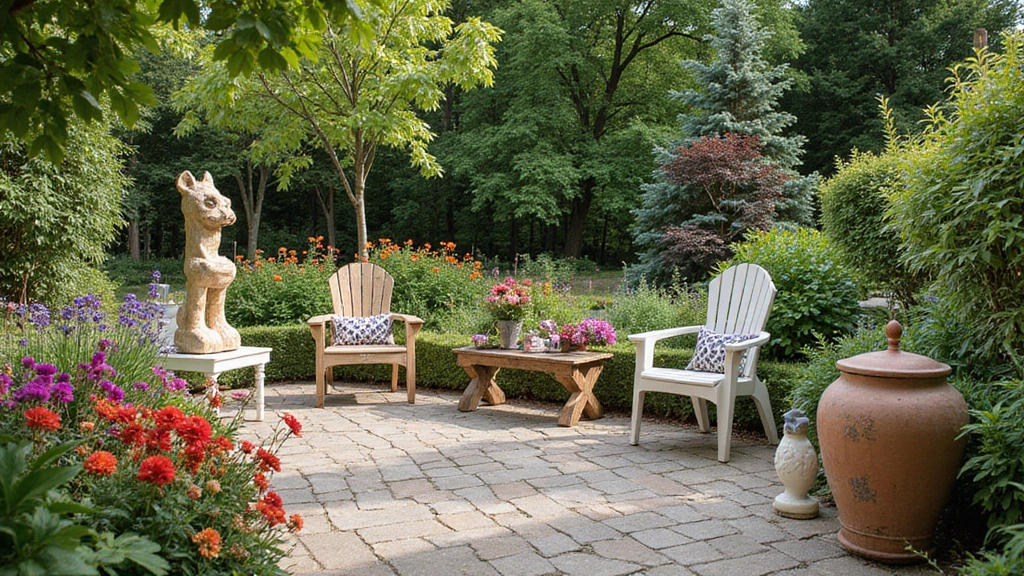
If you crave a yard that feels like a cozy cottage, this design can give you that warm, inviting charm. It’s all about color, scent, and gentle curves that invite you to slow down and enjoy. You’ll mix a pocket of perennials with bright annuals so your garden looks good most of the year. A rustic wooden fence or trellis with climbing vines adds a playful touch that says “home sweet home.”
A cottage garden works for any yard size. It creates a soft, layered look with flowers at different heights and textures. You get color bursts, fragrance, and a sense of whimsy. Best of all, you can start small and grow the garden as you learn what you love to plant and how much care you want to give it.
Design elements to consider:
– Raised beds for vegetables and herbs.
– Pathways made of stone or gravel that gently wind through blooms.
– A serene seating nook tucked among fragrant flowers.
– A few bird-friendly touches, like birdhouses or a butterfly garden.
Here is how to bring it to life.
1) Pick a focal point. Decide where you want to sit or where a small arch or bench will stand. Let this spot draw the eye and give you a sense of arrival.
2) Create gentle curves. Let paths curve slowly rather than meet in hard corners. Curved lines feel calmer and suit the cottage vibe.
3) Plant in layers. Put tall blooms in the back, mid-height varieties in the middle, and low ground covers near the path. Mix perennials and annuals so color appears from spring to fall.
4) Choose a color story. Limit to two or three main colors, then add accents with foliage and a few white flowers for contrast. This keeps the scene cohesive and easy to care for.
5) Add structure. A weathered fence, a trellis, or a small gate adds charm and a place for climbing roses or vines. Wood tones should echo your deck or house trim.
6) Include practical spaces. Raised beds help you grow herbs or veggies without bending too much. Put herb boxes near the kitchen for quick seasoning.
7) Invite wildlife. Plant nectar-rich species to attract butterflies. Place a campanula or lavender near the seating area for scent on warm days.
Maintenance notes that help you stay on track.
– Water deeply once or twice a week, more often in heat waves. Mulch to hold moisture and reduce weeds.
– Deadhead spent blooms to keep color coming. Cut back vigorous perennials after every bloom cycle.
– Refresh annuals as needed. Swap in new varieties to extend color while keeping costs down.
Common questions you might have.
– How do I keep color through a long season? Choose a mix of early, mid, and late-blooming plants and use containers for quick fills.
– What if I have shade? You can still charm a cottage garden with shade-tolerant blooms and leafy ground covers.
– Can I do this on a tight budget? Start with a few raised beds, a bench, and a couple of cheap potted plants. Expand as you go.
Next steps to get started quickly.
– Sketch a simple layout with a curved path and a seating nook.
– Pick two main color tones and one accent color.
– Gather a few evergreen-looking plants for year-round structure.
– Plant a butterfly-friendly mix in sunny spots and keep a small watering can handy.
With steady care, your cozy cottage garden grows into a welcoming retreat right in your backyard.
2. Cozy Cottage Garden
Editor’s Choice

Land Guard Galvanized Raised Garden Bed Kit, Galvanized Planter Garden B…
Amazon$28.41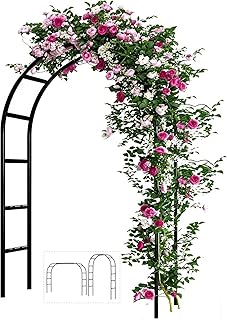
Adorox 7.8ft Garden Arch Trellis for Climbing Plants, Metal Arch Frame, …
Amazon$20.99
STARSWR Bird House for Outside,Bird Houses Outdoor, Natural Wooden Bird …
Amazon$19.953. Expansive Lawn for Activities

If you want a yard that feels big and alive, this section is for you. A wide lawn gives you room for family games, casual picnics, and a night under the stars. It also offers shade so you stay cool while you play. You can mix comfort with fun without crowding the space.
What to include in an expansive lawn
– Large open space for sports, frisbee, or a simple picnic
– A fire pit area with safe seating for evening talks
– Soft string lights that glow after dark
– A kid-friendly play zone or an outdoor game corner
Here is why this setup helps you. It keeps the yard flexible. It makes room for both rest and action. Now let’s break down how to make it work in your yard.
Practical steps to build this space
– Plan the zones on paper first. Sketch where the grass stays open and where you place shade and seating. Keep paths clear so you can move freely from one area to another.
– Pick a grass type that fits your climate, foot traffic, and sun. In many yards, a hardy mix of fescue or Bermuda works well. If your soil is poor, think about overseeding or laying sod in the busy spots.
– Add shade where it matters most. A pergola or a large umbrella can cool the sun. Plant a couple of trees if you want a long-term solution that grows with your space.
– Create a fire pit area with safe, comfy seating. Put the pit on level ground, away from low-hanging branches, and give it a clear path to the house.
– Light the space with string lights or solar lamps. Run cords neatly along edges and keep lighting low to the ground so it’s gentle on the eyes.
– Reserve a corner for play or games. A small swing, a chalkboard wall, or a portable bocce set fits nicely beside the main lawn.
– Plan for upkeep. Mow regularly, rake gently, and water in the early morning to keep the grass healthy. Mulch the borders to cut down weeds and fade.
Next, think about budget and timeline. Start with one goal, like a shade feature or a dedicated play zone, then add the rest as you go. This keeps projects small and doable.
With these steps, your yard becomes a stage for daily joy. Picture a sunny afternoon, the sound of the mower, the scent of fresh cut grass, and the soft glow of lights at dusk. You don’t need perfect turf to enjoy great times outside. You only need a plan and a space that fits your family.
3. Expansive Lawn for Activities
Editor’s Choice

Devoko Outdoor Fire Pit, 32 Inch Firepit Table Metal Outdoor Fireplaces …
Amazon$77.99
addlon 50FT LED Outdoor String Lights with Edison Shatterproof Bulbs, We…
Amazon$19.98
4. Vibrant Tropical Retreat

If you want a vacation vibe in your own yard, a tropical retreat can give you that escape every day. Imagine tall palms swaying, bright flowers, and a peaceful pond with koi. Add a hammock, a cozy seating area, and a few tiki torches for a true island feel. This look helps you slow down and feel far from the daily rush.
Key elements
– A mix of tropical plants and flowers. Choose palms, hibiscus, bird of paradise, and heliconia for layers of green and color.
– A deck or patio designed for lounging. Make a small outdoor living room with seating that fits your space.
– Water features like a pond or a gentle fountain. The sound of water makes the space feel calm and alive.
– Colorful outdoor furniture and lighting. Bold cushions, a woven rug, and warm lanterns or string lights finish the scene.
Put together, these pieces create a space you can use from morning coffee to evening chats. You get shade where you need it, a cool place to sit, and pockets of color that lift your mood. It’s about simple comfort and easy care, not a huge project.
How to build it, step by step
– Start with a focal point. This could be a stand of palm trees, a pond, or a lush planting bed. Build the rest around it.
– Plan the lounge area first. Pick a deck or a flat patio that fits your seating and keeps feet dry in rain.
– Pick plants for sun and shade. Use pots for flexible spots and to protect tender roots in cold starts.
– Choose materials that hold up to heat. Teak, cedar, or durable composite decking live well outside. Use weatherproof cushions.
– Add a water touch. A small pond or koi feature adds life and sound without taking over the space.
– Light the night softly. Use warm lights, lanterns, and solar options so you can enjoy the space after dark.
Practical tips you can use now
– Create micro zones. A sunning spot, a shaded seating corner, and a small walking path make the yard feel bigger.
– Use textures. Layer rough stone with smooth pots and soft fabrics to add depth.
– Keep care simple. Choose drought-tolerant tropical plants in the ground and in pots to cut upkeep.
– Think about seasonal uses. Container plants help you move color around as seasons change.
– Check bugs and moisture. Water in the morning to cut disease and set irrigation on a schedule.
Maintenance and care
– Water wisely. Use drip lines or soaker hoses to target roots and reduce waste.
– Refresh color seasonally. Swap a few cushions or pots to keep the look fresh.
– Trim and tidy weekly. Remove spent blooms and prune dead leaves to keep plants healthy.
– Protect from cold. Bring delicate pots inside or wrap them when frost is possible.
Frequently asked questions
– Will this work in small yards? Yes. Focus on a compact deck, vertical plantings, and a shallow pond.
– Can I use faux or low-maintenance plants? You can. Mix real and synthetic greens for texture, but keep the water feature real for sound.
– How do I keep mosquitoes away? Remove standing water, add fast-draining soil, and use fans around seating.
Next steps
– Measure your space and pick a focal point.
– Choose a color palette and a few key plants.
– Start with a simple deck or seating area and build from there.
4. Vibrant Tropical Retreat
Editor’s Choice
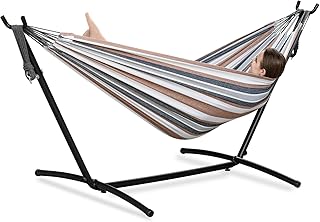
PNAEUT Double Hammocks with Stand for Outside, Portable Space Saving Hea…
Amazon$75.99
Brightown 108FT Solar String Lights Outdoor with Remote and 52 LED Shatt…
Amazon$39.99
31.9″ S-Shaped Water Outdoor Fountain–Modern Cascading Waterfall Feature…
Amazon$169.995. Rustic Farmhouse Vibe

You want a backyard that feels warm and inviting. A rustic farmhouse vibe can make that happen. It pairs weathered wood with simple, honest decor. The result is a space that looks good and tells a story. You’ll feel drawn outside, not rushed back indoors.
Here is why this style works for backyards. It brings nature close with soft textures. It uses practical pieces you can live with daily. It also ages beautifully with time. Clean lines meet cozy touches. The whole area feels like a comforting, country retreat.
Design elements to incorporate:
– Wooden benches or a swing made from reclaimed wood. Sit back and listen to the birds.
– Flower beds bursting with wildflowers and tall grasses. They soften edges and attract pollinators.
– A garden shed or potting area that doubles as decor. A simple roof, mixed wood, and a little window box can pull the look together.
– Farm-inspired accessories like vintage watering cans, rustic signs, and old milk jugs. They add character without clutter.
– A simple gravel or flagstone path. It guides your steps and keeps dirt outside the yard.
– A small seating nook with a metal or wooden table. Add a lantern or string lights for quiet evenings.
– A border fence or trellis that frames beds. It gives the space a finished, cottage-like feel.
This approach creates a space that looks good and feels real. It gives you places to sit, work, and enjoy the outdoors. It also lets you add stories with each piece you choose.
Next steps to bring it to life
– Start with a cohesive palette. Think weathered wood, cream, sage green, and charcoal. Keep colors muted so plants stand out.
– Source reclaimed wood and metal. Look for old gates, crates, or window shutters to repurpose.
– Build a small seating area first. A bench and a chair set on a gravel patch sets the mood quickly.
– Plant a wildflower border. Choose species like coreopsis, yarrow, and coneflowers for easy care.
– Add simple decor pieces. A vintage watering can by the shed, a rustic sign, and a few ceramic pots finish the look.
Practical tips for success
– Use durable, low-maintenance plants near paths. They can handle sun and foot traffic.
– Keep furniture proportions in check. A big bench can dominate a small yard.
– Maintain the wood. A yearly coat of outdoor sealant or wax helps weathered pieces last.
What to watch for and limits
– Weathered wood needs care. Check for rot and treat it rather than replacing whole pieces.
– A farmhouse vibe grows with details. Too many small decorations feel busy. Pick a few strong pieces.
– Budget-friendly options work best when you balance new buys with repurposed items.
Next steps
– Sketch a simple layout. Place the bench, shed, and path to form an inviting flow.
– Gather a handful of key pieces first. Then add finishing touches over time.
With these steps, your rustic farmhouse backyard becomes a warm, welcoming spot your neighbors notice and you love.
5. Rustic Farmhouse Vibe
Editor’s Choice

Reclaimed Solid Wood Bench-43.3″ Farmhouse Entryway Bench with Storage S…
Amazon$109.99
Galvanized Watering Can for Outdoor Indoor Plants, 1 Gallon Decorative C…
Amazon$26.99
Brightever LED Outdoor String Lights 100FT Patio Lights with 52 Shatterp…
Amazon$35.986. Tranquil Zen Garden

If your yard feels busy, you need a calm corner. A Zen garden gives you that quiet space you can visit any time. It’s simple on purpose. You will slow your breathing and clear your mind as you sit or walk.
Here is how to plan a small, soothing zone in your yard. Pick a spot that stays mostly out of the wind and away from loud street sounds. Keep the area open and clean. Use natural colors like gray, tan, and green. A Zen garden works with minimal care, so start small and grow slowly.
Elements to include:
– Stones and clean gravel arranged for gentle, raked patterns. The act of raking becomes a meditative routine.
– A water touch, such as a tiny pond, a shallow stream, or a fountain that adds soft sound.
– A strip of bamboo or a simple bench for quiet sitting and reflection.
– Green plants that stay tidy and calm the space without shouting for attention.
This setup creates a mindful space you can use after work or first thing in the morning. It invites you to slow down, listen to the water, and focus on the moment.
How to build it in practical steps:
– Choose a quiet patch where you can hear a breeze or water if you add a feature. Keep the view uncluttered.
– Level the ground and lay down a base of smooth sand or fine gravel. It should feel clean under your feet.
– Lay a curved stone path that guides your steps. Let it feel natural, not forced.
– Place a small water feature and test the sound. If the water is too loud, adjust the size or position.
– Add the stones, then spread the gravel. Rake lines daily or weekly to form simple patterns.
– Put in a low bench or a short stool. Add a few slender plants or moss to soften edges.
Practical tips to keep it peaceful
– Keep color simple: greens, creams, and browns work best.
– Trim plants regularly so shapes stay neat and calm.
– Clean the area often. A tidy space feels more relaxing.
– Use soft, natural materials for seating and borders.
– Build your path with smooth edges so your steps feel sure and easy.
A Zen garden can be tiny and still feel deep. It is a place for breath, focus, and a gentle pause. Real value comes from daily touch—raking a line, watching a ripple, or simply sitting and listening.
Next steps
– Sketch a quick layout on paper, mark where sand, stones, and water could go.
– Gather a few items first: a small tray of sand, a couple of stones, a bench, and a compact fountain.
– Start with one corner, then add a path and a few plants over time.
In a busy world, a Zen garden can be your personal getaway. Embrace simplicity, choose calming colors, and watch your stress melt away in your tranquil backyard oasis.
6. Tranquil Zen Garden
Editor’s Choice

Tabletop Fountain 4 Level Small Waterfall Fountain Indoor Relaxing Water…
Amazon$25.99
24 PCS DIY Sand Zen Garden Tools, Mini Zen Garden Rake Sets for Serenity…
Amazon$19.99
Spoontiques – Garden Décor – Family Stepping Stone – Decorative Stone fo…
Amazon$21.997. Luxurious Resort Inspired

You want a backyard that feels like a five star retreat. You deserve spaces that invite you to relax, entertain, and unwind. Start with a clear goal: a cool pool, comfy lounges, a place to cook and dine, and shade for sunny days. Think simple first, then layer in richer touches.
Key elements to consider
– Infinity pool that looks like it melts into the view. The trick is a clean edge and a calm water line that makes your yard feel bigger.
– Outdoor kitchen with a grill, sink, and a bar counter. Add a mini fridge if you cook a lot outside. A layout that keeps cooking and serving easy will save you steps and time.
– A cabana or shaded seating area. This gives you shelter from sun and rain and a private spot for conversations.
– Durable materials and finishes. Use long-lasting stone, porcelain or stamped concrete for the deck. Pick colors that match your home and the plants you use.
– Palm trees and tropical plants. They give height, texture, and that vacation vibe with minimal care if you choose the right species.
– ambient lighting for evenings. Layer warm-white path lights, pool lighting, and soft string or lantern vibes near seating zones.
Here is why these elements work. They create distinct zones you can use all year. They also help your eye travel through the space, making it feel larger than it is. And they give you predictable spots for seating, dining, and lounging.
Layout and flow
– Plan zones before you buy. Put the pool where you can hear it on hot days, the kitchen near dining areas, and the cabana a short stroll away from seating.
– Build sight lines. A straight view from the back door to the pool makes the space feel open and inviting.
– Use surface changes to mark zones. A different deck material or a low step can signal “dining” and “lounging.”
Materials and style
– Choose a light, natural palette. Light stone, warm wood, and neutral textiles keep things calm and elegant.
– Pick slip-resistant surfaces near water. Safety comes first, even in a luxury setup.
– Use durable, low-maintenance plants. Palm varieties and tropical shrubs thrive with minimal fuss if you place them in sun or shade correctly.
Practical steps to start
– 1) Set a realistic budget and a phased plan. You can begin with the pool and kitchen, then add the cabana and lights later.
– 2) Check local rules and permits. A simple pool addition often needs approvals.
– 3) Choose core materials first. Pick a deck and pool finish that survive the weather and look good for years.
– 4) Map lighting and irrigation. Low-voltage lighting creates mood; smart irrigation lowers water use.
– 5) Plan maintenance. A simple routine keeps your resort vibe fresh without heavy work.
Next steps are simple. Sketch the zones you want. List the features you can afford now. Then map a two-part timeline: pull in the pool and kitchen this season, add shade and lights next year.
With the right design, your backyard becomes a personal retreat. A space that breathes calm, hosts easy gatherings, and feels like a getaway—without ever leaving home.
7. Luxurious Resort Inspired
Editor’s Choice

Inflatable Pool for Kids and Adults, 120″ X 72″ X 22″ Oversized Thickene…
Amazon$59.98
Spire Premium 5 Burner Built In Gas Grill Island Head, Stainless Steel 3…
Amazon$872.03
Brightever LED Outdoor String Lights 100FT Patio Lights with 52 Shatterp…
Amazon$35.988. Bohemian Dreamscape

If you want a yard that feels free, colorful, and welcoming, a bohemian dreamscape fits. You get texture, warmth, and space to express yourself. It’s not about perfect lines. It’s about a lived-in charm you can enjoy every day.
Here is why this style works for first-time landscapers and seasoned planners alike. It blends big color with soft textures. It invites people to sit, share, and stay a little longer. And it can grow with you as your tastes change.
– Colorful seating and textiles Start with one comfy spot. Add cushions in different shades and a bold outdoor rug. Choose fabrics that stand up to sun and rain. The goal is a cozy, inviting circle you can gather around.
– Hanging plants and macramé accents Let greenery drape down from decks or pergolas. Use macramé hangers to add movement and whimsy. This makes the air feel fresher and the space look more layered.
– Fire features as a focal point A small fire pit or outdoor fireplace draws people in. It provides warmth on cool evenings and gives your space a real center to anchor conversations.
– Mix of plants for color and texture Combine leafy greens, flowering plants, and a few tall grasses. Add containers in different sizes and materials to create depth. You’ll see a lively mix that changes with the seasons.
Let’s break it down into action steps you can use this weekend.
– Step 1: Define zones. Put a seating area near the house for easy access. Add a small, low-maintenance path to a fire pit or sitting spot.
– Step 2: Pick weather-friendly furniture. Look for rust-proof metal, treated wood, and synthetic weaves that resist sun and rain. Keep cushions in a washable cover.
– Step 3: Add textiles and lighting. String lights or lanterns create a soft glow. Layer rugs, throws, and pillows for warmth and color.
– Step 4: Build plant interest. Use a mix of pots and a few raised beds. Plant herbs near the seating for scent. Use taller plants at the back for privacy and drama.
What about upkeep? Start simple. Water smartly. Trim regularly. Swap out a few planters each season to refresh the look without a big spend.
Common questions you might have: Can this style work in a small yard? Yes. Focus on one or two bold colors and a single focal piece. Do I need to hire a pro? Not necessarily. Start with one area, measure what you can maintain, then expand.
Next steps: sketch your layout, choose two colors, and pick a focal piece like a fire pit or a hanging planter. Then gather a few textiles and plants that fit your climate. Your Bohemian dreamscape is ready to grow with you.
8. Bohemian Dreamscape
Editor’s Choice
36 Inch Fire Pit with 2 Grills, Wood Burning Fire Pits for Outside with …
Amazon$109.99
Outdoor Chair Cushions Set of 4: Waterproof & Fade Resistant Seat Cushio…
Amazon$43.99
Macrame Plant Hangers, 6Pack Hanging Planters for Indoor Plants w/ 6 Set…
Amazon$17.59You might also like

9. Edible Landscape Design

You want a backyard that looks good and feeds you too. An edible yard plan can do both. It blends beauty with usefulness, so you get color and fresh bites from your own space.
What to include
– Raised beds for easy access to vegetables and herbs.
– Fruit trees placed where they offer shade and a splash of color.
– Simple paths that let you reach every patch without stepping on soil.
– Trellises, markers, and little accents that show off what you grow.
This setup helps you work smarter and harvest sooner. You’ll feel more connected to the seasons and your kitchen.
How to set it up
– Start with sun and soil. Track how many hours of sun each area gets. Test the soil to know what to add.
– Pick a layout. A neat grid of raised beds works well, or a curved, flowing pattern if you prefer soft lines.
– Build raised beds. Cedar, treated pine, or recycled materials are common choices. A good size is 4 by 8 feet or 3 by 6 feet so you can reach the center from all sides.
– Fill beds with a mix of topsoil, compost, and a little peat or coconut coir. This blend holds moisture and feeds plants.
– Add fruit trees with space to grow. Plant them where they won’t shade veggie beds too much.
– Plant herbs near the kitchen. Think basil, thyme, and rosemary for quick, tasty picks.
– Lay down paths. Use stepping stones, gravel, or mulch so you can walk without trampling beds.
– Install a simple irrigation plan. A small drip line or soaker hose saves water and keeps leaves dry to cut disease.
– Label what you plant. Garden markers help you remember what goes where and make after-harvest care easier.
Care and smart habits
– Mulch after planting. A 2–3 inch layer keeps moisture and blocks weeds.
– Feed with compost each season. It feeds soil life and reduces waste.
– Rotate crops. Change beds so pests and disease don’t stick around.
– Think pollinators. Add flowering herbs and small native plants to attract bees and butterflies.
Questions readers often ask
– Do I need full sun for most edibles? Many crops love sun, but some greens tolerate partial shade. Pick a sunny corner for tomatoes and peppers, and reserve shade-friendly crops for cooler spots.
– How much space is enough? Even a couple of raised beds can yield plenty. Start small and grow as you learn what you like to eat.
– How do I keep pests away? Build a light fence, use netting for fruit, and choose pest-resistant varieties when possible.
This approach keeps your yard useful year round. It teaches you where food comes from and cuts down trips to the store. Best of all, you taste the rewards right at home.
Transform your large backyard landscaping designs into a feast for the eyes and the palate. An edible landscape is where beauty meets bounty—grow fresh herbs and fruit while delighting your senses!
9. Edible Landscape Design
Editor’s Choice
Land Guard Galvanized Raised Garden Bed Kit, Galvanized Planter Garden B…
Amazon$28.41
230FT Drip Irrigation System for Garden with 40 Nozzles & Emitters, Gard…
Amazon$39.99
Artline Garden Marker | Water Resistant | Quick Dry Ink Great For Outsid…
Amazon$6.7010. Elegant Water Features

You want a backyard that feels calm and inviting. A water feature can deliver that mood in a clear, easy way. It also gives your yard a bright focal point you and your guests will love.
Here is why water features work in any yard. The sound of moving water soothes the senses. Water adds light and sparkle as the sun hits the surface. They also invite wildlife, like birds and frogs, to visit. You can make this part of your outdoor space with a style that fits your home.
– Koi pond adds color and life. It creates a quiet spot you can enjoy from a bench or a patio. Build it with a safe edge and a simple filter so it stays clear. Deep enough for the fish and plants, it still works in a small yard.
– Waterfalls that feed a pool bring a soft rush of water and a cooler feel on hot days. Start with a small spillway and a basin that hides the pump. Place rocks around the edge to blend the feature with the rest of your yard.
– Fountains that double as art become a sculpture you can watch as water moves through them. Choose a form and finish that match your home style, from sleek metal to rough stone. Add a soft light for late-evening glow.
– Plants around the water frame the feature and soften its edges. Pick moisture-loving plants that stay tidy with trimming. Think ferns, grasses, or water-loving perennials that stay lush without a lot of fuss.
Maintenance and safety tips you can use now. Start with a simple plan that fits your schedule. Check the water level once a week and remove fallen leaves. Use a basic filter or skimmer to cut down on debris. If you want a longer life for your feature, schedule a yearly check with a local pro.
How to start your build. Sketch the space and set a clear focus for the feature you choose. Measure gate and doorway widths in case you need help bringing materials home. Decide on a budget and pick materials that fit your style, such as natural stone, concrete, or fiberglass fireproof features. Think about lighting for ambiance and safety at night.
Next steps. Pick one idea to begin with and plan a small, doable project. Gather a few essential supplies, like a pump, liner, and basic plants. Then install the feature in stages, so you can learn and adjust. Your backyard will gain a calm, inviting vibe you can enjoy all year.
10. Elegant Water Features
Editor’s Choice

HALF OFF PONDS Savio Signature 4,000 GPH Submersible Pump Pond Kit 20′ x…
Amazon$1,345.00
31.9″ S-Shaped Water Outdoor Fountain–Modern Cascading Waterfall Feature…
Amazon$169.99
Solar Fountain Water Pump for Bird Bath, New Upgraded Mini Solar Powered…
Amazon$9.9811. Playful Family Spaces

You want a backyard that both kids and grownups enjoy. A space you can use every day for play, games, and quick rest. This design builds three easy zones: a kid zone, a game zone, and a cozy seating spot. It keeps the eye moving and the feet busy.
Here is why this setup works. It keeps fun in reach for little ones, but also gives adults a place to relax without missing the smiles. It’s simple to add on later, too.
Zone ideas for your yard
– Kid zone with a sandbox and small playhouse. A sandbox around 6×6 feet is plenty for many kids. A sturdy playhouse invites hours of do-it-yourself adventures.
– Outdoor games area. Put in a cornhole set, a giant Jenga game, and a few bean bags or rings. Leave space for a quick toss or a friendly match.
– Supervision-friendly seating. Choose a shaded bench or a couple of comfortable chairs. Position them where you can see the kids play from the patio or porch.
– Open grass run space. Keep a clear grassy patch for running, tag, or a quick game of catch. Avoid clutter to prevent trips.
Next, plan how you will put these zones together. Start with a simple layout that makes paths safe and easy to follow.
Practical setup tips
– Map your space first. Measure the area and mark zones with string or chalk.
– Pick safe, durable ground surfaces. Use grass for a soft feel, or add rubber mulch under the play area for extra cushion. Artificial turf is low maintenance if you prefer a always-ready look.
– Anchor heavy items. A swingset and a slide need sturdy anchors. If you use a playset, follow the manufacturer’s instructions for footing.
– Create shade and comfort. Add a shade sail, a gazebo, or an umbrella over the seating area. A cool corner makes supervision easier on hot days.
– Use calm color accents. Soft blues, greens, or sunny yellows can lift the mood without overpowering the yard.
– Build in safe boundaries. A low fence or gate keeps toys inside and little ones close when you want them nearby.
Materials and maintenance to consider
– Choose cedar or treated wood for play structures. They stand up to weather and still look friendly.
– Consider durable seating. Plastic-coated metal or resin wicker lasts longer in sun and rain.
– Use weather-friendly storage. A small deck box or shed keeps toys tidy and ready.
– Mulch or rubber under play zones. This reduces slips and protects little knees.
– Keep maintenance realistic. Schedule a quick weekly sweep, weed escapees, and check screws or bolts before big play sessions.
Here is how to keep it simple and inviting year round. Keep the zones distinct but close enough to share energy. You’ll get more playtime, less clutter, and plenty of room for memories to grow.
Next steps
– Pick one feature to add this season, like a sandbox or a couple of chairs with a shade option.
– Sketch a rough layout on paper or with a simple app.
– Gather two or three key items first, then expand as you use the space.
This setup makes your yard feel alive every day. It invites laughter, games, and easy moments of calm for the grownups who supervise. Your family will thank you for the thoughtful, practical design that keeps everyone connected.
11. Playful Family Spaces
Editor’s Choice

Best Choice Products Kid’s Large Octagonal Wooden Outdoor Sandbox with C…
Amazon$89.99
GoSports Portable Cornhole Sets, 8 Styles – Choose 4 x 2 ft or 3 x 2 ft …
Amazon$99.99
Best Choice Products 7.5ft Heavy-Duty Round Outdoor Market Table Patio U…
Amazon$39.9912. Artistic Outdoor Gallery

You want a backyard that shows your style without becoming a chore. An outdoor art gallery can give you that balance. It keeps the space personal. With the right pieces, your yard invites neighbors to pause.
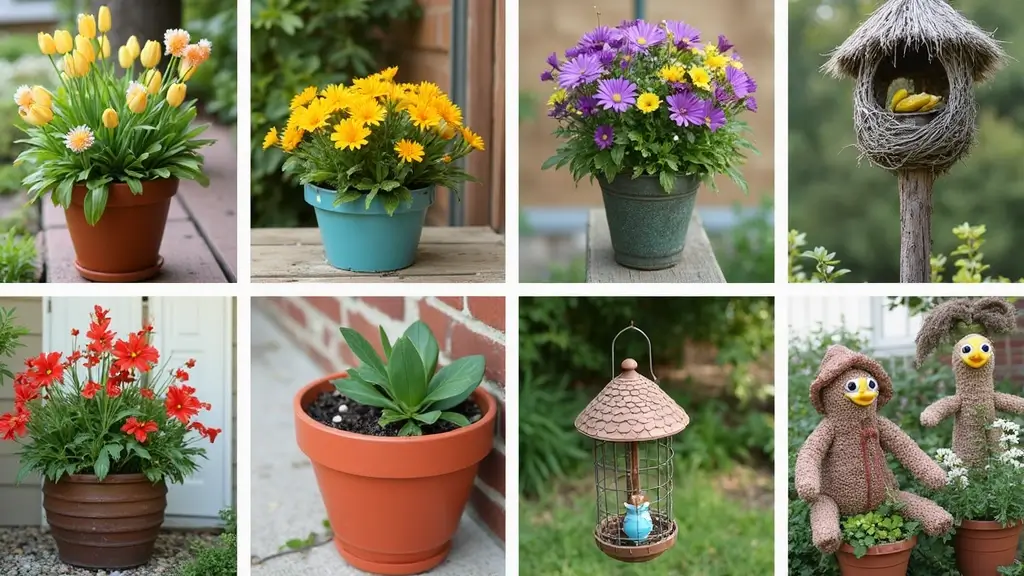
Ideas for your gallery:
– Using reclaimed materials to build art pieces. Old wood, metal, and stone can become wall panels, sculptures, or a simple mural.
– Large planters filled with bold flowers or tall grasses. They act as clear focal points and guide the eye.
– Garden paths lined with artistic stones or tiles. These add texture and color underfoot.
– Interactive art that invites touch or play. Think a wind chime wall, a sun dial, or a mosaic panel.
This setup lets you show your creative side and keeps the yard friendly for all who visit.
Next steps:
– Pick a spot. Look for a wall, fence edge, or patio corner near seating.
– Choose a simple theme. A rustic, modern, nature-inspired, or playful vibe works well.
– Mix heights and textures. Pair a tall piece with low planters and a flat mural to create rhythm.
– Go with weather-friendly materials. Metal, ceramic, stone, and treated wood hold up outdoors.
– Add soft lighting. Warm lights make sculptures glow after dark.
Common questions:
– Will it feel busy? Start with three to five pieces. Add more only if the space breathes.
– How do I keep art safe outside? Mount items securely and choose weatherproof finishes.
– How often should I refresh it? Rotate pieces seasonally. Swap planters to give the space a new feel.
– How much does this cost? Begin with affordable pieces. You can upgrade as your budget allows.
Be honest about limits. A crowded wall can steal attention from your yard’s natural feel. A small, well-planned gallery often works best. Start with a single focal piece and a couple of planters. Grow your collection as you enjoy the space.
12. Artistic Outdoor Gallery
Editor’s Choice


Pure Garden Lattice Design Planter Box – 14.75-Inch-Square Decorative Ou…
Amazon$29.99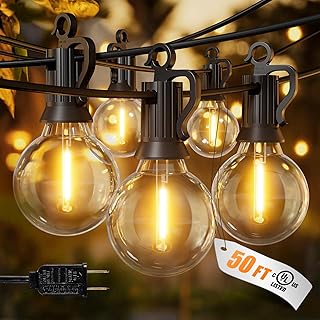
Brightown Outdoor String Lights, 50FT 25 G40 Bulbs Shatterproof Patio Li…
Amazon$19.9913. Outdoor Dining Experience

You want to dine outside and your yard should help you enjoy meals with family and friends. This section shows you a simple, doable plan for an outdoor dining zone that feels welcoming all season.
Here is why a dedicated dining space works. It makes meals easier to share. It keeps the mess out of the indoor rooms. It creates a place where conversations flow and memories grow.
– Start with a clear setup
Choose a flat, accessible patch near a door or patio. A level area makes seating comfortable and keeps chairs from wobbling. Put the table in the center of the spot so guests can talk from all sides. A long table works for big gatherings; a round table invites close, easy chats.
– Pick the right table and chairs
Select a table that fits your space and needs. If you host often, a sturdy table with room for serving platters is great. Pair it with weatherproof chairs. Add cushions or weatherproof pads for comfort. Keep the seating comfortable but easy to move.
– Add a practical outdoor kitchen or grill
A built-in grill or a compact outdoor kitchen boosts cooking ease. Think a small prep counter, a sink if you have space, and a storage cart for tools. You don’t need every gadget at once. Start with the essentials and build up later.
– Create mood with lighting
Soft lighting makes nights feel special. String lights overhead set a warm tone. Add lanterns or solar path lights along the edge of the dining area. Keep lights low enough to avoid glare but bright enough to see faces clearly.
– Use greenery and fresh scents
Plant greenery around the dining zone for privacy and charm. Potted herbs near the prep area smell great and stay handy for cooking. Fresh flowers as centerpieces bring color without clutter.
– Choose durable materials
Look for weatherproof options. Teak, powder-coated metal, and stone hold up well. Avoid fragile pieces that need constant care. Simple, sturdy pieces stay nicer longer.
– Plan for weather and comfort
Include a shade option if you’re sunny most days. A retractable canopy or large umbrellas work well. Have a plan for rain, like a nearby covered spot or outdoor-safe covers for cushions.
– Keep maintenance simple
Wipe tables after meals and store cushions in a dry spot when not in use. Use covers to protect furniture during off seasons. A quick rinse a few times a month keeps the area fresh.
Next steps
– Sketch a quick layout on paper.
– List three must-have items for your space.
– Start with a small setup and grow it as you enjoy the area.
Common questions solved
– Do I need a full outdoor kitchen? No. A single grill and a prep counter can handle most weeknight meals.
– What about warmth? Burners or a small fire pit adds coziness without taking over the space.
– How much should I invest first? Start with durable basics and add one feature at a time.
With this plan, your outdoor dining area becomes a handy, inviting place. You’ll cook, eat, and relax outside more often.
13. Outdoor Dining Experience
Editor’s Choice

SERWALL Outdoor HDPE Dining Table Set, 7-Piece Outdoor Dining Table Sets…
Amazon$699.99
Brightever LED Outdoor String Lights 100FT Patio Lights with 52 Shatterp…
Amazon$35.98
Gas One – 14-inch Portable Barbecue Grill with 3-Point Locking Lid for H…
Amazon$18.9914. Scenic Outdoor Lounge

You want a calm corner in your yard where you can unwind. A real outdoor living space makes that easy. It becomes a place to read, talk with a friend, or sip tea after a long day.
Plan your lounge for comfort and function
Start with a spot near your home that stays cool and shaded most of the day. A pleasant view helps, too. Then pick a seating setup that fits your space.
– Choose two small sofas or one sofa with two lounge chairs. Add a low table for drinks and snacks.
– Use weatherproof cushions and easy-clean covers. Pick soft colors that hide dirt.
– Add throws for chilly nights. Keep a couple in reach.
– Include a low coffee table and side tables for books and cups.
– Lay down an outdoor rug to anchor the area. It makes the space feel welcoming.
– Install lighting that works after dark. Warm string lights and small lanterns set the mood.
– Bring in planters with herbs or grasses. Greenery lightens hard edges.
– If you can, add a portable fire pit or small heater. It extends use on cool evenings.
– A storage bench helps you tuck cushions away when they’re not in use.
Next, keep maintenance simple. Choose durable fabrics and sturdy frames. A quick wipe keeps surfaces neat.
Here is why these choices help. Comfort invites you to stay longer. Shade prevents you from getting overheated. A rug and tables make the space look like a real room. Warm lighting helps you relax after sunset.
Why this setup fits a backyard lounge
A well-planned lounge gives you a year‑round spot. It blends with garden beds, stone paths, and plants. It stays flexible for family meals, late chats, or a quiet solo moment.
Next steps
– Measure the space and sketch a simple layout. See how many pieces fit.
– Choose sturdy materials. Teak, aluminum, and resin wicker work well outside.
– Pick a color plan that matches your yard. Light tones feel bigger; earthy tones blend with greenery.
– Install a simple lighting plan. A few solar path lights and string lights do the job.
– Add small touches you love. A blanket, a real plant, a cooler for drinks.
– Schedule a quick seasonal check. Clean cushions, store them, and refresh accents as needed.
With these steps, your yard becomes a cozy retreat you can use all season.
14. Scenic Outdoor Lounge
Editor’s Choice

Arden Outdoor Dining Chair Cushion, 20 in x 20 in, Weather-Proof, Rain-P…
Amazon$33.55
22 inch Portable Outdoor Fire Pit, Collapsing Steel Mesh Fireplace – Per…
Amazon$26.77
Brightown Outdoor String Lights, 50FT 25 G40 Bulbs Shatterproof Patio Li…
Amazon$19.9915. Nature-Inspired Pathways

You want a backyard that feels calm and easy to move through. A good path does more than look nice. It guides your steps and protects your grass from wear. Think of a route that invites you to slow down, breathe, and enjoy the yard.
Materials set the mood. Pick options that fit your climate and budget.
– Natural stone for a rustic or timeless look.
– Weathered wood for a warm, organic feel.
– Gravel or pea stone for a casual, airier path.
– Brick or smooth concrete for a clean, modern touch.
Each choice changes how the path wears, sounds underfoot, and how it sheds water after a rain.
Design ideas to try. Simple choices can make a big difference.
– Curves that lead you to quiet corners or a cozy bench. Soft bends feel natural and encourage exploration.
– Stone or brick sections with narrow strips of grass in between. The green breaks up hard surfaces and keeps the path from feeling too stark.
– Decorative edging that defines the path and holds mulch or soil in place. It makes the route look intentional.
– Lighting along the edges so you can stroll at dusk without stumbling. Solar or low-voltage options work well and save energy.
Here is why these paths work. They create flow in your yard and add a sense of adventure. A winding route makes you linger at a blooming bed. A straight crossover helps a quick evening walk stay practical. The right mix of materials and lines makes the space feel larger than it is.
Practical steps you can take this weekend. Build a path you can actually use.
– Start with a simple route map. Draw it on paper and mark potential turn-offs to seating or a water feature.
– Check drainage before you lay anything. A slight slope keeps water from pooling on the path.
– Decide on width. A single person path can be 2.5 to 3 feet wide; a two-person or higher-traffic path can be 4 feet or wider.
– Prep the base with a compact layer of crushed stone or compacted gravel. Add a border and level as you go.
– Lay the surface in easy-to-handle sections. Place each piece snugly and avoid gaps that trip you up.
– Add lighting and soft ground cover near the edges. This keeps the path inviting after dark and helps it blend with the garden.
Maintenance ideas to keep it fresh. Sweep away leaves, rake any loose gravel, and re-level edges after heavy rains. Tidy edges with a garden spade, and tighten loose stones or pavers as needed. A well-kept path stays safe and appealing year after year.
Next steps. Start with a small section to test your favorite materials and look. Then expand the route, add edges or lighting, and tune the curve to your taste. You’ll gain a charming, practical feature that makes your whole yard feel more welcoming.
15. Nature-Inspired Pathways
Editor’s Choice

Emsco Group Flat Rock Rain Barrel and AC Unit Paver Patio Pad 24”x24” Na…
AmazonCheck Price
Solar Lights Outdoor,12 Pack Waterproof Auto On/Off Solar Pathway Lights…
Amazon$36.99
EasyFlex No-Dig Landscape Edging with Anchoring Spikes, 2.7 in Tall Deco…
Amazon$36.70You Might Also Like

16. Seasonal Flower Gardens

If you want a yard that stays lively through the year, a seasonal flower garden is a smart move. You pick flowers that bloom at different times, so color moves with the calendar. Small seasonal touches can keep the feel fresh all year long.
Here is why this plan works: Spring bulbs wake the yard after winter. Summer flowers fill beds with bright spots. Autumn blooms add warm tones before the frost. Winter greens give shape when many plants sleep.
How to plan your seasonal garden
– Start with a simple map of your yard. Note sun, shade, and how water runs.
– Pick a color idea you love. Go soft and calm or bright and bold.
– Choose plants that fit your climate and soil. Aim for eight to twelve varieties total.
– Group plants by bloom time. This creates a steady rhythm you can see.
Key plants to consider
– Spring bulbs: tulips, daffodils, crocuses.
– Summer annuals: marigolds, petunias, zinnias.
– Autumn perennials: asters, chrysanthemums, ornamental grasses.
– Winter greenery: evergreen shrubs, conifers, kale, or red-twig dogwood.
Tip: Build structure with a few small shrubs to keep color even when many blooms fade.
Practical setup tips you can use
– Plant in clusters of three or five for a bold, inviting look.
– Put tall plants at the back and shorter ones in front so you see all colors.
– Add mulch after planting to hold moisture and cut weeds.
– Use bulbs as a backbone; plant them in fall so you get spring color.
– Include a scent note with lavender, lilac, or thyme for a fresh feel.
Maintenance that pays off
– Deadhead spent blooms to encourage more color.
– Water deeply, then let the soil dry a bit before the next drink.
– Feed lightly in spring and again in mid-summer with a balanced mix.
– Refresh tired spots at season ends with new plants or small swaps.
Tools, materials, and styles
– Build sturdy beds with good soil and weed barriers.
– Add clean edging to keep paths neat.
– Use mulch or ground cover for a soft finish and better moisture retention.
– Consider a simple drip system for easy, steady watering.
Next steps
– Sketch your plan today. Pick two seasons you want most color in.
– Buy a few starter plants or bulbs and plant them this weekend.
– Observe through the year and adjust as needed to keep the color flowing.
16. Seasonal Flower Gardens
Editor’s Choice

Gardening Tools 9-Piece Heavy Duty Garden Hand Tools with Fashion and Du…
Amazon$34.99
GardenStraw, 3 cu ft (20 lbs) Pack of 1 – All-Natural Mulch for Gardens,…
Amazon$39.99
Rain Bird DRIPKITBAG Drip Irrigation Repair and Expansion Kit
Amazon$31.4717. Wildlife-Friendly Spaces

Want a backyard that truly helps local wildlife? You can create a calm space where birds sing, bees buzz, and critters find a safe corner. This approach blends simple planting with small shelters and thoughtful water spots. The result is a friendly spot for nature that you can enjoy too.
Why it matters
A wildlife-friendly yard supports pollinators, controls pests, and brings life to your outdoor space. You’ll see more birds at dawn, fluttering wings around flowers, and the soft sound of water in a bowl or pond. Best of all, you don’t have to give up your lawn to get results. You just add the right touch in the right places.
What to include
– Native plants that match your sun and soil. They feed local birds and butterflies with less work for you.
– Birdhouses or feeders placed at different heights and in varied spots. This reduces crowding and invites a wider mix of species.
– Pollinator gardens filled with flowers that bloom in waves. Plants that feed bees and butterflies keep activity high through the season.
– Water sources that are safe and easy to use. A shallow dish, a small pond, or a bubbling tiered fountain can attract birds and slow down heat on hot days.
– Small shelters like brush piles, log piles, rock stacks, or a few fallen branches. These give shelter to hedgehogs, lizards, and other critters.
– A pesticide plan that favors natural helpers. Keep chemicals off the yard so insects, birds, and frogs can thrive.
– Quiet corners for critters. A tucked-away spot with mulch and leaves feels like a home to shy animals.
Practical setup ideas
Here is how you start. First pick native plants that fit your sun, water, and soil. Second place water bowls where you can see birds without inviting trouble from pets. Third build a simple brush pile near a plant bed. Fourth set up feeders or houses away from heavy foot traffic.
Care and reality check
Keep the space tidy but not perfect. Remove fallen leaves slowly to keep habitats intact. Replace food sources as seasons change. Watch what visits you and learn which plants attract which visitors. Do not expect a flood of life overnight. A steady rhythm brings a steady stream of guests.
Next steps
Try one new plant this month. Add a small water dish next season. Build a simple shelter and watch for signs of wildlife activity. Over time, your yard becomes a friendly hub for critters and a joy to watch.
Create a wildlife-friendly oasis in your large backyard! By adding native plants and simple shelters, you’ll invite nature’s beauty right to your doorstep while supporting vital pollinators and enjoying the serene symphony of local wildlife.
17. Wildlife-Friendly Spaces
Editor’s Choice

Survival Garden Seeds – New England Aster Seeds for Planting | Native Pu…
Amazon$4.98
Bird Feeder Outdoor Hanging for Wild Bird Seed, Brown
Amazon$12.99
AISITIN 3.5W Solar Fountain Pump for Water Feature Outdoor DIY Solar Bir…
Amazon$15.9918. Sustainable Landscaping

You want a yard that looks good and uses fewer resources. You also want to help the planet. A thoughtful, sustainable approach can do both. It lowers bills, cuts waste, and keeps your outdoor space lively. Here is how you can start right away.
– Rain gardens – A rain garden catches runoff in a shallow bowl. It slows water that would rush to the street. Pick a sunny, well-drained spot. Fill it with soil that drains well and plant varieties that like moist roots, then mulch to hold in moisture. It acts like a sponge and feeds nearby beds. Next steps: mark the area, choose sturdy native plants, and plan for seasonal water needs.
– Xeriscaping – This means using less water. Don’t flood every corner with lawn. Group plants by how much water they need. Add mulch to keep roots cool and soil steady. A drip system waters roots only, cutting waste. The look can be calm and clean with rocks, grasses, and low shrubs. Next steps: pick water-smart plants and design simple, even borders.
– Composting – Turn kitchen scraps and leaves into rich soil food. Start with a simple bin and place it away from the house. Let it breathe; turn it every week or two. In a few months you’ll have dark, crumbly compost to mix into beds or pots. It cuts trash and feeds your garden. Next steps: set up a bin, add everyday scraps, and harvest when ready.
– Native plants – Local plants fit your climate best. They drink less water and resist typical pests. They invite bees, butterflies, and birds to your yard. Start with a few easy options and let them spread. You’ll see less maintenance and more life. Next steps: choose a couple of favorites and plant them in sunny and shady spots.
– Reuse and recycled materials – Use old bricks for borders or salvaged wood for benches. Recycled gravel makes neat paths. This saves money and gives character. It also keeps waste out of landfills. Next steps: scout for leftovers and plan small, practical features.
– Soil and sun checks – Test soil each year and add compost to feed beds. If drainage is slow, mix in a little sand. Observe sun paths through the seasons. A bright corner loves fast growers; a shady patch suits ferns and hostas. Next steps: test, amend, and map sunny vs. shaded areas.
– Starting tips – It takes time, but progress adds up. The first year may need a bit more water as plants settle. Begin small and grow with patience. Next steps: pick one project now, then add another when you’re ready.
18. Sustainable Landscaping
Editor’s Choice
32 Outdoor Native Plants for Full Sun & Wet Ground – Includes Brown-Eyed…
Amazon$199.00
Utopia Kitchen Compost Bin for Kitchen Countertop, 1.3 Gallon Compost Bu…
Amazon$28.99
Rain Bird DRIPKITBAG Drip Irrigation Repair and Expansion Kit
Amazon$31.4719. Smart Technology in Landscaping

Want a backyard that works for you, not the other way around? Smart tech can cut chores, save water, and boost your outdoor fun.
Here is why you should consider tech in your landscape. It makes care simple. It helps you enjoy more time outside. It can also keep your yard looking good after a busy day.
Smart irrigation that actually adapts
– Use a weather-based sprinkler controller. It reads rain forecasts and soil moisture so you water only when plants need it.
– Add a rain sensor to pause watering when it rains. This keeps you from wasting water.
– Tie irrigation to your garden’s plant types. Shrubs, lawns, and beds get the right amount without guesswork.
– Check a water-use report from your controller. You’ll see how much you saved and where extra care helps.
Lighting that sets a mood, not a maze
– Install low-voltage lights along paths and borders. They guide your steps and highlight plants.
– Create zones with dimmable LEDs. You can switch from bright to cozy with a tap.
– Add motion sensors for safety. Lights come on when someone walks by.
– Use timers to keep energy use steady. Set them to match your routines, not the clock.
Outdoor speakers for easy entertainment
– Pick weatherproof speakers that stay loud without distortion. They handle sun and rain.
– Place them by seating areas for clear sound. You can hear podcasts, playlists, or quiet nature sounds.
– Control music from your phone. You don’t need to haul a kitchen speaker outside.
Control in one simple touch
– Use a single app or hub to manage lights, water, and sound. It saves you from juggling devices.
– Set simple schedules. Lights at sunset, irrigation after midnight, music for meals outside.
– Check alarms and alerts on your phone. You’ll know if a valve or speaker needs attention.
Practical tips to start now
– Start small with one project. A weather-based irrigation controller is a solid first step.
– Plan around power and water ideas. Some devices run on solar power or low voltage.
– Think about safety. Keep cords tidy and out of walkways.
– Budget in stages. You can upgrade as you see the benefits.
What you gain is real. You spend less time watering by hand. Your yard looks cared for with less effort. You enjoy outdoor moments more, no matter the season. Ready to begin? Pick one feature and test how it changes your evenings outside. The rest will follow.
Transform your outdoor space with smart technology! It not only saves water but also lets you enjoy your large backyard landscaping designs without the hassle. Why work harder when tech can make it easier?
19. Smart Technology in Landscaping
Editor’s Choice

Rachio WiFi Smart Sprinkler Controller (8-Zone Irrigation Remote Control…
Amazon$199.00
Govee Outdoor LED Strip Lights, 98.4ft Smart Outdoor Lights Work with Al…
Amazon$159.99
Polk Audio Atrium 4 Weatherproof Outdoor Speakers with Powerful Bass (Pa…
Amazon$167.9920. Multi-Functional Spaces

You want a big backyard that does more than look nice. You want places to rest, eat, and grow herbs all in one yard. The plan should feel easy to use and natural to move through. You can get this with careful zones and simple choices.
Here is why multi-functional spaces work. They cut down trips across the yard. They give you more use from every square foot. They keep guests comfy and kids busy. They stay useful all year.
Here is how to set up your yard for several jobs:
– Zone 1 – Relax and unwind. A small seating area with a couple of weatherproof chairs and a couch helps you feel at ease. Add shade with a pergola or a big umbrella. A little water trickle or soft lights makes the air feel calm.
– Zone 2 – Dining and social time. A sturdy table and chairs fit for meals and chats. Place a grill or a compact outdoor kitchen nearby. A counter for serving and a prep area helps a lot. Use furniture that can be moved if you need more room.
– Zone 3 – Planting and growth. Raised beds hold vegetables, herbs, and flowers. A bench or stool lets you sit and plan your next harvest. Keep a tool bench and a rain barrel close by for easy care.
– Zone 4 – Play, move, and paths. A flat, safe surface works for kids and pets. A winding path connects zones without creating rough edges. Stepping stones or compact pavers keep it neat.
– Create soft boundaries. A trellis, a row of hedges, or a low planter wall separates zones but still keeps sight lines open. This makes each area feel distinct yet connected.
– Pick flexible furniture. Storeable tables, light chairs, and movable planters let you adjust the layout in minutes. The yard stays fresh without a big cost.
– Plan the route. A clear main path runs through the yard as you walk from one zone to another. Sight lines guide your eye and make the space feel larger.
– Add features that pull double duty. A fire pit with seating around it links comfort with warmth. An outdoor kitchen offers prep space as well. Good lighting stretches evenings longer.
Next steps:
1) Measure the yard and sketch zones on paper. Note sun hours and where shade falls.
2) Choose a color mood and keep it simple. Use natural stone, wood, or metal that mix well.
3) Set a budget and start with one zone you will use the most.
4) Store cushions and tools in a weatherproof box. Keep surfaces clean and safe.
Try a simple layout this weekend. Move pieces as you go until it feels right for you and your family.
20. Multi-Functional Spaces
Editor’s Choice

Weatherproof Patio Chair, Poly Lumber Outdoor Patio Chairs with Ergonomi…
Amazon$106.99
Royal Gourmet GT1001 Stainless Steel Portable Grill, 10000 BTU BBQ Table…
Amazon$119.99
Land Guard Galvanized Raised Garden Bed Kit, Galvanized Planter Garden B…
Amazon$28.41Conclusion

No matter which design you choose, each of these large backyard landscaping ideas has something unique to offer. From serene spaces to vibrant outdoor escapes, your backyard can be transformed into an extension of your home and an invaluable part of your life.
Consider what fits your style and lifestyle best, and get ready to create an outdoor retreat that truly reflects who you are. Your neighbors will definitely take notice of your stunning landscapes!
Note: We aim to provide accurate product links, but some may occasionally expire or become unavailable. If this happens, please search directly on Amazon for the product or a suitable alternative.
This post contains Amazon affiliate links, meaning I may earn a small commission if you purchase through my links, at no extra cost to you.
Frequently Asked Questions
What Are Some Key Elements to Consider in Large Backyard Landscaping Designs?
When it comes to large backyard landscaping designs, a few key elements can make all the difference! Start by assessing the layout and natural features of your yard. Consider incorporating zoning for different activities—like a cozy seating area, a vibrant garden, or a fun play zone for the kids. Don’t forget about plants and flowers that suit your climate, as well as features like pathways and water elements that enhance the overall aesthetic.
How Can I Make My Backyard More Inviting for Gatherings?
To create a backyard that’s perfect for gatherings, focus on multi-functional spaces. Incorporate comfortable seating, an outdoor dining area, and maybe even a fire pit for cozy evenings. Using lighting can also set a warm, inviting mood. Think about adding a few personal touches, such as decorative elements or a theme that resonates with your style, making it a space where friends and family will love to gather.
What Types of Plants Are Best for a Vibrant Tropical Retreat?
For a vibrant tropical retreat, choose plants that evoke that lush, vacation vibe! Look for tall palms, colorful hibiscus, and fragrant jasmine. Incorporating greenery like ferns and ornamental grasses can also add texture. Don’t forget to include a water feature to enhance the tranquil atmosphere! Remember to consider your local climate and soil type to ensure these plants thrive.
How Do I Start Planning My Backyard Landscape Design?
Starting your backyard landscape design can be exciting! Begin by determining your goals and needs. Do you want a space for entertaining, a garden, or a play area? Once that’s clear, sketch a rough layout of your yard, considering existing features and sunlight patterns. Research different garden ideas that inspire you, and create a vision board to help visualize your dreams. Don’t hesitate to seek advice from landscaping professionals if needed!
What Are the Benefits of Sustainable Landscaping in My Backyard?
Sustainable landscaping offers numerous benefits for both you and the environment! By using native plants and eco-friendly practices, you can create a beautiful yard that requires less water and maintenance. This approach helps preserve local wildlife and reduces your carbon footprint. Plus, with features like edible gardens and compost areas, you can enjoy fresh produce while minimizing waste. It’s a win-win for your backyard and the planet!
Related Topics
large backyard landscaping
garden ideas
outdoor spaces
modern minimalist
rustic farmhouse
tropical retreat
sustainable landscaping
family-friendly design
edible gardens
zen garden
seasonal flowers
artistic outdoor


Leave a Reply to Dena Lancaster Cancel reply